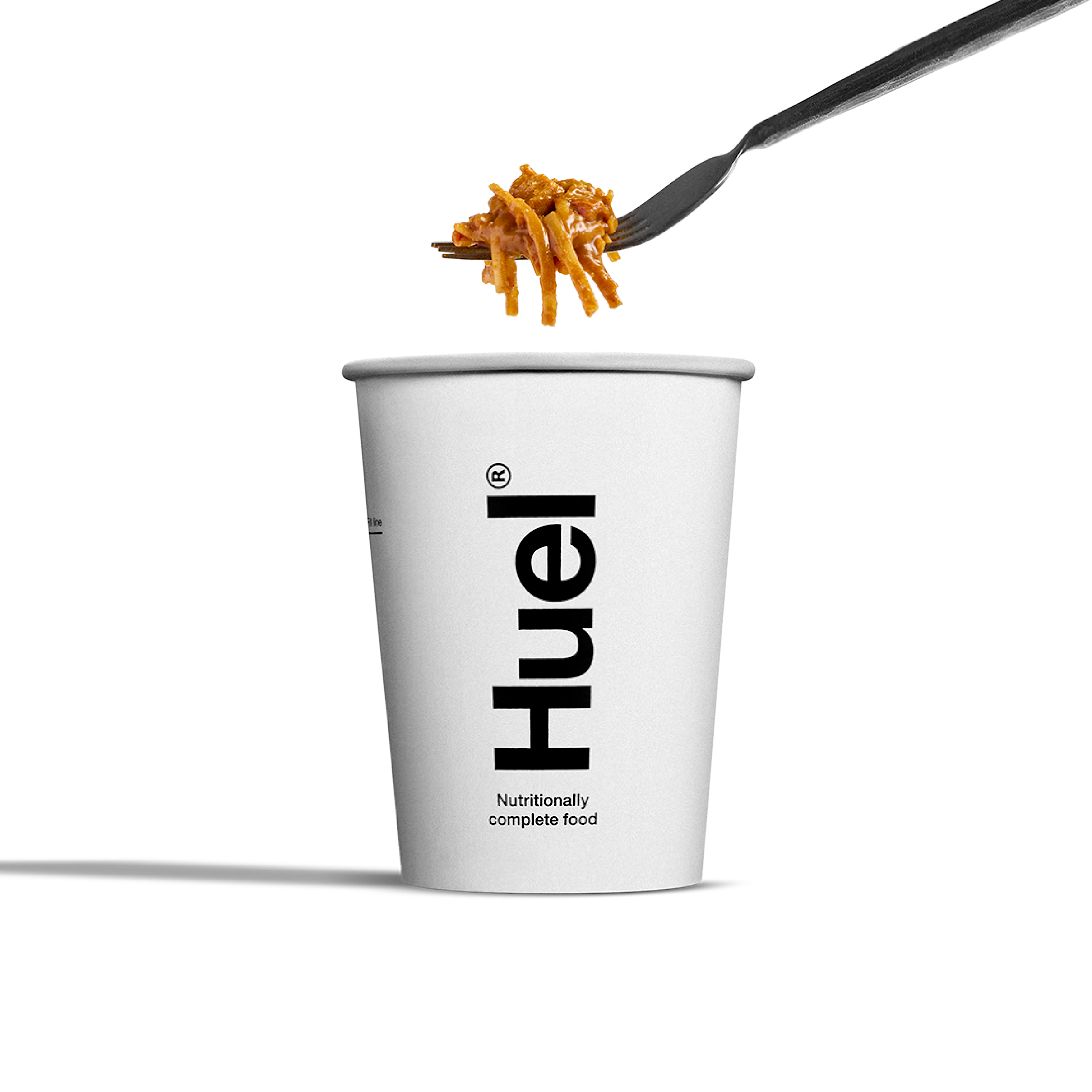
🔥 Bestseller
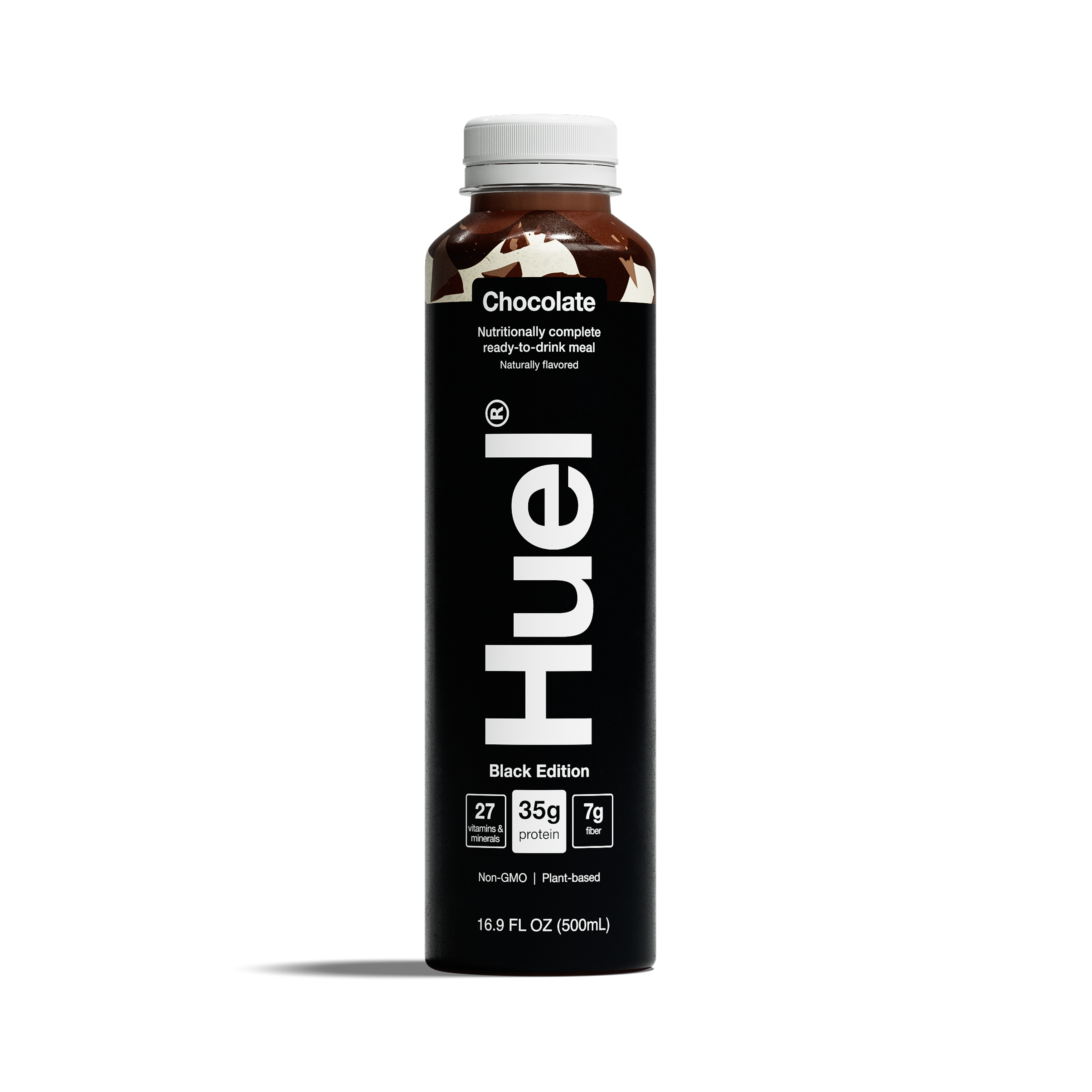

Black Edition Ready-to-drink
High-protein meal shakes
35g protein
400 cal per bottle

Modern life doesn’t leave much white space.
There’s work. Deadlines. Group chats. School runs. Laundry that somehow regenerates overnight. So when someone suggests a full nutrition reset, two-hour gym sessions, and Sunday meal prep that looks like a catering operation, it’s understandable to think: absolutely not.
If you’re wondering how to lose weight when you’re busy, here’s the good news: sustainable weight loss doesn’t require a personality transplant or a lifestyle overhaul. In fact, for most busy people, the opposite works better.
Small shifts. Repeated consistently. That’s it.
Let’s break down what actually works — especially if your calendar is already full.
Before solutions, context.
When people search “how do busy people lose weight?” what they’re often really saying is: I don’t have time to make this my entire identity.
Between work, studies, family commitments, and the general admin of being alive, traditional weight loss advice can feel wildly impractical. Long workouts. Elaborate meal prep. Tracking every gram.
When time is limited, convenience wins. And convenience doesn’t always default to nutritious.
So it’s not a motivation issue. It’s a systems issue.
It’s not just scheduling.
Stress elevates cortisol, a hormone linked to increased appetite and cravings, particularly for high-calorie foods. Harvard Health notes that stress can directly influence eating patterns and contribute to weight gain.
Then there’s sleep. Research from the Sleep Foundation links sleep deprivation to higher BMI and stronger cravings for sugary, high-energy foods. When you’re exhausted, your brain wants quick fuel — not long-term strategy.
If you’re busy, you’re likely juggling both.
Which means losing weight isn’t about trying harder. It’s about designing habits that survive real life.
Key facts:
The most effective weight loss strategy for busy schedules isn’t intensity. It’s automation.
If something requires daily decision-making, it will eventually lose to convenience. So the goal is to reduce friction.
You don’t need to optimise every bite.
Replacing just one daily meal with a balanced, convenient option can create consistency without adding effort. That might look like:
Balanced protein, fiber, and healthy fats help increase satiety and reduce later cravings. And because it’s grab-and-go, it removes decision fatigue.
One less choice. One less derailment.
Keep easy options visible and accessible:
When healthy food is within arm’s reach — in your desk drawer, backpack, or fridge — you’re less likely to default to whatever’s closest and ultra-processed.
It’s not about discipline. It’s about proximity.
You do not need five identical containers of chicken and broccoli.
You need modular basics.
Keep it simple:
Batch-cook one base (brown rice, lentils, eggs) at the start of the week. Mix and match with frozen veg, canned beans, rotisserie chicken, or salad kits.
Double dinner portions on purpose so tomorrow’s lunch already exists.
If you’re a student or working with minimal kitchen space:
Healthy eating doesn’t need to become a second job.

If structured workouts feel impossible, zoom out.
Non-Exercise Activity Thermogenesis (NEAT) — essentially all the movement you do outside formal exercise — plays a meaningful role in energy expenditure.
For busy people, this is where momentum builds.
Even short workouts — 7 to 10 minutes — can deliver benefits when done consistently. The World Health Organization recommends at least 150 minutes of moderate activity per week, but that total can be accumulated in small chunks.
The “all or nothing” mindset is often the real barrier.
Five minutes still counts.
Here’s what doesn’t work for busy schedules: perfection.
Research from organisations like the CDC and Mayo Clinic consistently shows that small, sustained improvements outperform dramatic, short-lived overhauls.
The goal isn’t flawless execution. It’s staying in the game.
Instead of trying to fix everything, choose one or two “quick wins”:
These small anchors stabilise your routine, even when everything else feels chaotic.
Accountability doesn’t have to mean logging every gram in an app.
Try:
The simpler the system, the more likely it is to survive your busiest weeks.
If you prefer structure, think gradual layering — not overhaul.
Week 1
Automate one daily meal.
Add one short walk after meals or during calls.
Week 2
Choose and stock two reliable snacks.
Go to bed 15 minutes earlier.
Week 3
Batch-cook one protein or grain.
Add two 7-minute home workouts.
Week 4
Identify your biggest friction point (late-night snacking, constant takeout) and test one swap.
You’re not rebuilding your life. You’re adjusting it.
Breakfast: Grab-and-go protein shake (shelf-stable option like Huel) + fruit
Lunch: Wholegrain wrap with tuna and microwave-steamed veg
Snack: Nuts + fruit
Dinner: Brown rice pouch, rotisserie chicken, frozen stir-fry veg
Movement: Walk between classes, bodyweight squats during study breaks
Breakfast: Overnight oats
Lunch: Salad kit + pre-cooked salmon
Snack: Sliced peppers and hummus
Dinner: Sheet-pan chicken and veg (double for leftovers)
Movement: Lunch walk + hourly standing reminders
Breakfast: Wholegrain toast, peanut butter, apple
Lunch: Leftover pasta with beans and veg
Snack: Greek yogurt
Dinner: Slow-cooker chili and brown rice
Movement: Dance-off with kids, extra steps during errands
Weight loss for busy people isn’t about doing more.
It’s about removing friction. Automating decisions. Respecting your actual schedule instead of fantasising about a different one.
Stress and sleep matter. Small movements matter. One consistent meal choice matters.
You don’t need a dramatic reset.
You need habits that survive a Tuesday.
And when they do, the results follow.