🔥 Bestseller
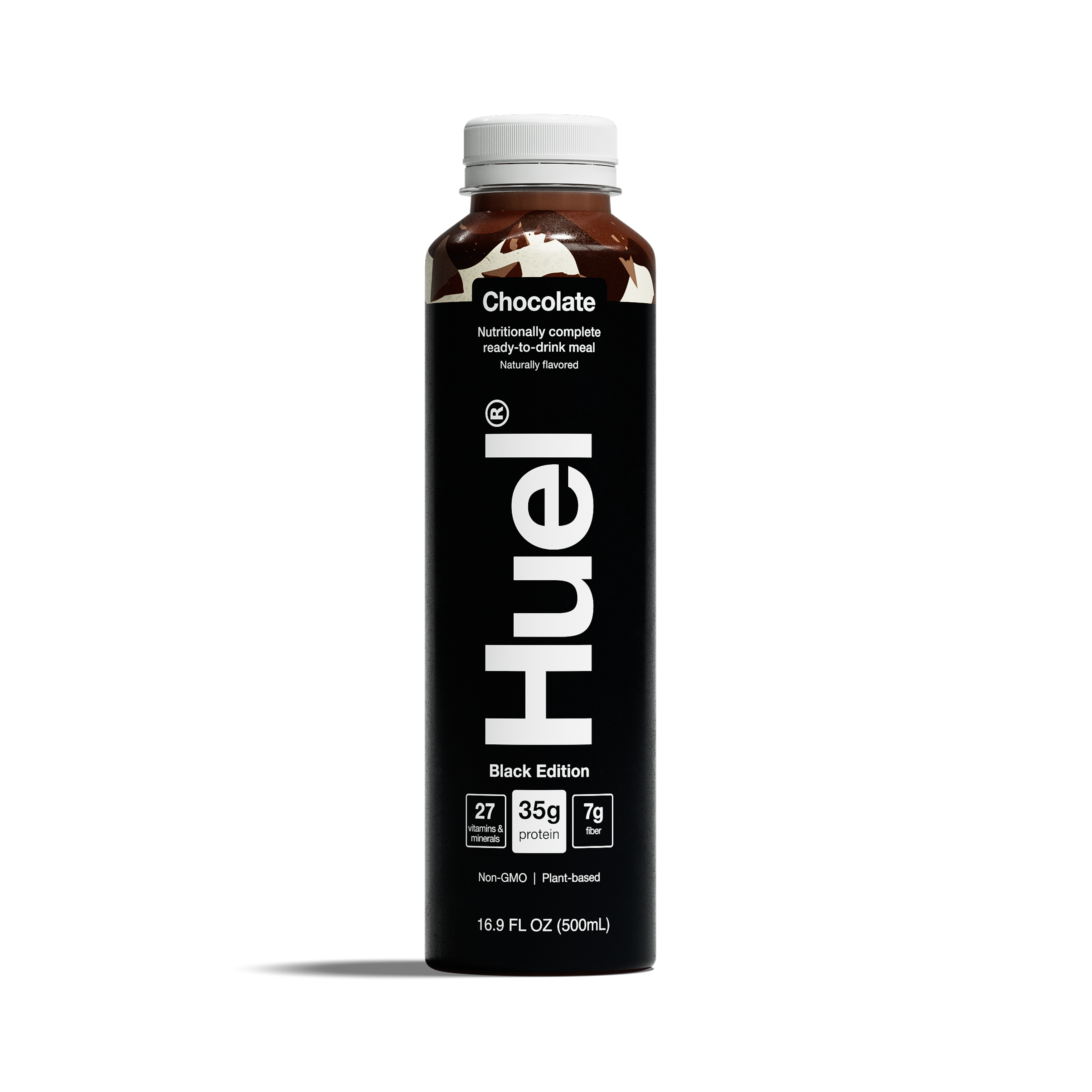

Black Edition Ready-to-drink
High-protein meal shakes
35g protein
400 cal per bottle

Protein tends to get framed as something you either care deeply about — or ignore entirely. However, whether you’re training regularly, eating a plant-based diet, or simply trying to stay full between meals, getting enough protein can make day-to-day eating feel noticeably easier.
The good news: increasing your protein intake doesn’t require extreme diets or overhauling everything you eat. With a few smart swaps and habits, most people can comfortably meet their needs without overthinking it. Here’s how.
Protein plays a role in almost every system in the body, but day to day, its biggest benefits are practical ones.
Meals higher in protein tend to keep you fuller for longer, which can help with appetite control and steady energy levels. Protein is also essential for maintaining muscle — something that becomes increasingly important as we age, or if we’re working out regularly.
For most adults, the baseline recommendation is around 0.8g of protein per kilogram of body weight per day. That’s a minimum, not necessarily an optimal target.
You may benefit from more protein if you are:
If you’re unsure, focusing on regular protein intake across meals is often more useful than fixating on an exact number.
Low protein intake can show up as:
People following restrictive diets or eating very little overall may be more at risk.

Spreading protein across the day helps with fullness, muscle repair, and hitting your overall target more easily.
Practical ways to do this:
Small substitutions can make a big difference.
Easy swaps:
Both animal and plant-based foods can contribute meaningfully — what matters is consistency.
Breakfast is where protein intake often slips, but it’s also one of the easiest places to fix it.
Ideas to try:
These are easy ways to increase protein without changing entire meals:
If time is tight:
Convenience doesn’t cancel out nutrition — consistency matters more.

Getting enough protein on a plant-based diet is completely achievable with some variety.
Collagen is found naturally in animal connective tissue, but your body also makes it when it has enough protein and key nutrients.
Foods that support collagen production include:
Collagen supplements exist, but evidence is mixed, and most people can support natural production through a balanced diet.
Protein powders or bars can be helpful if:
They’re not essential if you’re meeting needs through food — think of them as tools, not requirements.
Does increasing protein help with weight loss or muscle gain?
Higher-protein diets can help with fullness and muscle preservation during weight loss. For muscle gain, adequate protein plus resistance training is key.
Can you eat too much protein?
Intakes up to about 2g/kg per day appear safe for healthy adults. More isn’t necessarily better — focus on getting enough, not extremes.
Protein doesn’t need to be complicated. A few thoughtful choices can make a noticeable difference.