Modern life is busy. Full-on, calendar-packed, snack-at-your-desk busy. And when everything else demands attention, self-care is often the first thing to slide.
But what you eat, and how you eat, is one of the most practical, powerful forms of self-care you can practise every single day. Not in a restrictive, perfectionist way. In a grounded, realistic, kind way.
Self-care nutrition isn’t about cutting foods, counting macros, or chasing an ideal diet. It’s about fuelling your body and brain so you can think clearly, regulate your emotions, and feel more like yourself. Whether you’re just getting started or refining habits you already have, these science-backed nutrition tips are designed to support mental wellbeing, even on your busiest days.
TL;DR:
- Nutrition is a core pillar of self-care, fueling both mind and body.
- Balanced, regular eating helps stabilise mood, energy, and focus
- Small habits, like meal prep, mindful snacking, and flexibility, add up
- The best self-care nutrition routines are sustainable, non-restrictive, and personalised
Why Nutrition Is a Foundation of Self-Care
The science behind nutrition and emotional wellbeing
Your brain is an energy-hungry organ, using around 20% of your daily energy intake. To function well, both cognitively and emotionally, it relies on a steady supply of nutrients:
- Carbohydrates provide glucose, the brain’s primary fuel
- Protein supplies amino acids that form neurotransmitters like serotonin and dopamine, influencing mood and focus
- Healthy fats, particularly omega-3s, support brain cell structure and are consistently associated with improved mood and mental health
- Micronutrients such as magnesium, B vitamins, and zinc play key roles in energy production and stress regulation
When meals are skipped or nutrition is inconsistent, blood sugar levels can fluctuate. This often shows up as irritability, fatigue, poor concentration, or low mood. Over time, these patterns are associated with higher rates of anxiety and depressive symptoms.
Reframing eating as self-kindness
Self-care isn’t just bubble baths or screen-free evenings—it’s feeding yourself with intention. Every time you choose a balanced meal (or a comforting snack when you’re low), you’re practicing self-compassion. Nutrition for mental wellbeing means listening to your needs, not striving for perfection. Food should be approached as nourishment, not punishment or reward.
Self-Care Nutrition Tips That Make a Real Difference
No matter how busy your day, small acts of nutritional self-care add up. Try these evidence-based healthy eating habits for physical and mental vitality.
Begin your day with a nourishing breakfast
Breakfast can set the stage for your energy, focus, and mood.
Quick, balanced breakfast ideas:
- Overnight oats with nuts and berries
- Greek yogurt, granola, and sliced banana
- Wholegrain toast with nut butter and sliced apple
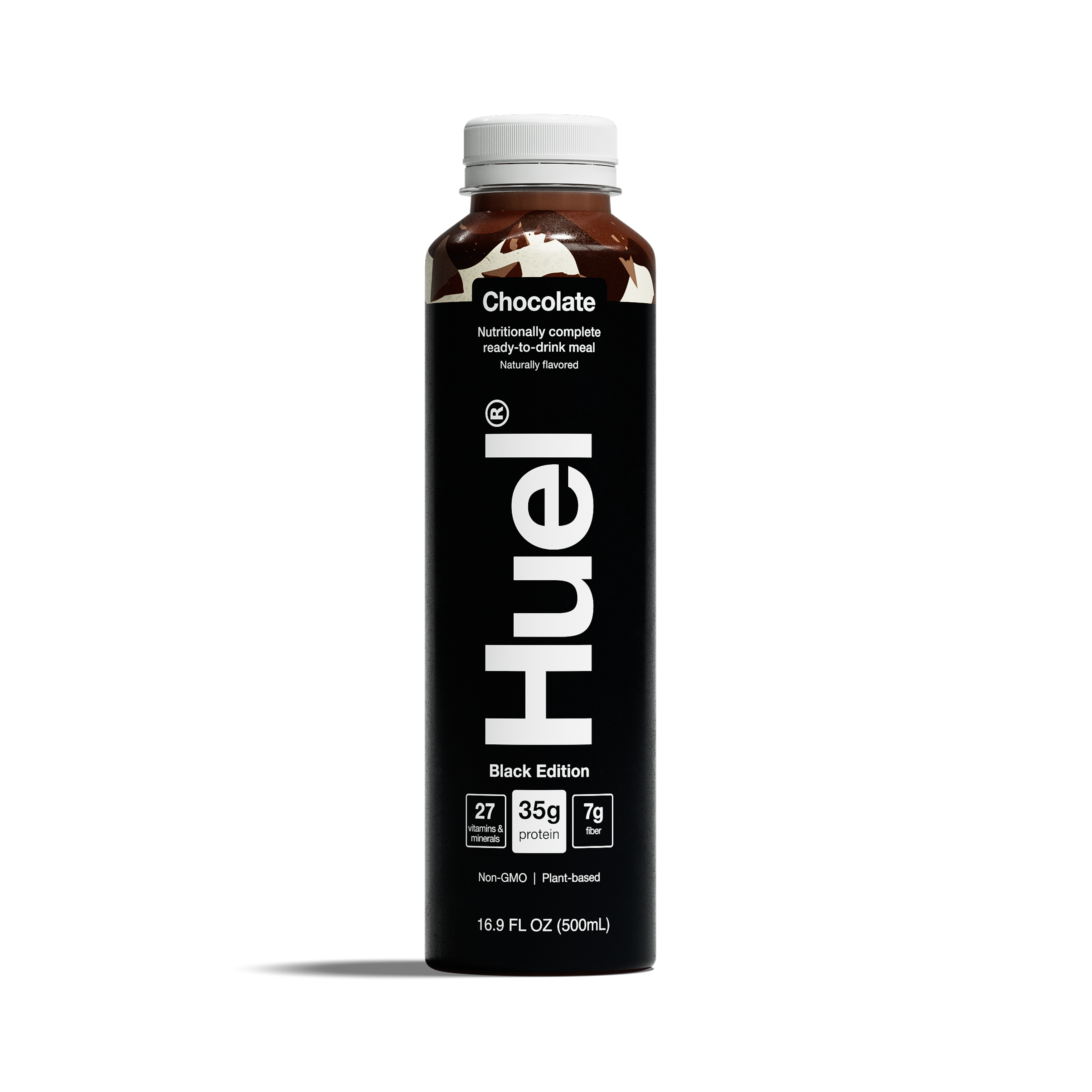
- Huel Ready-to-drink or a homemade smoothie with fruit and a protein source
Snack smart: combine protein and fiber
Healthy snacks can stabilize energy and curb irritability throughout the day. Pair protein and fiber to slow digestion and avoid the sugar crashes common with high-sugar snacks.
Examples:
- A handful of mixed nuts with a piece of fruit
- Hummus with carrot and cucumber sticks
- Sliced apple with cheese or nut butter
- Low-sugar yogurt topped with seeds and berries
Practice mindful eating
Mindful eating is about paying attention—without judgement—to your food and hunger cues. This approach helps you recognize fullness, enjoy eating more, and reduce emotional or distracted eating.
Tips:
- Take a few slow breaths before you eat, noticing hunger level
- Eat away from screens or work when possible
- Chew thoroughly and pause to check in with how satisfied you feel
Meal prep as an act of self-care
Meal prep isn’t just for fitness influencers. Planning and prepping meals is a powerful form of self-respect—reducing decision fatigue and stress after long days.
Easy ways to get started:
- Batch-cook grains, roasted vegetables, or proteins to mix and match
- Prep overnight oats or refrigerator salads for portable breakfasts/lunches
- Keep “no-cook” options like washed fruit, Huel Powder, or wholegrain wraps on hand
Embrace flexible, non-restrictive habits
Rigid food rules can undermine self-care—leading to guilt or rebound cravings. It’s normal and healthy to enjoy comfort foods, socialize around meals, and occasionally indulge.
- Notice cravings without judgement; respond with flexible options
- If you overeat or “slip up,” treat yourself with kindness and return to balanced habits at the next meal
Nutrition for Stress and Emotional Wellbeing
How balanced meals help manage stress
Stress can wreak havoc on both energy and emotions, spiking hormones like cortisol and adrenaline. Eating consistent, balanced meals steadies blood sugar and can moderate excess stress hormone production.
Key elements of a stress-supportive plate:
- Whole grains or other complex carbs for long-lasting energy
- Lean protein for neurotransmitter support
- Plenty of vegetables and healthy fats
Foods that support mental clarity and mood
Certain nutrients have a robust evidence base for supporting brain health and emotional regulation:
- Omega-3 fatty acids (oily fish, walnuts, flaxseed, chia seeds) are linked to improved mood
- B vitamins (whole grains, leafy greens, legumes) are crucial for energy metabolism and nervous system health
- Magnesium (nuts, seeds, beans, dark chocolate) helps calm the body’s stress response
- Complex carbohydrates (oats, quinoa, brown rice) help keep blood sugar—and mood—steady
Building Sustainable Self-Care Nutrition Routines
Daily and weekly checklists for nutritional self-care
Consistency is more powerful than perfection. Use simple checklists to make good habits automatic:
Daily self-care nutrition checklist:
- Eat three satisfying meals (with protein, fiber, healthy fats)
- Snack if hungry or energy dips (prioritize protein + fiber)
- Drink water regularly
- Eat at least 2-3 servings of fruits/vegetables
- Take 5 minutes for a mindful meal/snack
Weekly add-ons:
- Prep at least 2-3 meals ahead of time
- Try one new recipe or swap in a new vegetable/protein
- Reflect: which habits made you feel best this week?
Personalize these to your own needs and schedule.
Troubleshooting common barriers
Even with the best intentions, obstacles come up. Here’s how to navigate common sticking points:
- No time: Try “assembly” meals (e.g., wraps, salads, or grain bowls with pre-prepped ingredients); keep healthy snacks visible and ready.
- Low motivation: Meal prep with a friend, or use convenient, nutritious products like Huel as a base.
- Budget constraints: Focus on budget-friendly staples (beans, frozen veg, oats, eggs); plan simple meals in advance to avoid costly last-minute options.
If your relationship with food or mood feels overwhelming—persistent low energy, anxiety, disordered eating, or ongoing low mood—consider connecting with a registered dietitian or mental health professional. Early support is a powerful form of self-care.
Key takeaways
- Nutrition is essential for both mind and body—the brain alone uses about 20% of your calorie intake daily.
- Balanced, mindful eating supports mood, focus, and resilience to stress.
- Meal prep and flexible habits make nutritional self-care realistic for busy people.
- Start with small changes: nourish yourself regularly and with self-compassion.
Discover Huel products
Find your favorite Huel products