🔥 Bestseller
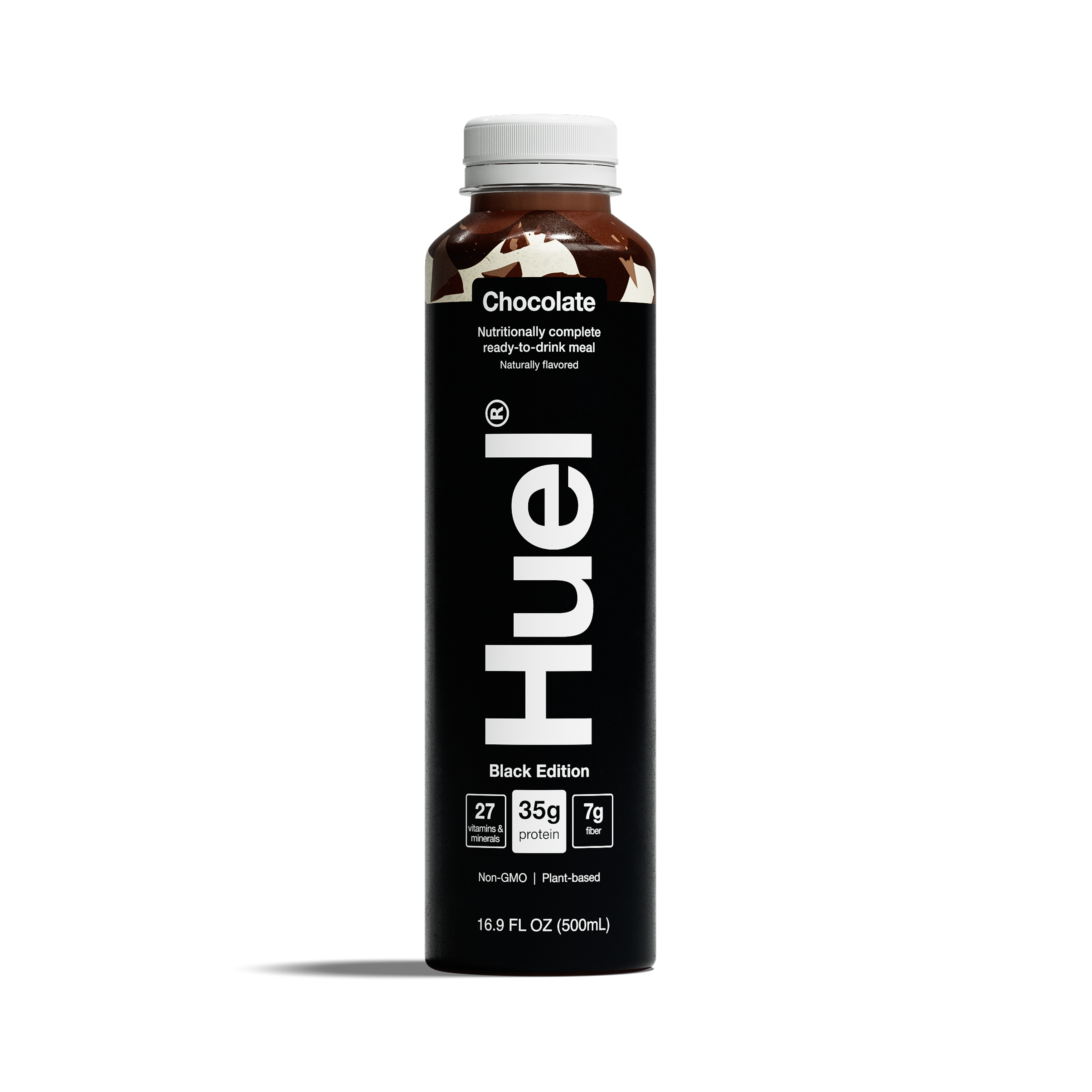

Black Edition Ready-to-drink
High-protein meal shakes
35g protein
400 cal per bottle

Eating out is part of modern life. From quick lunches and work meetings to social dinners and travel, restaurant meals are often unavoidable. But eating out doesn’t have to derail your nutrition goals.
With a few practical strategies, you can make healthier restaurant choices, manage portions, and still enjoy the experience. Healthy eating when dining out isn’t about strict rules or skipping the fun. It’s about planning ahead, understanding menus, and finding balance.
Whether your goal is weight loss, weight gain, or maintaining a healthy lifestyle, these tips can help you eat out confidently while staying on track.
Eating outside the home is now a regular part of daily life. According to USDA data, more than 40% of the average household food budget is spent on meals away from home.
Restaurants offer convenience, variety, and social connection—but they can also make healthy eating more challenging.
Several lifestyle factors contribute to frequent restaurant dining:
Convenience
Busy work schedules and long days leave less time for cooking.
Social occasions
Restaurants are common meeting places for dates, celebrations, and business meals.
Travel and commuting
Airports, hotels, and unfamiliar locations often mean relying on restaurants.
Food delivery culture
Apps and takeaway services make restaurant meals easier to access than ever.
However, research published in BMC Nutrition shows that restaurant meals can contain more than twice the calories of typical home-cooked meals, largely due to portion sizes and cooking methods.
Eating out regularly can introduce a few common obstacles:
Studies from the NIH show that frequent restaurant dining is associated with higher intake of calories, saturated fat, and sodium. Fortunately, simple strategies can help offset these challenges.
Healthy restaurant choices often start before you arrive at the table. A little preparation can prevent impulsive decisions.
Many restaurants post menus and nutrition information online. Take a moment to scan them beforehand.
Look for dishes that are:
Choosing your meal in advance can make it easier to stick with healthier options once you’re there.
Showing up at a restaurant overly hungry can lead to overeating or impulsive menu choices.
Instead:
A small snack helps stabilize appetite so you can make more balanced decisions.
Restaurant menus often contain subtle clues about how a dish is prepared. Learning to decode them can help you identify healthier options.
Certain words usually indicate lighter cooking techniques.
Better options
Often higher in calories
If you’re unsure, ask your server how a dish is prepared or whether modifications are possible.
A helpful guideline for eating out healthily is the MyPlate approach:
This structure supports steady energy, balanced nutrition, and satiety.
Sauces and dressings can add significant calories without being obvious.
Simple strategies include:
These small changes can significantly reduce overall calorie intake.
Restaurant portion sizes are often much larger than standard home servings. Learning to manage portions can help prevent overeating.
Try these practical approaches:
These tactics allow you to enjoy restaurant meals while maintaining balance.
Eating slowly and paying attention to hunger signals can naturally reduce calorie intake.
Research published in Appetite suggests mindful eating practices may reduce meal calorie intake by 10–15%.
Helpful habits include:
Eating out is as much about connection as food.

Small substitutions can make restaurant dishes significantly healthier without sacrificing flavor.
Examples include:
These swaps support better nutrition while keeping meals satisfying.
Drinks can contribute significant calories without providing fullness.
Better choices include:
If you drink alcohol, consider alternating alcoholic drinks with water and avoiding sugary mixers.
Restaurants are increasingly used to accommodating dietary preferences.
Don’t hesitate to request small adjustments.
Examples include:
Most kitchens are happy to help when requests are clear and polite.
Every cuisine offers both lighter and richer dishes. Knowing what to look for can help you make healthier choices.
Choose tomato-based sauces, grilled seafood, or vegetable-heavy dishes. Limit creamy sauces and heavy cheese.
Look for steamed dishes, stir-fries with vegetables, and sauces on the side. Brown rice can be a better choice when available.
Fajitas, beans, salsa, and grilled proteins are good options. Limit fried tortillas, sour cream, and excess cheese.
Choose grilled sandwiches, salads, or bowls. Opt for fruit or salad sides and watch portion sizes.
With a little awareness, nearly any cuisine can fit into a balanced diet.
Healthy eating isn’t about perfection—it’s about consistency over time.
Occasional indulgences can comfortably fit into a healthy lifestyle when most meals support balanced nutrition.
Long-term health comes from patterns, not single meals.