🔥 Bestseller
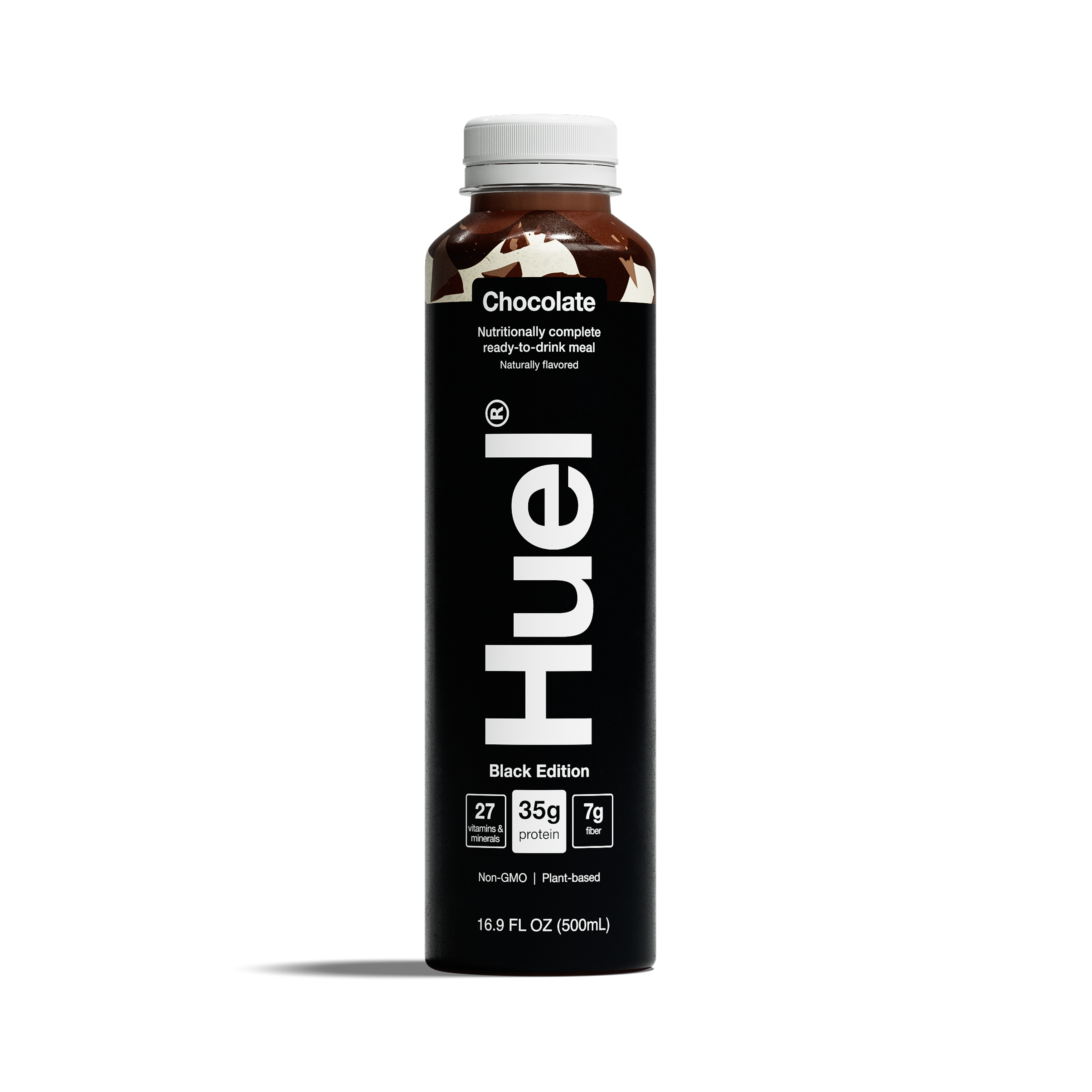

Black Edition Ready-to-drink
High-protein meal shakes
35g protein
400 cal per bottle

There are two kinds of people during a big game weekend: those who’ve been counting down all season, and those who swear they don’t care, right up until they’re yelling at the TV.
The shift happens fast, and it’s not accidental. Sports are uniquely good at capturing the brain’s attention, creating emotional stakes out of uncertainty, and turning strangers into temporary teammates. Especially when snacks are involved.
Even if you’re not a die-hard fan, there’s something about a big game that pulls people in. The snacks appear. Group chats wake up. Suddenly, you care about a team you haven’t followed all season.
That reaction isn’t random. Watching sports, especially with other people, taps directly into how the brain processes anticipation, connection, and belonging.
Live sports are built around suspense. Close scores. Momentum shifts. Decisions that feel huge in the moment.
That uncertainty activates dopamine, a neurotransmitter linked to motivation, attention, and pleasure. Unlike the instant hit you get from scrolling or clicking, sports deliver dopamine gradually. Your brain stays engaged because it doesn’t know what’s coming next.
This is why games can feel oddly absorbing, even to people who claim they “don’t really care.” Your brain is locked into the possibility of what might happen.
There’s a meaningful difference between watching a game alone and watching it with other people.
Shared emotional moments, like cheering at the same play or collectively groaning at a bad call, stimulate oxytocin. That’s the hormone associated with trust, bonding, and social connection. Research suggests that synchronized reactions can strengthen feelings of closeness, even among people who don’t know each other well.
It’s part of why watch parties feel different from watching highlights on your phone. You’re not just consuming content. You’re participating in a shared emotional event.
From a mental health perspective, that matters. Social connection is consistently linked to better mood regulation, lower perceived stress, and long-term brain health.
Humans are wired for groups. When you identify with a team, your brain engages in what psychologists call social identity processing. Wins feel like yours. Losses sting more than they probably should.
That sense of belonging can actually be beneficial. Feeling part of something bigger, even temporarily, supports psychological well-being and can create a sense of meaning that goes beyond the game itself.
The caveat, as always, is balance. Passion is fun. Perspective keeps it healthy.

Big games raise heart rates and increase cortisol, the hormone associated with stress. But unlike chronic stress, this spike is short-lived and usually resolves once the game ends.
For many people, that emotional arc can be regulating. There’s excitement, disappointment, relief, and joy, all contained within a defined window. Some research suggests that engaging with emotionally rich but low-risk experiences can improve emotional flexibility, which is your brain’s ability to move between states without getting stuck.
In other words, feeling something intensely for a few hours isn’t necessarily a bad thing. It can actually help reset your emotional baseline.
Your brain doesn’t exist in isolation. What you eat, drink, and how you recover afterward all influence how you feel during and after a big event.
Heavy, low-nutrient foods and excess alcohol can leave you foggy and drained the next day. Balanced meals with protein, fiber, and essential micronutrients help support steady energy and cognitive function, whether you’re hosting, watching, or just there for the commercials.
It’s not about being perfect. It’s about giving your brain what it needs to enjoy the moment and bounce back after.
You don’t have to play sports to benefit from them.
Watching games, especially with other people, engages your brain’s reward system, strengthens social bonds, and offers a rare moment of shared focus in an otherwise distracted world.
So if you’re gathering with friends this weekend, yelling at the TV, or quietly rooting from the couch, know this: your brain is doing exactly what it evolved to do. Anticipate. Connect. Feel something together.
That’s kind of the point.
Edited by The Digest team