
Why I Started Running at 50
Discover the inspiring journey of starting to run at 50, the challenges faced, and the transformative impact on health and lifestyle.

January isn't the only fresh start on the calendar. It is just the loudest one. September is the reset hiding in late summer, and it comes with a lot less pressure.
New year, new you. Motivation spikes, gyms fill up, and January earns its reputation as the moment to start again. But it's not the only one. September carries the same fresh-start pull, minus the countdown, with a routine already built in.
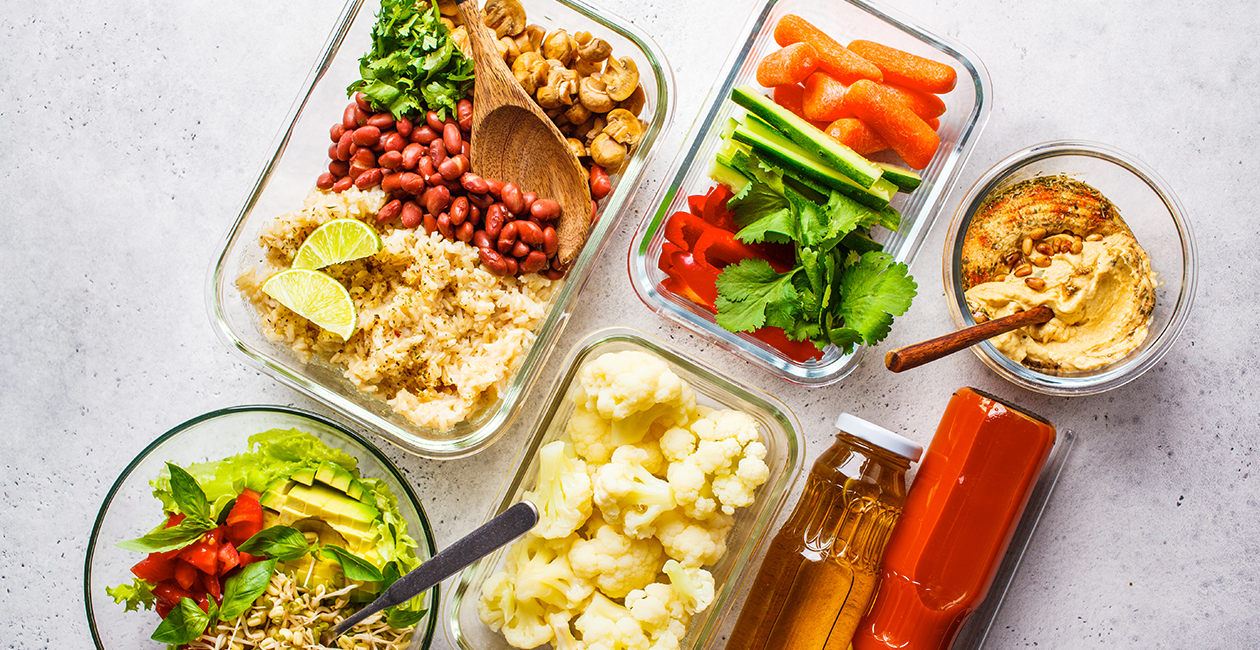
Don’t get me wrong, January is the reset marker that has stood the test of time. It’s a shared start line, and I can see the appeal in doing something alongside everyone else. Whether that’s a competitive streak with a friend doing Dry January, or comparing exciting new meal-prep ideas with coworkers. But for all that collective energy, January still tries to work against you: darker mornings, colder commutes and a paycheck that already feels spent from December.
September's fresh start has the support of routine coming in alongside it: earlier alarms, the school drop-off, lunch prep, and a calendar that has things written in it again. This doesn’t necessarily have anything to do with your goal directly, but it rebuilds the exact kind of routine a new habit needs to attach itself to.
This isn’t just a September thing. Researchers refer to it as the "fresh start effect": we’re more likely to commit to a new habit right after a marker that feels like a clean page: a birthday, a Monday, the start of a new month. Thanks to the ‘good old days’ when we had long school holidays, September has always been one of the biggest temporal markers going, which may be why it still feels like a reset even for people who long since left school.
Starting a new habit is easier said than done. Psychologists report that habits form by repeating a behaviour in the same setting enough times that the setting itself starts prompting the behaviour.
A popular version of this idea comes from James Clear, the author of Atomic Habits, which breaks down habit formation into four steps: cue, a craving, a response and a reward. Something prompts you, you want the pay-off enough to act, you do the thing, and the reward is what makes your brain want to repeat it.
Either way, the sequence needs to be completed, in order. No cue, and there's nothing to remind you. No reward, and there's no reason to come back. This is why habits built on pure willpower are fragile. Willpower has to supply the cue itself, every single day, with nothing external doing the reminding.
The goals that survive past week two are rarely the dramatic ones. They're the small, repeatable ones: same time, same place, same simple action.
A few handy tips to make September's routine do more of the lifting:
Routine helps take the decision away. If the gym bag is packed the night before, going is already half done. If breakfast is already taken care of, you're not negotiating with yourself about it every morning.
That's the easiest place to give September a head start. A Huel Ready-to-drink in the fridge means breakfast is already decided before your alarm goes off, one less thing to think about on mornings that already have plenty going on.
January gives your goals company and a countdown. September gives you a routine that was already rebuilding itself anyway, and it does it without the noise: no countdown, no resolution list, and no pressure to completely reinvent yourself.
So if a goal has been sitting on your mind, there’s no need to wait for January to get started. The routine’s already here, so you might as well use it to your advantage and get started now.
Words by Kate Barrett, BSc Food Science and Nutrition, Huel Nutrition Team






Get 15% off your first order, plus insider access to expert tips, exclusive discounts, and the latest from Huel.