🔥 Bestseller
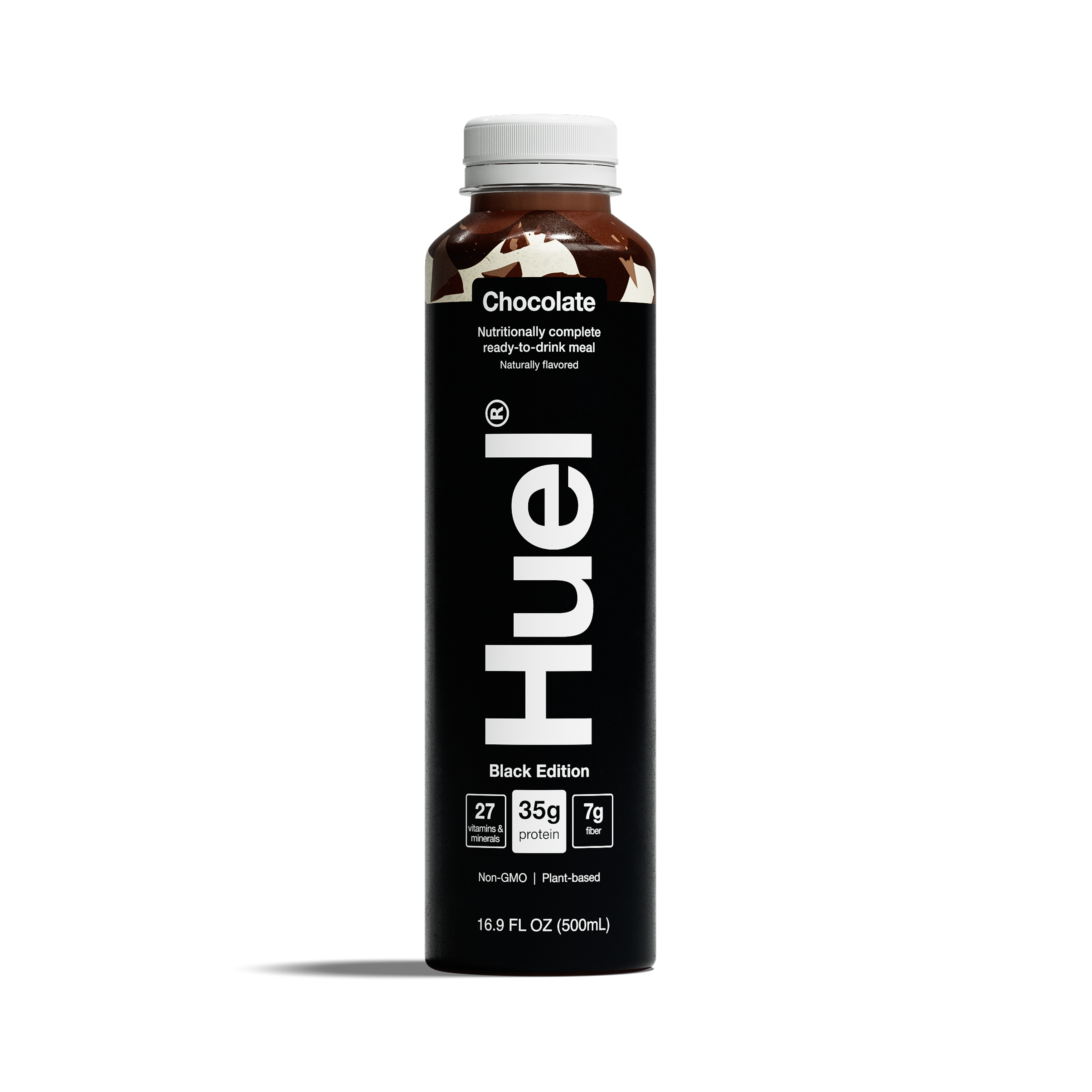

Black Edition Ready-to-drink
High-protein meal shakes
35g protein
400 cal per bottle

If you’ve ever stood in your kitchen holding a blender bottle in one hand and a bag of spinach in the other, you’ve probably wondered:
Is a meal replacement as good as real food?
Or should whole foods always win?
The conversation around whole foods vs meal replacements isn’t new. But it’s increasingly relevant. Busy schedules, weight management goals, clinical nutrition needs, and on-the-go lifestyles have made shakes and bars more common than ever.
The truth? This isn’t a battle. It’s a question of context.
Let’s break down how whole foods and meal replacements compare — nutritionally, practically, and long term — so you can decide what makes sense for your life.
Whole foods are foods that are unprocessed or minimally processed — close to their natural state.
Think:
They form the backbone of most global dietary guidelines for a reason. Whole foods naturally deliver:
They’re consistently associated with reduced chronic disease risk, improved digestive health, and long-term wellbeing.
Whole foods aren’t trendy. They’re foundational.
Meal replacements are formulated products — shakes, powders, bars, or ready-to-drink beverages — designed to replace one or more daily meals.
They’re typically used for:
Modern meal replacements are often fortified with vitamins and minerals to approximate nutritional completeness. Many include added fiber and balanced macronutrients.
But they’re also processed by design. Shelf stability, consistency, and portability require specific ingredients — including stabilizers, emulsifiers, and sweeteners.
That doesn’t make them inherently “bad.” It just makes them different.
This is usually where the debate heats up.
Whole foods provide protein, carbs, and fats in naturally occurring structures. They also deliver micronutrients in complex food matrices that can enhance absorption.
For example:
Meal replacements are engineered to deliver specific macro ratios — often higher in protein and controlled in calories. They’re typically fortified to meet recommended vitamin and mineral levels.
However, nutrient bioavailability — how well your body absorbs those nutrients — can differ between naturally occurring sources and added isolates.
This is where whole foods consistently lead.
Unprocessed foods — vegetables, whole grains, legumes, fruit — naturally contain dietary fiber that supports:
Meal replacements often contain added fiber (such as inulin or oats), but they rarely replicate the diversity or structural complexity of fiber found in whole meals.
And structure matters. Chewing, food volume, and texture all contribute to satiety.
Solid meals generally outperform liquid meals for long-lasting fullness. High-protein shakes can suppress appetite in the short term, but they may not match the staying power of fiber-rich whole foods.
Whole foods tend to produce steadier blood glucose responses because natural sugars are paired with fiber and phytonutrients.
Meal replacements vary widely.
Some rely on refined carbohydrates or ingredients like maltodextrin, which may elevate blood glucose more rapidly. Others are formulated with balanced macros and minimal added sugar to moderate glycemic response.
Not all shakes are equal. Ingredient lists matter.
Whole foods don’t need preservatives.
Meal replacements often include:
Consumers who prefer minimal processing may favour whole foods. Some “whole blend” meal replacements attempt to bridge this gap by incorporating more recognisable ingredients, but they’re still processed products.
Transparency becomes key.

Whole foods typically promote greater fullness due to fiber content, volume, and chewing.
Meal replacements can support calorie control in structured weight-loss programs, especially when high in protein and fiber. They remove guesswork and portion uncertainty.
But for long-term appetite regulation, whole food structure still has advantages.
Whole foods support gut microbiome diversity through varied fiber types and plant compounds.
A diet heavily reliant on meal replacements may reduce that diversity and fiber complexity, potentially leading to changes in stool patterns or mild digestive adaptation symptoms during transition.
For healthy adults, a varied whole food intake generally offers more robust gut support.
Dietary patterns rich in whole foods are consistently associated with lower risk of heart disease, type 2 diabetes, and some cancers. Phytonutrients, antioxidants, fiber, and lower glycemic load all contribute.
Meal replacements are effective tools in specific contexts — including medically supervised weight management — but long-term replacement of most meals with shakes or bars is not generally recommended outside clinical settings.
A tool is not a lifestyle.
This is where meal replacements shine.
Meal replacements are portable, shelf-stable, and ready in seconds. They suit:
Whole foods require planning, refrigeration, preparation time, and access.
Different constraints, different solutions.
Whole foods can be economical when cooked at home, though cost varies by region, season, and dietary preference.
Meal replacements range widely in price — from supermarket options to specialist clinical formulas. Per-meal costs are often comparable to or below takeaway prices.
Shelf life is another consideration. Shakes and powders can last months unopened. Fresh produce does not.
Meal replacements may contain common allergens such as dairy, soy, nuts, or gluten — although many brands now offer allergen-friendly versions.
Whole foods make allergens more obvious but still require vigilance around cross-contamination.
Label literacy matters either way.
prioritize whole foods when you want:
For most healthy adults, whole foods should form the foundation of daily eating.
Meal replacements can be useful for:
They’re particularly effective when used intentionally — not by default.
For most people, the smartest strategy isn’t whole foods or meal replacements.
It’s balance.
Long-term replacement of every meal with shakes or bars isn’t generally recommended outside clinical use. But replacing one meal during high-pressure seasons? That’s realistic.
Nutrition doesn’t need to be ideological.
It needs to work.
Whole foods remain unmatched for fiber diversity, phytonutrients, and long-term health support.
Meal replacements offer controlled, portable nutrition when real life gets in the way.
One isn’t superior in every scenario. The difference lies in how — and how often — you use them.
Build your foundation with whole foods.
Leverage meal replacements strategically.
prioritize quality, variety, and what fits your actual life.
That’s not a compromise.
It’s a system.