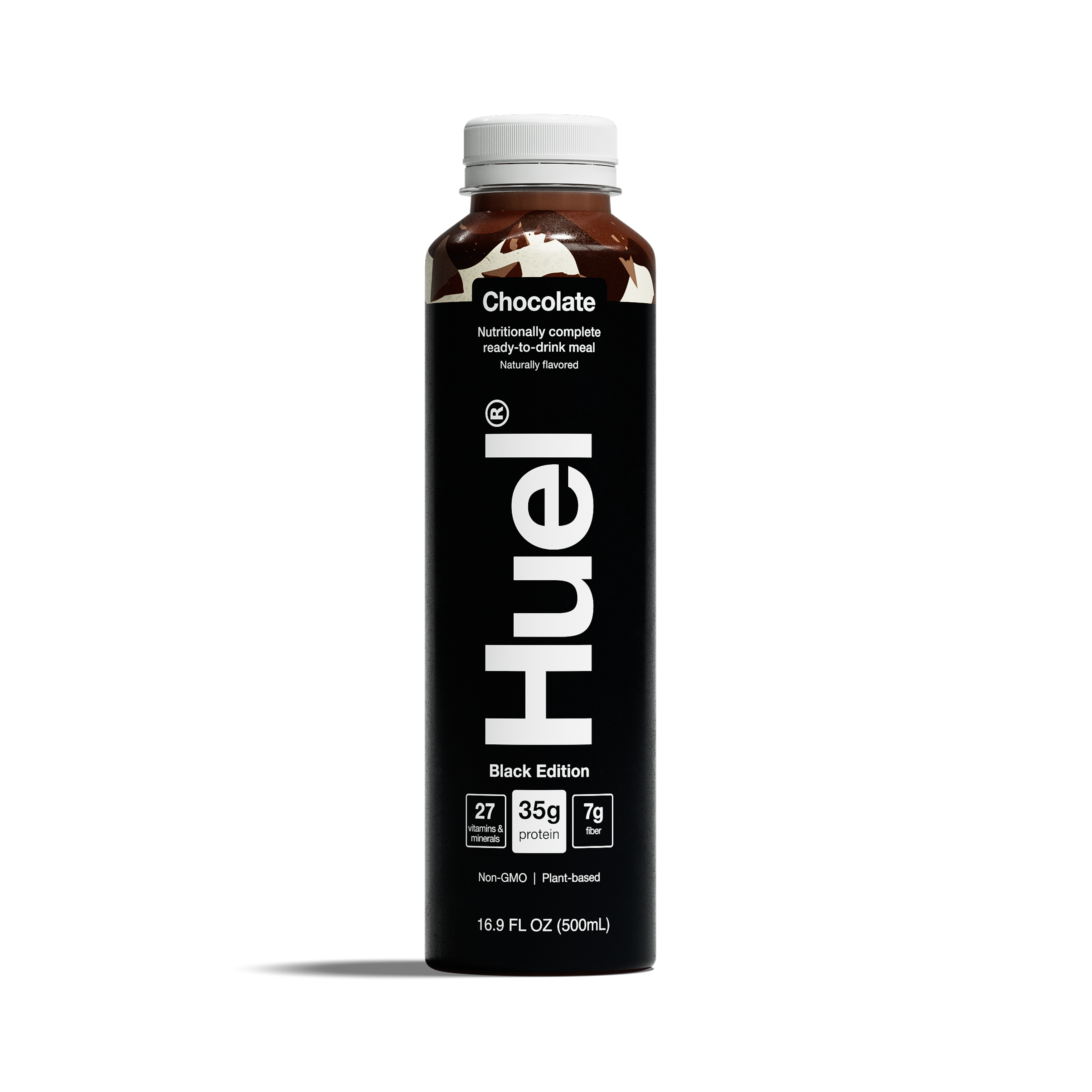

Black Edition Ready-to-drink
High-protein meal shakes
35g protein
400 cal per bottle

There are no secrets in ‘good’ nutrition. But there are shortcuts, and most of them live in your kitchen.
After years working in food and nutrition, I've stopped overthinking what I keep stocked. The foods below aren't trendy. Some of them aren’t glamorous. But they all earn their place, and together they make it easier to build balanced, nourishing meals.
Here's what I always have in my kitchen, and why.
This one surprises people. But frozen bread is one of the most practical things you can keep in your kitchen. Any bread works well, but I tend to choose whole-wheat bread as an easy way to include more fiber in my diet.
The obvious benefit is reducing waste. Bread can go stale quickly, and freezing it helps reduce waste. Freezing it solves that. Freezing and cooling some carbohydrate-rich foods may alter their starch structure and increase the amount of resistant starch. Resistant starch is studied for how it is digested differently from other carbohydrates, and some research suggests it may slow down the body’s glucose response compared to the same bread eaten fresh.
Straight from the freezer to the toaster. Ready in minutes.
Nutritious food does not have to be bland food. This is a non-negotiable in my kitchen.
Dried herbs and spices add flavor without adding significant salt, sugar, or calories. But the more interesting reason to keep a well-stocked spice rack is what it could do for your gut. Research suggests that eating a diverse range of plant foods can support a more diverse gut microbiome, and herbs and spices can contribute to that variety.
3. Canned beans & lentils
Chickpeas, lentils, kidney beans, and black beans are all useful options. Canned beans and lentils are among the most nutritious and convenient foods you can add to a meal.
They're high in protein, high in fiber, and packed with micronutrients, all while being low in saturated fat and affordable. They require no preparation beyond opening the can and rinsing. Add them to soups, stews, salads, or eat them cold. They can add substance, texture, and nutrients to a wide range of dishes.
If you're trying to eat more protein and fiber without relying heavily on meat, canned beans are one of the most straightforward ways to do it.
Related: How protein keeps you full
Whole grains are worth eating regularly. They can provide fiber, B vitamins, and other important nutrients. The problem is that most of them take 25 to 45 minutes to cook from scratch.
Microwavable grains solve that. Pre-cooked and ready to heat in two minutes, they make it easy to have brown rice, quinoa, freekeh, or mixed grains as a side to any meal without planning ahead. I always have a few varieties on hand.
Related: The importance of a high-fiber diet
Greek yogurt is one of the most versatile high-protein foods you can keep in the fridge.
Depending on the product, about ¾ cup can provide a substantial amount of protein, which makes it genuinely useful for hitting daily protein targets across the day. It works as a breakfast base with fruit and granola, as a topping for tacos, grain bowls, or spicy dishes, or as the base for dips. My favorite low-effort use: mix Greek yogurt with self-rising flour for a two-ingredient flatbread that requires no yeast and no waiting.
If you're dairy-free, soy-based or other plant-based alternatives with added protein and calcium work well in most of the same ways.
Small seeds, but worth keeping. Flaxseed is a rich plant-based source of omega-3 fatty acids (specifically ALA, alpha-linolenic acid), an essential fatty acid that must be obtained from the diet. Flaxseed is also high in fiber, so adding a tablespoon to your breakfast, smoothies, or salads is an easy way to boost your daily intake.
Grinding flaxseed makes its nutrients more accessible than leaving the seeds whole. A tablespoon sprinkled over oatmeal, yogurt, or a smoothie is all it takes.
An affordable, easy, and endlessly customizable breakfast. Oats deserve their reputation.
Oats contain a type of soluble fiber called beta-glucan, which forms a gel-like substance in the digestive tract.
As for toppings: whatever you have. Banana, berries, nuts, seeds, a spoonful of nut butter. The basic recipe is simple, and the topping options are endless.
Nut butters provide mostly unsaturated fats, fiber, protein, and a range of micronutrients including vitamin E and magnesium. Nut butters also have the practical advantage of being usable in both sweet and savory dishes, and they keep well.
One thing worth noting when buying: compare labels and look for options made primarily from nuts with little or no added sugar.
Crunchy or smooth is a personal choice (crunchy is the correct answer, but this is not a debate I will win).
Long shelf life and easy to prepare, frozen vegetables are a convenient option to keep on hand.
Frozen vegetables provide a simple way to increase your vegetable and fiber intake, which research shows is something many people fall short of in their daily diet. My favorite ways to use frozen vegetables include stirring them into sauces or adding them into a stir-fry. It’s an easy, low-effort way to make a meal more substantial and add variety.
The most convenient complete meal option I know of, and the reason it earns a place on this list is exactly that: completeness.
On a busy day, when cooking isn't happening, and fast food feels like the most realistic option, Huel is a practical alternative. It's nutritionally complete, meaning it contains the protein, carbohydrates, fats, fiber, and 27 essential vitamins and minerals your body needs as part of a balanced diet. One convenient meal, with no cooking required.
Putting it together
None of these foods require a specific way of eating. They're just reliable, genuinely useful things to have in stock. Between frozen bread and canned beans, dried spices and a bag of oats, you can put together a nourishing meal most days without planning too far ahead.
In practice, that’s often what balanced nutrition looks like.
Words by Katherine Barrett, BSc Food Science and Nutrition, Huel nutrition team
High-protein meal shakes
35g protein
400 cal per bottle
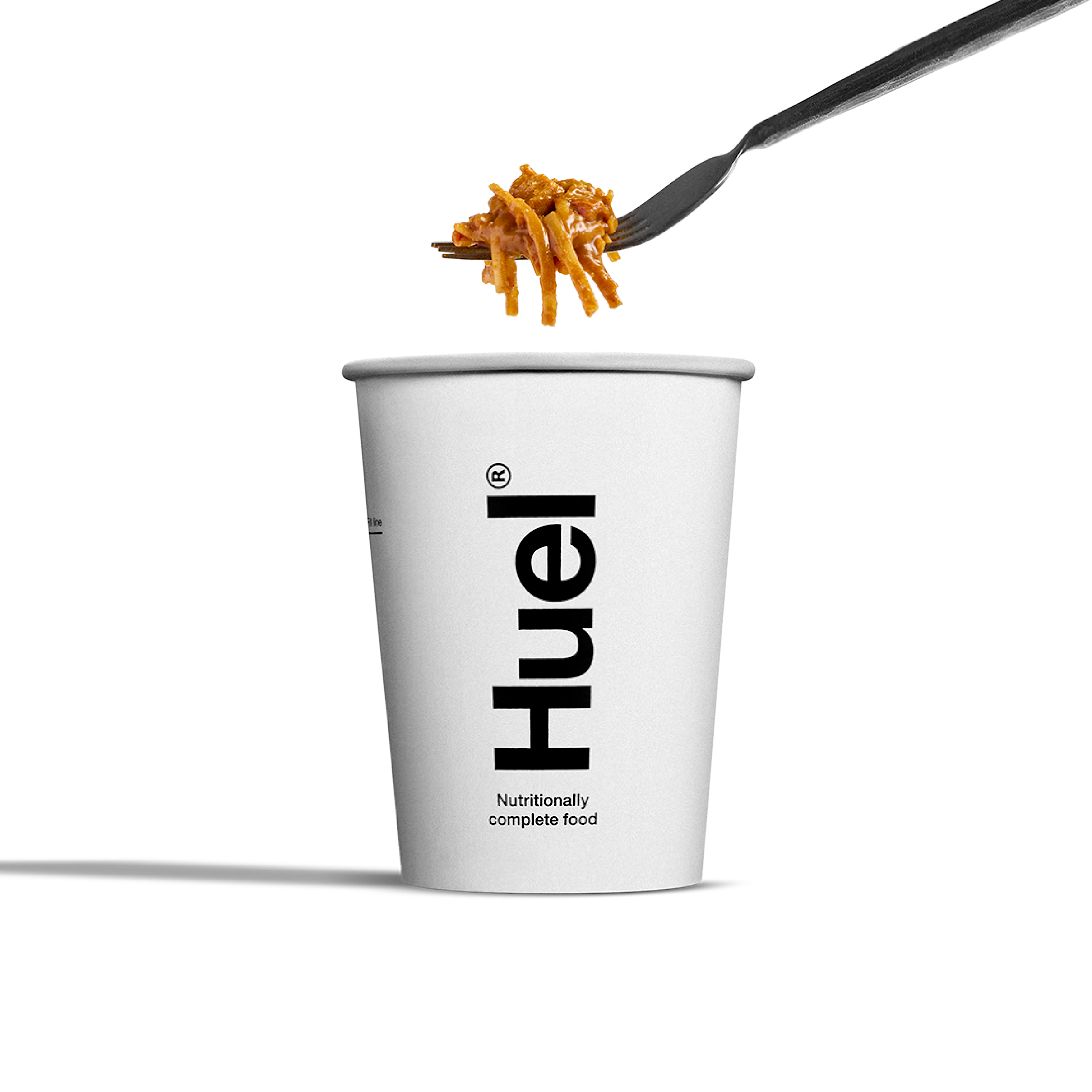

On-the-go instant meals
Up to 25g protein
400 cal per meal


Complete protein bar
Up to 15g protein
Up to 210 cal per bar
✨ New flavors
.png?auto=format&compress&w=3500)

Sparkling supergreens drink
42 vitamins, minerals & nutrients
35 cal per can


