🔥 Bestseller
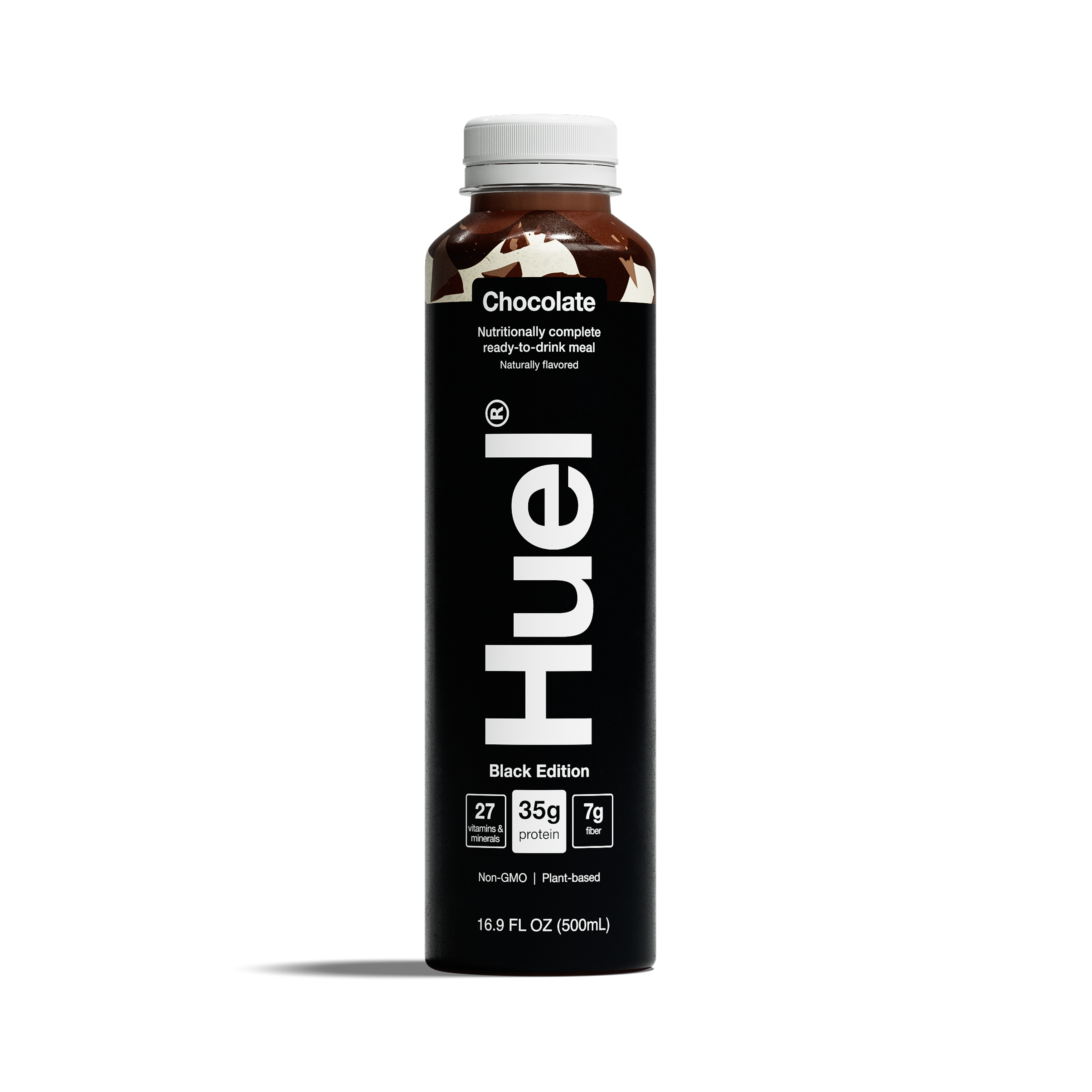

Black Edition Ready-to-drink
High-protein meal shakes
35g protein
400 cal per bottle

Food prices aren't getting lower. But most people are spending more than they need to — not because they're being reckless, but because grocery stores are designed to make that easy.
A few consistent habits change that. Here's what actually works.
The short version
The most expensive grocery trips are unplanned ones. Without a list, you're navigating a space specifically engineered to generate impulse purchases.
Ten to fifteen minutes of meal planning before you shop pays back several times over. Sketch out your main meals for the week, check what you already have, and build your list from what's actually missing. Include one night for leftovers or odds and ends — this alone meaningfully reduces waste.
A weekly budget helps too. Know your number before you go, not after you've already checked out.
Check unit prices, not pack sizes
The larger pack isn't always better value. Compare price per 100g or per kg rather than headline price — the difference is sometimes significant, particularly with branded versus own-brand products. Own-brand alternatives are often manufactured by the same suppliers and are nutritionally identical.
Shop once or twice a week, not daily
Frequent top-up trips are one of the most reliable ways to overspend. Every additional visit is another opportunity for unplanned purchases. One or two planned shops per week is enough for most households.
Don't shop hungry
This one is well-documented. Hunger skews decision-making towards convenience foods and snacks you wouldn't otherwise buy. Eat first.
Be sceptical of promotions
Multi-buy deals only save money if you actually use everything before it goes off. If the unit price isn't meaningfully lower, or if you're buying more than you need, it's not a saving — it's just spending more.
Off-peak shopping
Early mornings and late evenings tend to mean quieter aisles and better access to reduced sections. Worth knowing if your schedule allows it.
There's a persistent assumption that fresh is always better. The evidence doesn't support it.
Frozen vegetables are typically frozen at peak freshness, which means they often retain more nutrients than fresh produce that's been in transit and storage for several days. Frozen veg keeps for up to eight months. Tinned pulses, tomatoes, and fish are shelf-stable, cheap, and nutritionally solid.
Building meals around these alongside fresh staples — rather than treating them as a lesser option — cuts costs without cutting nutritional quality.

Food waste is where a lot of grocery money quietly disappears. Around 9.5 million tonnes of food is wasted every year in the UK alone (WRAP), most of it avoidable.
A few habits that make a real difference:
First in, first out. Move newer items to the back when you unpack. Older ones get used first. Simple, but effective.
Keep a loose inventory. A note on your phone or fridge of what you have prevents duplicate purchases and prompts you to use things before they go off.
Batch cook and freeze. Cooking extra portions and freezing them reduces both waste and the temptation to order in on a busy night. Most cooked grains, soups, and proteins freeze well.
Designate a leftover night. One dinner a week built around finishing what's already in the fridge. Stir-fries, frittatas, soups, and wraps all work well for this.
Single-person households tend to struggle more with waste — pack sizes are designed for families, and fresh produce goes off before you can get through it.
A few adjustments help: buy versatile ingredients that span multiple meals (eggs, frozen mixed veg, tinned chickpeas), opt for frozen where you'd otherwise leave fresh to spoil, and plan two meals from the same base ingredient rather than buying separate components for everything.
If you have flatmates, splitting bulk buys on staples — rice, pasta, oils, tinned goods — makes the economics work without the waste.
The calculus shifts towards volume and planning. Batch cooking and freezing family-sized portions is the single most effective way to avoid expensive mid-week decisions when time is short. Home-prepared snacks — fruit, boiled eggs, popcorn, vegetable sticks — cost a fraction of packaged equivalents and tend to be significantly lower in sugar and additives.
Grocery store loyalty schemes and cashback apps add up over time without requiring much effort. Apps like Too Good To Go and Olio can also surface cheap or free near-expiry food if you're flexible about what you cook.
Edited by The Digest team