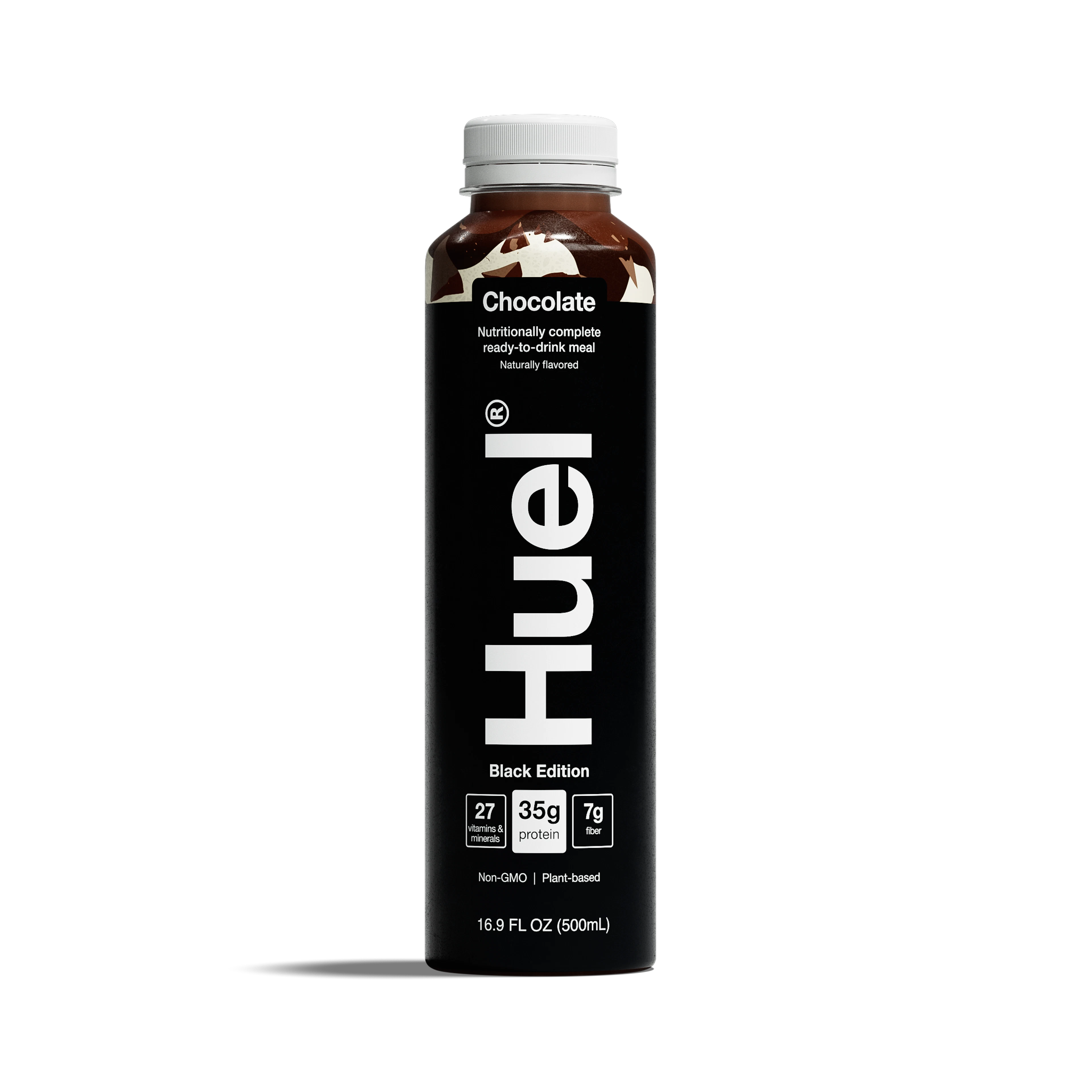
Black Edition Ready-to-drink
High-protein meal shakes
35g protein
400 cal per bottle
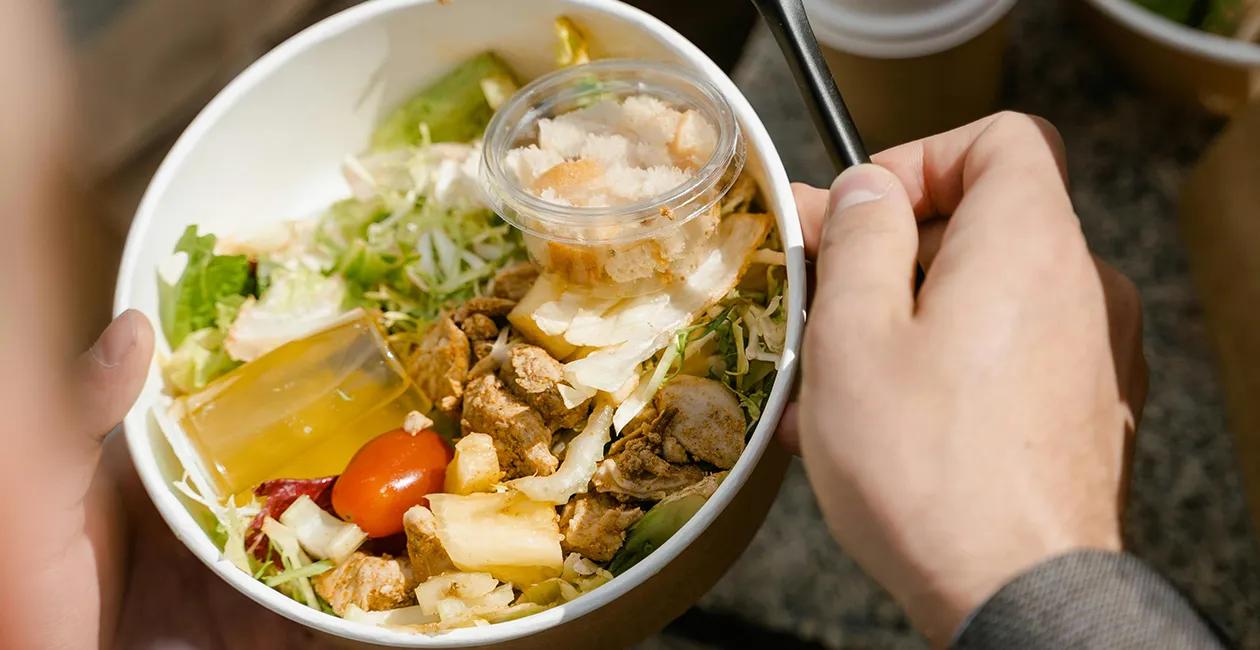
Lunch used to be a small, reliable pleasure. A midday break that didn't require much thought — a sandwich, a salad, something quick from the counter down the street. For a lot of people, that's no longer the reality. What once felt like a modest daily expense now prompts a second look at the receipt. So what happened to the affordable lunch, and is it coming back?
TL;DR: Lunch prices have risen sharply over the past several years, driven by food ingredient costs, higher labor and rent, and sustained inflation. The $10 lunch is increasingly rare in most US cities. There are still practical ways to keep midday meals affordable, but they require more deliberate planning than they used to.
The frustration is widespread and well-founded. Whether you're buying from a fast-casual counter, a neighborhood cafe, or a deli that's been on the same corner for twenty years, the prices have moved in one direction. Takeout that used to cover two people now barely covers one. Combo deals that anchored lunch menus for years have quietly disappeared or shrunk.
It's not a perception problem. The economics behind the midday meal have genuinely shifted, and understanding why helps make sense of what to do about it.
Not long ago, a decent lunch for $10 or under was standard in most American cities. Walk into a mainstream chain or a neighborhood sandwich shop and you'd reliably find filling options well within that range.
That's no longer true in most markets. According to Bureau of Labor Statistics data, food away from home has been among the more persistent categories of inflation since 2021, with prices continuing to rise even as overall inflation has slowed. A mid-range salad bowl or grain bowl that cost $8 or $9 before the pandemic now commonly runs $13 to $15. Even fast-food and fast-casual chains that built their identity around affordable combo meals have struggled to hold any options below $12.
Consumer behavior has shifted in response. More workers report meal prepping, batch cooking, or defaulting to leftovers rather than buying out. The psychology around value has changed too: if you're spending $14 or $15 on a lunch, the expectation for quality, portion size, and experience has risen alongside it — and that expectation isn't always met.
For many households, every lunch decision now involves a genuine calculation. The average daily cost of a home-packed lunch remains significantly lower than eating out, making bring-your-own an increasingly common default rather than an occasional choice.
Every component of a typical lunch — bread, produce, protein, dairy — has been affected by food price inflation. Supply chain disruptions, drought conditions affecting key crops, and elevated energy costs throughout the food production and transportation system have all contributed. The biggest price spikes have been concentrated in proteins, fresh produce, and dairy, which happen to be the building blocks of most lunch menus.
Ingredient costs are only part of the picture. Restaurant and cafe operators have faced steep increases in staff wages, particularly since 2021 when labor markets tightened significantly. Commercial rents in most urban areas have not declined. Energy bills, insurance, and supply logistics have all added to operational pressure. Businesses have had little choice but to pass a meaningful portion of these costs on to customers.
Where you live shapes what lunch costs considerably. Urban markets — particularly major cities on the coasts — have seen the sharpest increases, driven by higher commercial rents, higher minimum wages, and concentrated demand. In smaller cities and rural areas, lunch prices have also risen but generally remain lower. The gap between what a comparable meal costs in San Francisco or New York versus a mid-sized Midwestern city can be substantial.
Prices vary by region, venue, and format, but across most US markets, common lunch items now land in roughly the following ranges:
The $10 lunch isn't entirely extinct — you can still find it in smaller markets, in specific fast-food formats, or as a promotional special — but it's no longer a baseline expectation in most American cities. In high-cost urban areas, it's largely gone.
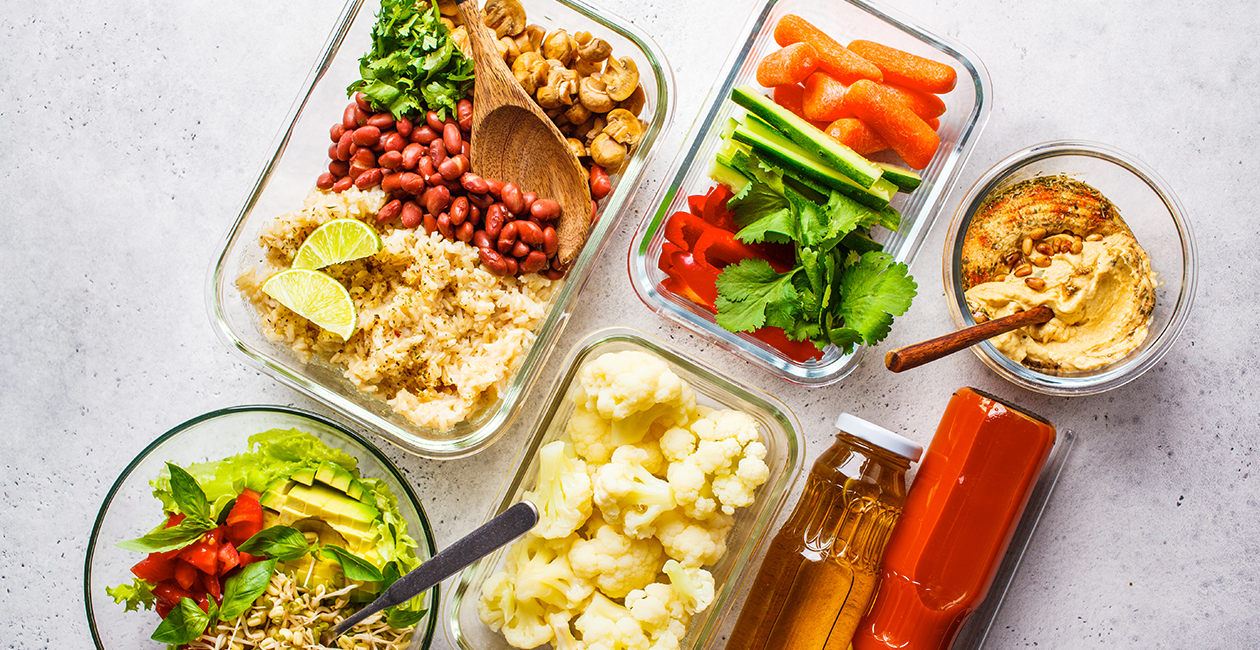
The contrast with home-prepared lunches is significant. Batch-cooked meals — grain bowls, soups, wraps built from ingredients prepped at the start of the week — typically cost a fraction of their restaurant equivalents per serving. Swapping even two or three purchased lunches a week for home-prepared alternatives can represent meaningful monthly savings without much sacrifice in quality or satisfaction.
The most cost-effective lunches are usually the ones that keep you full longest. Meals built around protein and fiber — beans and rice, a hearty grain bowl, a soup with legumes — tend to deliver better satiety per dollar than more expensive but less filling alternatives. Nutrient density is a useful frame when evaluating value: how long will this actually sustain me?
Most economists and food industry analysts expect food price inflation to continue moderating, but there is little expectation that restaurant and cafe prices will return to pre-2021 levels. Menu prices tend to be "sticky" — they rise more readily than they fall, because labor and rent costs don't reverse even when ingredient prices ease. Some selective relief is possible as supply chains stabilize, but the structural cost increases of recent years are largely baked in.
Consumers are adapting: more meal prepping, greater use of deals and loyalty apps, more deliberate decisions about when eating out is worth it. Businesses are responding with smaller portion options, ingredient substitutions, value combo formats, and meal kit tie-ins designed to retain customers who have become more price-sensitive. The lunch market is recalibrating, even if it isn't returning to where it was.
High-protein meal shakes
35g protein
400 cal per bottle
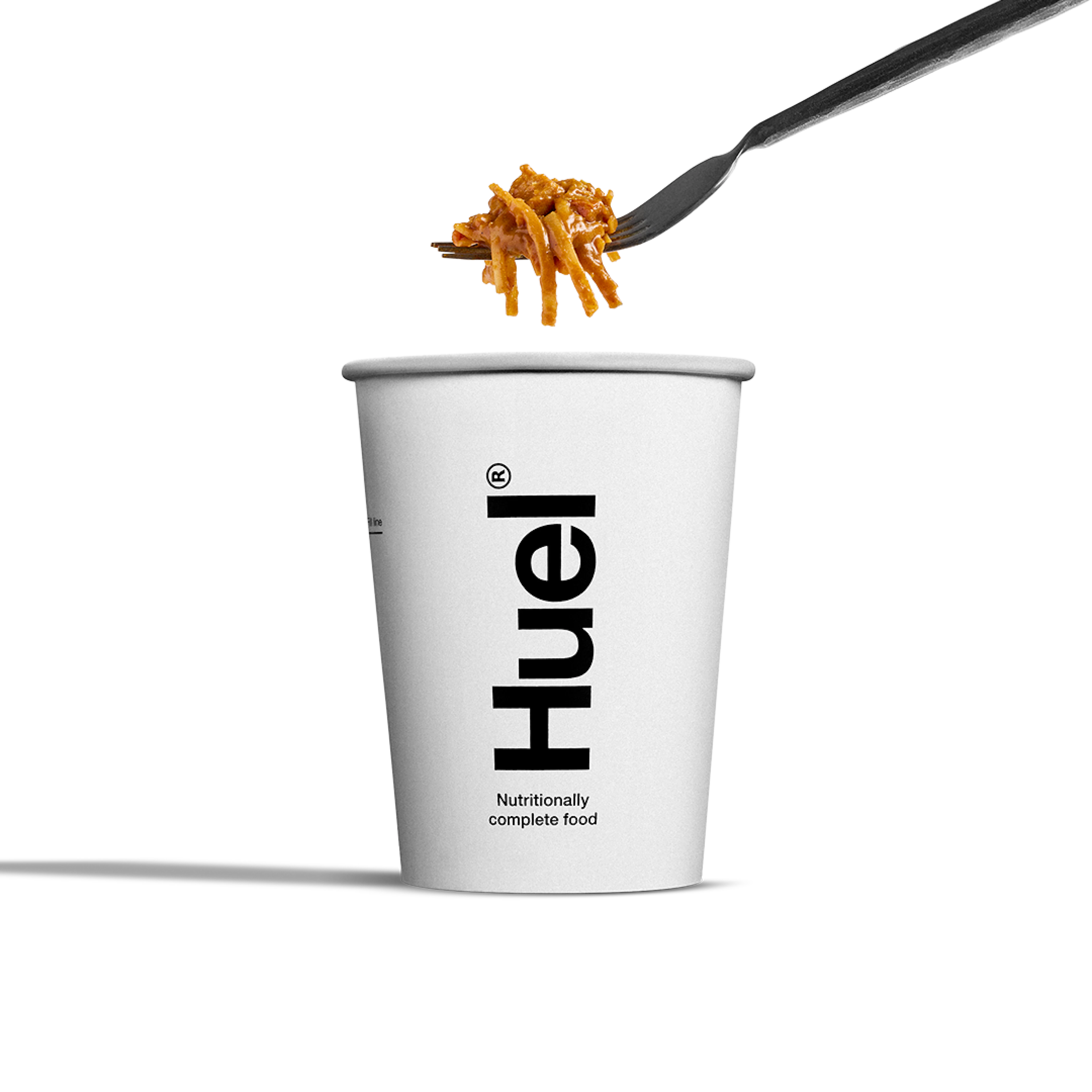
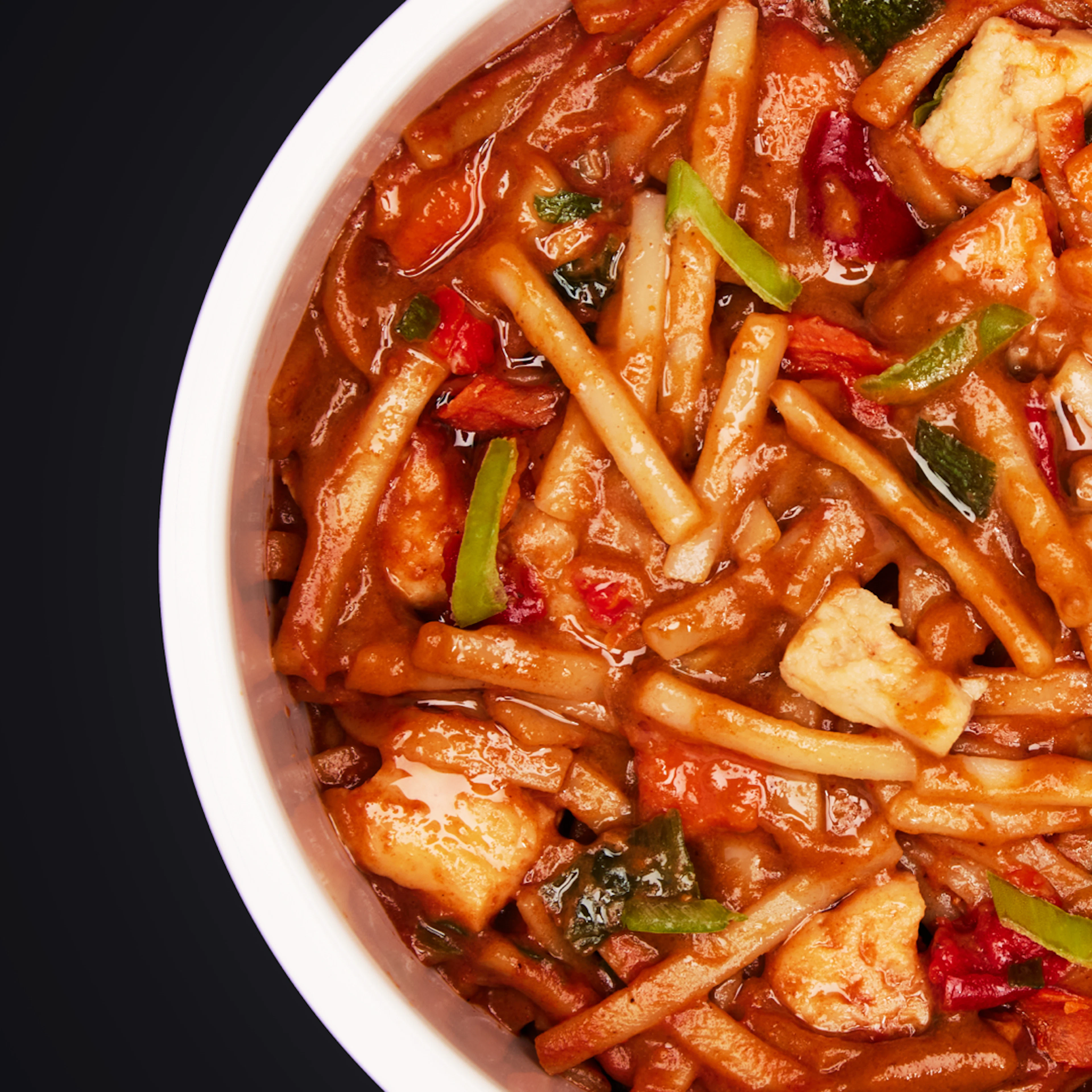
On-the-go instant meals
Up to 25g protein
400 cal per meal
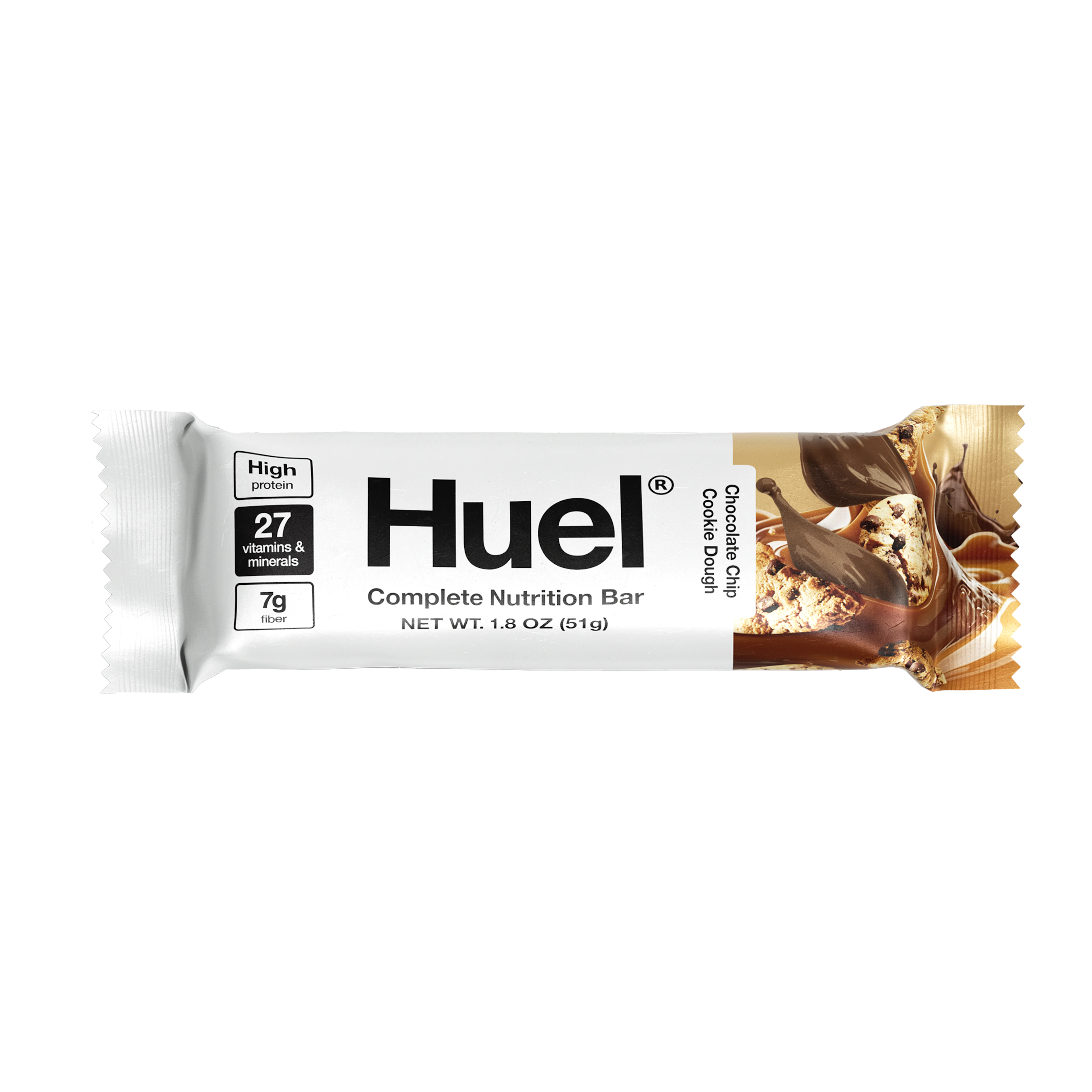
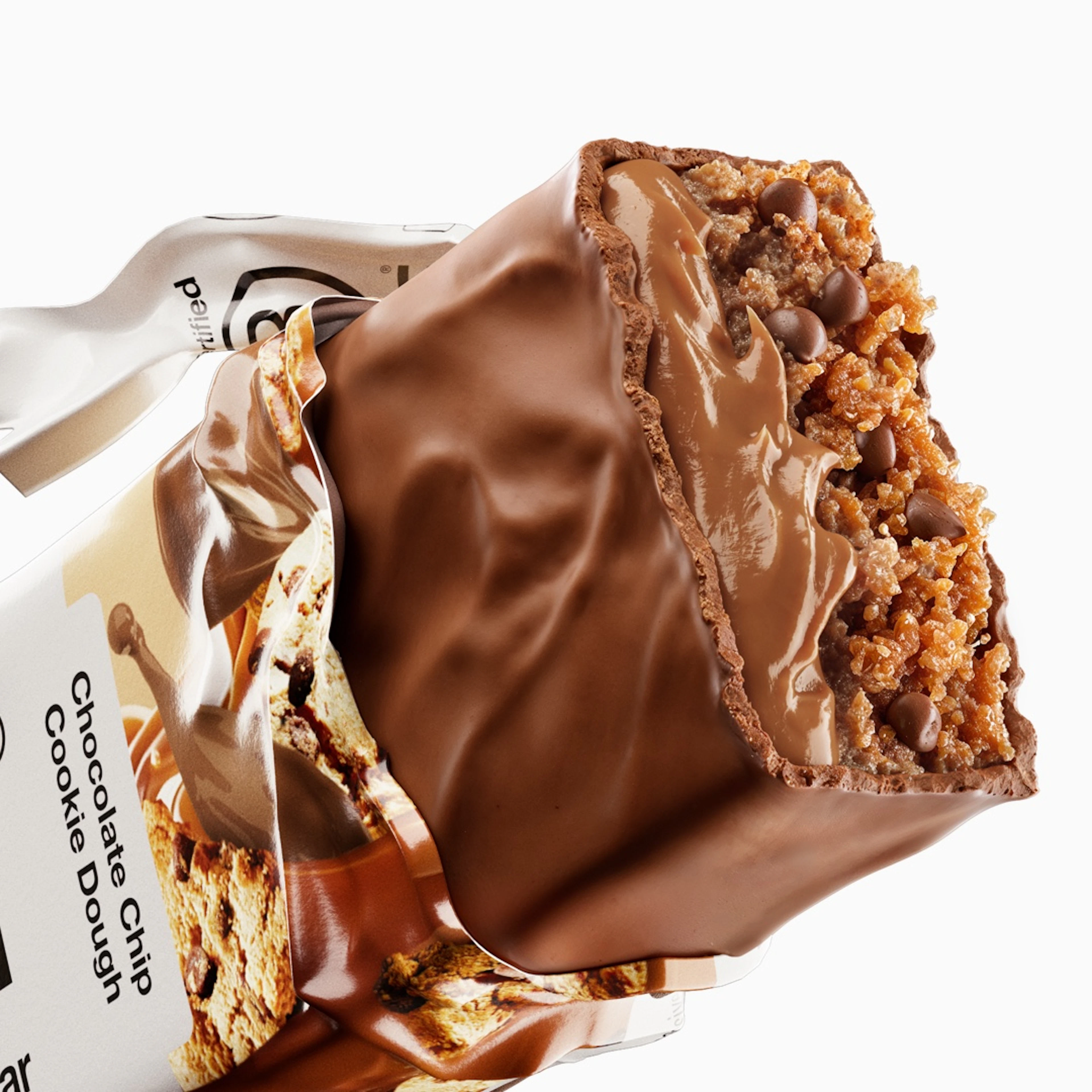
Complete protein bar
Up to 15g protein
Up to 210 cal per bar
✨ New flavors
.png?auto=format&compress=true&w=3840)

Sparkling supergreens drink
42 vitamins, minerals & nutrients
35 cal per can
Why are restaurant lunches so much more expensive now? The main drivers are rising ingredient costs, higher staff wages, increased commercial rent, and elevated energy and supply chain expenses. All of these have compounded over several years, and most have not reversed even as overall inflation has slowed.
How much is the average lunch in a US city in 2026? In most American cities, a typical restaurant or fast-casual lunch now runs $12 to $15 for common items like sandwiches, salads, or grain bowls. Delivery adds further cost through service fees and tips. Prices vary by region, with urban markets on the coasts generally running higher than smaller cities or rural areas.
Are lunches getting more expensive faster than other meals? Food away from home has been one of the more persistent inflation categories, and lunch specifically has felt the impact acutely because it's the meal most often purchased out. Breakfast and dinner eaten at home have generally seen smaller price increases than restaurant lunches.
Is it still possible to find a $10 lunch deal? In some markets and formats, yes — particularly in smaller cities, fast-food contexts, or as limited-time promotions. In most urban markets, however, $10 will buy at most a very basic item, and often not a complete meal.
How do urban and rural lunch prices differ now? Urban areas — especially major coastal cities — consistently run higher, driven by commercial rent, higher minimum wages, and demand concentration. Rural and smaller-market prices have also risen but generally remain more affordable for comparable items.
What can I do to save money on lunch in 2026? Bringing lunch from home — especially meals prepped in batches — is the most reliable way to reduce costs without compromising nutrition. When eating out, targeting lunch specials, value menus, or splitting larger portions helps. Being intentional about which days eating out is genuinely worth it, rather than defaulting to it, adds up quickly.
Will lunch prices go back down if inflation drops? Most analysts say probably not in any meaningful way. Sticky pricing means that once menus are repriced upward, they rarely come back down by the same margin — especially while labor and rent costs remain elevated. Slowing inflation may prevent further increases, but a significant reversal is unlikely.




Get 15% off your first order, plus insider access to expert tips, exclusive discounts, and the latest from Huel.