🔥 Bestseller
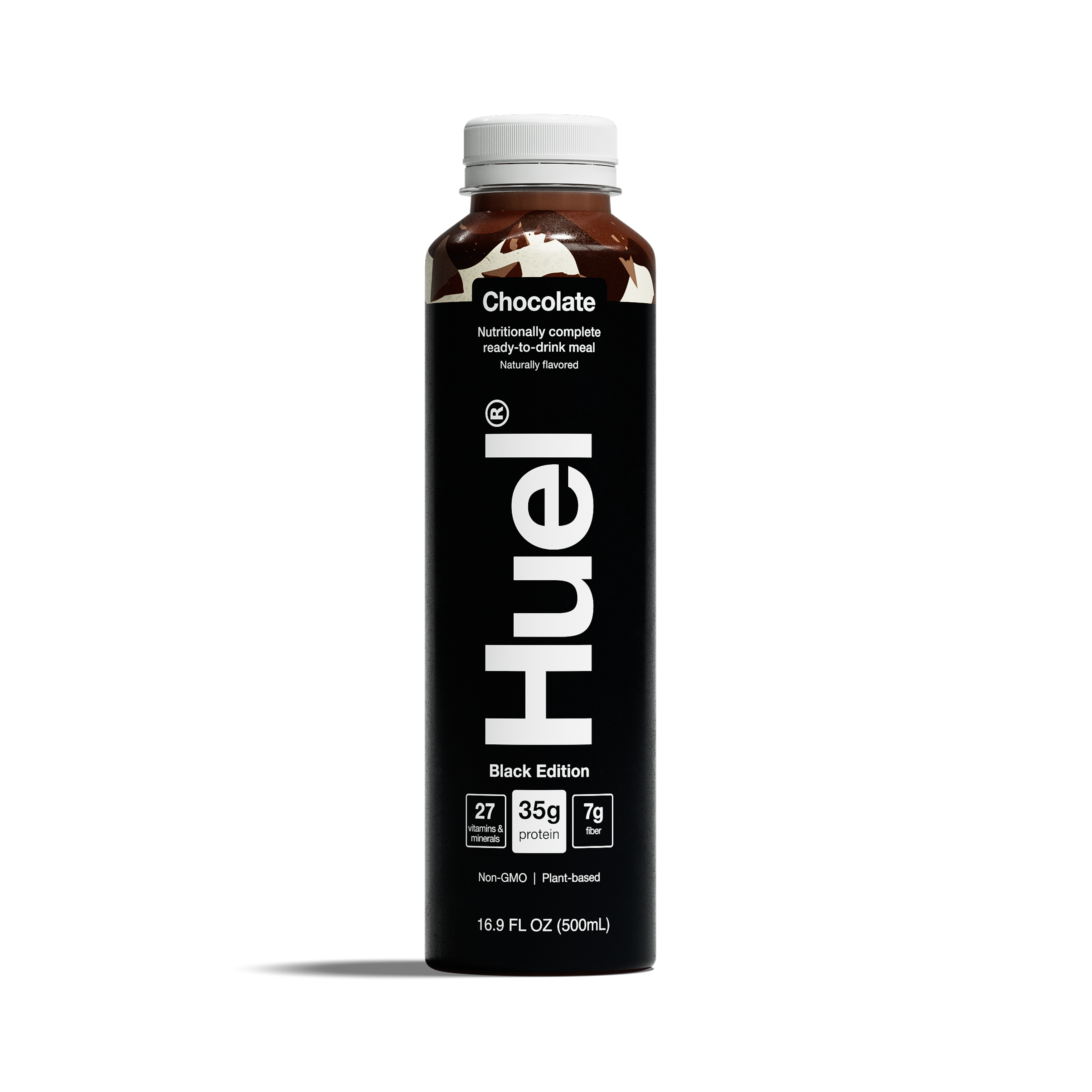

Black Edition Ready-to-drink
High-protein meal shakes
35g protein
400 cal per bottle

Everything about marathon preparation — the months of training, the early mornings, the long runs — is aimed at getting you to the start line in the best possible shape. Pre-race nutrition is what determines whether all of that preparation actually shows up on race day. Get it right and you'll run with reserves; get it wrong, and you may hit the wall well before the finish.
The good news is that the principles are straightforward. They require some planning and, critically, some practice in training. But there's no special food or complicated protocol involved — just a clear timeline and a few rules worth taking seriously.
TL;DR: Carb load for one to three days before your marathon, eat a familiar low-fibre breakfast two to three hours before the start, and avoid anything untested on race day. The single most common pre-race nutrition mistake is trying something new when it matters most.
Hitting the wall — the sudden, heavy fatigue that can strike in the later miles of a marathon — is almost always a consequence of glycogen depletion. Muscle glycogen is the body's primary fuel for sustained aerobic exercise, and it exists in finite quantities. Once stores run low, the body struggles to maintain pace, and the experience is unmistakable: the legs feel heavy, mental sharpness drops, and effort that previously felt manageable suddenly feels unsustainable.
Research consistently identifies glycogen depletion as a leading cause of performance decline in events lasting longer than two hours. Strategic carbohydrate intake in the days and hours before a marathon is specifically designed to begin the race with glycogen stores as full as possible.
Pre-race nutrition is not one-size-fits-all. Some runners tolerate a full breakfast easily; others can barely eat before a race without feeling nauseous. Some digest oats comfortably; others find them too heavy on the stomach. The most important principle of all is to test your race-day nutrition during training, ideally on your longest runs, so that nothing on race day is unfamiliar. Your gut is trainable, but it needs the same practice as your legs.
The goal in the final 48 hours is to maximise muscle glycogen stores by significantly increasing carbohydrate intake. Sports nutrition guidelines recommend 8 to 12 grams of carbohydrate per kilogram of body weight per day for one to three days before a marathon. For a 70kg runner, that's approximately 560 to 840g of carbohydrate daily — considerably more than a typical diet provides.
This sounds like a lot, and it is. The key is to focus on familiar, easily digestible, lower-fibre carbohydrates that won't cause digestive discomfort or bloating. Good choices include:
The emphasis on lower-fibre options during carb loading is deliberate. High-fibre carbohydrates are excellent in normal circumstances, but in the 24 to 48 hours before a race they can increase the risk of GI discomfort when you're already consuming large carbohydrate volumes.
The pre-race dinner is not the time to try a new restaurant or an unfamiliar cuisine. Keep it simple, familiar, and lower in fat, fibre, and spice than your usual meals. Aim to eat 12 to 14 hours before your race start time — for an 8am gun, that means dinner at 6 to 7pm.
Reliable options include grilled chicken with white rice, white pasta with a simple tomato sauce (avoiding garlic and onion-heavy preparations), or a baked potato with a small amount of cottage cheese. The portion size should be satisfying but not excessive — overeating the night before can affect sleep and leave you feeling heavy at the start.
Consistent hydration in the 48 hours before a race is as important as the food choices. Sip fluids regularly throughout the day rather than trying to catch up in large amounts at once. If you're a heavy sweater or racing in warm conditions, including some sodium — through a sports drink, lightly salted food, or an electrolyte tablet — helps maintain fluid balance more effectively than water alone. Alcohol is best avoided entirely in the final 48 hours; it impairs sleep quality, promotes dehydration, and interferes with glycogen storage.
Aim to eat your pre-race breakfast two to three hours before the start. This window allows enough time for digestion while ensuring you're not running on empty. The meal should be predominantly carbohydrate-based, moderate in protein, and low in fat and fibre.
Practical options include:
If nerves are suppressing your appetite, a carbohydrate-rich drink or smoothie can substitute for solid food. Some runners also have a small carbohydrate snack — a banana, an energy gel, or a sports drink — in the final 30 to 60 minutes before the gun, particularly if the breakfast window was more than three hours out.
The list of things to avoid is as important as the list of things to eat. High-fibre foods (whole grains, raw vegetables, beans), significant amounts of dairy, high-fat meals, large portions, and anything spicy or unfamiliar all carry meaningful GI risk when combined with the physiological stress of racing. Crucially, this includes any product — gel, supplement, bar, or drink — that you haven't already practised with in training.
Very early starts (6 or 7am) can make the two-to-three-hour breakfast window difficult. In that case, eat what you comfortably can in the time available and bring a carbohydrate snack — a banana, a small portion of rice cakes, a gel — for the start line. For late-morning or afternoon starts, a normal breakfast and a light mid-morning snack of familiar carbohydrates works well. Whatever the timing, the priority is sticking to foods you've already tested.

The phrase "nothing new on race day" exists for a reason. Energy gels, sports drinks, and breakfast combinations that seem perfectly reasonable in theory can cause significant GI distress when the body is under race-day physiological stress. Run at least two or three of your longest training sessions using your planned race-day nutrition strategy so that your gut is as prepared as your legs.
Both extremes are counterproductive. Eating aggressively above what your body can store leads to bloating, sluggishness, poor sleep, and a heavy feeling at the start. Under-loading means beginning the race with less than optimal glycogen and a greater likelihood of fading in the later miles. Signs of overdoing it include noticeable bloating, disrupted sleep, and a feeling of discomfort in the stomach. A structured, moderate approach — increasing intake deliberately but not excessively — is more effective than trying to eat as much as physically possible.
Expo halls before major marathons are full of free samples. Hotel breakfasts offer unfamiliar options. Well-meaning friends recommend products they swear by. Race weekend is not the time to explore any of these. New foods, unknown supplements, and untested supplements all carry unknown GI risks and should wait until after the race.
Runners with a history of GI issues during racing benefit from keeping pre-race meals as simple as possible. White bread or English muffins with a small amount of smooth peanut butter, plain rice cakes with jam, or plain pasta with a light olive oil dressing are all low-risk options. At dinner, grilled fish or chicken with white rice or a baked potato avoids the common gut irritants — garlic, onions, high-fat sauces — that can cause problems the following morning.
Including some protein in pre-race meals supports muscle maintenance without significant GI risk, provided you choose easy-to-digest sources. Baked chicken or fish, a small whey protein shake, Greek yoghurt if you tolerate dairy, or scrambled eggs are all reasonable options. The portion of protein should be modest — this is a carbohydrate-loading phase, not a protein-loading one.
A practical sensitive-stomach race morning option: a white bagel with honey, a small whey protein shake, and a banana, eaten two to three hours before the start.
What is the best meal to eat before a marathon? A breakfast eaten two to three hours before the start, built around easily digestible carbohydrates with a small amount of protein and minimal fat and fibre. White toast or a bagel with peanut butter and a banana is a widely used and reliable option. The most important quality is familiarity — whatever you eat should be something you've already tested in training.
How many carbs should you eat in the days before a marathon? Sports nutrition guidelines recommend 8 to 12 grams of carbohydrate per kilogram of body weight per day, for one to three days before the race. The specific amount depends on your body weight, your sensitivity to high carbohydrate intake, and how well you tolerate volume eating. Sticking to the lower end of this range and focusing on digestibility is a sensible approach for most runners.
Is it okay to drink coffee before a marathon? Caffeine is a well-evidenced performance enhancer for endurance events and is widely used by distance runners. If you regularly drink coffee and your stomach tolerates it, a moderate amount on race morning is unlikely to cause problems. If you don't regularly drink coffee, race day is not the right time to start — caffeine sensitivity varies considerably, and its GI effects can be significant in those unaccustomed to it.
What foods or drinks should be avoided before a race? High-fibre foods, spicy dishes, high-fat meals, large portions, significant amounts of dairy, alcohol, and anything unfamiliar. The priority is minimising GI risk, which means keeping the digestive system as calm and predictable as possible in the hours before the start.
How far in advance should you eat breakfast before a marathon? Two to three hours is the standard recommendation, as this allows sufficient time for digestion while avoiding going into the race with depleted blood glucose. For very early starts, eating as much as you can in the time available and supplementing with a small carbohydrate snack close to the gun is a practical adaptation.
What is the best way to avoid hitting the wall during a marathon? Starting the race with full glycogen stores is the most important factor, which means consistent carb loading in the preceding 48 hours and a well-timed pre-race breakfast. Practised in-race fuelling — taking on carbohydrates at regular intervals during the race itself — is equally critical for events of marathon distance, where glycogen stores alone are unlikely to last the full distance for most runners.
Can I eat the same foods before a half marathon as a full marathon? Broadly yes, though the carb loading period is typically shorter — one day rather than two to three is sufficient for most half marathon runners, given the shorter race duration. The race morning breakfast approach and the emphasis on familiar, low-fibre, easily digestible foods applies equally to both distances.
Edited by The Digest team