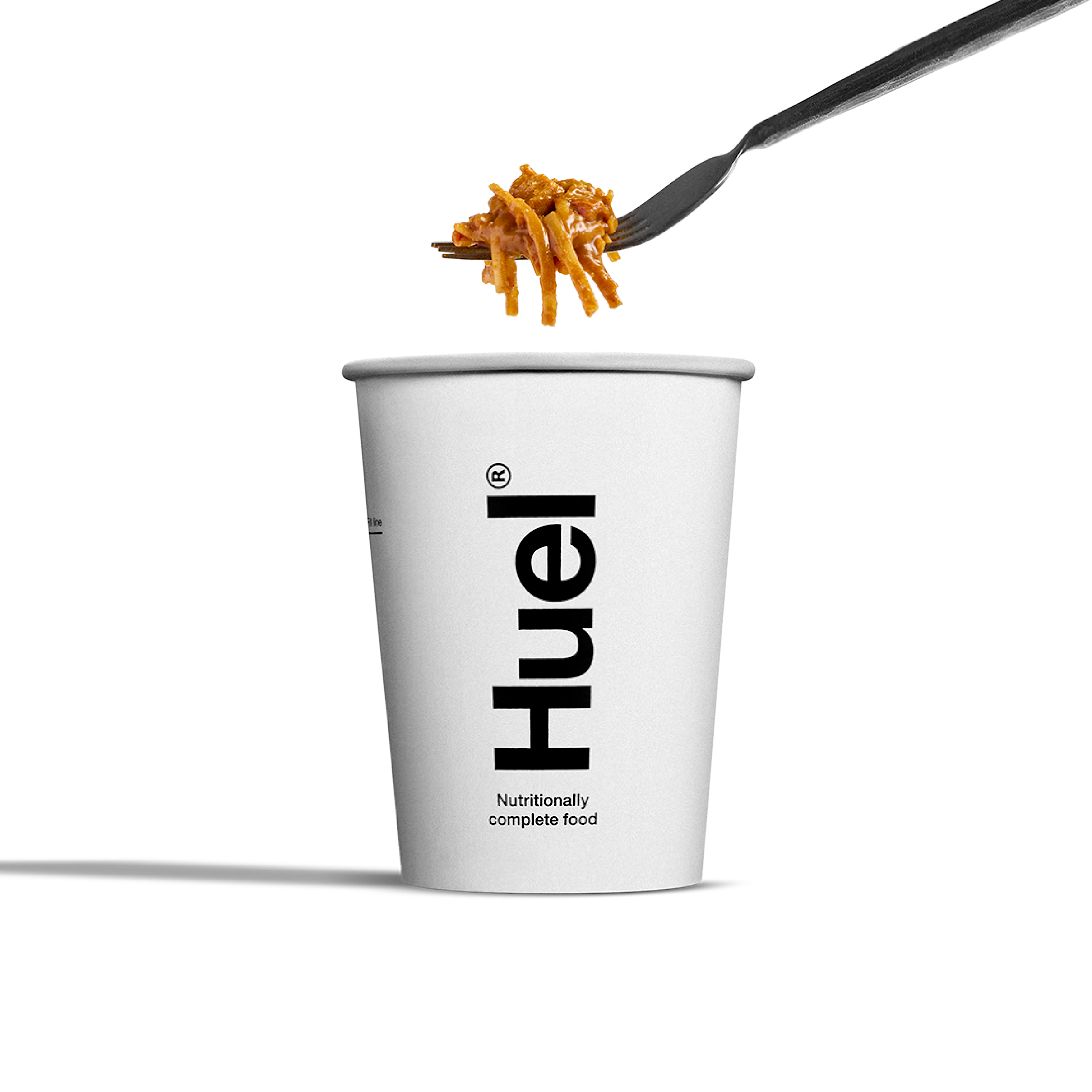
🔥 Bestseller
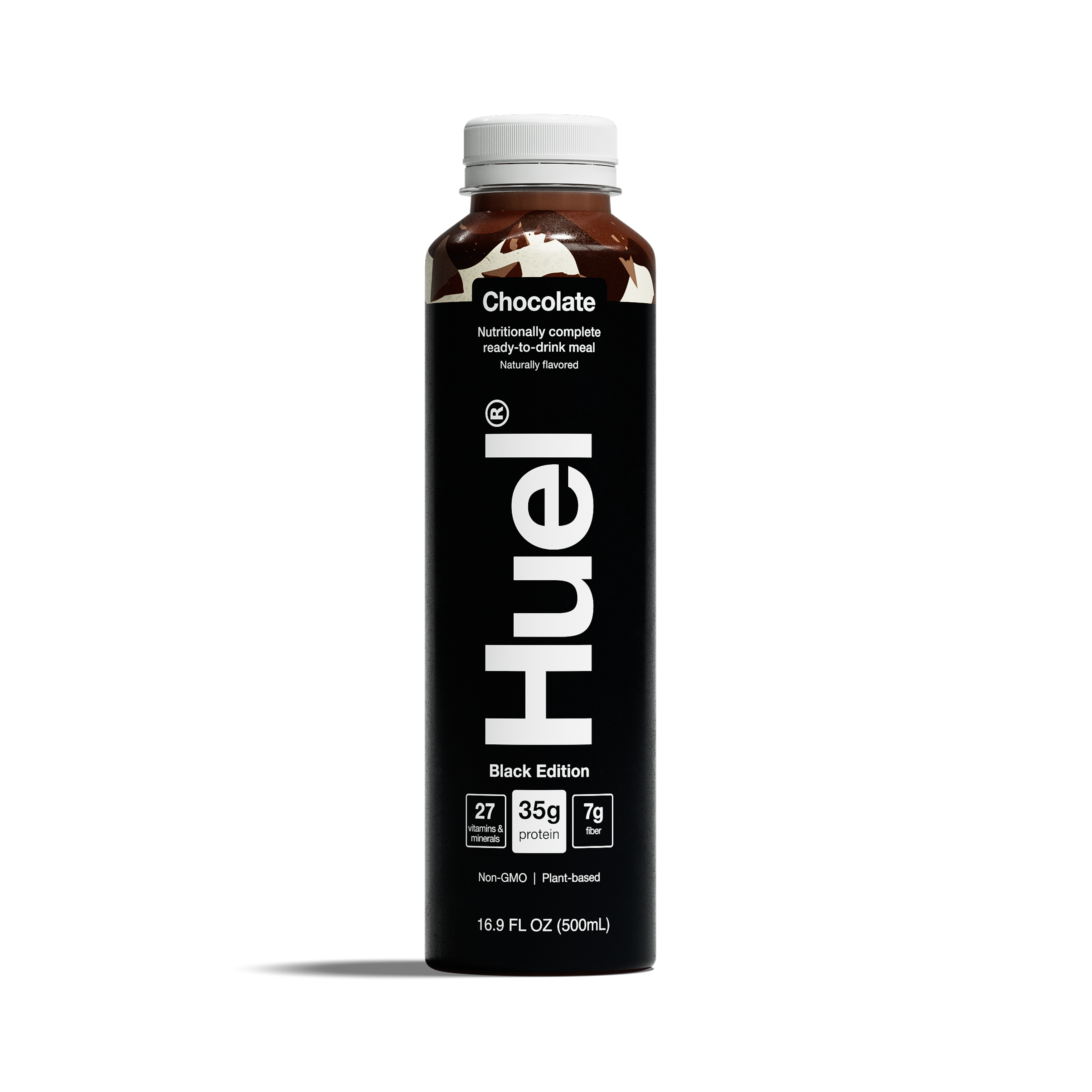

Black Edition Ready-to-drink
High-protein meal shakes
35g protein
400 cal per bottle

Memorial Day weekend is one of the better long weekends the calendar offers — three full days, the first real warmth of the year, and a cultural permission to be outside, to eat well, and to genuinely switch off. The challenge, as with most long weekends, is arriving at Tuesday morning feeling like you actually used it rather than recovered from it.
TL;DR: A restorative long weekend requires more than time away from work. Consistent sleep anchors, movement outside, real psychological disengagement, and food that doesn't wreck your energy are the things that determine how Tuesday feels. None of this has to conflict with enjoying the weekend.
Absence from work and genuine recovery are not the same thing. Research by Sabine Sonnentag on psychological detachment identifies four components of true restoration: mentally switching off from work (detachment), relaxation, mastery — doing something that produces a sense of flow or competence — and autonomy over how time is spent.
Most people get the time off. Fewer get the actual recovery, because work-adjacent thinking — the email you're half-expecting, the Monday morning meeting you're pre-stressing about — occupies mental bandwidth even when you're nominally not working. The brain doesn't restore itself in the background while this is happening.
Making the most of Memorial Day weekend means genuinely switching off for at least a meaningful portion of it — not just being physically somewhere else.
Late May in the US typically offers weather that makes outdoor movement easy and appealing. This is worth taking advantage of, not because exercise is obligatory but because moderate outdoor movement is one of the most efficient recovery tools available. It reduces cortisol, improves mood through endorphin and serotonin release, supports sleep quality, and produces the kind of mental decompression that sitting on a couch doesn't.
The key word is moderate. Memorial Day weekend is not the time to run a PR or test a new training programme. A long hike, a bike ride, a beach walk, time in the water, or simply being on your feet more than usual across each day all produce genuine benefit without adding recovery demands.
Morning light exposure is worth mentioning specifically. Getting outside within an hour of waking — even for a short walk — anchors the circadian clock and improves sleep onset that night. Three mornings of this across a long weekend has a compounding effect on how alert and rested you feel by Tuesday.
Memorial Day is a cookout weekend. Burgers, ribs, potato salad, cold drinks — this is the cultural script, and there's nothing wrong with it. The things that actually determine how you feel on Tuesday are less about what you eat at any individual meal and more about a few patterns that accumulate across three days.
Keep protein present. Protein extends satiety, stabilizes blood sugar, and reduces the kind of energy dips that lead to grazing on whatever's nearby. A breakfast that includes eggs, Greek yogurt, or smoked salmon sets the day up differently from one that doesn't. At cookouts, the protein is often already the main event — this one takes care of itself.
Alternate drinks. Alcohol dehydrates and disrupts sleep architecture, even at moderate intake. The resulting sleep feels adequate but isn't, which is most of what produces the wrecked Tuesday feeling after a long weekend. Alternating alcoholic drinks with water — genuinely, not just nominally — and avoiding drinking late into Sunday night are the two most practical interventions here.
Don't let vegetables disappear. Social eating makes vegetables easy to skip, but a salad alongside the cookout, some grilled corn or vegetables on the side, or fruit at some point during the day requires almost no effort and makes a real difference to energy and digestion over three days.
Sleep is the highest-leverage variable in how Tuesday feels, and the long weekend structure makes it easy to undermine. Late nights on Friday and Saturday, sleeping in on Saturday and Sunday, alcohol disrupting sleep quality across multiple nights — these compound into something that feels like mild jet lag by the time the work week starts.
The most useful anchor is wake time. One lie-in of an hour to an hour and a half is fine and unlikely to cause problems. Multiple consecutive mornings sleeping two or more hours past your normal time shifts your circadian rhythm enough to make Monday evening hard to wind down and Tuesday morning hard to start.
The most important specific: get to sleep at a reasonable hour on Sunday night. Whatever happened across the rest of the weekend, Sunday sleep is the one that most directly determines Tuesday morning. A reasonable Sunday bedtime — within an hour of normal — is worth more than any other single recovery intervention.
The most underused aspect of a long weekend is the genuine mental break. Not watching different content on the same phone, not staying productive in a different environment, but actually disengaging from the ongoing stream of work-adjacent obligations.
Activities that tend to produce genuine restoration: time with people you enjoy in physical spaces (not over text), being outdoors, doing something with your hands, creative or playful activities that absorb attention without being work-adjacent. Cooking a proper meal, time on the water, a long conversation somewhere away from screens, a project that has a visible outcome.
The aim is to get to Tuesday morning having genuinely used the three days — not having survived them or filled them, but having experienced some portion of them in a state of actual presence and engagement.
Is it okay to do nothing this weekend? Yes — genuine rest is valuable and counts as recovery. The risk is passive non-rest: scrolling, half-watching television, nominally switching off without actually doing so. If you're going to decompress fully, do it with intention rather than by accident.
How do I deal with Sunday night anxiety before returning to work? Sunday evening anxiety is usually a product of the week ahead feeling unresolved. Writing a short, concrete list of the first few things you'll do on Tuesday morning — not everything, just a foothold — offloads the mental preparation that generates anticipatory dread. The brain relaxes when there's a plan, even a minimal one.
What should I eat Sunday night to feel better Tuesday? A reasonably balanced meal — protein, complex carbohydrates, some vegetables — at a normal-ish time, not eaten too late. Nothing complicated. The main thing to avoid is a heavy, late meal combined with significant alcohol, which produces the kind of sleep that doesn't leave you rested.
Does exercising over the long weekend help or hurt Monday recovery? Moderate movement helps considerably — it supports sleep, reduces cortisol, and improves mood. High-intensity training that produces significant muscle soreness or fatigue can make Monday feel harder, particularly without adequate recovery nutrition and sleep. For a long weekend with recovery as the goal, enjoyable and moderate beats ambitious every time.