
The Benefits of Protein (Beyond Muscle)
Protein does a lot more than build muscle. Discover how it supports your metabolism, hunger, skin, and more — all backed by solid science.
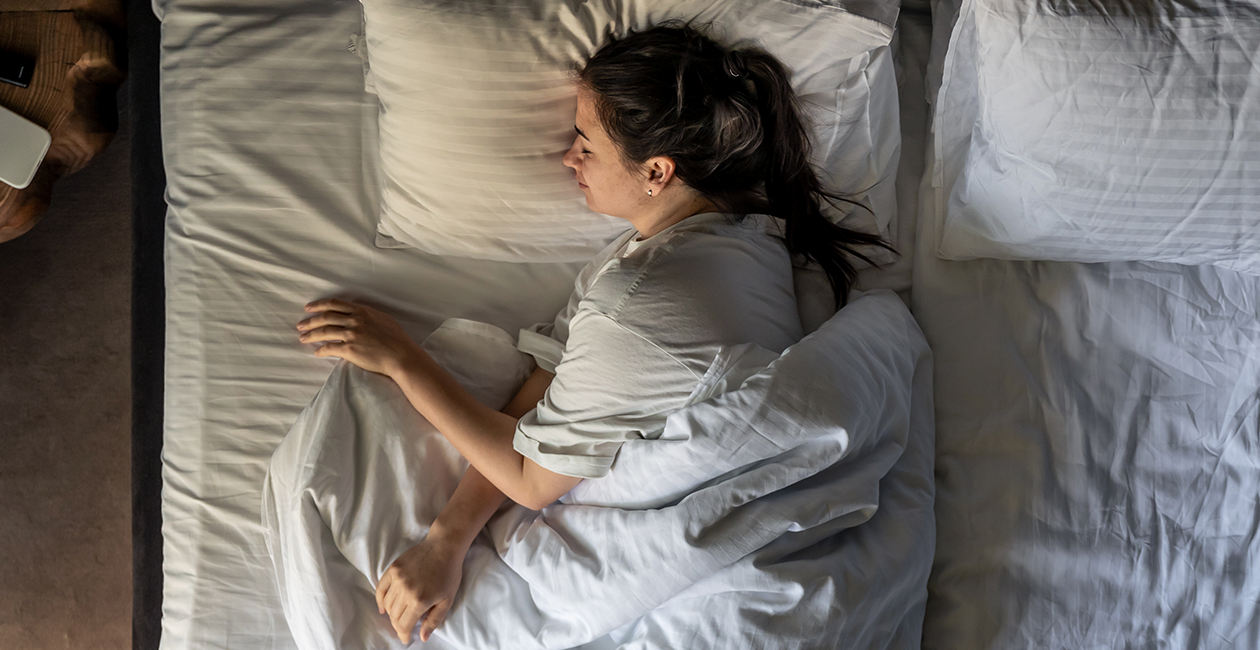
The sun's up early, the evenings stay light, and suddenly your sleep feels... off. If you're tossing and turning as summer days stretch longer, your body's internal clock might be struggling to keep up. Circadian rhythm explained simply: it's your built-in timer for sleep, wake, hunger, and more. But the science behind this daily cycle and how it changes with summer's light can make or break how rested you feel all season.
TL;DR: Your circadian rhythm is your body's natural 24-hour cycle, synced by light. Longer daylight in summer can easily disrupt sleep. Small tweaks to your routine, from morning light to blackout curtains, can help you reset and sleep better, even when the days are bright.
Circadian rhythm is your body's internal clock that repeats roughly every 24 hours. It tells you when you're hungry, when to feel sleepy, and sets your daily energy patterns. Think of it as your body's autopilot for waking, sleeping, and the timing of key hormones. This natural sleep cycle isn't just about bedtime; it's the foundation of feeling alert in the day and winding down at night.
The real boss behind your circadian rhythm sits deep in your brain, the suprachiasmatic nucleus, or SCN, which responds directly to light coming in through your eyes. In the morning, sunlight triggers a cascade: cortisol rises, you wake up, and body processes get moving. As night falls, the SCN signals the release of melatonin, the "sleep hormone", telling you it's time to rest. Light, especially blue light like from screens, is the strongest cue, flipping these hormones on or off.
Your rhythm needs sunlight, but timing matters. Catching morning sun (even if cloudy) helps anchor your internal clock, while evening light delays it. Summer brings longer daylight hours, so you get more light both early and late in the day. This tricks your SCN, keeping you alert when you're meant to wind down. Think late sunsets, glowing screens, and warm nights; all of these send "stay awake" signals, even if you're tired.
During summer, falling asleep can be harder. You might find yourself wide awake at bedtime, waking up earlier, or struggling to sleep deeply. Late sunsets, social plans, and travel across time zones pile on more disruption. Teens and young adults are hit hardest, naturally preferring later hours and being more sensitive to these seasonal changes.
Start your day with natural light. Step outside within 30 minutes of waking, even if just for 20 minutes. Have your morning coffee on a patio, take a brisk walk, or open the blinds wide. A consistent wake-up time helps keep your rhythm strong, even on weekends.
As tempting as late sunshine is, help your brain power down at night. Dim the lights an hour before bed. Limit screens and blue light by switching off devices or using night mode. Blackout curtains can work wonders, especially if your bedroom faces lingering evening light. Try winding down with the same calming activities nightly: reading, light stretching, or some gentle music.
Meal Timing: Try to eat dinner at least 2-3 hours before bed to avoid late-night energy surges.
Get Active Early: Aim for outdoor exercise earlier in the day, not too close to bedtime, to help your body wind down.
Hydrate Smart: Longer days can mean more sweating. Drink enough during the day, but ease up before bed to avoid late-night trips to the bathroom.
Q: How does circadian rhythm affect sleep?
A: Circadian rhythm directs when your body feels sleepy or alert. It helps you fall asleep, determines wake-up time, and impacts sleep quality by coordinating hormone release.
Q: What are signs that my circadian rhythm is out of sync?
A: You might notice daytime tiredness, trouble dozing off, waking too early or late, mood swings, or lack of focus.
Q: Does daylight saving time impact circadian rhythm?
A: Yes, clock changes can cause temporary sleep troubles by shifting your body's timing. Reset with extra morning light and a steady schedule.
Q: Can you reset your circadian rhythm naturally?
A: Yes. Aim for morning sunlight, set routines for meals and bedtime, and keep daily activity regular to support your rhythm.
Q: Why is melatonin important for circadian rhythm?
A: Melatonin tells your body it's time to sleep. Its release depends on light and dark cues; bright evenings can delay melatonin and bedtime.
Q: How much light do you need to regulate circadian rhythm?
A: Aim for 20-30 minutes of morning sunlight each day to help synchronize your clock.
Q: Are circadian rhythm problems more common in summer?
A: Lighter evenings and social late nights often lead to more sleep issues during summer, especially for teens and shift workers.
Your circadian rhythm runs on a 24-hour cycle, syncing with sunlight. Summer's long days can disrupt sleep, making routines more important. Prioritize morning light and dark evenings for the best natural sleep cycle. Consistent meal times, hydration, and winding down help realign your rhythm. Most people can reset their circadian rhythm with simple changes; start small and notice how much better you feel.