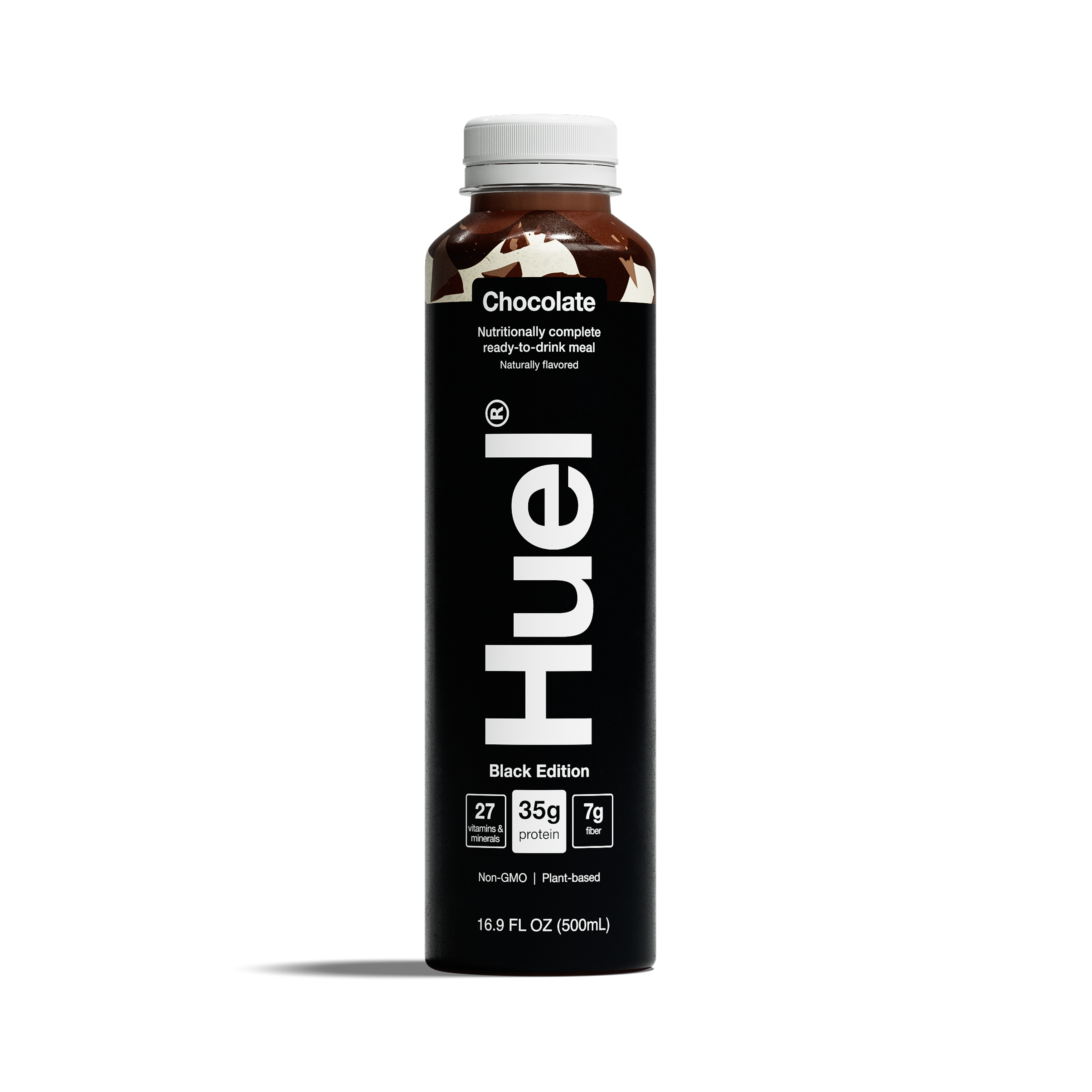

Black Edition Ready-to-drink
High-protein meal shakes
35g protein
400 cal per bottle

There's a reason salads have a reputation for leaving you hungry an hour later: most of them aren't built to keep you full. A bowl of leafy greens with a light dressing may work well as a side, but it often needs more substance to become a satisfying meal. Add a substantial protein source, some fiber-rich vegetables, and a little healthy fat, and the picture changes entirely.
For anyone trying to eat well without spending a lot of time in the kitchen, protein salads also have a practical advantage. They're fast to assemble, easy to prep ahead, and flexible enough to work across a wide range of dietary preferences.
Late summer brings an abundance of seasonal produce across much of the US, although availability varies by region. Corn, tomatoes, cucumbers, green beans, zucchini, and bell peppers are often at their best around this time of year. Locally grown seasonal produce can be especially fresh and flavorful.
A few worth leaning into at this time of year:
Fresh herbs are worth using here too. Basil, mint, dill, and tarragon are all good in late summer. They add freshness and complexity, making a simple salad feel more intentional.
Protein contributes to the growth and maintenance of muscle mass. Getting adequate protein at regular intervals throughout the day supports that process. A meal-sized salad built around 20 to 30 grams of protein contributes meaningfully to daily protein targets. Protein needs vary based on factors such as age, activity level, and overall health, so there isn’t a one-size-fits-all recommendation. For generally healthy adults, the Recommended Dietary Allowance is 0.8 grams of protein per kilogram of body weight per day—about 0.36 grams per pound.
Protein plays a role in maintaining healthy bones. It works alongside nutrients such as calcium and vitamin D as part of an overall balanced diet. Research suggests that adequate protein intake may help support bone health in adults.
Protein tends to be more filling than meals with less protein. This may be partly related to its effects on appetite-regulating hormones, including ghrelin, although fullness is also influenced by fiber, fat, portion size, and total calorie intake. Studies suggest that this may be because protein may reduce levels of the hormone ghrelin (a hunger hormone).
Legumes are among the most practical protein additions to a salad. Black beans, chickpeas, and lentils provide both protein and fiber, helping make a salad more substantial and satisfying. Tofu and tempeh work well roasted or pan-fried and tossed with leafy greens. Quinoa and edamame are complete proteins, meaning they contain all nine essential amino acids. Other plant proteins may contain lower amounts of one or more essential amino acids, but eating a varied diet with foods such as legumes, grains, nuts, and seeds generally provides a balanced amino acid intake over the course of the day.
As a practical starting point, aim for around 20 to 30 grams of protein in a meal-sized salad, adjusting the amount to suit your individual needs.
Salad fatigue is real, and it's usually a texture problem. A well-built salad mixes raw and cooked elements, something creamy and something crunchy, and at least one sharp or acidic component to lift the whole bowl. Toasted seeds, roasted chickpeas, or chopped nuts add crunch. A citrus vinaigrette, a herbed yogurt dressing, or a tahini-lemon base adds depth. Roasted late-summer zucchini or grilled corn adds warmth and contrast alongside raw vegetables.
Salads are well-suited to batch prep. Prepare protein-rich ingredients in batches ahead of time – for example, bake a tray of tofu or cook a batch of quinoa. To keep your salad at its best, store the dressing separately until serving to prevent the greens from wilting. Choose sturdy bases like kale or shredded cabbage that hold up well in the fridge, and add more delicate elements such as herbs or crunchy toppings just before eating.
High-protein meal shakes
35g protein
400 cal per bottle
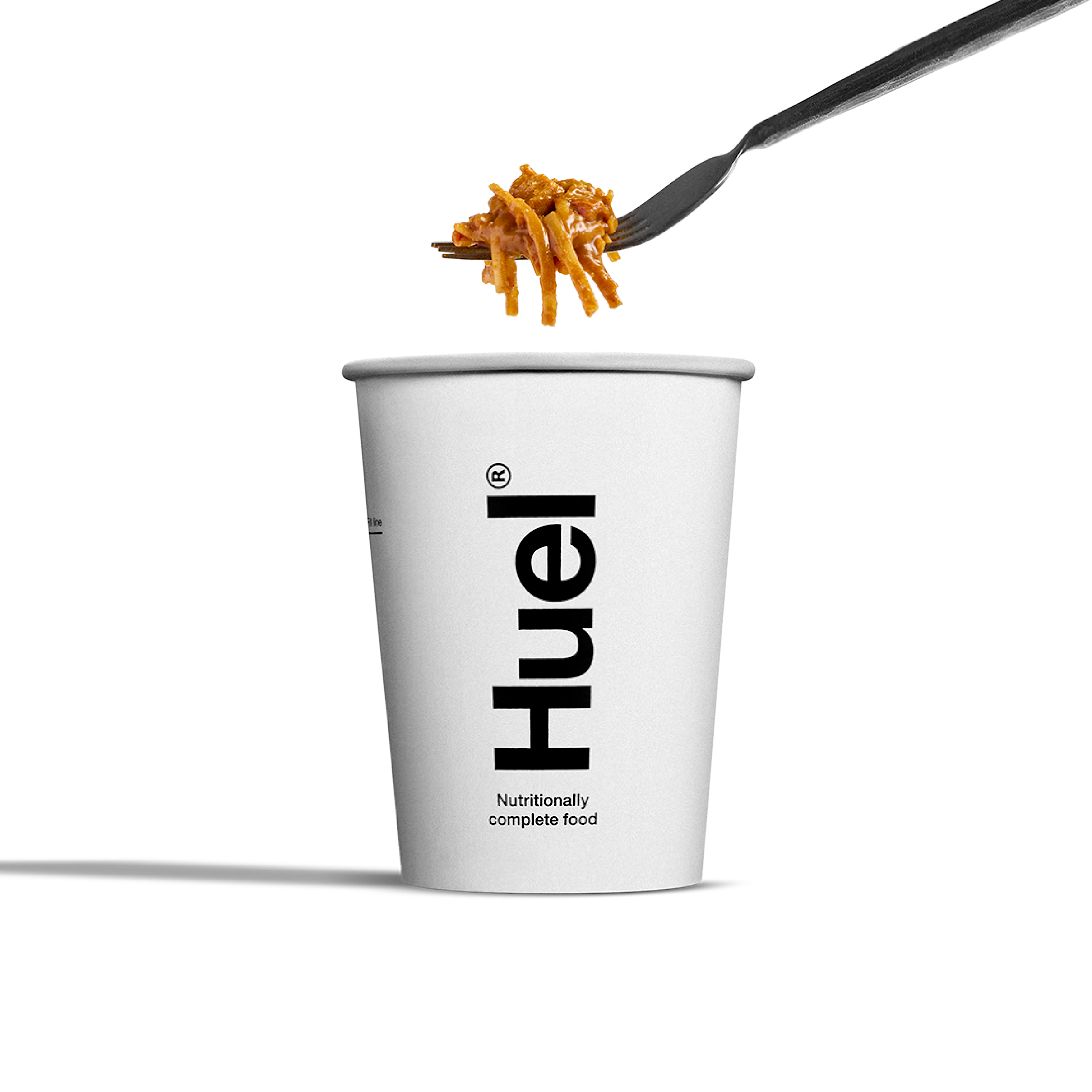

On-the-go instant meals
Up to 25g protein
400 cal per meal


Complete protein bar
Up to 15g protein
Up to 210 cal per bar
✨ New flavors
.png?auto=format&compress&w=3500)

Sparkling supergreens drink
42 vitamins, minerals & nutrients
35 cal per can
Do high-protein salads actually keep you full? Research is still developing on this, but protein generally tends to be more satiating than meals lower in protein, although fullness is also influenced by fiber, fat, total calories, portion size, and individual needs. Building a salad with a substantial protein source may help you stay satisfied for longer.
What protein can I add to vegetarian or vegan salads? Beans, lentils, chickpeas, tofu, tempeh, edamame, quinoa, nuts, and seeds are all useful plant-based options. Using a few different ingredients can add variety in flavor, texture, and nutrients.
How much protein should a meal-sized salad have? Aim for 20 to 30 grams per serving.
What are easy ways to boost protein in a salad? The quickest additions are canned beans or lentils, just drain and rinse them before adding. A Greek yogurt-based dressing can provide a modest additional protein boost.
Can you rely on plant-based options alone for a protein-packed salad? Yes, with some planning. Combining different plant protein sources, such as legumes, grains, and seeds, helps to cover all nine essential amino acids.
Is it okay to eat high-protein salads every day? For most people, yes. The key is variety: rotating protein sources, mixing up vegetables, and including healthy fats and whole grains across the week ensures you're covering a broad nutritional base rather than eating the same combination repeatedly.