🔥 Bestseller
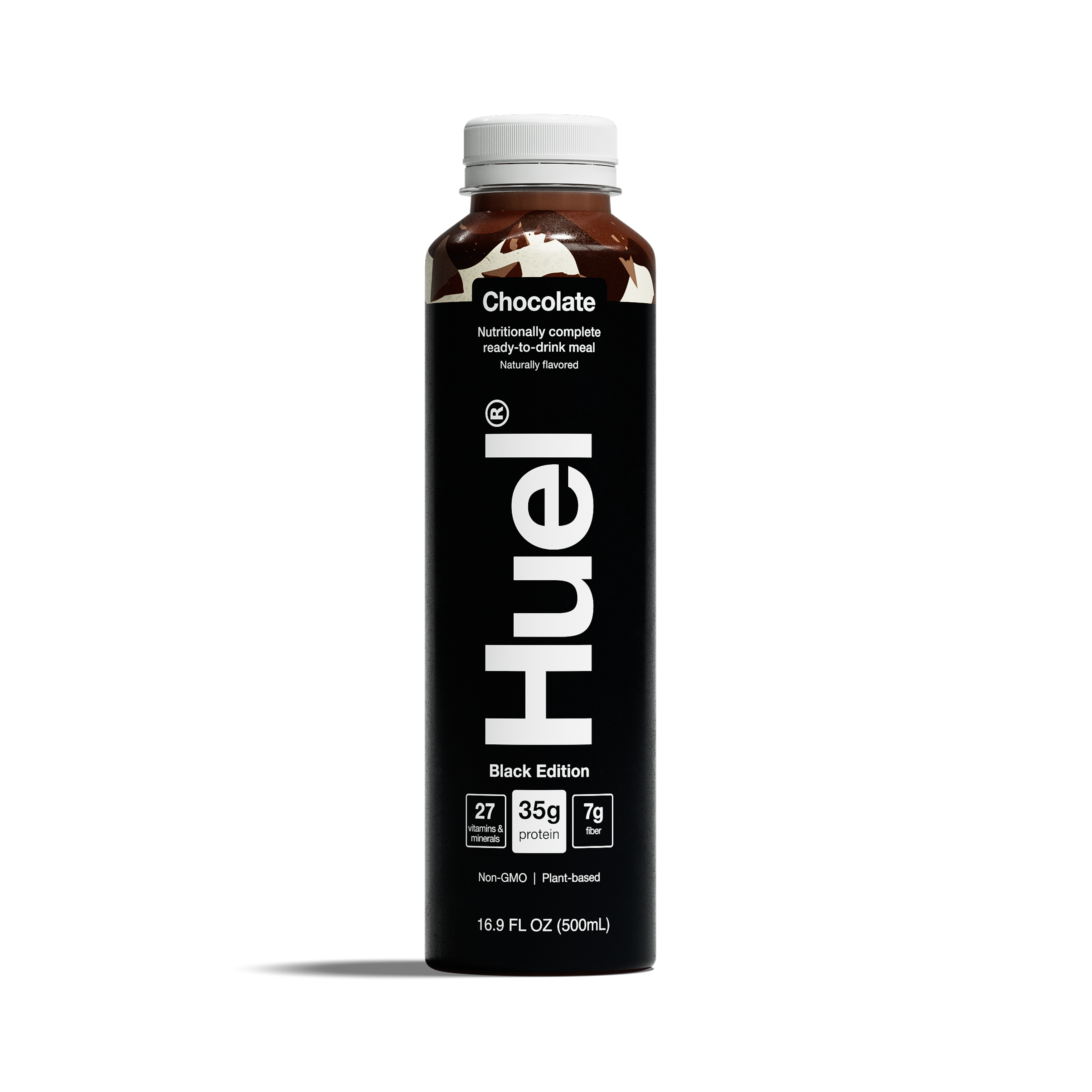

Black Edition Ready-to-drink
High-protein meal shakes
35g protein
400 cal per bottle

Most nutritional conversations focus on macronutrients — protein, carbohydrates, fat. These matter, but the vitamins and minerals that receive far less attention are equally essential to how the body functions. They regulate energy metabolism, immune response, hormone production, bone maintenance, and neurological function. And across Western populations, the same gaps appear with remarkable consistency.
TL;DR: The most common micronutrient shortfalls in Western diets are vitamin D, iron, magnesium, zinc, iodine, and folate. Each has specific dietary sources and, where relevant, supplementation options. Most can be addressed through targeted dietary improvements rather than a full overhaul.
The gap: Around one in six UK adults have low vitamin D status, and similar figures apply across northern Europe and in populations with limited sun exposure. Vitamin D is produced in the skin in response to UVB radiation, which is insufficient in the UK from October to March regardless of time spent outdoors. Very few foods contain meaningful amounts naturally — oily fish, egg yolks, and UV-exposed mushrooms are the main sources.
The consequences: Deficiency is linked to impaired bone mineralisation, muscle weakness, reduced immune function, and increased risk of respiratory infections. Emerging evidence connects insufficiency to elevated risks of cardiovascular disease, certain cancers, and depression, though causality in these associations is still being established.
The fix: The NHS recommends 10 micrograms (400 IU) of vitamin D3 daily for all adults during autumn and winter. People with darker skin, older adults, those who are rarely outdoors, and those who cover their skin should supplement year-round. Dietary sources alone are insufficient for most people in northern climates.
The gap: Iron deficiency is the world's most prevalent micronutrient deficiency. In the UK, it is most common in women of reproductive age (due to menstrual losses), children, and people following plant-based diets. Non-haem iron from plant foods is substantially less bioavailable than haem iron from meat — roughly 5 to 12% versus 15 to 35% absorption — making dietary sufficiency harder to achieve on a plant-based diet without deliberate attention.
The consequences: Fatigue and reduced concentration are the most commonly reported symptoms, but iron deficiency also impairs immune function, exercise capacity, and in children, cognitive development. Symptoms develop gradually and are frequently attributed to other causes, which is why iron deficiency anaemia is significantly underdiagnosed.
The fix: Red meat, liver, shellfish, and sardines are the most bioavailable sources. Plant sources — lentils, chickpeas, tofu, fortified cereals, pumpkin seeds, and dark leafy greens — are less bioavailable but contribute meaningfully at sufficient intake. Consuming non-haem iron sources alongside vitamin C (a glass of orange juice, a handful of strawberries) increases absorption substantially. Tea and coffee consumed with meals reduce it. Blood testing is the only reliable way to confirm deficiency.
The gap: Surveys in the UK and US consistently show that a substantial proportion of adults consume below the recommended intake of magnesium. The primary sources — whole grains, legumes, nuts, seeds, and dark leafy greens — are underrepresented in diets dominated by ultra-processed foods. Processing itself reduces magnesium content: refined wheat flour contains roughly 80% less magnesium than whole wheat.
The consequences: Outright deficiency is rare in healthy people with functioning kidneys, but subclinical insufficiency — below-optimal levels without clinical deficiency — is associated with increased fatigue, muscle cramps, sleep disruption, heightened stress reactivity, and over time, elevated blood pressure and metabolic dysfunction.
The fix: Pumpkin seeds, dark chocolate (70% or above), almonds, cashews, spinach, black beans, and whole grains are all reliable sources. Switching from refined to whole grains is the highest-leverage single change for most people. Magnesium glycinate or magnesium citrate supplements are well-absorbed forms if dietary correction is insufficient.
The gap: Zinc is found primarily in meat, shellfish (particularly oysters, which are exceptionally rich), legumes, seeds, and whole grains. As with iron, bioavailability is lower from plant sources — phytates in legumes and grains reduce zinc absorption — making deficiency more common in those eating plant-forward diets without compensatory strategies.
The consequences: Zinc is central to immune function, wound healing, DNA synthesis, and the production of hundreds of enzymes. Even mild deficiency impairs immune response, increases susceptibility to infection, and slows wound healing. Taste and smell impairment are distinctive symptoms of moderate deficiency.
The fix: Shellfish, red meat, and poultry are the most bioavailable sources. For plant-based eaters, pumpkin seeds, hemp seeds, lentils, chickpeas, and whole grains contribute meaningfully. Soaking or sprouting legumes reduces phytate content and improves zinc bioavailability. Zinc supplementation is effective but worth approaching cautiously — chronic high-dose zinc supplementation can impair copper absorption.
The gap: Iodine is one of the less discussed but genuinely common deficiencies in the UK, where the soil is iodine-poor and, unlike many countries, salt is not routinely iodised. The main dietary sources are dairy products, fish, and seafood. People following plant-based diets who don't consume dairy or sea vegetables are at particular risk.
The consequences: Iodine is essential for thyroid hormone production. Even mild deficiency can impair thyroid function, contributing to fatigue, weight gain, cold sensitivity, and cognitive slowing. In pregnancy, iodine deficiency is one of the most significant preventable causes of impaired infant brain development globally.
The fix: Milk, yoghurt, white fish, and seafood are reliable sources in omnivorous diets. Seaweed is the most concentrated plant source, though the iodine content varies so widely between species and preparations that it's difficult to rely on as a consistent source. Iodised salt or a supplement containing potassium iodide is the most reliable option for plant-based eaters. Pregnant women should not rely on seaweed due to the risk of excessive iodine intake.
The gap: Folate is found in dark leafy greens, legumes, asparagus, and fortified foods. Dietary folate intake is below recommended levels in a significant proportion of the UK adult population, and particularly among people who eat few vegetables. Folic acid — the synthetic form used in fortification and supplements — is more bioavailable than food folate but does not eliminate the gap in populations with low vegetable intake.
The consequences: Folate deficiency is most consequential in pregnancy, where it significantly increases the risk of neural tube defects. Outside of pregnancy, deficiency contributes to megaloblastic anaemia, elevated homocysteine levels (a cardiovascular risk marker), and impaired neurological function. Low mood and cognitive decline have also been associated with insufficient folate, though causality is less established.
The fix: The NHS recommends 400 micrograms of folic acid daily for women planning a pregnancy or in the first 12 weeks of pregnancy. For the general population, dark leafy greens (spinach, kale, broccoli), lentils, chickpeas, and asparagus are the most reliable dietary sources. Cooking reduces folate content significantly, so including some raw leafy greens is worthwhile.
Should I take a multivitamin to cover all of these gaps? A multivitamin can provide a useful safety net, but it shouldn't substitute for dietary improvement. The doses in most multivitamins are modest, absorption from supplement form is generally lower than from whole foods, and supplements don't replicate the full nutritional benefits of the fibre, phytochemicals, and synergistic compounds in whole foods. For specific identified deficiencies — particularly vitamin D, B12, and iron — targeted supplementation is more effective than a multivitamin.
How do I know which deficiencies I have? Blood testing through a GP or private health provider is the only reliable method. Standard panels typically include iron status (ferritin, haemoglobin), vitamin D, B12, and folate. Magnesium and zinc are less routinely tested but can be requested. Symptoms are non-specific enough that self-diagnosis is unreliable.
Are plant-based diets more likely to produce micronutrient gaps? Yes, for specific nutrients — B12, iron, zinc, iodine, and omega-3 fatty acids are the most significant concerns. This doesn't mean plant-based diets are nutritionally inadequate, but they require more deliberate planning and targeted supplementation (particularly B12, which is found exclusively in animal products) to meet all micronutrient needs reliably.
Can eating more varied whole foods really fix deficiencies? For most deficiencies other than vitamin D and B12 in vegans, improving dietary quality — more vegetables, legumes, whole grains, nuts, and seeds — produces meaningful improvements in micronutrient status over weeks to months. The exceptions are confirmed deficiencies, which are better corrected initially with targeted supplementation and then maintained through diet.