Meal timing is at the heart of debates about dieting, performance, and health. Should you eat early or late? Does skipping breakfast matter? Are intermittent fasting and one meal a day diets hacks for weight loss, or overhyped trends? As science around chrononutrition and metabolism advances, so does our understanding of when—and not just what—we eat. This article unpacks the latest research, dispels myths, and offers guidance for real-life routines.
TL;DR:
- What you eat and how much still matter most, but when you eat can impact weight, energy, and sleep.
- Eating the bulk of your calories earlier in the day may offer modest benefits.
- Intermittent fasting and one meal a day diets: not magic, but useful when matched to your lifestyle.
- For most, consistent meal timing supports metabolism—especially if you have diabetes or struggle with sleep.
- Athletes and exercisers: post-workout meal timing isn’t everything, but smart fueling helps recovery.
- Night shifts, irregular schedules, and cultural traditions mean personalisation is key.
- Summary: There’s no universal “best” time to eat—experiment, but don’t ignore the basics.
What Is Meal Timing and Why Does It Matter?
Defining Meal Timing and Chrononutrition
We all know food choices affect health—but the timing of meals is a newer frontier known as chrononutrition. This field focuses on how eating patterns interact with our internal body clocks (circadian rhythms). Circadian rhythms drive daily cycles of hormones, digestion, sleep, and energy, roughly in sync with daylight.
- Meal timing refers to when (and sometimes how often) you eat each day.
- Chrononutrition explores how meal timing aligns—or clashes—with circadian rhythms, influencing metabolism, hunger, and health.
How Meal Timing Interacts With Metabolism
Our metabolism isn’t flatlined: it follows daily rhythms. Insulin sensitivity, digestive efficiency, and fat storage all fluctuate:
- Morning: Many people are more insulin sensitive, meaning their bodies handle carbs and sugars more effectively.
- Evening/night: Metabolic processes like digestion and glucose tolerance tend to slow, potentially making late-night eating less optimal for some.
Researchers are uncovering “windows” where certain metabolic processes work best. Eating in sync with these rhythms may offer subtle health advantages—think of it as “nutritional jet lag” when we routinely eat against our biological clocks.
Meal Timing and Weight Management
Best Times to Eat to Lose Weight: What Does Science Say?
Is there a “best time” to eat to lose weight? Calorie control and food quality remain the foundation. Yet, research increasingly suggests that eating the majority of your calories earlier in the day can give a modest metabolic edge:
- Early vs. late eating: Studies show that “early time-restricted eating” (confining meals to earlier hours) can support weight loss and may improve blood sugar control.
- Skipping breakfast: Evidence is mixed. While skipping breakfast doesn’t doom your metabolism, for some, it may increase later-day overeating or cravings.
- Eating late at night: Several studies now link regular late evening eating to higher body weight and worse glucose control.
Key fact: In most studies, meal timing has a modest impact on weight compared to calorie intake.
Does When You Eat Matter More Than What or How Much?
Short answer: No. Calories and quality outweigh timing—but timing isn’t pointless.
- Calories in vs. calories out: Still the primary driver for weight loss or gain.
- Meal timing: Might enhance results, particularly if it helps you maintain a calorie deficit, reduce snacking, or stabilise hunger.
- Food quality: Always matters; the “when” can’t compensate for poor “what”.
When you eat can amplify the effects of what and how much—but doesn’t replace them.
Intermittent Fasting, One Meal a Day, and Daily Patterns
Intermittent Fasting Times and Time-Restricted Eating
Intermittent fasting (IF) isn’t just a fad—it’s an umbrella for various eating schedules:
- 16:8 protocol: 16 hours fasting, 8-hour eating window (e.g., eat from 12pm–8pm)
- 20:4 protocol: 20 hours fasting, 4-hour eating window
- Alternate day or 5:2 fasting: Days with dramatically reduced intake
Science checks:
- A 2022 review found intermittent fasting is not superior to continuous calorie restriction for fat loss when calories are matched.
- Some people find IF improves appetite control or helps maintain a deficit, but results vary.
Takeaway: IF works if it helps you eat less (or better)—not because it “boosts” metabolism. Consistency is key, and early eating windows may offer the most benefit.
The Reality of One Meal a Day (OMAD Diets)
The “one meal a day” diet (OMAD)—sometimes called one meal a day fasting—is a strict form of time-restricted eating.
Potential benefits:
- Convenience and simplicity for some
- Encourages calorie restriction
Risks and downsides:
- Hard to meet nutritional needs in a single meal, especially for athletes or those with higher requirements
- May provoke overeating, fatigue, mood swings, or social difficulties
- Not recommended for children, teens, those with a history of disordered eating, or many with diabetes
Sustainability matters: For most, OMAD is hard to stick to long-term. A less restrictive time-restricted eating pattern (like 8 or 10-hour windows) is easier to sustain and meet nutritional targets.
Meal Timing for Performance, Energy, and Sleep
Post Workout Meal Timing: Does It Really Matter?
For years, the myth of the “anabolic window” (eat protein/carbs within 30–60 minutes to maximize muscle gain) ruled fitness advice. Recent research shows:
- For most people, the “window” is more like several hours—not minutes.
- Total daily protein and calorie intake are more important than precise post-workout timing.
In short: If you’ve eaten a meal a few hours before training, you don’t need to rush a shake the second you finish. But regular, well-spaced meals do support recovery and muscle repair.
Good Post Workout Meal: What and When?
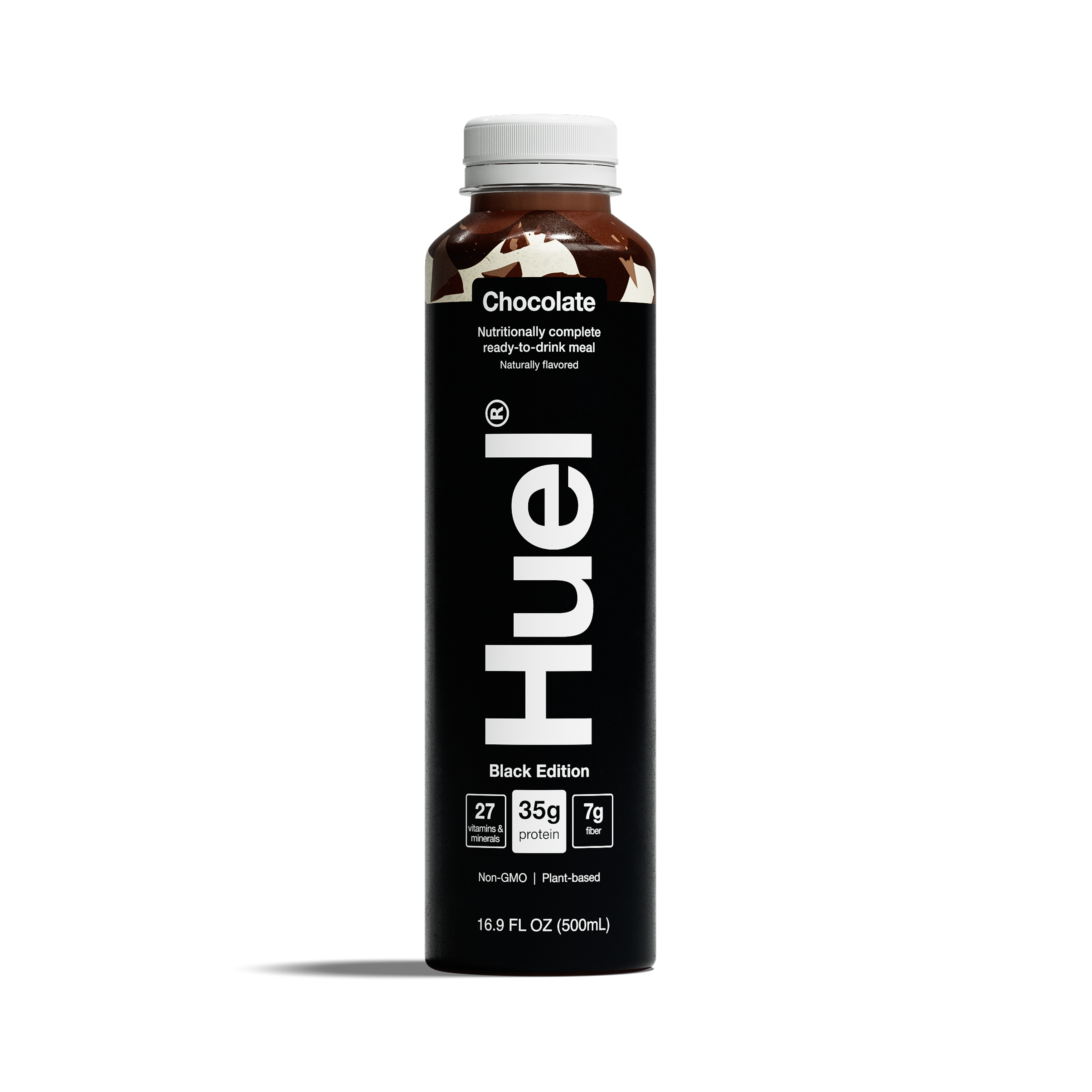
- For casual exercisers: Any balanced snack or meal with protein and carbs within 2–3 hours is generally sufficient. Think: Huel shake, yoghurt with fruit, chicken sandwich.
- For athletes or those doing multiple sessions a day: A good post workout meal soon after training (within ~2 hours) helps replenish energy stores and initiate muscle repair.
Key advice: Fuel based on your training volume, intensity, and daily schedule.
Meal Timing for Energy, Focus, and Sleep
Late-night meals can disrupt digestion and sleep quality for some. The body’s ability to regulate blood sugar and metabolize food declines at night. Research indicates:
- Eating 2–3 hours before bed is often recommended for digestive comfort and better sleep.
- Irregular meal times may worsen blood sugar variability for those with diabetes.
- Nightworkers and shift workers face unique challenges—try to keep meal timing as regular as practical, and avoid large meals in the middle of the night if possible.
Practical tip: If you need to eat late, choose lighter, easily-digestible foods.
Personalising Meal Timing: What Works for You?
Individual Variation in Meal Timing Needs
There is no “one-size-fits-all” schedule. Personal factors include:
- Hunger and satiety cues: Some thrive on breakfast, others feel better later.
- Lifestyle and culture: Work schedules, family routines, and cultural norms influence mealtimes.
- Health conditions: Diabetics may benefit from regular meal spacing to support blood sugar stability.
- Age, activity, medical needs: Children, athletes, and older adults have different needs.
Listen to your body—but remember, science suggests some common ground: consistency and staying mindful of total intake.
Practical Tips for Healthy Meal Timing
- Consistency helps: Aim to eat meals at roughly similar times most days to support circadian rhythms.
- Spacing matters: Skipping too many meals can prompt overeating later.
- Avoid common pitfalls: Extreme fasting, erratic eating, or trying to outsmart hunger usually backfire.
- Personalize: Test what works best for your goals, energy, and mood—and adjust as life changes.
The Bottom Line: Does Meal Timing Really Matter?
Meal timing isn’t a magic bullet, but neither is it irrelevant. When paired with sensible food choices and realistic goals, thoughtful scheduling can serve as an extra lever for weight, energy, and performance. Early eating windows, regular meals, and not eating too close to bedtime are common threads in the research—with individual flexibility encouraged.
Myths busted:
- Skipping breakfast can work for some.
- Intermittent fasting’s main benefit is helping some people eat less, not a unique fat-burning effect.
- You don’t need to inhale a protein shake immediately after lifting—but don’t go all day without fuel, either.
Eating at night isn’t inherently fattening—but it could work against your body’s natural rhythms if it becomes routine.
Edited by The Digest team




.png?auto=format&compress&w=3500)


