🔥 Bestseller
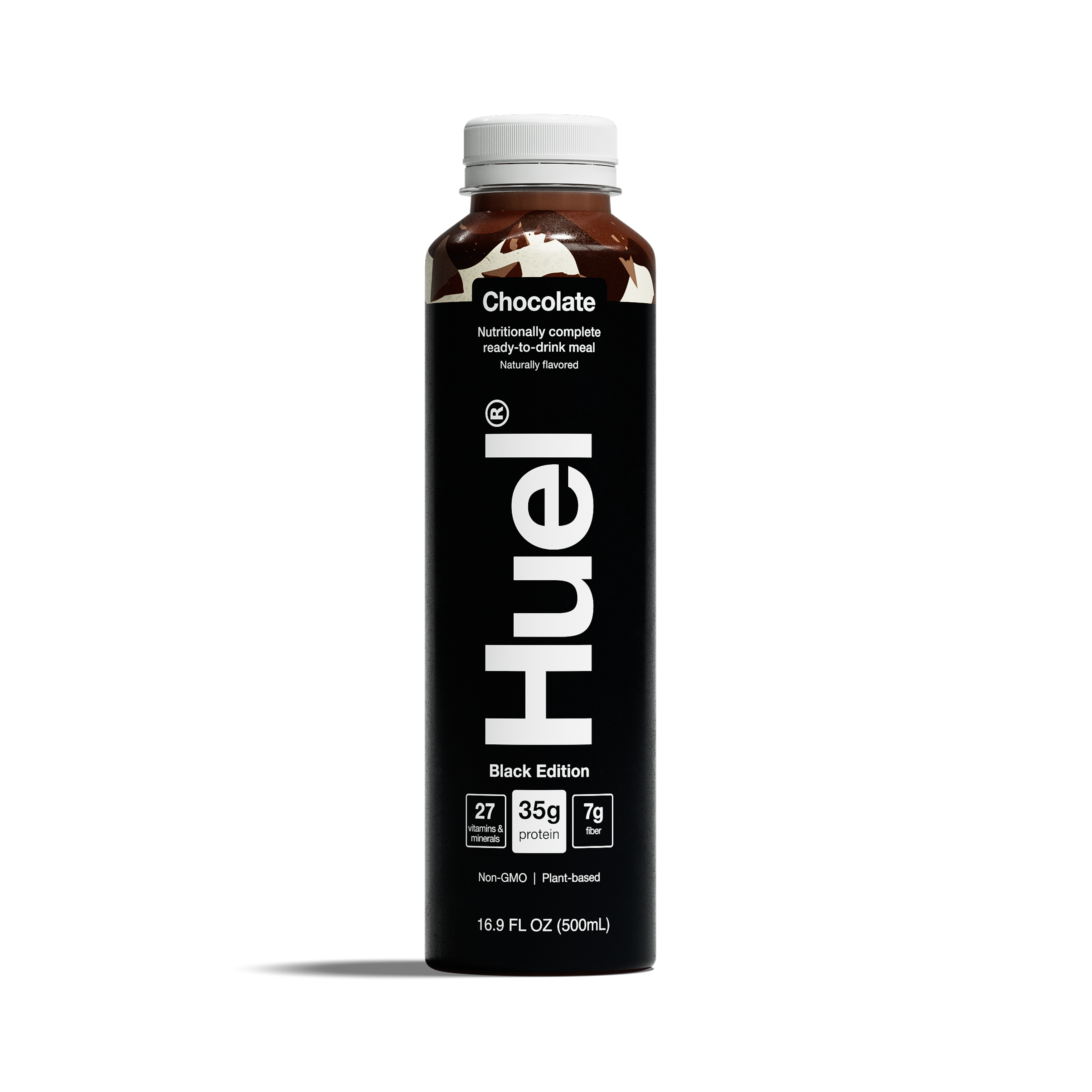

Black Edition Ready-to-drink
High-protein meal shakes
35g protein
400 cal per bottle

As grocery bills climb, especially for fresh fruits and vegetables, healthy eating can start to feel like a luxury. If filling your cart with nutritious food without draining your wallet seems harder than it used to, you're not imagining things. Still, with smart planning and some practical strategies, eating well on a tight budget is genuinely achievable.
TL;DR: Produce costs are up, but eating well on a budget is possible. Lean on frozen and canned vegetables, plan simple meals around affordable staples, reduce food waste, and use community resources where needed. Access isn't equal for everyone, but there are real-world solutions for nearly every household.
Grocery prices have made headline news, especially for the fresh fruits and vegetables most of us rely on for balanced meals. According to the USDA, the cost of fresh produce in the US jumped more than 5% in 2022 alone. Unpredictable weather, supply chain disruptions, and sustained inflation have pushed up costs at every stage from farm to store shelf. Even as some other food prices have steadied, produce has remained stubbornly expensive.
Processed foods like snack cakes or instant noodles often rely on heavily subsidized, shelf-stable ingredients, which insulates them somewhat from price volatility. Fresh foods cost more to store, transport, and sell, and they spoil faster, leaving less room for deals. For lower-income Americans, this dynamic intensifies existing challenges, squeezing already tight budgets and making it harder to maintain healthy eating habits consistently.
Approximately 19 million Americans live in food deserts: areas where affordable, nutritious food is difficult to find and access. These can be inner-city neighborhoods served only by corner stores, or rural towns where the nearest full grocery store is miles away. Food deserts disproportionately affect communities of color, low-income neighborhoods, and areas where public transportation is limited or nonexistent.
Grocery chains frequently avoid lower-profit regions, leaving smaller convenience stores as the primary option. That typically means higher prices, fewer fresh foods, and limited variety. Getting to a better-stocked store may not be feasible due to distance, transportation costs, or lack of a car. Even when healthier options are available, they often cost significantly more than in better-served neighborhoods — a structural inequity that goes well beyond individual shopping choices.
Fresh produce is ideal when it's accessible and affordable, but frozen and canned fruits and vegetables are nutritionally comparable and often considerably cheaper. In some cases, frozen produce is processed at peak ripeness and retains more nutrients than fresh items that have been in transit for days. When choosing canned goods, look for options labeled low-sodium or with no added sugar. Dried produce — split peas, lentils, raisins — also offers strong nutritional value at a low cost per serving and a long shelf life.
You don't need complicated recipes to eat well on a tight budget. Thinking in simple building blocks — one protein, one vegetable, one carbohydrate — makes meal planning manageable. Black beans, frozen spinach, and brown rice, for instance, can make a genuinely filling, nutritious meal for well under $2 per serving. Rotating a few flexible base recipes, such as stir-fries, soups, and grain bowls, lets you swap in whatever happens to be on sale or on hand.
Cooking in larger quantities is one of the most effective ways to reduce both spending and waste. Extra portions can be frozen for quick meals later in the week. Leftover odds and ends — half an onion, wilting carrots, a partial can of beans — work well in one-pot dishes, omelets, or soups. Up to 40% of food in the US is wasted every year, costing the average household around $1,500 annually according to the Natural Resources Defense Council. Every bit saved is real money back in your pocket.

Steak and fresh salmon aren't the only ways to hit your protein targets. Beans, lentils, and eggs deliver solid protein for a fraction of the cost, and canned fish like sardines, tuna, and salmon are nutrient-dense options that store well. When using meat, smaller amounts stretched with plant proteins go a long way — adding kidney beans to taco filling or chopped hard-boiled eggs to a salad, for example, extends a modest amount of animal protein without sacrificing satisfaction.
Whole grains like oats, brown rice, and barley are among the most cost-effective foods available. Bought in bulk, they keep well in sealed containers and provide sustained energy alongside meaningful amounts of fiber, B vitamins, and magnesium. Swapping packaged bread or sugary cereal for homemade oatmeal or a grain salad can make a meaningful dent in weekly spending. Sweet potatoes and regular potatoes are also excellent budget-friendly carbohydrate options when they're in season.
Pre-packaged snack foods tend to be expensive relative to their nutritional value. Air-popped popcorn, sliced carrots (fresh or from frozen), plain yogurt with fruit, roasted chickpeas, and peanut butter on whole-grain crackers are all affordable, satisfying options that require minimal preparation.
If money is genuinely tight, support is available. Food banks, SNAP benefits, community food pantries, and local gardens can all supplement grocery budgets. Many communities also offer free or low-cost cooking classes that provide practical meal planning skills alongside recipes suited to different cultural backgrounds and preferences. Local libraries, religious centers, and community health clinics are often good starting points for finding out what resources exist in your area.
Individual strategies matter, but so does the broader picture. Sharing practical knowledge in neighborhood groups or at community meetings, supporting local food initiatives, organizing produce swaps, and engaging with local leaders about food access are all meaningful steps. Closing the gap between who can and can't eat well isn't just a personal challenge — it's a community one.
How can you eat healthy when grocery prices are high? Focus on frozen or canned produce, batch cook with low-cost staples, and build meals around affordable proteins like beans, lentils, and eggs. Planning ahead and shopping with a list also helps prevent impulse purchases and food waste.
What are some cheap healthy meals for families? Bean chili with canned tomatoes and spices, a vegetable stir-fry using frozen mixed vegetables and rice, and lentil soup with carrots and celery are all filling, nutritious, and flexible. Most can be adjusted based on what's available or on sale.
How can I plan meals on a budget? Make a simple weekly menu before you shop, build your list around what you already have, and plan for leftovers to carry into the next day's meals. Sticking to a short rotation of versatile, low-cost staples reduces both spending and decision fatigue.
Is it possible to eat nutritious food when money is tight? Yes, though it requires more planning than it should. Affordable whole foods like beans, eggs, oats, and shelf-stable vegetables can form the basis of genuinely nutritious meals. Community resources — food banks, SNAP, local pantries — are there to help when the budget runs out before the week does.
How do food deserts impact eating well on a budget? Food deserts limit access to affordable, fresh, and varied foods, pushing many residents toward higher-priced convenience products or nutritionally poorer options. The challenge isn't just cost — it's physical access, which no amount of meal planning fully addresses without structural support.
What are cost-effective ways to get more fruits and vegetables? Buy produce that's in season for the lowest prices, use frozen or canned options as nutritional equivalents, and check with local food pantries or community gardens for supplemental access. Many pantries receive fresh produce donations that aren't widely advertised.
How can I reduce food waste to save money? Plan meals before you shop, store food properly to extend shelf life, freeze anything you won't use within a few days, and turn leftovers into soups, stir-fries, or grain bowls rather than discarding them.