
Black Edition Ready-to-drink
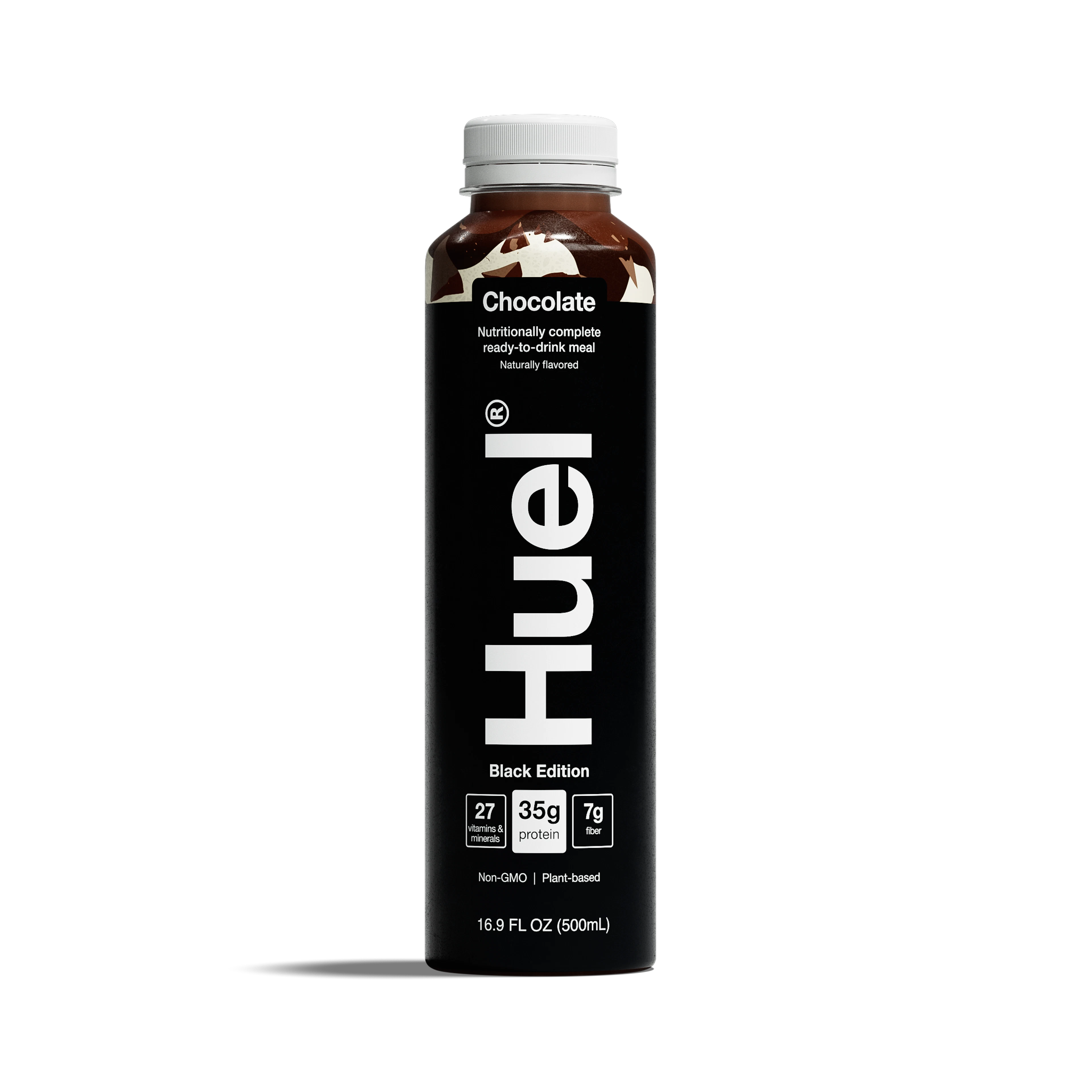
High-protein meal shakes
35g protein
400 cal per bottle
Many of us have been taught to think about food through the lens of calories. But calorie counts don’t really tell you anything more than the numbers. You won’t know how a meal will make you feel an hour later, how well it'll sustain your energy through the afternoon, or how it contributes to your long-term health. Meal composition and nutrient density are what really move the needle, and that's where the balanced plate method comes in.
It's a simple, visual approach to building meals that works for any cuisine, any lifestyle, and any level of cooking experience. No tracking apps, no mental arithmetic. Just a practical formula you can apply every time you eat.
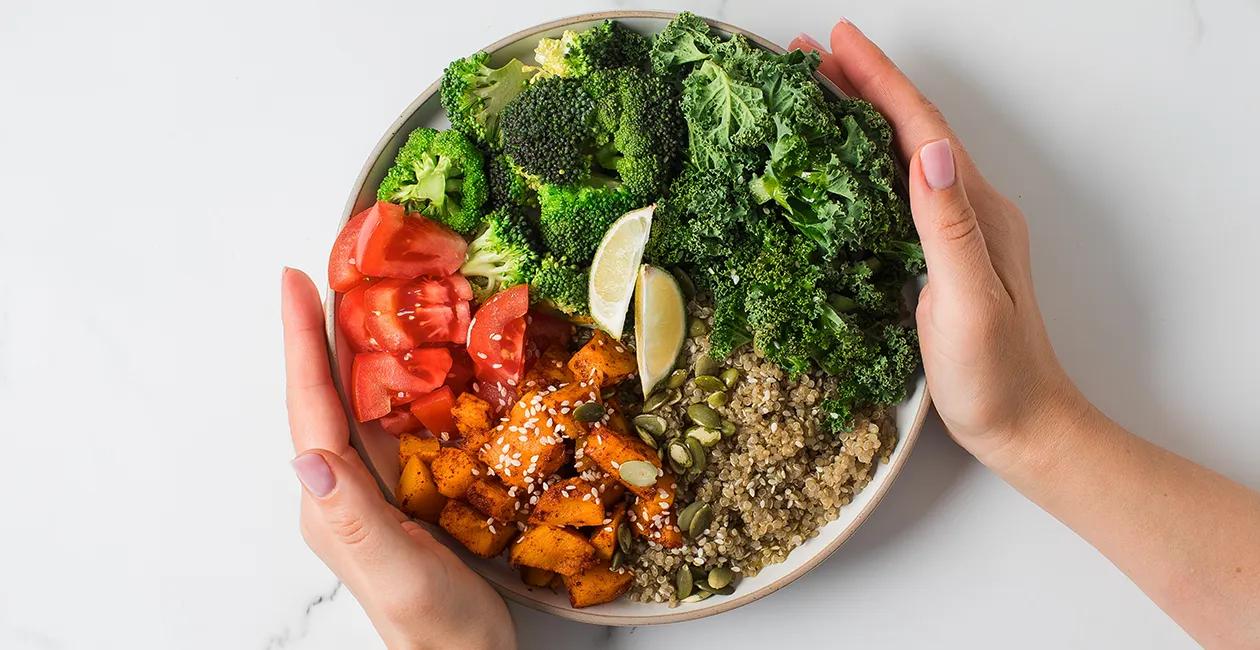
TL;DR: Instead of counting calories, the balanced plate method keeps things simple and visual. Fill half your plate with vegetables and fruits, a quarter with lean protein, and a quarter with wholesome carbohydrates. Add healthy fats and flavour throughout. It works for any diet, any cuisine, and any schedule.
Two meals can contain the same number of calories and produce completely different outcomes. A plate of refined carbohydrates may deliver a quick energy spike followed by a slump, while a meal built around whole foods, lean protein, and plenty of vegetables tends to support steadier energy, greater satiety, and better blood sugar regulation.
Research published in the British Medical Journal links diets higher in whole grains, lean proteins, and plant foods to a meaningfully lower risk of chronic disease. And yet, according to CDC data, only 1 in 10 adults eats enough vegetables daily. The gap isn't usually a matter of willpower. It's often a matter of not having a clear, repeatable system.
That's exactly what the 3-step formula provides.
This is the foundation of any nutrient-dense meal, and it's the principle at the heart of Harvard's Healthy Eating Plate, developed by the T.H. Chan School of Public Health. Half your plate should be vegetables and fruits, and variety matters as much as volume.
Different colours in produce signal different phytochemicals, the naturally occurring compounds linked to reduced inflammation, immune support, and disease protection. Leafy greens, orange sweet potato, red peppers, purple cabbage, and blueberries each bring something distinct to the table. Eating a range of colours throughout the week is one of the simplest ways to broaden your nutritional base.
One practical barrier here is cost or convenience, but it's worth knowing that frozen and canned vegetables count just as much as fresh. The nutritional profiles are largely comparable, and in some cases, frozen produce is harvested and processed at peak ripeness, preserving more nutrients than fresh items that have been in transit. When choosing canned options, look for varieties with no added salt or sugar.
Quick wins: Spinach stirred into scrambled eggs, frozen peas added to a grain bowl, or a side of roasted broccoli with dinner. Small additions build up quickly.
Protein is essential for muscle repair, immune function, and satiety. Including a solid protein source at each meal helps prevent the energy dips and hunger spikes that come from carbohydrate-heavy eating.
The British Nutrition Foundation recommends roughly a palm-sized portion of protein per meal, which translates to approximately 20 to 30 grams for most adults, though this varies depending on body size, activity level, and age.
Good sources span both animal and plant-based options:
For anyone eating a plant-based diet, combining protein sources throughout the day (rather than worrying about "complete proteins" at every single meal) is a practical and effective approach. A lentil and quinoa bowl, for instance, provides a strong complementary amino acid profile.

Carbohydrates are not the enemy. They're the body's preferred energy source, and the quality of those carbohydrates is what determines how well they serve you.
Whole grains and starchy vegetables retain their fibre and micronutrients, which slow digestion, support gut health, and prevent the blood sugar spikes associated with refined options. Brown rice, quinoa, wholegrain pasta, oats, sweet potato, and barley are all strong choices.
Refined carbohydrates (white bread, white rice, pastries, sugary cereals) have been stripped of most of their fibre and nutrients during processing. They digest quickly, which can lead to energy crashes and increased hunger shortly after eating. Swapping refined options for whole food alternatives doesn't require a dramatic overhaul of your meals, just consistent, incremental choices.
A balanced plate isn't complete without healthy fats, which support brain function, hormone production, and the absorption of fat-soluble vitamins (A, D, E, and K). These don't need their own dedicated section of the plate; they're best added in moderate amounts across the meal.
Good sources include avocado, extra virgin olive oil, nuts, seeds, and oily fish like salmon or mackerel. A drizzle of olive oil over roasted vegetables, a handful of walnuts in a salad, or some sliced avocado alongside eggs all do the job.
Flavour is also worth prioritising. Meals that taste good are meals you'll actually eat, and herbs, spices, citrus, and fermented condiments like miso or apple cider vinegar add depth without loading up on sodium or sugar.
For busy days and plant-based lifestyles, the 3-step formula adapts well to batch cooking and bowl-style meals. Cook a batch of grains, roast a tray of mixed vegetables, and prepare a protein source at the start of the week, then assemble combinations quickly as needed. When time genuinely runs short, a nutritionally complete option like Huel Powder can cover all your macronutrient and micronutrient bases in one convenient meal, a useful fallback for days when building a plate from scratch isn't realistic.
Here's how the formula looks in practice across different eating patterns:
Omnivore: Grilled salmon (protein) with roasted sweet potato (carb), a large side of steamed broccoli and mixed leaves (veg), and a drizzle of olive oil (fat).
Vegetarian: A soft-boiled egg and halloumi (protein) alongside quinoa (carb), roasted courgette, spinach, and cherry tomatoes (veg), topped with pumpkin seeds (fat).
Plant-based: Spiced lentils and chickpeas (protein) with brown rice (carb), wilted greens and roasted red peppers (veg), finished with tahini dressing (fat).
Eating out: Most restaurant menus can accommodate the formula. Ask for extra vegetables, swap fries for a side salad or roasted potato, and choose grilled proteins over fried. The proportions might not be perfect, but the mindset travels well.
High-protein meal shakes
35g protein
400 cal per bottle
On-the-go instant meals
Up to 25g protein
400 cal per meal
Complete protein bar
Up to 15g protein
Up to 210 cal per bar
✨ New flavors
.png?auto=format&compress=true&w=3840)

Sparkling supergreens drink
42 vitamins, minerals & nutrients
35 cal per can
What is the balanced plate method? The balanced plate method is a visual, proportion-based approach to meal composition. Rather than counting calories, you divide your plate into sections: half for vegetables and fruits, a quarter for lean protein, and a quarter for wholesome carbohydrates, with healthy fats and flavour additions throughout. It's flexible enough to work across cuisines and dietary preferences.
Do you need to count calories to eat balanced meals? No. The balanced plate approach replaces calorie counting with a focus on food quality and proportion. Research consistently shows that diets built around whole, minimally processed foods support healthier body weight, stable energy, and lower chronic disease risk, without the need to track numbers. It's a more sustainable and less stressful framework for most people.
How do you build a balanced plate for a plant-based diet? The formula works well for plant-based eating. Fill half your plate with a variety of vegetables and fruits, use a quarter for plant proteins (lentils, tofu, tempeh, beans, edamame), and fill the remaining quarter with whole grains like quinoa, brown rice, or wholegrain pasta. Eating a variety of protein sources across the day ensures you're getting a complete range of amino acids.
Can you use the balanced plate formula for meal prepping? Absolutely. Batch-cooking each food group separately gives you maximum flexibility. Cook a large portion of grains, roast two or three trays of mixed vegetables, and prepare proteins in bulk (boiled eggs, cooked lentils, baked chicken). Store them separately in the fridge and assemble balanced bowls or plates in minutes throughout the week.
How do you get enough protein on a balanced plate? Aim for a palm-sized serving of protein at each meal, roughly 20 to 30 grams for most adults. Combining sources helps: a meal with both beans and a grain, or eggs and some Greek yoghurt on the side, adds up quickly. For plant-based eaters, consistency across meals matters more than any single meal being "complete."
What are some quick options for building a balanced plate? Grain bowls are one of the most efficient formats: a base of cooked grains, a protein, whatever vegetables you have, and a simple dressing. Wraps, loaded salads, and nourishing soups also adapt well to the formula. On days when cooking isn't an option, a nutritionally complete powder like Huel can serve as a quick, balanced meal that covers all your nutritional bases.
Edited by The Digest team