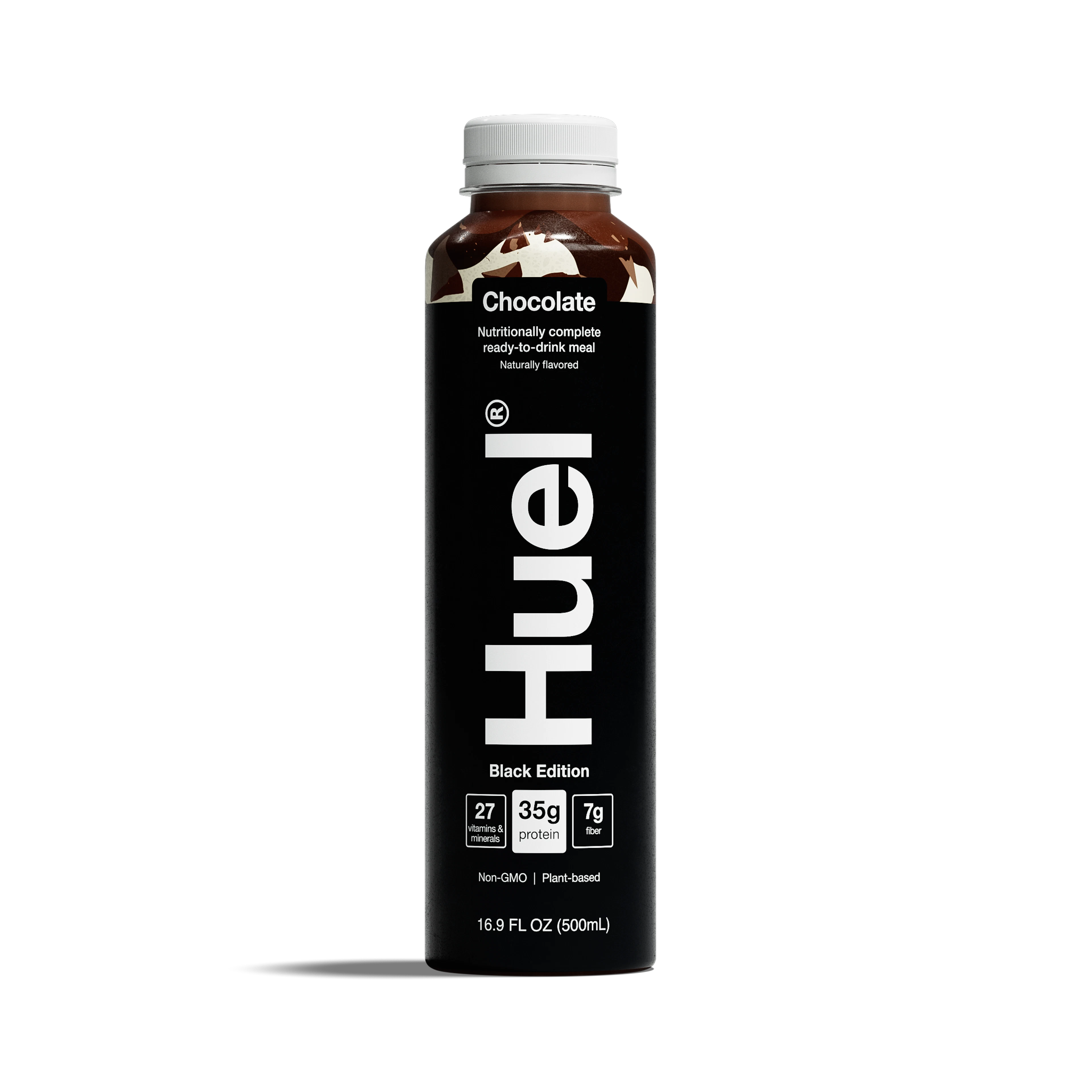
Black Edition Ready-to-drink
High-protein meal shakes
35g protein
400 cal per bottle
Metabolism is the term for the series of chemical reactions that take place as the body breaks down nutrients from food and drinks and converts them into energy.
The promise of a metabolic boost is a common claim in the wellness space. Green tea, chili peppers, cold showers, small frequent meals, apple cider vinegar as just a few alleged metabolism boosters. The list is long; the evidence is considerably shorter, and the gap between the two is reliably filled with confident marketing.
So what does the science actually say?
Metabolism refers to all the chemical processes in the body that sustain life. This includes converting food into energy, repairing tissue, growing, and removing waste from the body. When people describe their metabolism as being fast or slow, they’re often referring to their metabolic rate (the rate at which the body uses energy to maintain essential functions).
That energy use breaks down into a few pieces:
Resting metabolic rate (RMR) - what the body burns simply existing. These basic functions include: breathing, blood circulation, and keeping organs running. This is roughly 60-70% of most people’s daily burn, and it's what most people are referring to when they talk about metabolism.
The thermic effect of food (TEF) - the energy cost of digesting food. It accounts for roughly 10% of your daily total energy expenditure.
Exercise activity thermogenesis (EAT) - energy burned during physical exercise.
Non-exercise activity thermogenesis (NEAT) - energy burned through all movement that isn't deliberate exercise: walking, fidgeting, standing, doing housework. This varies more than most people realize and can differ widely from person to person.
So, when people talk about "boosting metabolism," they're almost always talking about RMR. RMR is driven by many factors including how much lean muscle you have, your age etc - not just by the food or drink you’re being sold.
Green tea extract, cayenne pepper, ginger, coffee, and apple cider vinegar all appear in “metabolism-boosting” conversations. The evidence for most is underwhelming. Green tea, caffeine and capsaicin do produce a very small increase in your metabolism, but the effect is short-lived and diminishes with continued use as the body develops tolerance.
The idea that eating small, frequent meals keeps metabolism elevated is one of the most persistent nutritional myths. Research has shown that total daily energy expenditure does not differ meaningfully between three and six meals when total caloric intake is matched.
No credible evidence supports the use of detox programs or juice cleanses for metabolic enhancement. The liver and kidneys are the body's detoxification systems, and they function independently of whatever cleanse is being marketed.
This is a factor you can control. Muscle tissue burns roughly 13 calories per kilogram per day at rest, compared to roughly 4.5 calories per kilogram for fat tissue. It is a modest difference, but consistent resistance training offers a whole host of benefits beyond the calorie math alone.
Protein has a higher thermic effect than carbohydrates or fat. Roughly 20-30% of its calories are burned off in processing (roughly 5-10% for carbs and 0-3% for fat). A diet higher in protein therefore produces a small but genuine increase in daily energy expenditure.
Skipping sleep doesn’t just make you tired. It can change what and how much you eat. Research found that partial sleep restriction led people to eat an average of 385 extra calories the next day. This isn’t necessarily about metabolism “slowing down”—it’s more about how insufficient sleep affects appetite and food choices.
This is counterintuitive but important. Very-low-calorie diets (obesity guidelines set a minimum of approximately 1,200 calories for women and 1,500 for men) can trigger metabolic adaptation. This occurs when the body responds to perceived starvation by lowering RMR, increasing hunger signals, and breaking down more muscle for energy. This adaptation is reversible, but it helps explain why aggressive diets tend to fall short.
Most “metabolism boosters” are chasing effects that are real but small, temporary or simply nonexistent. Two things that are worth your effort are building and keeping muscle and steering clear of the kind of severe calorie restriction that pushes the body into adaptation mode. That being said, if you are experiencing unexplained problems related to your metabolism, it is best to speak to a doctor for advice.
Words by Katherine Barrett, BSc Food Science and Nutrition, Huel nutrition team
High-protein meal shakes
35g protein
400 cal per bottle
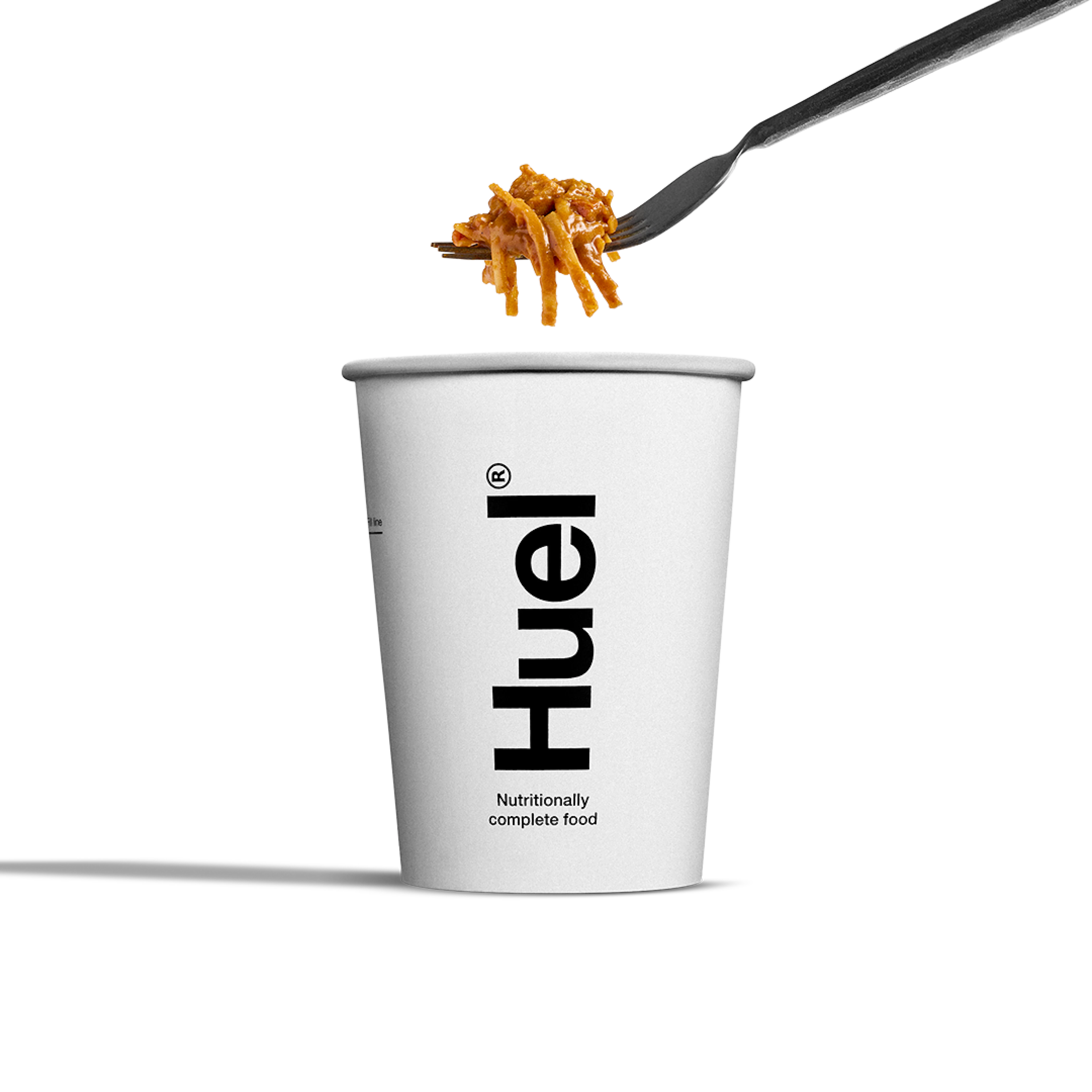
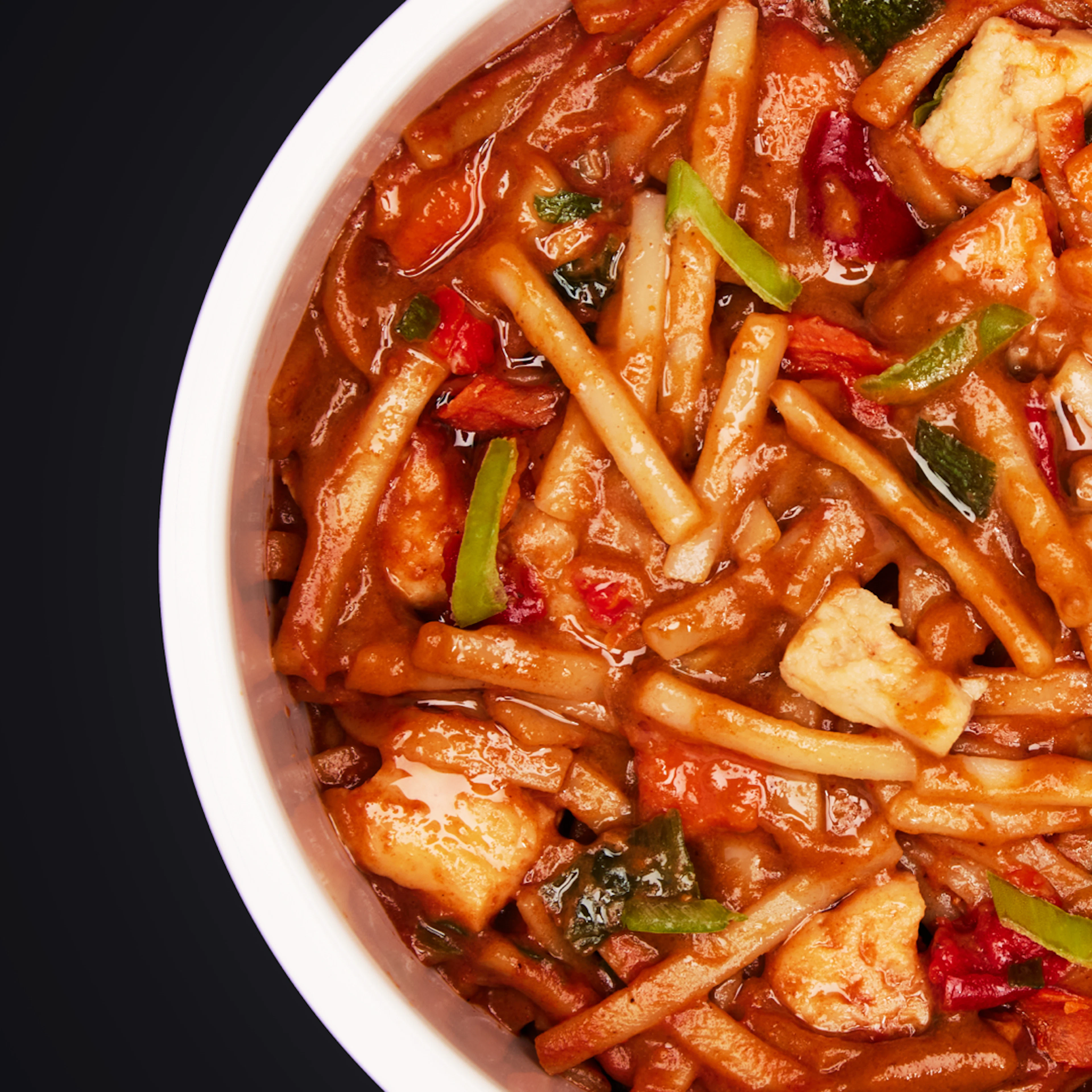
On-the-go instant meals
Up to 25g protein
400 cal per meal
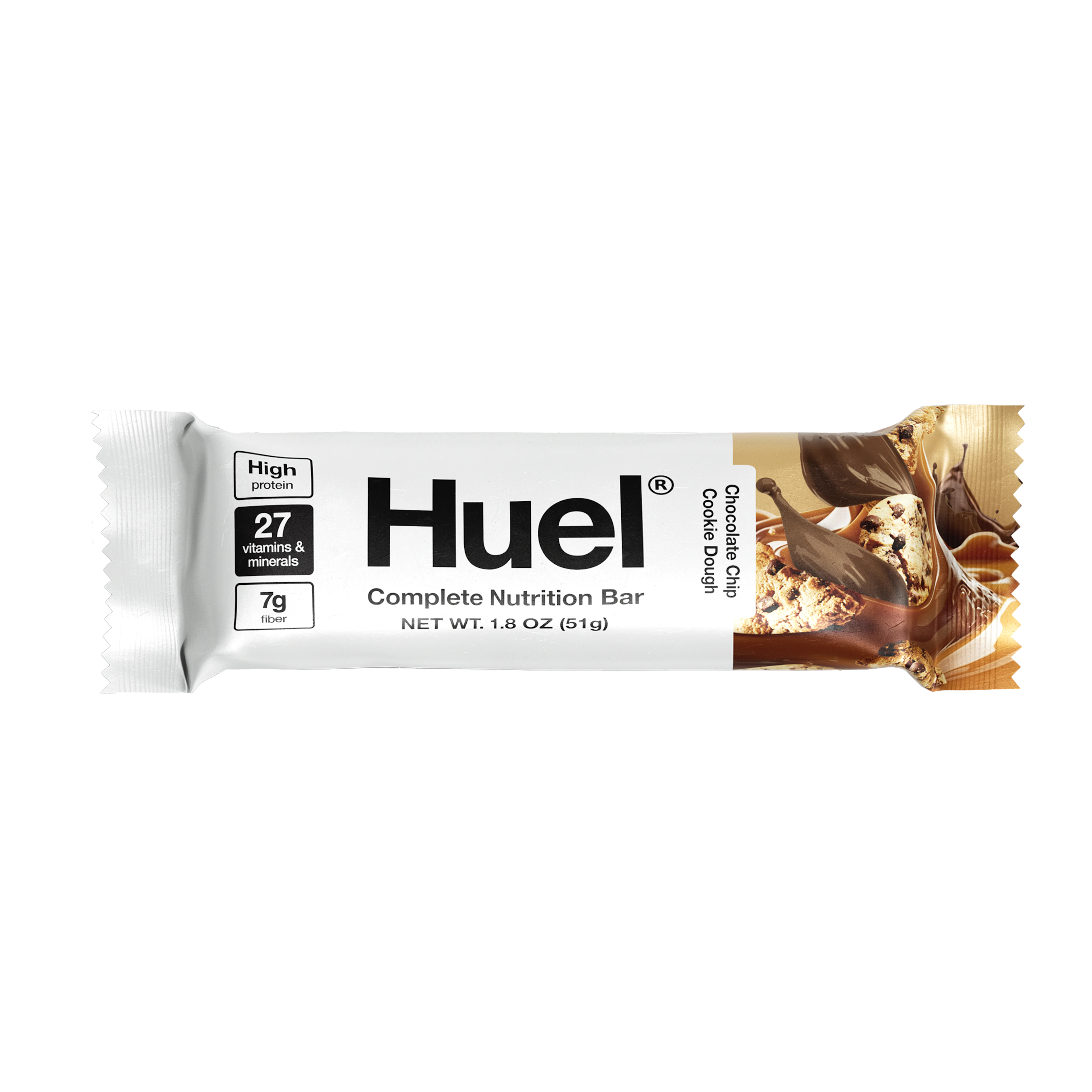
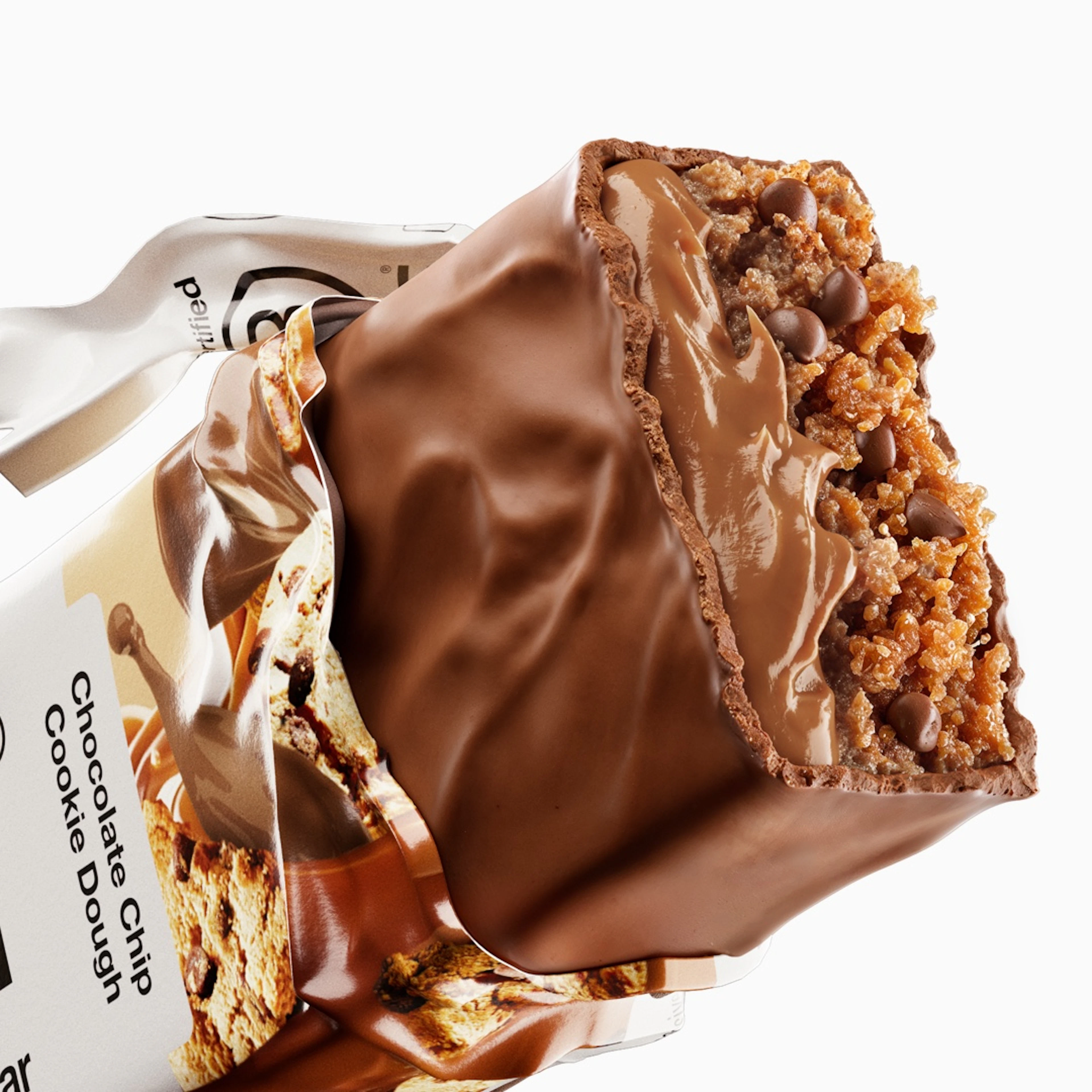
Complete protein bar
Up to 15g protein
Up to 210 cal per bar
✨ New flavors
.png?auto=format&compress=true&w=3840)

Sparkling supergreens drink
42 vitamins, minerals & nutrients
35 cal per can