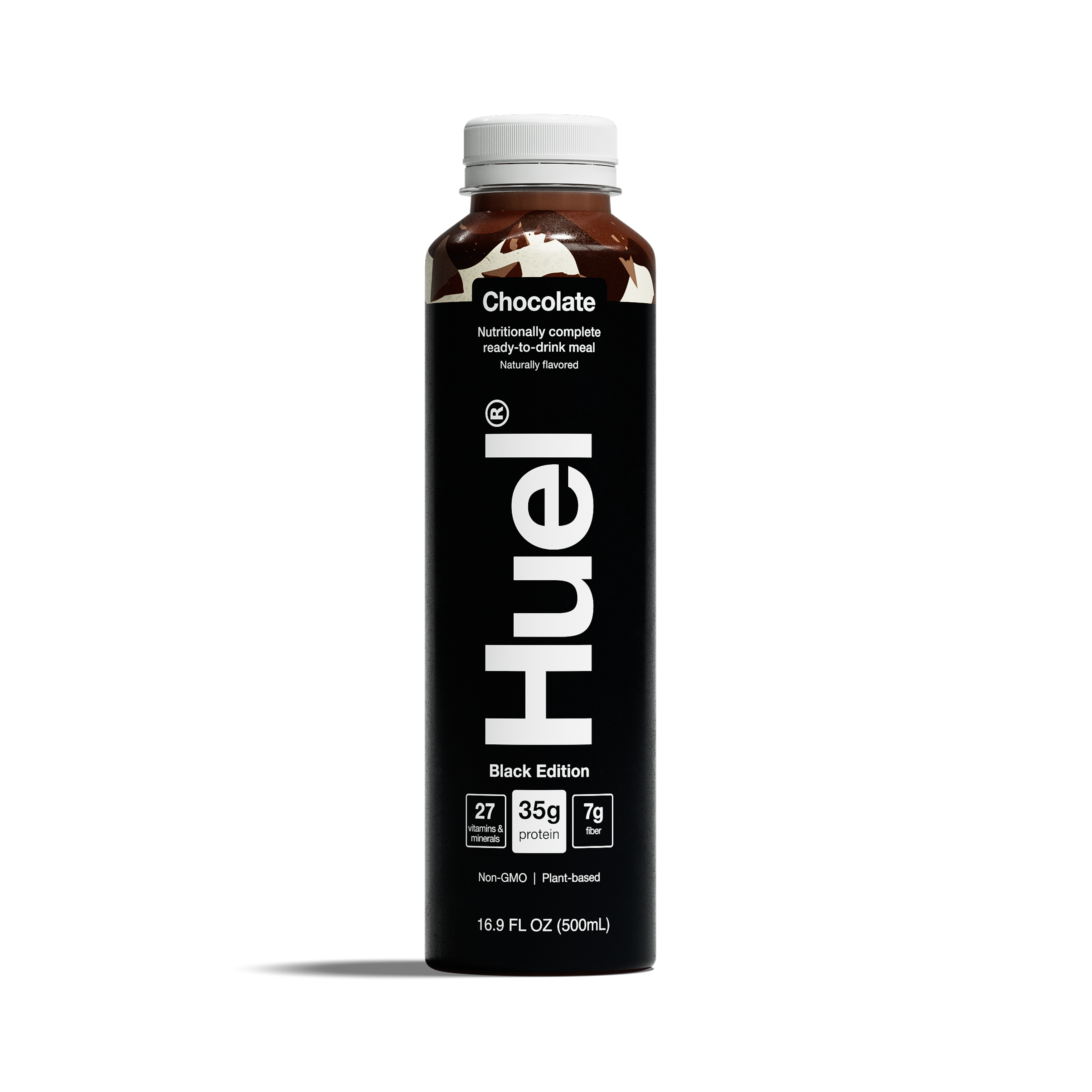

Black Edition Ready-to-drink
High-protein meal shakes
35g protein
400 cal per bottle

Intermittent fasting (IF) is an eating pattern that cycles between periods of eating and voluntarily abstaining from food.
The short version
The focus of intermittent fasting is primarily on when you eat rather than what you eat.
Types of intermittent fasting:
One of the main theories behind IF focuses on circadian biology. The human body has an internal clock that operates on an approximate 24-hour cycle (circadian rhythm) and influences a number of processes, such as sleep. Read more on circadian rhythms here.
Feeding and fasting can affect the body’s circadian clock. One theory is that certain intermittent fasting schedules, particularly those that concentrate food intake earlier in the day, may align more closely with the body’s circadian rhythms and offer potential metabolic benefits. Eating the majority of calories earlier in the day rather than late at night may also exert health benefits in much the same way.
As a fast continues, insulin levels fall and the body gradually relies more heavily on stored fat for energy, producing ketones in the process. The timing and extent of this metabolic shift vary depending on factors such as fasting duration, activity level, and a person’s usual diet.
One of the main reasons people try intermittent fasting is to lose weight. A shorter eating window may naturally result in fewer calories being consumed over the week. Overall, intermittent fasting can support weight loss for some people, but it does not consistently outperform other approaches that create a similar calorie deficit. Its main advantage may be that some people find the schedule easier to follow.
Reductions in C-reactive protein—a blood marker of inflammation—total cholesterol, and triglycerides have been reported across several studies. However, these positive results are difficult to separate from the effects of weight loss, as many participants in these studies also lost weight.
Autophagy is a cellular process that removes and recycles damaged components. Fasting has been shown to influence autophagy and oxidative stress in animal and laboratory studies. However, researchers do not yet know whether typical intermittent fasting schedules meaningfully increase autophagy or extend lifespan in humans.
Research suggests that calorie restriction and intermittent fasting may affect biological processes associated with aging. In humans, however, the long-term effects remain unclear, and studies designed to measure lifespan directly would be extremely difficult to conduct.

Intermittent fasting may not be appropriate for some people with diabetes, particularly those who take insulin or medications that can cause low blood sugar. Anyone with type 1 or type 2 diabetes should speak with their healthcare provider before trying it, as medication and blood sugar monitoring may need to be adjusted. Intermittent fasting is also generally not recommended during pregnancy or breastfeeding, for children and adolescents, or for people with a current or previous eating disorder unless advised and supervised by an appropriate healthcare professional. People with other medical conditions or medications affected by food intake should consult their healthcare provider first.
During fasting periods, particularly when starting out, some people may experience headaches, dizziness, low energy, or difficulty concentrating. Staying properly hydrated may help with some symptoms, but anyone experiencing persistent or severe symptoms should stop fasting and consult a healthcare professional.
Edited by The Digest team
High-protein meal shakes
35g protein
400 cal per bottle


On-the-go instant meals
Up to 25g protein
400 cal per meal


Complete protein bar
Up to 15g protein
Up to 210 cal per bar
✨ New flavors
.png?auto=format&compress&w=3500)

Sparkling supergreens drink
42 vitamins, minerals & nutrients
35 cal per can