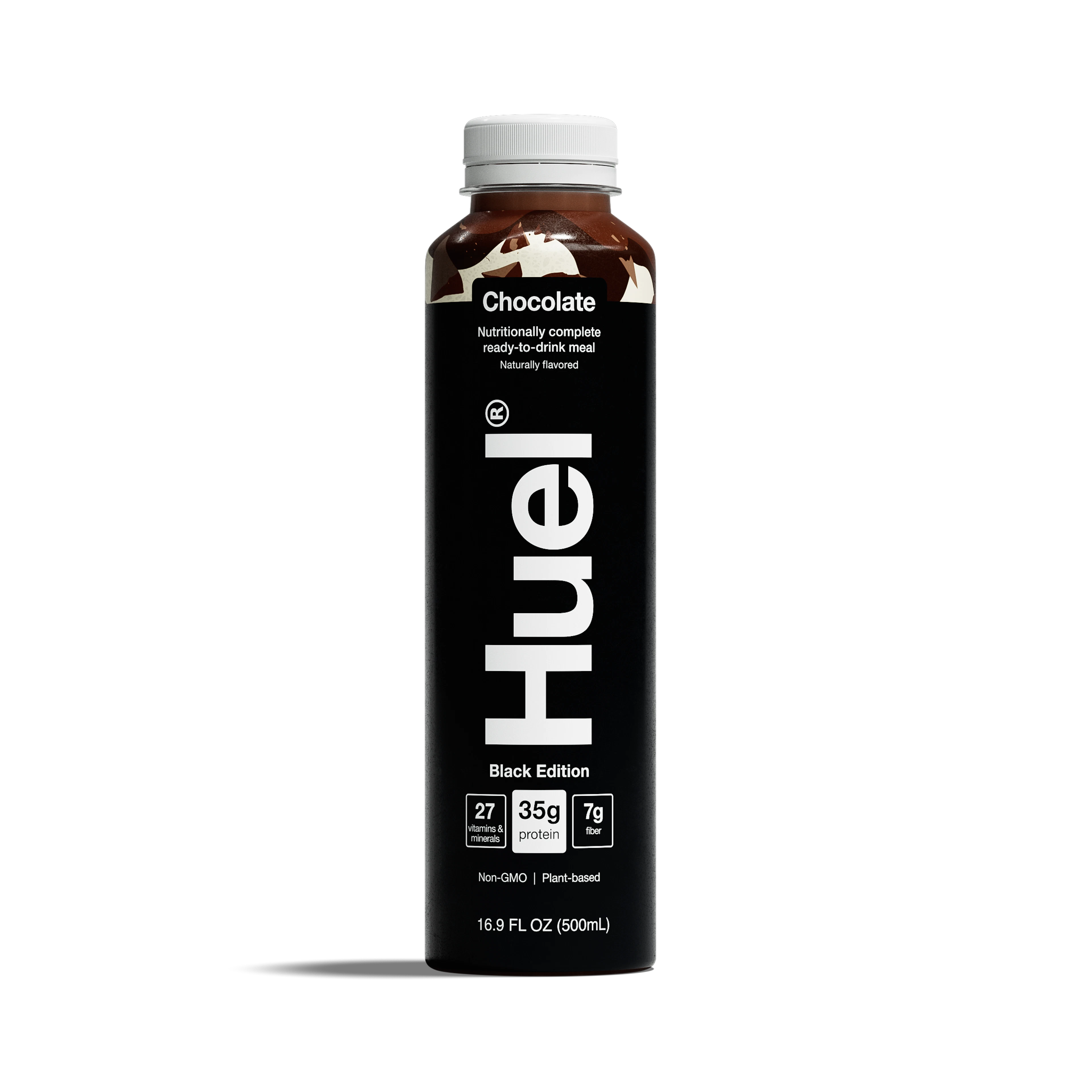

Black Edition Ready-to-drink
High-protein meal shakes
35g protein
400 cal per bottle

Four weeks is not enough time to transform your body. It is, however, enough time to meaningfully change how it feels, how it moves, and what it can do — and to build the habits that make longer-term progress possible. Many four-week programs are built around restriction: cut this, eliminate that, and push through the month on willpower. That approach works for approximately as long as willpower holds, which for most people is not very long.
A more sustainable approach is to focus on adding supportive habits—more movement, adequate protein, better sleep, and greater consistency—while making small, targeted adjustments to the things that matter most.
TL;DR: Building a stronger body in four weeks is about consistent strength training, adequate protein, and better sleep — not extreme restriction. Small, sustainable changes can build momentum quickly. You don't need to overhaul your diet or your life to see real results.
Before setting expectations, it's worth being precise about what four weeks of focused effort can realistically deliver. Significant increases in muscle mass generally take longer than four weeks. Beginners may improve their strength relatively quickly, but much of that early progress comes from becoming more skilled and efficient at the exercises rather than adding large amounts of new muscle. Four weeks won’t produce the kind of visible transformation that fitness marketing often promises.
What it may produce is improved strength, greater confidence with the exercises, better movement quality, and the beginnings of a sustainable routine. Some people may also notice changes in energy or body composition, although results vary. These outcomes may be less photogenic than a dramatic before-and-after, but they provide a more realistic foundation for continued progress.
Three resistance-training sessions per week can be an effective and manageable schedule for a beginner or someone returning to exercise. Two well-structured sessions can also produce meaningful benefits, particularly when starting out. For three weekly sessions, a full-body format is often the simplest approach.
Base each session around movements such as squatting or sitting down and standing up, hinging, pushing, pulling, carrying, and lunging. These can be performed with machines, dumbbells, resistance bands, or bodyweight exercises. These train multiple muscle groups at once and can make workouts more time-efficient. Isolation exercises, such as biceps curls and triceps extensions, are fine additions but shouldn’t dominate sessions.
Progressive overload means gradually increasing the challenge as your strength and technique improve. This might mean using slightly more weight, completing another repetition with good form, adding a set, improving your range of motion, or performing the movement with better control. Even small improvements in weight, repetitions, range of motion, or technique can represent meaningful progress.
Rest days are not lost days. Muscle repair and adaptation happen during recovery, not during training. Avoid training the same muscle groups hard on consecutive days when you are starting out. A Monday-Wednesday-Friday schedule, for example, gives you at least one recovery day between sessions. Light movement on rest days can help you stay active without placing the same demands on the muscles you trained.
Sleep is one of the most important recovery tools available, and it costs nothing. Research published in the journal Sleep, alongside findings from other studies, suggests that insufficient sleep can affect exercise performance, appetite, glucose regulation, and recovery from training. Most adults should aim for at least seven hours of sleep, with many benefiting from seven to nine hours per night.
Dietary protein provides the amino acids needed to repair and build muscle tissue. People who regularly do resistance training may benefit from roughly 1.2 to 2.0 grams of protein per kilogram of body weight per day, or about 0.5 to 0.9 grams per pound. For a 154-pound person, that’s roughly 84 to 140 grams per day, depending on training demands and individual goals.
This doesn’t require protein shakes or specialty products. Chicken, fish, eggs, dairy, legumes, tofu, and tempeh can all contribute toward daily protein needs. The practical challenge for most people is distribution. Spreading protein across several meals can provide multiple opportunities to stimulate muscle protein synthesis, although total daily protein intake remains important.
Carbohydrates help fuel exercise, particularly longer or higher-volume training sessions. Severely restricting carbohydrates may make it harder for some people to train at a high intensity or recover between demanding sessions. Both the amount and type of carbohydrate should reflect your overall energy needs, training volume, and preferences. Whole grains, fruits, vegetables, and legumes can also provide fiber and important nutrients.
Dietary fat supplies essential fatty acids and helps the body absorb fat-soluble vitamins. Very low-fat diets can make it difficult to meet essential-fat and overall energy needs, so there is generally no reason to eliminate fat when strength is the goal.
Foods worth reducing—not necessarily eliminating—include snacks high in added sugar, sodium, or saturated fat when they regularly take the place of more nutrient-dense options. Frequent or heavy alcohol consumption can also work against sleep and recovery, while sugary drinks may add substantial calories without being particularly filling. This is a "less of" rather than a "none of" adjustment for most people, which is considerably more sustainable.
Many people eat relatively little protein at breakfast and much more at dinner. Adding a source of protein to breakfast can make it easier to spread protein intake across the day and may help some people feel satisfied through the morning. Options include eggs, Greek yogurt, cottage cheese, tofu, or a protein-rich smoothie.
Week 1: Focus on learning the movements, choosing a manageable starting level of resistance, and completing the planned sessions. Some muscle soreness is common after unfamiliar exercise and often peaks 24 to 48 hours afterward.
Week 2: Repeat the sessions and adjust exercises or weights where needed. Soreness may become less noticeable as the movements become more familiar, but there is no need to increase the weight unless you can do so with good form.
Week 3: Look for small opportunities to progress, whether that means another repetition, slightly more resistance, or better control and range of motion. Your training routine and nutrition habits may also begin to feel more familiar and require less conscious effort.
Week 4: Review what worked, what felt manageable, and what you want to continue. Use the final week to shape a realistic program for the following month rather than treating it as an endpoint.
Strength is built in sessions, but it's sustained by systems. The four-week period is most valuable if it's used to establish routines that persist beyond it: a consistent training schedule, a loose framework for protein intake, and a sleep routine that supports recovery. None of these need to be perfect. A moderate routine you can repeat consistently is generally more useful than an extreme plan you cannot maintain.
The goal isn't a four-week transformation. It's building the version of your routine that you'll still be doing in four months.
How much muscle can I realistically build in four weeks? Muscle gain varies widely, even with consistent training, adequate protein, and sufficient sleep. Meaningful increases in muscle size generally take longer than four weeks. Beginners may notice rapid improvements in strength, but much of that early progress comes from becoming more skilled and efficient at the exercises.
Do I need to go to a gym, or can I train at home? Both work, though a gym provides easier access to progressive overload (heavier weights over time). At home, resistance bands, dumbbells, and bodyweight exercises can provide enough resistance to build strength, particularly for beginners. You can progress by adding resistance, increasing the range of motion, slowing the lowering phase, or choosing a more challenging variation. Where you train matters less than how consistently you do it.
What if I miss a session? One missed session is unlikely to make a meaningful difference. Continue with your next planned workout rather than trying to make up for it with an overly intense one. Missing sessions consistently matters more than missing one occasionally. The framework is a guide, not a contract.
How much protein is too much? Protein needs vary, and more is not always better. The upper end of common sports-nutrition ranges may be appropriate for some healthy, highly active adults, but exceeding your needs is unlikely to provide additional muscle-building benefits. If you have kidney disease or another relevant health condition, speak with a healthcare professional before significantly increasing your protein intake.
Can I still drink alcohol during the four weeks? Alcohol can affect sleep, hydration, judgment, exercise performance, and recovery. The more you drink, the greater the potential impact. If you choose to consume alcohol, keeping the amount low and avoiding it before training can help limit its immediate effects on performance and recovery.
High-protein meal shakes
35g protein
400 cal per bottle
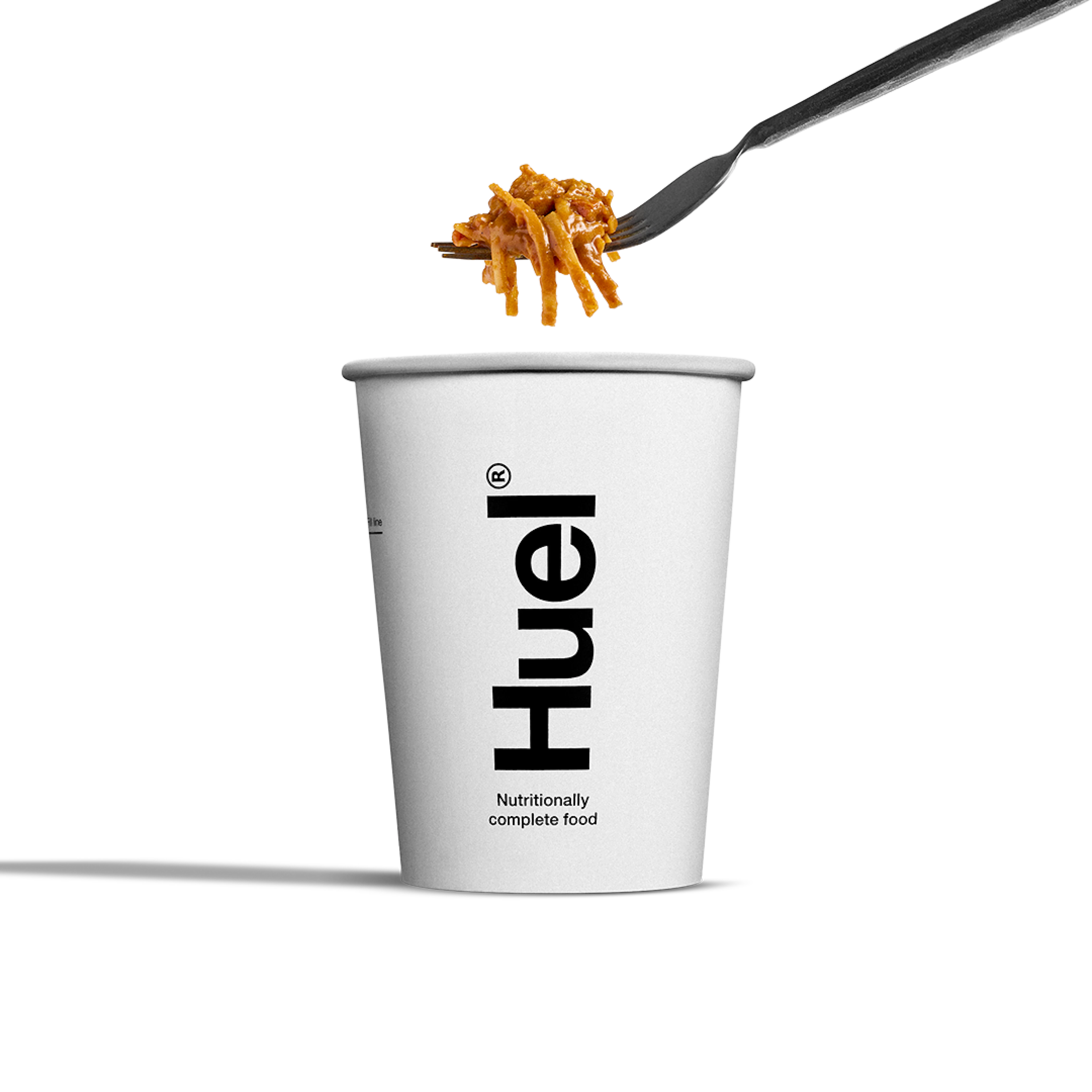

On-the-go instant meals
Up to 25g protein
400 cal per meal
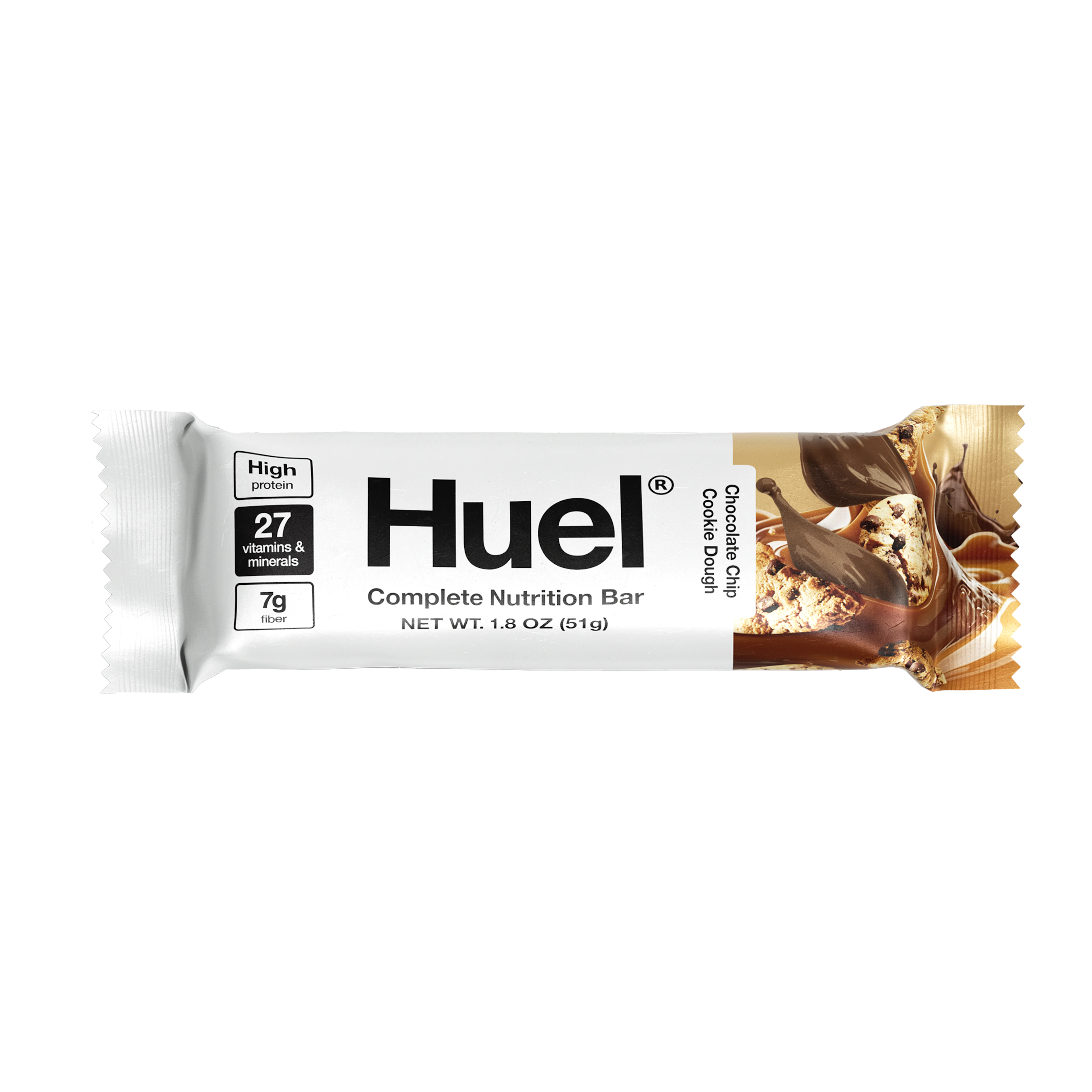

Complete protein bar
Up to 15g protein
Up to 210 cal per bar
✨ New flavors
.png?auto=format&compress=true&w=3840)

Sparkling supergreens drink
42 vitamins, minerals & nutrients
35 cal per can








Get 15% off your first order, plus insider access to expert tips, exclusive discounts, and the latest from Huel.