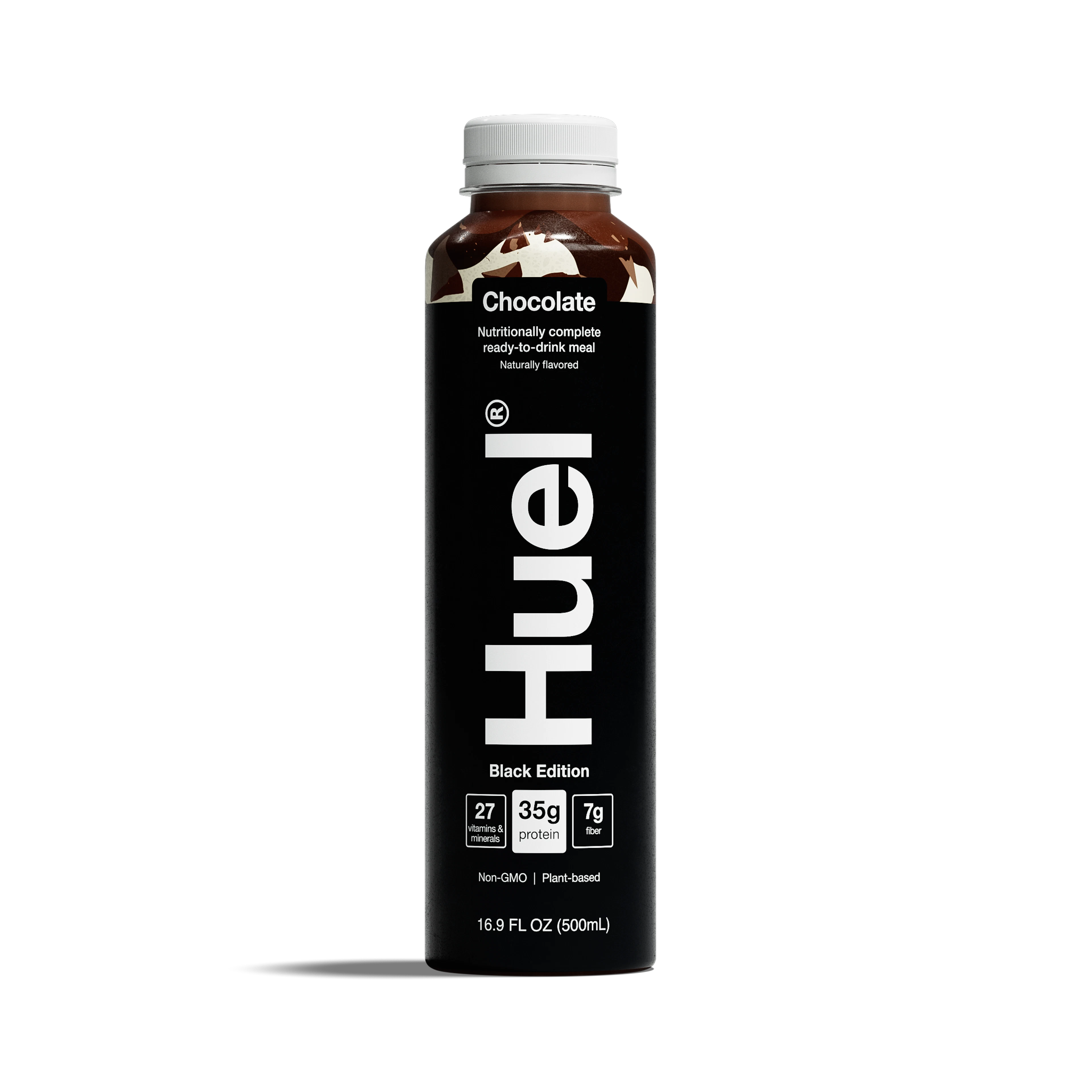
Black Edition Ready-to-drink
High-protein meal shakes
35g protein
400 cal per bottle

Three meals a day is so deeply embedded in daily life that most people have never questioned where it came from. The answer is less scientific than you might expect: the three-meal structure was largely shaped by industrialisation, working hours, and social convention rather than by any particular insight into human biology. That doesn't make it wrong — but it does mean the question of whether it's optimal is genuinely open.
TL;DR: Three meals a day is a cultural norm, not a biological requirement. The research on meal frequency is more nuanced than headlines suggest — what matters most is total food quality, protein distribution, and how well your eating pattern fits your life. There's no universally superior structure.
For most of human history, meal frequency was determined by food availability rather than routine. Hunter-gatherer populations ate when food was accessible. Wealthy Romans ate one large meal a day; multiple daily meals were considered gluttonous. In medieval Europe, two meals — a late-morning dinner and an early-evening supper — were standard. The three-meal structure emerged more clearly with the industrial revolution, when factory working hours created natural breaks in the day and eating became synchronised with the clock rather than with hunger.
The concept that three meals is metabolically superior has never had robust scientific support. It became the default because it was convenient and socially reinforced — not because research established it as optimal.
One of the most persistent myths in nutrition is that eating more frequently "stokes the metabolism" — that smaller, more frequent meals keep the metabolic furnace burning. This idea has been comprehensively tested and consistently fails to hold up. Total daily energy expenditure is not meaningfully different between people eating three meals and those eating six smaller ones of equivalent caloric value. The thermic effect of food — the energy cost of digesting and processing nutrients — is proportional to the total amount eaten, not the number of occasions on which it's consumed.
A 2010 review published in the British Journal of Nutrition examining studies on meal frequency concluded that there was no consistent evidence linking higher meal frequency to improved weight management or metabolic outcomes in healthy adults.
Where meal frequency does matter is in the distribution of protein intake. Research from the journal Nutrition & Metabolism and subsequent work by Stuart Phillips and colleagues at McMaster University suggests that muscle protein synthesis is maximised when protein is distributed relatively evenly across three to four eating occasions, providing around 20 to 40 grams per sitting. Consuming the majority of daily protein in a single meal — as often happens when people skip breakfast and eat a large dinner — is less effective for muscle maintenance and growth than spreading it throughout the day.
This finding supports eating at least three protein-containing meals daily, though it says nothing about whether additional snacks are necessary.
Interest in intermittent fasting (IF) and time-restricted eating (TRE) has grown substantially over the past decade, with approaches like 16:8 (eating within an eight-hour window, fasting for sixteen) attracting both research attention and popular following. The proposed mechanisms include improved insulin sensitivity, cellular autophagy (the body's process of clearing damaged cells), and simplified caloric management.
The evidence is real but more modest than popular accounts suggest. A 2022 study in the New England Journal of Medicine found that time-restricted eating produced similar weight loss outcomes to standard caloric restriction when total calories were matched — suggesting the benefit comes from eating less overall rather than from the fasting period itself. For some people, a narrower eating window is simply an easier way to manage intake; for others, it produces excessive hunger and compensatory overeating.
Some people genuinely feel better eating two larger meals than three moderate ones, and the research on hunger hormones supports individual variation here. Ghrelin, the primary hunger hormone, operates on a learned schedule — it rises in anticipation of meals at habitual times, which means meal frequency partly trains its own hunger cues. People who eat two meals tend to adapt to feeling hungry twice a day; people who eat six tend to feel hungry more frequently.
For people with specific goals — managing blood sugar, supporting intensive training, or avoiding the overeating that can follow extended gaps between meals — more frequent eating has practical advantages. People with type 2 diabetes or insulin resistance often benefit from smaller, more frequent meals that produce smaller glycaemic responses. Athletes in heavy training phases may find that three meals isn't sufficient to meet caloric and protein needs without uncomfortably large individual servings.
There's also a behavioural argument: for people prone to arriving at mealtimes extremely hungry, longer gaps between eating can impair food choices and lead to faster, less considered eating.
The research consistently points to the same conclusion: meal frequency is a secondary variable. The factors that have robust, consistent evidence behind them are food quality (whole, minimally processed foods over refined ones), adequate protein intake distributed across the day, total caloric balance relative to needs, and dietary consistency over time.
A three-meal structure works well for most people because it fits social rhythms, supports protein distribution, and provides natural anchor points for nutritious eating. But two meals, four meals, or any other pattern can work equally well if it supports good food choices, adequate protein, and a caloric intake appropriate to your goals.
The most effective eating pattern is the one you can maintain — which varies considerably from person to person.
Is skipping breakfast bad for you? The evidence that breakfast is uniquely important has weakened considerably under scrutiny. Earlier observational studies linking breakfast skipping to poorer health outcomes were largely confounded by the fact that people who skip breakfast often have other lifestyle factors associated with worse health. Controlled trials don't consistently show that eating breakfast produces better outcomes than skipping it for people who aren't hungry in the morning. If you're not hungry at breakfast and can distribute protein and calories adequately across the day without it, skipping is unlikely to harm you.
Does eating late at night cause weight gain? Total caloric intake drives weight change, not the time at which calories are consumed. That said, late-night eating is often associated with less mindful food choices and higher intake of calorie-dense, low-nutrient foods — which is why the correlation exists in observational data. The timing itself is not the mechanism.
What's the best eating pattern for weight management? The one you can adhere to consistently. Research comparing different structured approaches — three meals, intermittent fasting, five small meals — finds that adherence is the strongest predictor of outcome, not the specific pattern. Choosing a structure that fits your schedule, hunger patterns, and social life matters more than optimising the theoretical framework.
Does meal frequency affect energy levels? For some people, longer gaps between meals produce energy dips, particularly if blood sugar regulation is less stable. For others, eating frequently leads to persistent low-level fullness and sluggishness. Individual response varies, and the best approach is to pay attention to your own energy patterns rather than following a prescriptive rule.
High-protein meal shakes
35g protein
400 cal per bottle
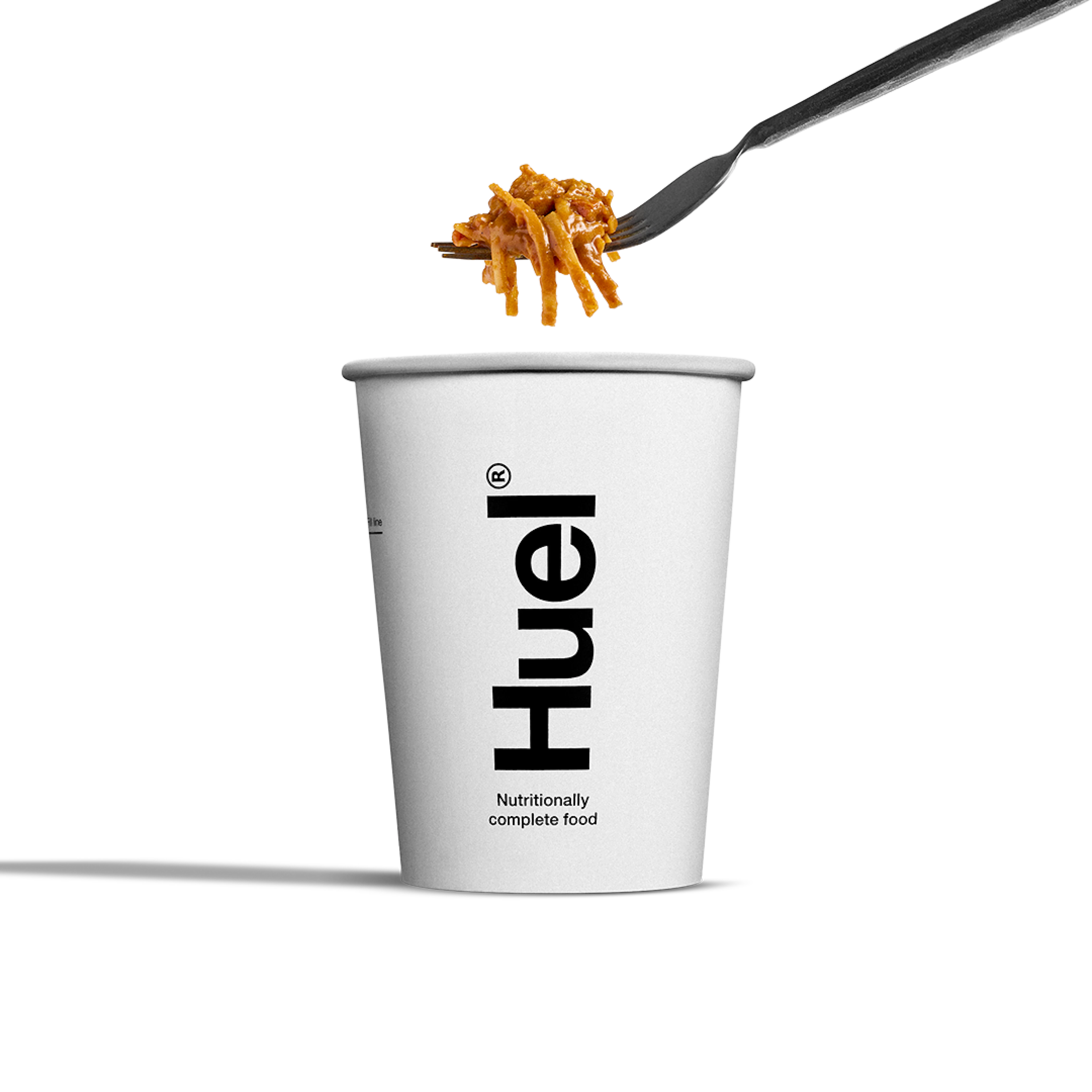
On-the-go instant meals
Up to 25g protein
400 cal per meal
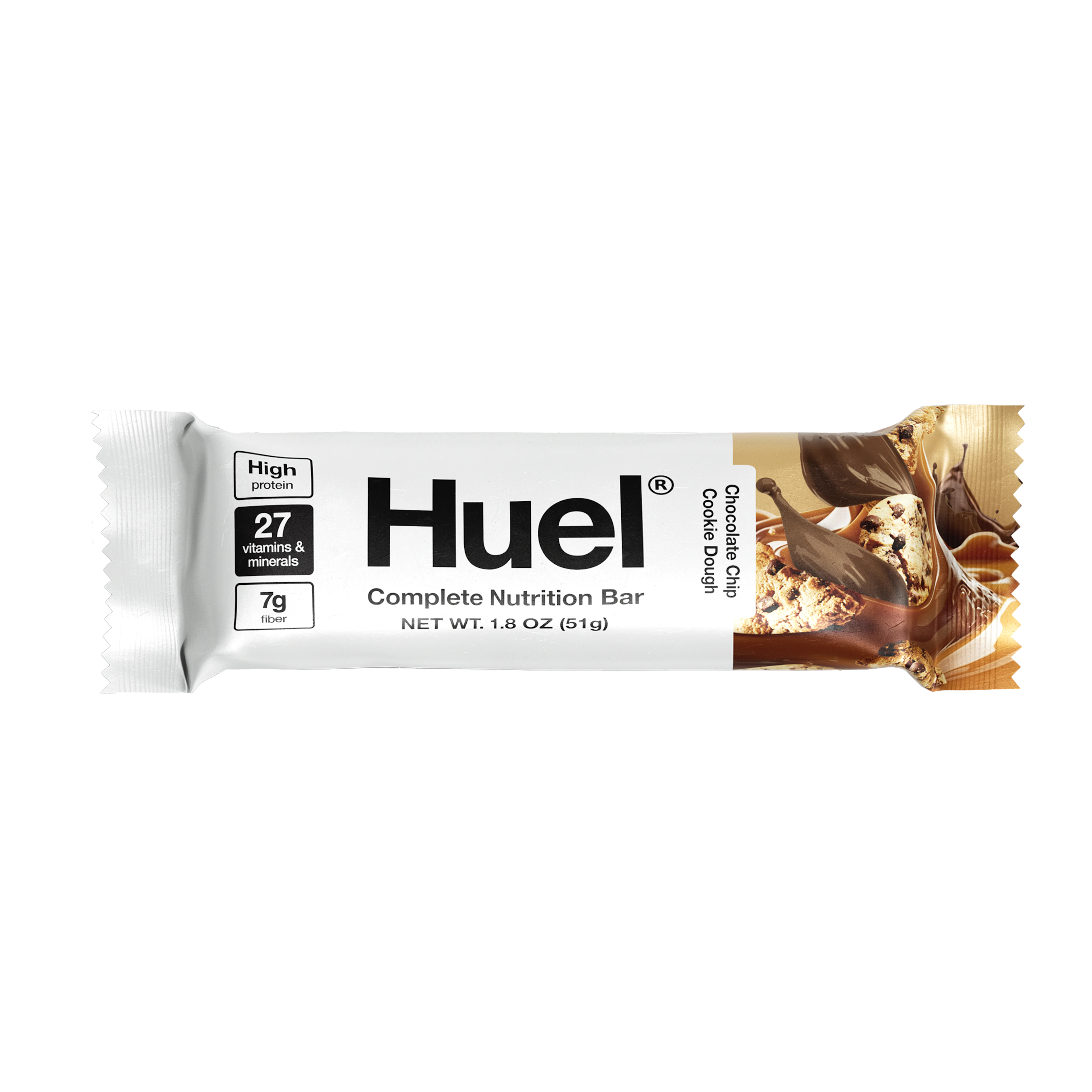
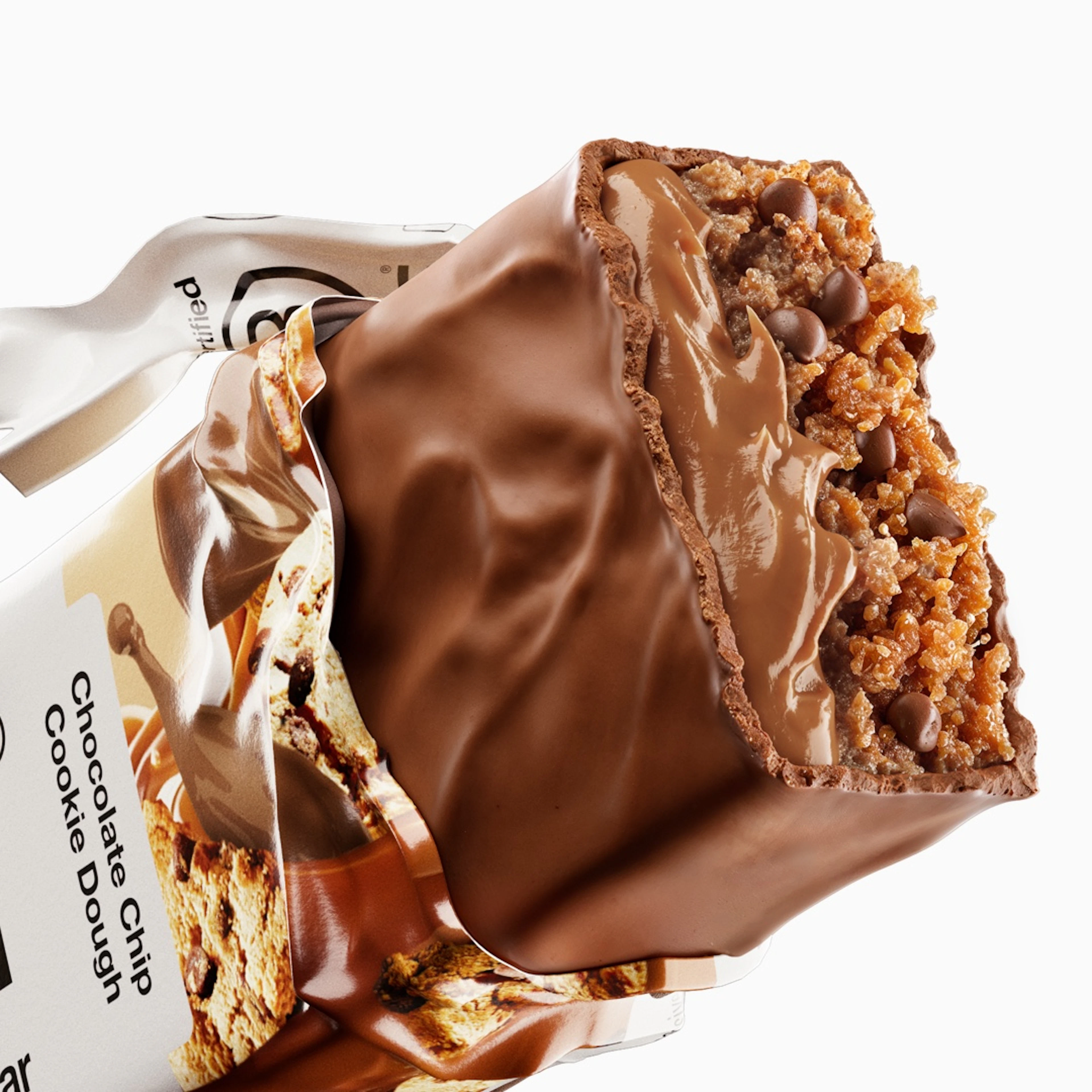
Complete protein bar
Up to 15g protein
Up to 210 cal per bar
✨ New flavors
.png?auto=format&compress=true&w=3840)

Sparkling supergreens drink
42 vitamins, minerals & nutrients
35 cal per can







Get 15% off your first order, plus insider access to expert tips, exclusive discounts, and the latest from Huel.