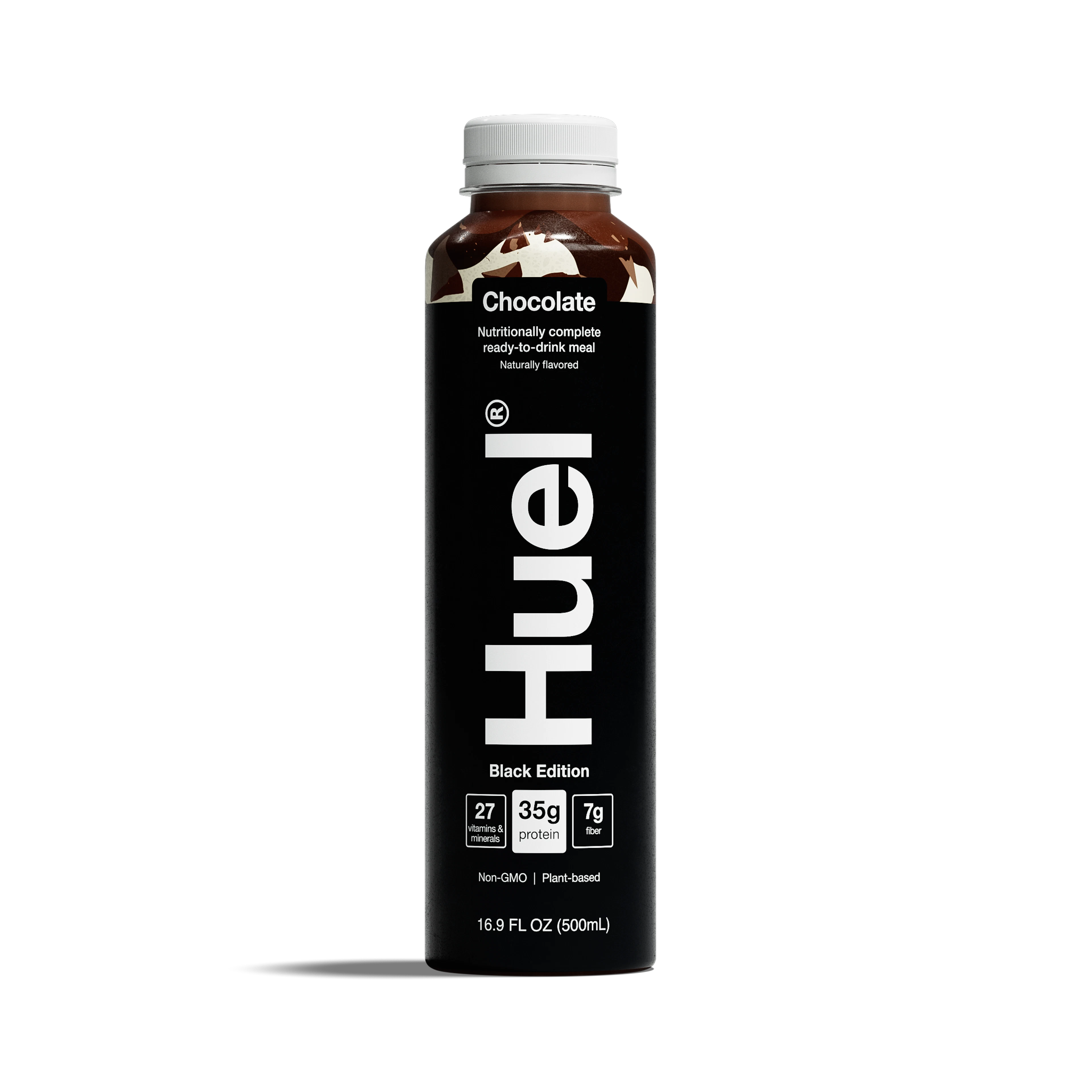
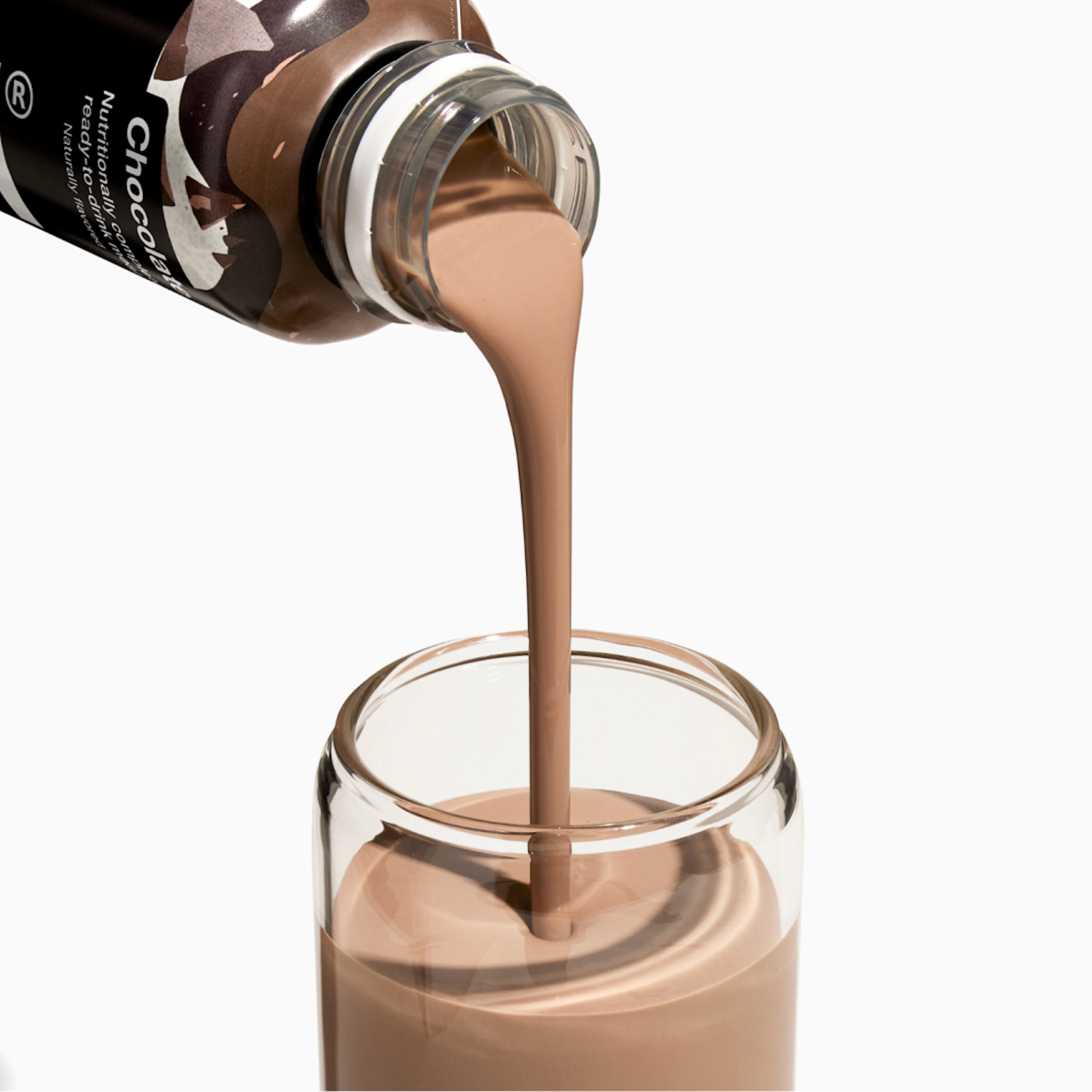
Black Edition Ready-to-drink
High-protein meal shakes
35g protein
400 cal per bottle

The standard advice for stress — meditate, do yoga, go for a long walk in nature — is not wrong. The problem is that it's often delivered as though everyone has an unhurried hour and a calm room available the moment stress peaks. Most people don't. Stress tends to arrive during busy weeks, not serene ones, and the interventions most likely to help are the ones that fit into a life that's already full.
TL;DR: Effective stress management doesn't require significant time or lifestyle overhaul. Physiological tools like controlled breathing, brief movement, and cold water exposure can interrupt the stress response within minutes. Longer-term habits — consistent sleep, reduced caffeine, social connection — build resilience over time. The goal is finding what fits your life, not adding more demands to it.
Stress is the body's response to perceived threat or demand. The hypothalamic-pituitary-adrenal (HPA) axis activates, releasing cortisol and adrenaline, which increase heart rate, redirect blood flow to muscles, and sharpen attention. This response evolved for acute physical threats and is genuinely useful in short bursts — it improves performance under pressure and helps the body respond to genuine danger.
The problem is chronic activation. When the stress response is triggered repeatedly by psychological stressors — work pressure, financial worry, relationship tension — without adequate recovery, cortisol remains elevated. Chronically elevated cortisol is associated with impaired immune function, disrupted sleep, increased appetite (particularly for calorie-dense foods), and greater risk of anxiety and depression. It also impairs the prefrontal cortex, the part of the brain responsible for rational decision-making — which is why stress makes it harder to think clearly about the very problems causing the stress.
The fastest evidence-based intervention for acute stress is controlled breathing. The exhale activates the parasympathetic nervous system — the branch responsible for rest and recovery — which is why lengthening the exhale relative to the inhale produces a measurable reduction in heart rate and cortisol within minutes. Box breathing (four seconds in, four-second hold, four seconds out, four-second hold) and physiological sighing (a double inhale through the nose followed by a long exhale through the mouth) both have clinical support for reducing physiological arousal quickly.
A 2023 study published in Cell Reports Medicine found that structured breathing practices produced greater reductions in anxiety and physiological stress markers than mindfulness meditation over the same time period. Five minutes is sufficient.
Physical movement metabolizes stress hormones. Adrenaline and cortisol are designed to fuel physical action, and one of the most effective ways to clear them is to give the body the physical activity they were designed to support. This doesn't require a gym session — ten minutes of brisk walking, a short bout of bodyweight movement, or even climbing several flights of stairs produces a measurable reduction in perceived stress and improves mood via endorphin release and increased cerebral blood flow.
Splashing cold water on the face or a brief cold shower activates the dive reflex — a parasympathetic response that slows heart rate and reduces sympathetic nervous system activity. It's uncomfortable, which is precisely why it works: the mild physical shock redirects attention and interrupts the rumination loop that sustains psychological stress. It takes under a minute.
A significant portion of felt stress comes not from acute demands but from the accumulation of unresolved tasks occupying working memory. Writing things down — a simple brain dump of everything currently generating mental load — reduces the cognitive burden of trying to hold it all in mind. The act of externalizing removes the items from active attention without requiring them to be resolved immediately.
Sleep is both a consequence and a driver of stress. Poor sleep elevates cortisol and reduces the prefrontal cortex's capacity to regulate emotional responses, making stressors feel more threatening. Conversely, chronic stress impairs sleep quality, creating a self-reinforcing cycle. Breaking it requires addressing both simultaneously: sleep hygiene (consistent bed and wake times, reduced screen exposure before bed, a cool dark room) and stress reduction during waking hours.
Consistent wake time is the single most evidence-supported lever for improving sleep quality — more so than bedtime, which varies naturally. Keeping wake time constant, even after a poor night, anchors the circadian rhythm more reliably than any other single intervention.
Caffeine is an adenosine antagonist — it blocks the receptors that make you feel tired, which is why it works. It also elevates cortisol and adrenaline, which is why it can amplify the physiological experience of stress, particularly in people who are already stressed or sleep-deprived. The research on caffeine and anxiety consistently shows that sensitivity varies widely between individuals, but for people who notice that coffee makes them feel more anxious or wired, reducing intake (particularly after midday, when caffeine's half-life means it still affects sleep eight hours later) is one of the higher-leverage changes available.
Human beings are social animals in a neurobiological sense — not just a cultural one. Social interaction releases oxytocin, which directly reduces cortisol. Research from UCLA identified what the authors called the "tend-and-befriend" response to stress: social affiliation as a stress-regulation strategy, particularly pronounced in people who under pressure seek connection rather than isolation. Even brief positive social interactions — a conversation with a colleague, a phone call with a friend — produce measurable reductions in stress markers.
Alcohol is one of the most common stress-management strategies and one of the least effective. It produces short-term anxiolytic effects by depressing the central nervous system, but disrupts sleep architecture, elevates cortisol the following day, and with regular use increases baseline anxiety levels through neuroadaptation.
Passive scrolling provides distraction but not recovery. Research distinguishes between psychological detachment from stressors — mentally switching off — and mere distraction, which keeps cognitive arousal elevated without the restorative benefits of genuine rest. Watching engaging content can reduce perceived stress temporarily; scrolling social media typically doesn't.
Trying to eliminate stress entirely is both impossible and counterproductive. A certain level of challenge and pressure is associated with better performance and meaning — what psychologists call eustress. The goal is regulation, not elimination: keeping the stress response proportionate to actual demands and ensuring adequate recovery between periods of pressure.
How quickly can stress reduction techniques work? Physiological interventions like controlled breathing and cold water can produce measurable changes in heart rate and cortisol within two to five minutes. Longer-term habits — improved sleep, reduced caffeine, regular exercise — show benefits over days to weeks of consistency. Most people benefit from both: fast tools for acute stress, and habit-level changes for baseline resilience.
Is exercise good for stress even when you don't feel like it? Yes, and this is one of the more counterintuitive findings in exercise psychology. The motivation to exercise is lowest when stress and fatigue are highest, but the benefit is correspondingly large. Even moderate exercise during high-stress periods produces reliable improvements in mood and reductions in perceived stress, largely through cortisol metabolism and endorphin release.
Can diet affect stress levels? Yes, in several ways. Blood sugar volatility — caused by high-sugar, low-protein diets — can amplify the physiological experience of stress and produce mood instability. Magnesium deficiency, common in Western diets, is associated with heightened stress reactivity. Omega-3 fatty acids have been shown to reduce cortisol response to psychological stress in several clinical trials. A diet high in ultra-processed foods is associated with higher rates of anxiety and depression in large observational studies, though the causal direction is not fully established.
High-protein meal shakes
35g protein
400 cal per bottle
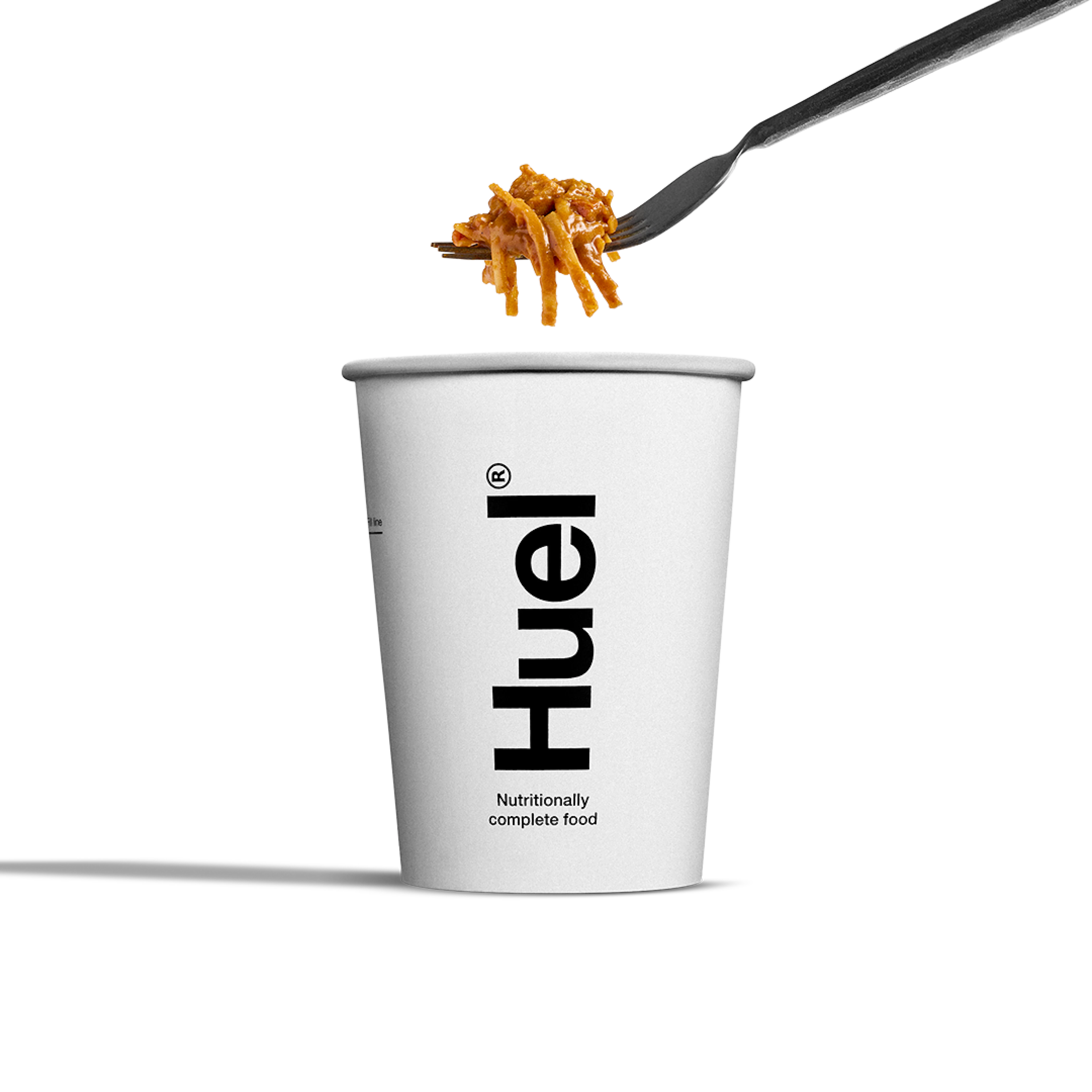

On-the-go instant meals
Up to 25g protein
400 cal per meal
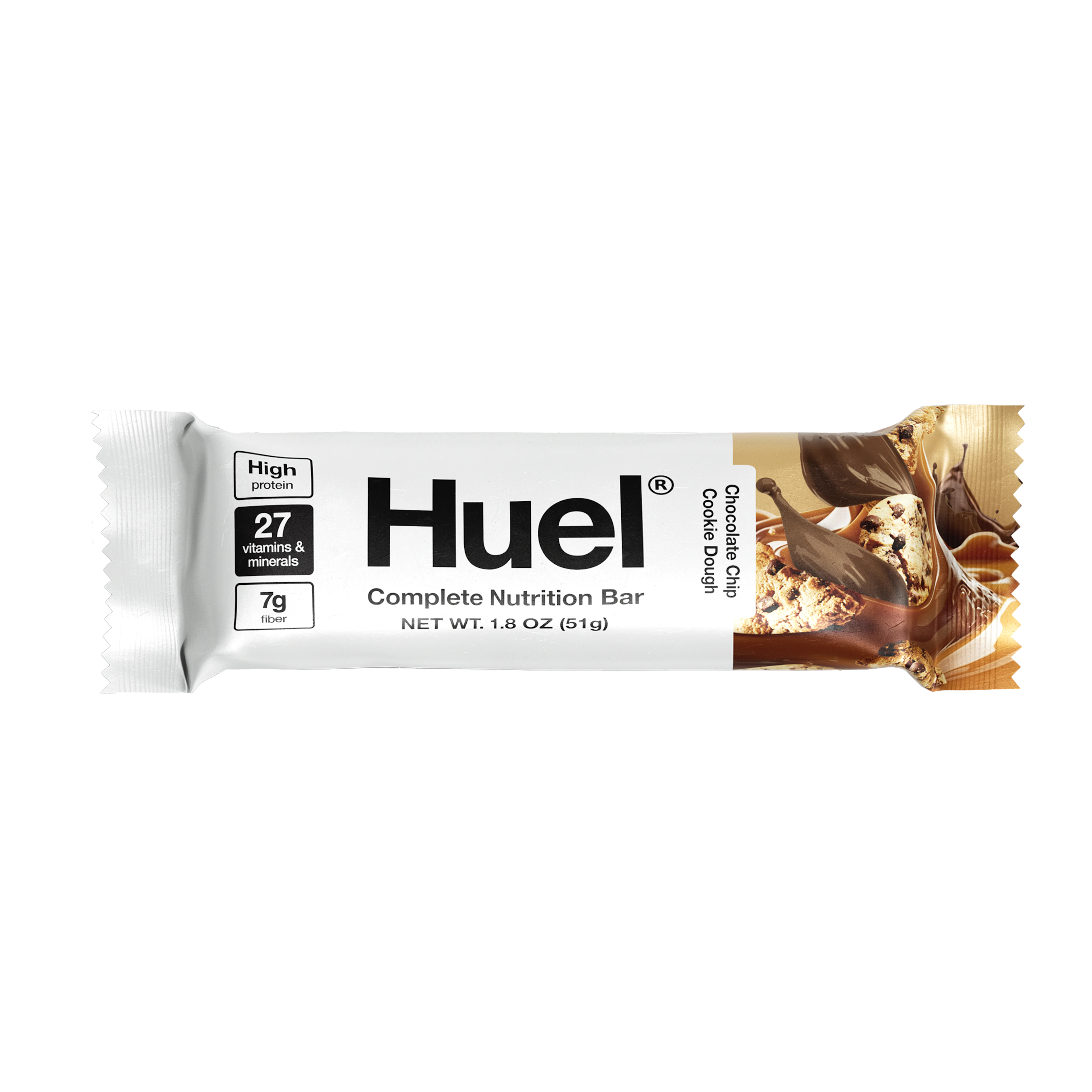
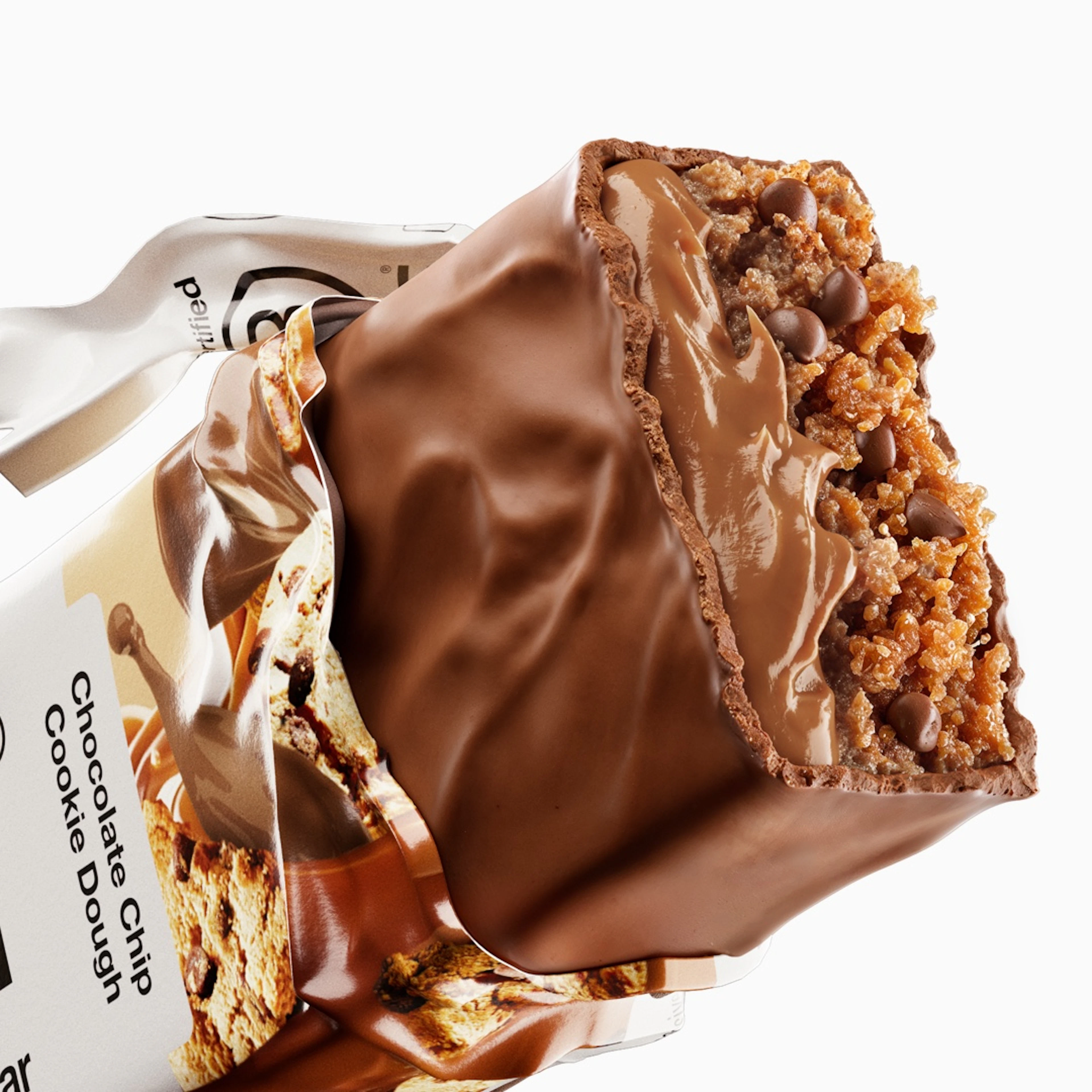
Complete protein bar
Up to 15g protein
Up to 210 cal per bar
✨ New flavors
.png?auto=format&compress=true&w=3840)
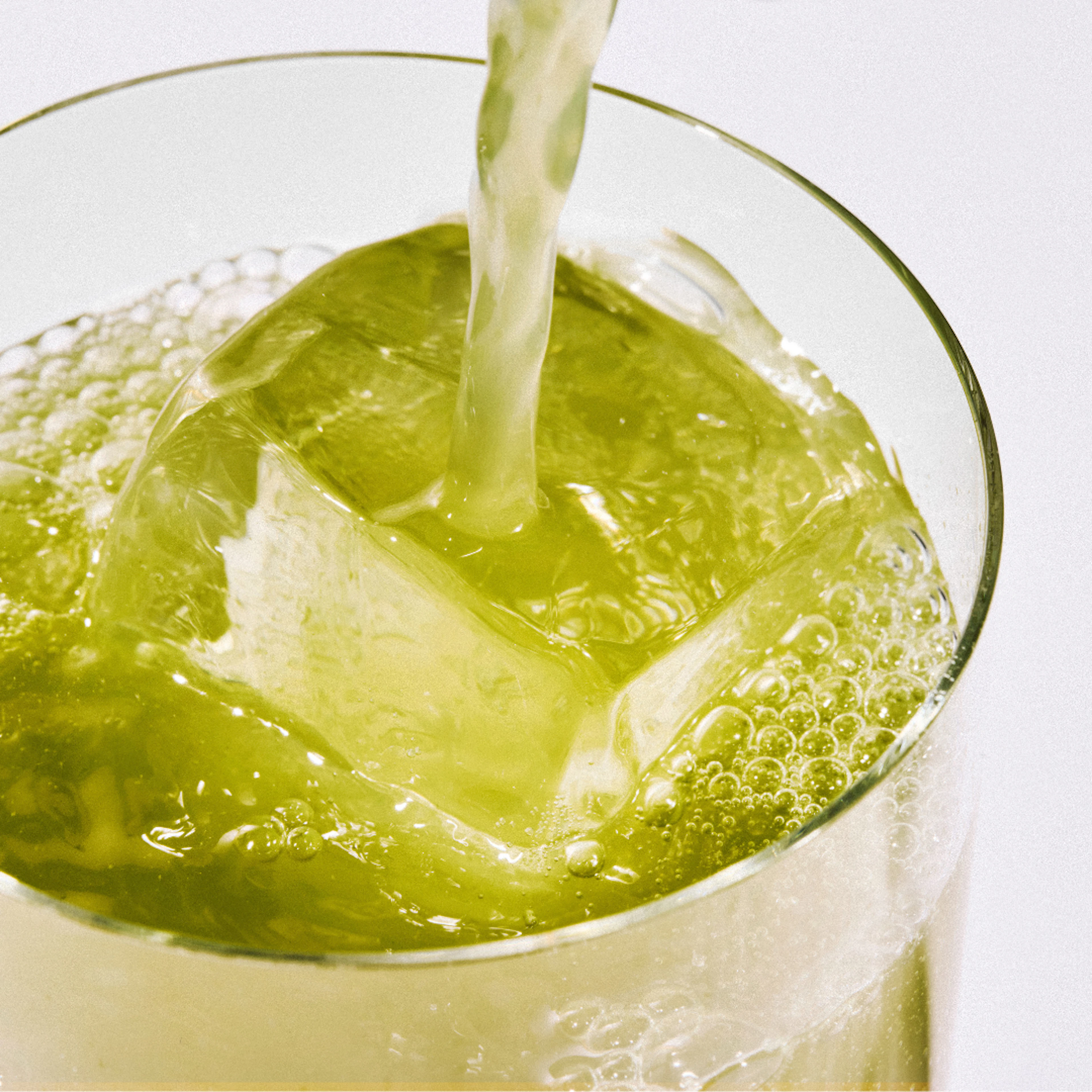
Sparkling supergreens drink
42 vitamins, minerals & nutrients
35 cal per can




Get 15% off your first order, plus insider access to expert tips, exclusive discounts, and the latest from Huel.