
Spooky Eats for a Healthier Halloween
Discover our supernatural (and super nutritious) recipe ideas for Halloween. With nourishing but naughty treats, monstrous mains, and spine-tingling sweets.
Make room for breakfast, movement, and a little breathing space with a morning routine that fits your life.
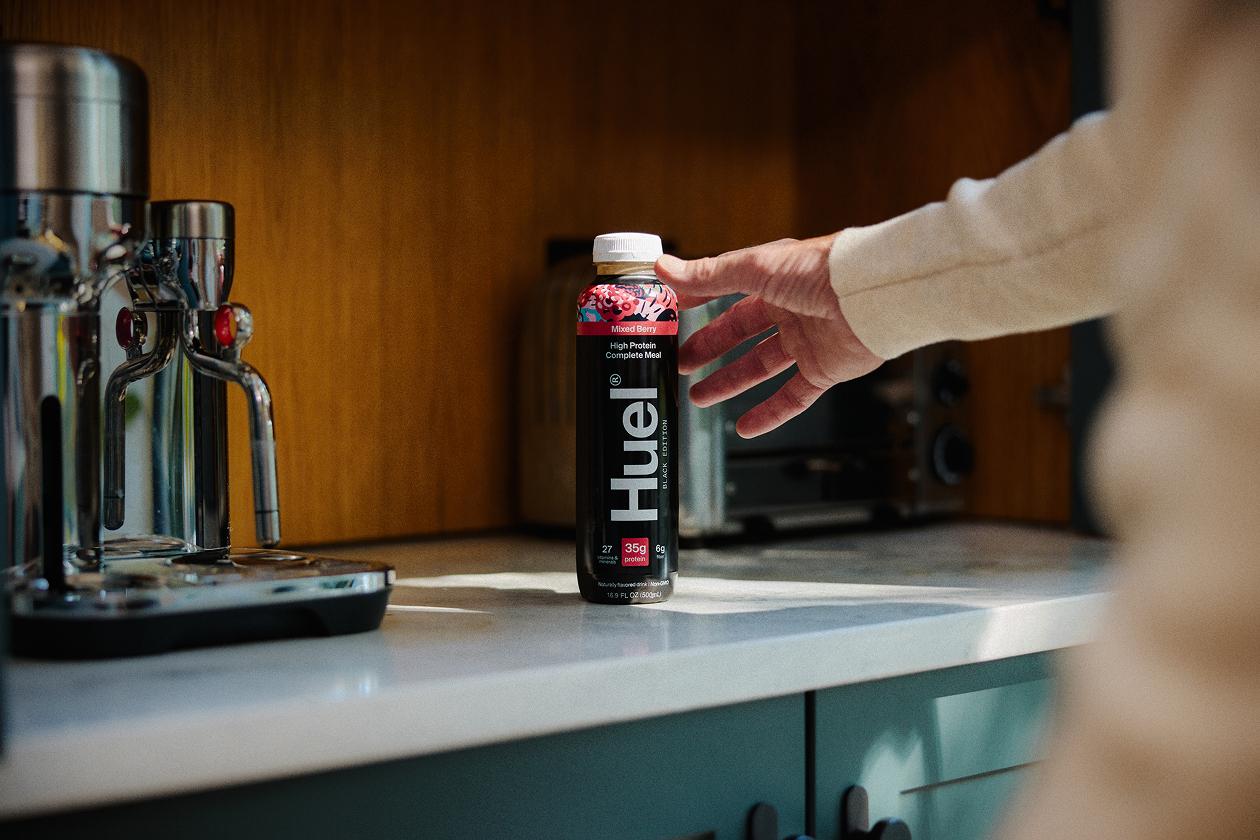
7:23 a.m. That’s the surprisingly specific time identified as the most stressful moment of the day in one survey of 2,000 adults.
Whether you’re searching for your keys, getting the kids ready for school, or opening your laptop before you’ve eaten, it’s easy to recognize the morning rush.
So where do you start if you want things to feel different? Look at the parts of your morning that regularly trip you up. Then choose a few changes that make those moments easier.
Here are seven ideas to help you build a routine around your schedule, appetite, and energy.
Before adding anything to your morning, figure out how much time you actually have.
Start with the time you need to leave home, begin work, or get the kids to school. Work backward through the essentials: getting dressed, eating breakfast, packing your bag, and anything else that needs to happen.
If everything only fits when nothing goes wrong, give yourself a little extra room. A missing shoe or spilled coffee shouldn’t have to derail the whole morning.
You can also move a few decisions to the night before:
Choose the task you most often rush through and start there. Having one less thing to organize can make the morning more manageable.
An earlier alarm only helps if you’re still getting enough sleep.
The Centers for Disease Control and Prevention recommends at least seven hours of sleep for adults ages 18–60. It also recommends going to bed and getting up at consistent times.
There’s research behind the value of regularity, too. In a study of college students, more consistent sleep schedules were associated with better academic performance. That doesn’t mean a particular wake-up time guarantees a productive day, but it supports giving your sleep schedule some attention.
Start by choosing a realistic wake-up time and a bedtime that allows enough sleep. If your schedule permits, keep the timing fairly similar on weekends.
Working shifts, caring for a baby, or managing an unpredictable schedule can make consistency harder. Build around the sleep opportunities you have, rather than cutting sleep to squeeze in extra activities.
Related reading: How to build a better sleep routine
It’s much easier to organize breakfast when you already know what’s available.
Choose two or three options you enjoy and keep the ingredients on hand. You could have something you prepare ahead, something you can make quickly, and a convenient backup for especially busy mornings.
The American Heart Association suggests practical options such as oatmeal, fruit smoothies, and homemade whole-grain muffins.
Other ideas to try include:
Think about where you’ll eat, too. Breakfast at home, at your desk, and after a workout may call for different options. Choose something that works for the morning you actually have.
You reach for your phone to check the time. A few minutes later, you’re reading work emails, checking the news, and wondering how you ended up watching someone reorganize their refrigerator.
If that sounds familiar, try choosing a specific point in your morning to check messages.
In a 2017 American Psychological Association survey, adults who constantly checked email, texts, and social media reported higher stress levels than those who checked less often. The survey wasn’t specifically about morning phone use, but it offers a reason to notice how frequent checking makes you feel.
You might wait until you’re dressed, have eaten, or are ready to begin work. If you need your phone for family updates, transportation, or other essentials, check those first and leave the rest for later.
The useful question is simple: does this check help you get ready, or pull you away from what you need to do?
Look for an opportunity to move within your existing schedule.
That could mean walking the dog a little farther, taking a brisk walk before logging on, or doing a short workout while another household member handles breakfast.
According to the CDC, adults can gain health benefits from any amount of moderate- or vigorous-intensity physical activity. You don’t need a long session for activity to count.
Choose something you enjoy and can repeat. You could try:
For a gentler start, you could also try a few comfortable stretches before getting dressed.
And if morning exercise makes your day more stressful, choose another time. The American Heart Association emphasizes finding a time that works consistently for you.
Related reading: The morning stretch routine
Before the day fills up, take a moment to notice how you’re feeling.
You might sit quietly with your coffee, write a few lines in a journal, or follow a guided meditation. If sitting still feels uncomfortable, a quiet walk may be more appealing.
For those interested in meditation, shorter sessions can be a manageable starting point. One randomized study compared approximately 10-minute and 30-minute daily mindfulness sessions over two weeks. Participants in both groups reported improvements, with no significant differences between session lengths. The findings don’t establish an ideal duration for everyone, but they suggest that a longer session isn’t always necessary.
For a simple morning check-in, ask yourself:
You don’t have to solve everything before breakfast. Use the moment to notice what you need.
Some mornings will give you plenty of time. Others will involve a late alarm, an unexpected call, or a child who suddenly needs something for school.
Decide in advance what your shorter routine looks like.
Perhaps your usual morning includes breakfast at home, a walk, and ten minutes of quiet. On a busy day, you might take breakfast with you, move your walk to lunchtime, and spend a moment checking your priorities before opening email.
Treat those adjustments as part of the plan. A routine should be flexible enough to survive an ordinary, imperfect week.
After trying your changes for a while, review what’s helping. Keep the habits that make mornings easier, adjust the ones that feel awkward, and drop anything that’s become another unnecessary demand on your time.
Tomorrow, start with the change that would solve your most familiar morning frustration. Put your bag by the door, get breakfast ready, or give yourself enough time to eat it. Build from there.






Get 15% off your first order, plus insider access to expert tips, exclusive discounts, and the latest from Huel.