
Why I Started Running at 50
Discover the inspiring journey of starting to run at 50, the challenges faced, and the transformative impact on health and lifestyle.
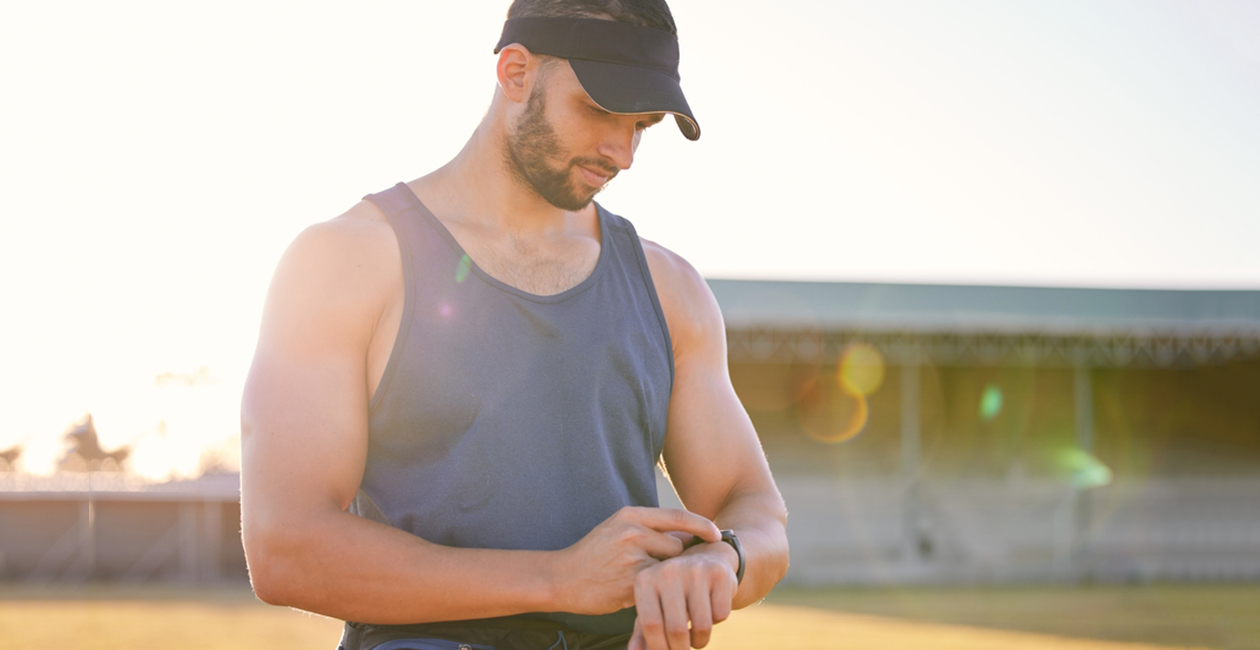
A fitness tracker is a wearable device that monitors things like your activity, workouts, sleep, and sometimes health metrics like heart rate. The appeal is easy to see: numbers, charts, reminders, and instant feedback.
But do you really need a fitness tracker? It’s a question more people are asking as trackers show up everywhere: at gyms, on running trails, during walks, and even at work. This article unpacks who actually benefits, potential downsides, and how you can stay active with or without wearable tech.
TL;DR: Fitness trackers are useful for many people, but you don’t need one to track progress or stay healthy. Weigh your goals, budget, and whether you’ll actually use the features before deciding. There are great low-tech alternatives if you prefer simplicity.
So, are fitness trackers necessary? Not always, but they do offer real benefits for some users.
People like having a clear record of what they’ve done, especially if they’re just starting out or working toward a specific goal.
For plenty of users, a tracker turns movement into a game. Rings to close. Badges. Streaks. This can work well for people motivated by achievements or quick feedback. Research suggests about 60% of users become more active after getting a fitness tracker, at least initially.
Fitness trackers are especially handy for:
In these cases, regular data helps adjust routines, spot trends, and see improvement that might feel invisible day to day.
Let’s get specific about who gets the most value, and who’s better off keeping things simple.
That said, a fitness tracker isn’t a replacement for medical advice, so it’s best to discuss health-related data with a healthcare provider.
If you prefer running without a fitness tracker, or you don’t care about numbers, that’s perfectly valid. Many enjoy tuning into physical cues, prioritizing how movement feels over what a device records. Plenty of runners, walkers, and gym-goers make progress with simple tools like a stopwatch, a notebook, or a mapped route.
Fitness trackers can be helpful, but they also have limitations.
One risk is focusing more on numbers than how your body feels. This might lead to ignoring exhaustion or soreness, or even anxiety if you don’t “hit your goals.” Tech burnout happens, too, when you feel tied to notifications or endless metrics.
Fitness tracker accuracy isn’t perfect. Heart rate, calorie estimates, even step counts can be off, depending on the model and type of movement. Batteries run down, devices break, and sometimes syncing fails. For some, managing tech feels like another chore.
Fitness trackers can be expensive, especially if you want premium features. And because new models come out often, older devices can quickly end up unused in a drawer.
What if you want to track fitness without the tech? Good news: there are easy, often free or low-tech options.
A notebook or notes app can do a lot. You can log workouts, weights, reps, running times, walks, and how you felt afterward. Use a basic stopwatch, map routes online, or rely on Rate of Perceived Exertion (RPE), a simple scale for effort.
A smartphone offers many tracking features without buying something new. Free apps can record runs, walks, routes, and even some basic health stats. Plus, your phone is usually nearby anyway.
You can get surprisingly far by noticing your breathing, how muscles feel, and your energy levels. Mindful movement lets you adjust on the fly and develop bodily awareness, a skill high-tech devices can’t fully replicate.
If you’re unsure, a little reflection goes a long way.
Some people blend a few approaches: maybe a phone app for running, a journal for strength training, and mindful rest days with no tracking at all. The key is choosing what helps you, not just following the crowd or the next gadget trend.
There’s no one-size-fits-all approach. For some, wearable trackers offer support, structure, and insight. Others prefer to simplify, using old-school tools or just listening to their body’s natural signals. However you track your progress, it should fit your goals, lifestyle, and budget, because there’s no universal “right” answer.




Get 15% off your first order, plus insider access to expert tips, exclusive discounts, and the latest from Huel.