Bloating and Inflammation: What’s the Difference, Really?
Struggling to tell apart bloating and inflammation? Discover key differences, symptoms, gut health links, and evidence-based strategies to manage both.

When it’s hot and humid, the last thing you may want is a heavy meal, or to turn on the stove. Finding yourself reaching for lighter meals isn’t an uncommon experience, but why is this?
When it’s hot, your body works to regulate its temperature by sending more blood toward the skin to help release heat. As a result, heavy meals can feel less appealing, and digestion may feel like it’s taking a back seat. It’s a normal physiological response, and it explains why the thought of a full meal at midday in July may feel off.
Your appetite may dip in the heat, but your body still needs fluids, electrolytes, protein, fiber, and essential nutrients to keep you feeling steady.
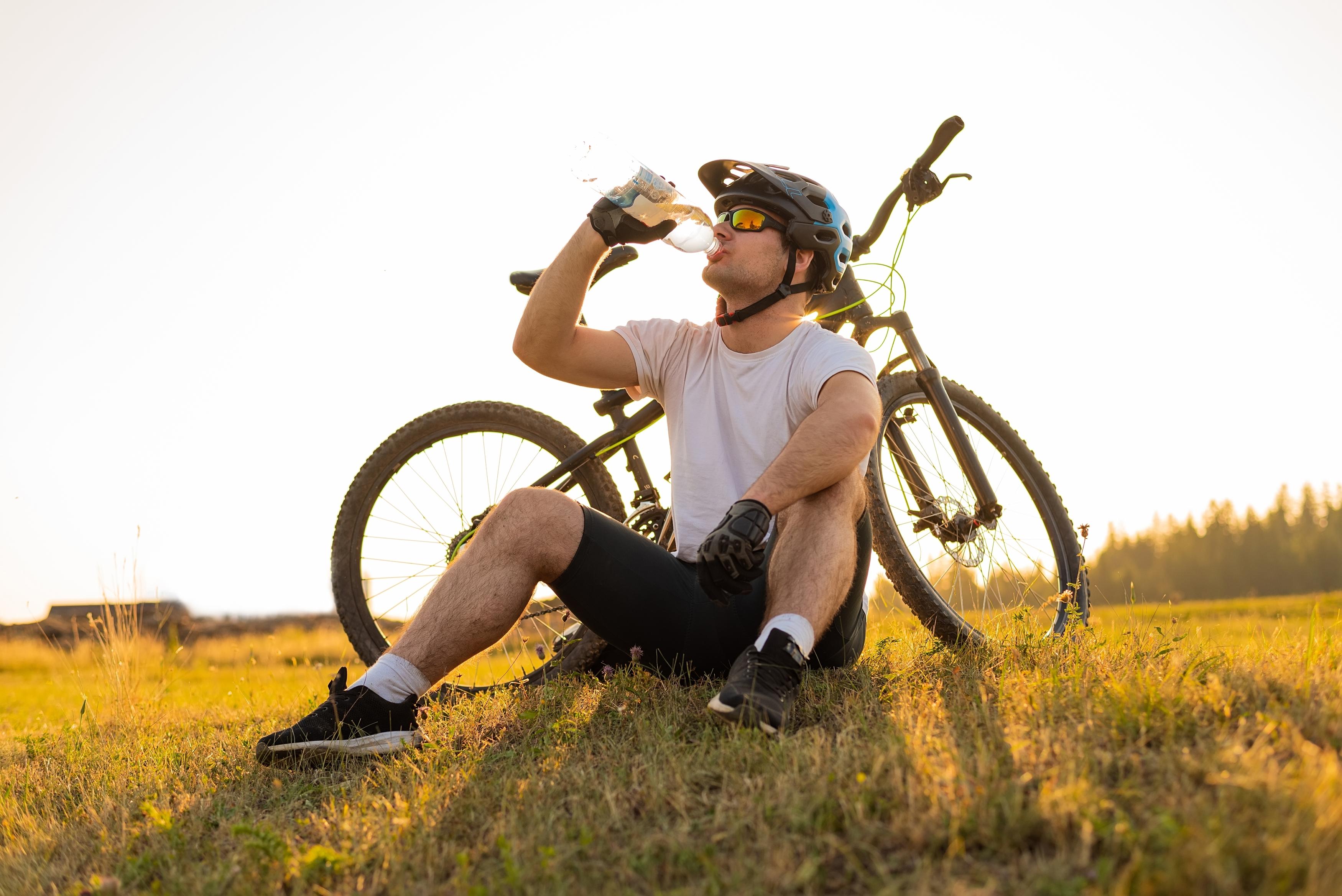
When you sweat, your body loses water and electrolytes, especially sodium. This can happen quickly on hot, humid days, particularly if you’re exercising outdoors, commuting, doing yard work, or spending time in the sun.
During extreme heat, pay attention to signs of dehydration such as dizziness, headache, dark urine, or unusual fatigue. If you’re sweating heavily, fluids and electrolytes become even more important.
Electrolytes are minerals that carry an electrical charge when dissolved in fluids like blood, sweat, and urine. They are vital for the proper functioning of cells and essential metabolic processes. Key electrolytes include sodium, calcium, chloride, potassium, and magnesium. Read our handy guide on electrolytes here.
Food can be a surprisingly effective way to support your daily fluid intake. Here are some options worth building into your day.
Beverages (beyond water):
Unsweetened iced tea, cold brew, sparkling water, coconut water, and electrolyte drinks can all help support fluid intake. Caffeinated drinks can contribute to fluid intake, but water should still be your go-to, especially during high heat or heavy sweating.
Vegetables with high water content:
Cucumber: ~96% water
Iceberg lettuce: ~95% water
Celery: ~95% water
Zucchini: ~95% water
Radishes: ~95% water
Tomatoes: ~95% water
Fruits with high water content:
Melon: ~ 90%
Strawberry: ~91% water
Peaches: ~88% water
Oranges: ~87% water
If you're avoiding the kitchen when it's hot, that's a rational decision. Cooking can add heat to a room that doesn't need more of it. Leaning into no-cook meals isn’t cutting corners, it’s working with your environment, rather than against it. When cooking is unavoidable, the evening may be your best window: cooler kitchen, and whatever you make can go straight into the fridge for another portion tomorrow.
Here are a few refreshing, no-cook summer recipes that won’t make your kitchen any hotter.
Grate your cucumber straight into your yogurt (Greek, plain, or plant-based options work). Hydration tip: don't drain the cucumbers first - the liquid is the water content you want to keep. This will lead to a slightly runnier dip, but hydration is key here. Stir in a small garlic clove, a squeeze of lemon, and fresh herbs. Season to taste.
Simply chop your tomatoes, cucumber, and bell pepper roughly. There’s no need to be precise, it's all going in the blender. Blitz with a small garlic clove, a drizzle of olive oil, a splash of red wine vinegar, and a pinch of salt until smooth. Taste and adjust. Refrigerate for at least an hour before serving, because the cold is what makes it.
Chop up a base of celery, cucumber, and tomatoes alongside your leafy greens - don't pat anything dry. The natural water content sitting on your vegetables after washing is worth keeping. Dress lightly with olive oil and lemon juice then add whatever you have to make this one your own: fresh herbs, a handful of chickpeas, or leftover beans.
Even when your appetite dips, keeping your nutrition steady can help you feel more balanced throughout the day. On days when even assembling a meal feels like too much, a chilled Huel Ready-to-drink can be a convenient way to get balanced nutrition without cooking.