Bloating and Inflammation: What’s the Difference, Really?
Struggling to tell apart bloating and inflammation? Discover key differences, symptoms, gut health links, and evidence-based strategies to manage both.
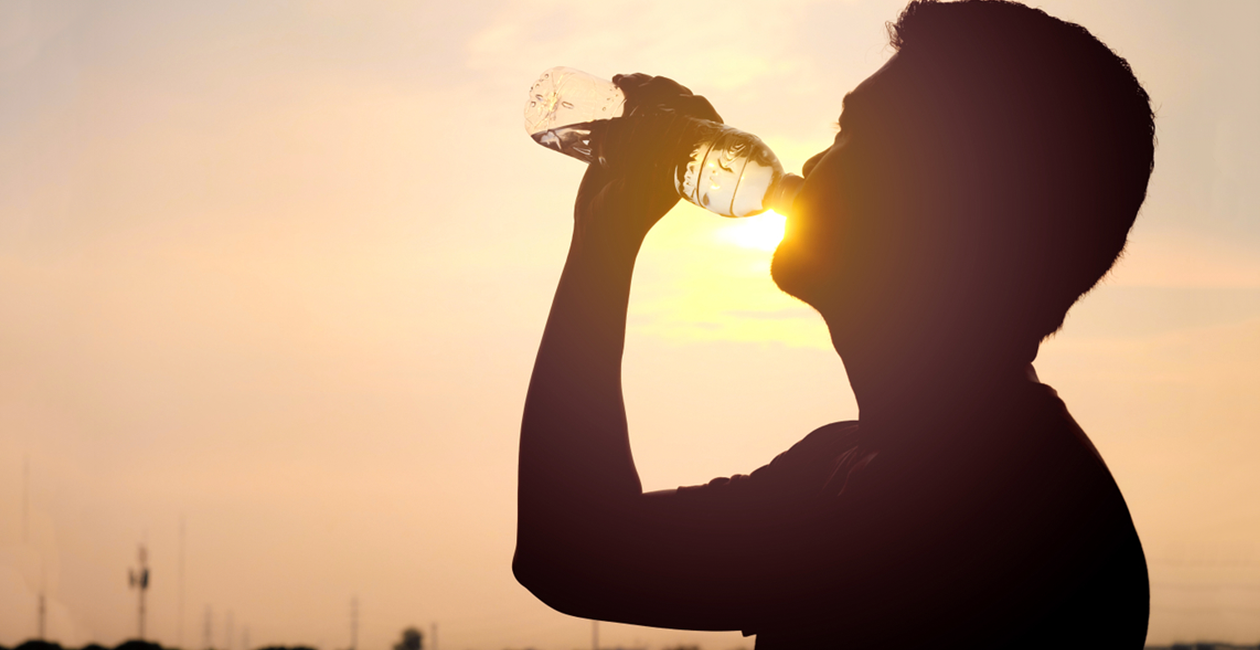
Hot weather cranks up the risk of dehydration for everyone. Whether you’re lounging, working outside, or just going about your day, staying hydrated isn’t always as simple as “drink more water.” Understanding what your body needs, spotting the warning signs, and weaving smart hydration habits into your routine will help you beat the heat safely.
**TL;DR:**
Heat, sweat, and activity all drain your body’s water fast. Drink more fluids, eat hydrating foods, keep tabs on signs like thirst and urine color, and don’t rely on thirst alone. Electrolytes matter for heavy sweating. Build hydration habits that match your lifestyle for reliable, real-world protection.
When temperatures soar, your hydration needs go up. Water is about 60% of your body weight, and you can lose up to 1-1.5 liters of fluid per hour through sweat in extreme heat or with intense activity.
High temps make your body sweat more to cool off. You also lose more water as vapor with every breath, especially if you’re breathing hard from exercise or outdoor work. That means it’s easy to fall behind on hydration without noticing, especially on busy or active days.
Even mild dehydration can zap your mental sharpness and physical performance. If you don’t catch up, dehydration can cause headaches, fatigue, dizziness, and muscle cramps. Severe dehydration raises the risk for heat exhaustion and heatstroke, both of which can quickly become dangerous.
On average, most people need at least 9-13 cups of fluids per day. You might need more if you’re heavier, more active, or sweating heavily. There’s no perfect number because needs differ, but a good rule is to drink enough so your urine stays pale yellow.
More exercise or outdoor work ups your fluid needs fast. It’s not uncommon to need an extra liter (or more) per hour in extreme conditions. Kids, older adults, and people with certain health conditions are at greater risk of dehydration, so they may need help remembering to drink or adjusting their intake. Factor in humidity, sun exposure, and your own sweat levels.
Don’t wait until you’re thirsty! Thirst isn’t always reliable, especially as you age or get distracted. Instead, check your urine color: pale yellow means you’re on track, while dark urine suggests you need more fluids. There are handy hydration-tracking apps and “smart” bottles to help if reminders work better for you.
Making hydration easy is the secret. Keep a filled water bottle within reach wherever you spend time. Set phone alarms or calendar nudges if you tend to forget. Prep water-rich snacks like sliced cucumber or watermelon for grab-and-go rehydration, especially when working outdoors or in a building without air conditioning.
Some foods pull double duty for hydration during hot weather. Watermelon, cucumber, strawberries, oranges, and lettuce are all over 90% water. If plain water gets dull, try flavoring it with citrus, mint, or a splash of juice. Infused water, chilled herbal tea, and low-sugar electrolyte drinks can break up the monotony and encourage you to drink more.
Sweating hard for over an hour, especially during exercise or outdoor jobs, can drain your body’s sodium, potassium, and magnesium. Key warning signs of imbalance include muscle cramps, fatigue, headache, and nausea. Not everyone needs extra electrolytes, but heavy sweaters and athletes should pay attention here.
Food is a solid starting point. Bananas, leafy greens, potatoes, dairy, and salt all contribute. During prolonged exercise, extended time in the heat, or illness involving vomiting or diarrhoea, where losses are higher and harder to replace through food alone, electrolyte-rich drinks, powders, and supplements come in, a practical way to keep levels consistent without having to think too hard about what's on your plate.
Early signs of dehydration include dry mouth, fatigue, headache, and fewer trips to the bathroom. Heat stress often shows up as weakness, confusion, nausea, fast pulse, or skin that is hot and dry or cool and clammy. Trust these cues and respond quickly.
If you start feeling unwell, get out of the heat, rest in shade, and sip cool water steadily. Loosen tight clothes and use a wet cloth on your skin. If you’re sweating heavily, add an electrolyte drink or a salty snack. For serious symptoms (confusion, fainting, rapid pulse), seek medical help right away.
Moderate coffee or tea doesn’t undo your hydration, and they still count toward your fluid total. Alcohol, however, does have a dehydrating effect, especially in large amounts, so go easy during heat waves.
It is possible, though rare, to overhydrate. Drinking extreme amounts of water without food or salts can cause hyponatremia (dangerously low blood sodium). Don’t force fluids far past your thirst; balance water with snacks or meals if you’re drinking a lot, especially during prolonged activity outdoors.
Q: What are quick signs you're dehydrated in hot weather?
A: Dry mouth, dark or strong-smelling urine, headache, dizziness, and sudden fatigue are early dehydration cues, especially if you’re outdoors or exercising.
Q: How can you hydrate fast when overheated?
A: Sip cool water, get into shade or a cooler space, loosen tight clothes, and replenish electrolytes with a sports drink or salty snack if you’ve been sweating a lot.
Q: Do you need sports drinks to stay hydrated in heat?
A: Only if you’ve been sweating heavily for a long stretch. For most people, water plus regular meals or snacks will keep hydration and electrolyte levels balanced.
Q: Can drinking too much water be dangerous in the heat?
A: Yes, drinking too much plain water can cause hyponatremia, especially if you’re active for hours. Combine fluids with salty foods or electrolyte drinks as needed.
Q: What foods help keep you hydrated during summer?
A: Watermelon, cucumber, strawberries, oranges, and lettuce are rich in water and make hydrating snacks.
Q: Is cold water better than room temperature for hydration?
A: Both hydrate equally well, but cold water usually feels more refreshing and might encourage you to drink more in hot conditions.




Get 15% off your first order, plus insider access to expert tips, exclusive discounts, and the latest from Huel.