When you’re aiming to lose weight or maintain a healthy diet, hunger can become an unexpected hurdle. If you’ve ever tried cutting calories, you know the real problem isn’t math. It’s hunger.
You can plan your meals perfectly at 9 a.m. By 3 p.m., your stomach has other ideas. That’s where protein changes the game. Understanding how protein keeps you full — and how it works alongside fiber and balanced meals — can make reducing calories feel manageable instead of punishing. Because the goal isn’t to eat less and suffer. It’s to eat smarter and stay satisfied.
TL;DR:
- Protein increases satiety, helping you feel full on fewer calories by affecting appetite hormones and digestion.
- Including both protein and fiber in meals offers the strongest fullness effect.
- Liquid meals can be just as filling as solids—if balanced with protein, fiber, and healthy fats.
- Smart food swaps and meal planning are key to comfortably reducing calorie intake while managing hunger.
Why Fullness Matters When Cutting Calories
Feeling full isn’t just a comfort—it’s a crucial factor for sustainable weight management. The body’s hunger and satiety signals are powerful, often driving food decisions, sometimes regardless of willpower or best intentions.
The Challenge of Dieting: Hunger and Satisfaction
Hunger isn’t a weakness. It’s biology.
When calories drop too low or meals lack staying power, your body responds with stronger hunger signals. That’s one reason strict, low-calorie diets often fail. Eventually, willpower loses to physiology.
Research consistently shows that strategies increasing satiety — the feeling of fullness after eating — improve adherence to calorie-controlled diets. In other words, people stick with eating patterns that don’t leave them constantly thinking about food.
If you want to eat fewer calories comfortably, you need meals that work with your appetite hormones, not against them.
How Protein Affects Satiety and Appetite
It’s not just about how many calories you eat, but where those calories come from. When protein is prioritized, the body responds differently than it does to carbs or fat.
Protein and Appetite Hormones
Protein influences several key hormones involved in hunger and satiety:
- Ghrelin: Often called the “hunger hormone,” ghrelin rises before meals and falls after eating. Protein-rich meals suppress ghrelin levels more than carb- or fat-focused meals, which may help you feel less hungry between meals.
- GLP-1 (Glucagon-like peptide-1) and Peptide YY: These hormones promote satiety. Protein stimulates their release, producing a stronger and longer sense of fullness after eating.
Clinical studies confirm that higher-protein diets may naturally reduce overall calorie intake.
Comparing Protein to Carbohydrates and Fats
When comparing the effect of each macronutrient:
- Protein is the most satiating calorie for calorie.
- Research using the Satiety Index shows protein-rich foods—like eggs or fish—tend to score higher for post-meal satisfaction than carb- or fat-rich options.
- Additionally, digesting protein requires more energy (the thermic effect of food, or TEF): about 20–30% of protein calories are burned during digestion, compared to 5–10% for carbs and just 0–3% for fats.
Bottom line: Swapping carbs or fats for extra protein often means you’ll feel fuller, longer, even on fewer calories.
Best High-Protein Foods for Staying Full
Choosing the right protein sources is essential for both satiety and overall health. High-protein foods vary in calorie density, nutrition, and ease of preparation.
Lean Proteins and Their Benefits
Some of the best options for high-protein foods that deliver maximum fullness with fewer calories include:
- Skinless chicken or turkey breast
- Fish (like salmon, tuna, cod)
- Eggs and egg whites
- Greek yogurt (preferably low- or non-fat)
- Cottage cheese
- Tofu, tempeh, and edamame
- Lentils, chickpeas, black beans, other legumes
Why focus on lean proteins? They deliver more protein per calorie, helping you maximize fullness while keeping total calorie intake in check.
How to Add Protein to Every Meal
Here are practical ways to boost protein throughout your day:
- Breakfast:- Swap regular yogurt for Greek yogurt.- Add cottage cheese or eggs instead of toast or pastries.
- Lunch:- Use grilled chicken, beans, or tofu as your salad topping.- Mix tuna or salmon into whole-grain pasta salads.
- Dinner:- Serve stir-fries with lean meats or plant proteins plus a heap of vegetables.- Choose lentil- or bean-based curries over creamy sauces.
- Snacks:- Keep hardboiled eggs, roasted chickpeas, or protein shakes handy.
Portion tip: For most adults, aiming for at least 20–30 grams of protein per meal is a solid starting point. Advanced needs may be higher, especially if highly active or preserving muscle is a goal.
The Synergy of Fiber and Liquid Meals in Satiety
While protein steals the spotlight for satiety, pairing it with fiber—and using well-designed liquid meals—can amplify fullness even further.
How Fiber Makes a Difference
Fiber comes in two main forms:
- Soluble fiber (found in oats, beans, apples): Dissolves in water, forming a gel-like substance that slows digestion, prolonging fullness.
- Insoluble fiber (found in whole grains, many vegetables): Adds bulk to meals, stretching the stomach and physically signaling fullness.
Eating enough fiber is associated with lower calorie intake and improved satiety and weight management outcomes. Recommended intakes: 25g/day for women, 38g/day for men ([CDC/Institute of Medicine]).
Fiber-rich foods to prioritize:
- Beans and lentils
- Oats, barley, quinoa
- Broccoli, carrots, leafy greens
- Apples, pears, berries
Pairing protein and fiber (like beans with chicken breast, or Greek yogurt with berries) provides a “double whammy” for fullness.
When and How to Use Liquid Meals
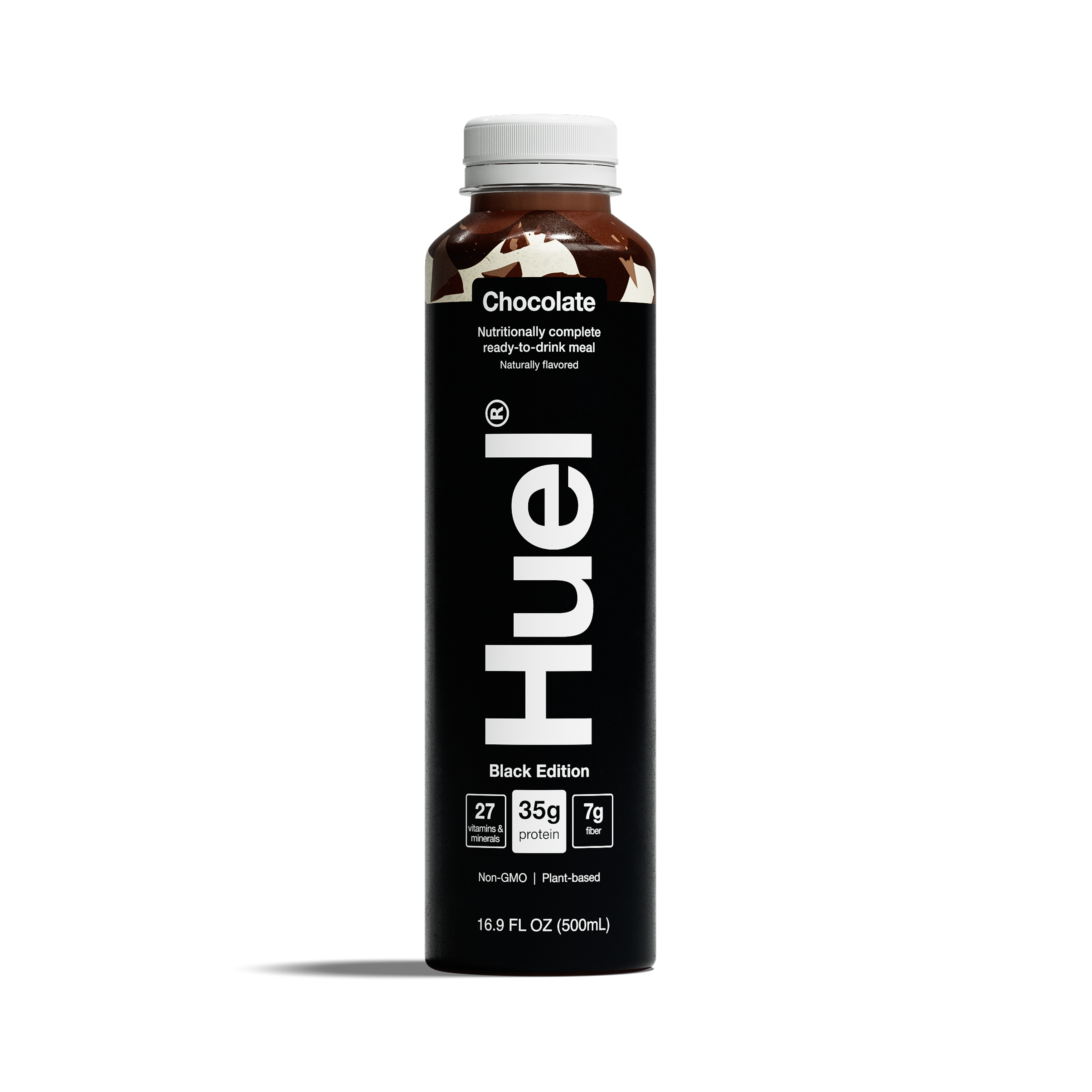
Liquid meals—such as shakes or soups—are sometimes criticized for being less filling, but research shows they can be highly satisfying when composed wisely.
Benefits of liquid meals:
- Convenience and speed: Ideal for busy lifestyles.
- Portion control: Easier calorie and macronutrient management.
- Digestive comfort: Often gentle on the stomach.
Drawbacks: Ultra-processed or sweetened liquid meals may be low in fiber and protein, spiking hunger later.
What makes a liquid meal satisfying?
- Protein (15–40g, depending on needs)
- Fiber (5–10g/serving)
- Healthy fats (1–2 tsp nut butter, seeds, or avocado)
- Low energy density (more liquid, fewer processed starches or sugars)
Sample balanced shake:
- 1 serving protein powder (20–25g protein)
- 1 cup unsweetened almond milk + ½ cup water
- ½ cup frozen blueberries (fiber)
- 1 tbsp chia seeds (fiber + fat)
- Handful of spinach or kale
This combo targets all satiety factors: slow digestion, strong hormonal signaling, and satisfying bulk.
Meal Planning Tips for Maximum Fullness on Fewer Calories
Success comes from consistency. Building every meal and snack around protein and fiber—using a blend of solid and occasional liquid options—makes sticking to a calorie goal much easier.
Sample Day: High Protein, High Fiber, Calorie-Smart Meals
Breakfast:
- Greek yogurt parfait: ¾ cup Greek yogurt, ½ cup berries, 2 tbsp high-fiber muesli, sprinkle of chia seeds
Lunch:
- Lentil and chicken salad: mixed greens, ½ cup cooked lentils, 3 oz grilled chicken breast, chopped peppers, tomatoes, vinaigrette
Snack:
- Hummus (3 tbsp) with carrot and cucumber sticks
Dinner:
- Baked salmon (4 oz) over quinoa & roast vegetables (broccoli, peppers, carrots); squeeze of lemon
Snack or dessert (if needed):
- Protein smoothie: 1 scoop protein powder, 1 cup unsweetened soy milk, ½ banana, 1 tbsp flaxseed
Total:
- ~100+ grams of protein, >30 grams fiber, all from nutrient-dense sources, and around 1,600–1,800 calories depending on portion sizes
Meal variety tip: Switch up your protein and fiber sources to avoid boredom and ensure diverse nutrition.
Additional Tips for Staying Satisfied
- Stay hydrated: Thirst can masquerade as hunger; water, herbal teas, or sparkling water support fullness.
- Eat mindfully: Slow down, savor meals, and check in with hunger before reaching for seconds or snacks.
- Minimize ultra-processed snacks: These often lack both fiber and protein, and can spike hunger and cravings.
Frequently Asked Questions
Can you eat too much protein?
For most healthy adults, a daily intake of up to 2.2 grams per kilogram of body weight (about 1 gram per pound) is considered safe. Extremely high intakes for extended periods may strain the kidneys in those with pre-existing disease, but evidence indicates this is rare in healthy people. It’s best to balance high protein with plenty of fluids and ample fruits, veggies, and fiber.
Are there side effects to high protein or high fiber diets?
- Protein: Occasionally, high protein can cause minor digestive discomfort if increased too quickly.
- Fiber: Rapidly boosting fiber may lead to bloating or gas; increase intake gradually and drink more fluids.
- General advice: Make changes incrementally and observe how your body responds; most symptoms subside as your digestive system adjusts.
Key takeaways
- Protein keeps you full by influencing hunger hormones, digestion, and energy expenditure.
- Adding abundant fiber and volume to meals further boosts satiety.
- Thoughtfully designed liquid meals can be as satisfying as solid foods—for fewer calories.
- Practical swaps and meal planning centered on protein and fiber are crucial for appetite control and weight management success.
- Hydration, mindful eating, and limiting ultra-processed foods make diet changes more sustainable.




.png?auto=format&compress&w=3500)


