🔥 Bestseller
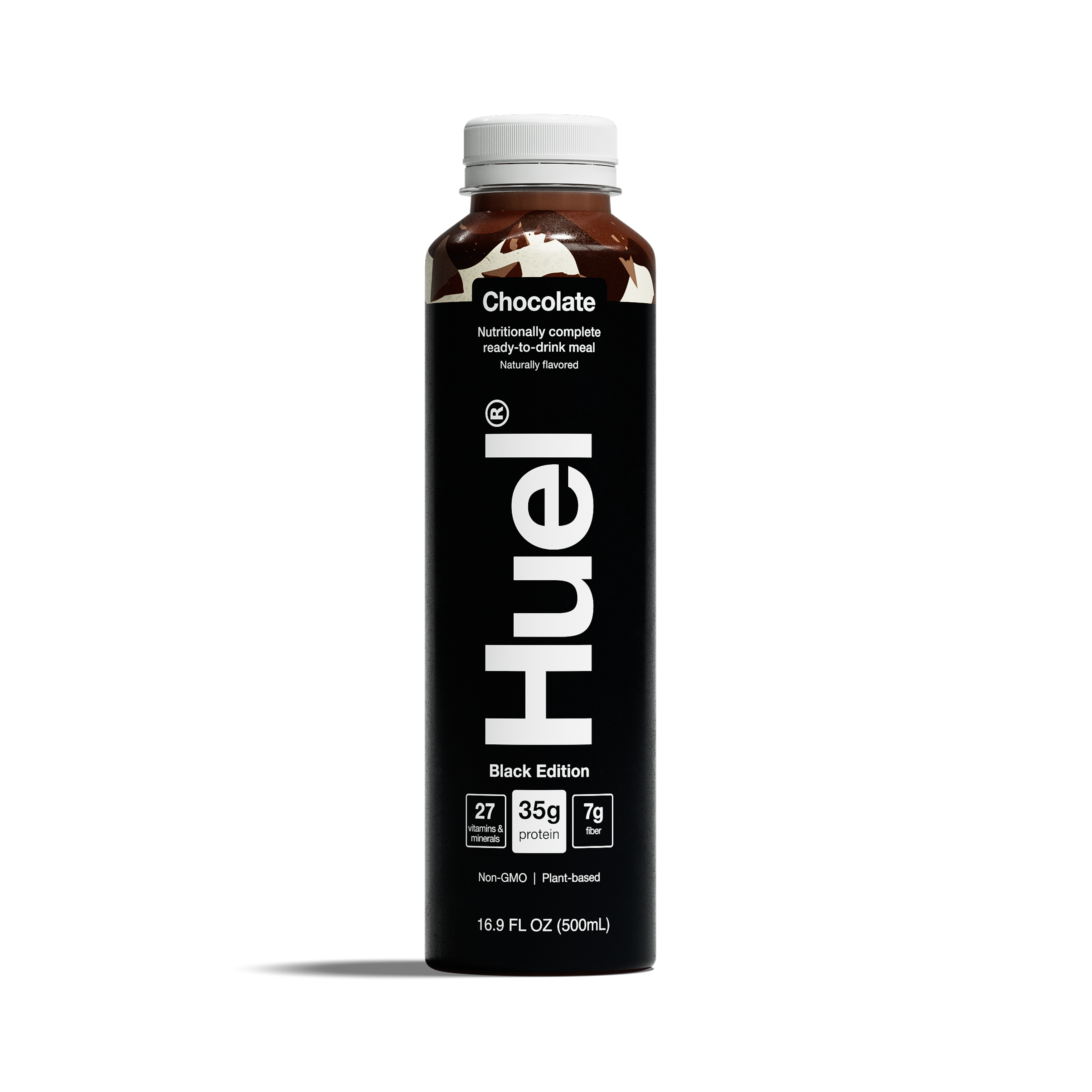

Black Edition Ready-to-drink
High-protein meal shakes
35g protein
400 cal per bottle

It’s officially Organic September. If you’re interested in eating more pesticide-free produce, here are seven ways to get more of the good stuff on your plate.
The global appetite for organic food is growing, and the market is bigger than ever. People choose organic-certified foods for many reasons: health, sustainability, or simply because they believe it tastes better.
Of course, organic foods often come at a premium. Prices are getting closer to conventional options, but on average, they’re still 48% higher. With a little planning, though, it’s possible to bring more planet-friendly ingredients into your diet without breaking the bank.
Put simply, organic food is produced in harmony with nature. Rather than using pesticides (which protect crops but kill insects), chemical fertilizers, and genetic modification, organic farmers use natural methods to grow plants and animals.
A good definition comes from The International Federation of Organic Agriculture Movements (IFOAM). They put it like this:
“Organic Agriculture is a production system that sustains the health of soils, ecosystems, and people. It relies on ecological processes, biodiversity, and cycles adapted to local conditions, rather than the use of inputs with adverse effects.”
Until relatively recently, practically all food was organic. However, following WWII, the ‘Green Revolution’ saw widespread adoption of artificial chemicals in agriculture. These practices allowed farmers to produce far more food and support a bigger population.
But over time, people have come to realise that these chemicals can have negative consequences for the planet, other creatures, farm workers, and end consumers.
Suggested: How to eat more plant-based food
There are several reasons organic food should make an appearance on your plate. Even if you can’t afford to make all your meals 100% organic, there are still benefits to consuming a little.
We should at this point insert a caveat.
Non-organic food isn’t necessarily ‘bad’, and any produce you can find in supermarkets should meet national food safety standards. Some farmers - particularly smaller operators - produce food in very eco-friendly ways, but don’t have the time or money to go through complex organic certification processes.
Some studies have found that organic produce tends to contain more vitamins and minerals than the everyday alternative. For example, one large study found that organic vegetables appear to contain more polyphenols, a type of antioxidant. Meanwhile, organic dairy and meat may contain up to 50% more omega-3 fatty acids.
Since organic agriculture doesn’t rely on artificial fertilizers and pesticides, it should contain no (or very little) harmful chemicals. For example, research shows organic fruit and veg contain far lower levels of the toxic heavy metal cadmium.
There is some controversy around this point, and there isn’t enough evidence to say it’s definitely better for you. But results of some research suggest people who eat more organic food may be less prone to certain cancers.
Since organic agriculture doesn’t use pesticides and artificial fertilizers, it’s widely recognised as being better for biodiversity and soil health. For example, switching to organic farming increases local biodiversity by a third compared to conventional methods.
Workers on farms that use pesticides heavily may be more exposed to harmful chemicals that could increase their risk of certain diseases, according to research.

Whatever your reasons for choosing organic food, the following tips can help you get more of it into your diet.
1) Sign up for organic food box schemes
An organic food box scheme is one of the easiest ways to increase the amount of organic food in your diet. Schemes work in slightly different ways, but you’ll typically get a weekly box of seasonal fresh fruit and veg delivered to your door or nearby collection point. Look online for schemes near you.
You’ll usually be able to choose what sorts of food you want in your box (e.g., fruit and veg, or fruit/veg only), and the size of your delivery. Most veg boxes are seasonal, so you don’t always get a choice of what’s going in your weekly delivery — it just depends on what's being harvested at the moment. But you can usually tell the provider if there are certain items you just don’t like, and they may be able to switch them out automatically.
In addition to fruit and veg, many of these schemes also offer organic dairy, eggs, meat, fish, and store cupboard ingredients too.
2) Buy in bulk
Since organic food tends to be more expensive, it can be worth buying in bulk - this makes the overall cost cheaper.
Obviously, bulk buying won’t work for a lot of fresh foods, but it is definitely an option for longer-lasting items like onions, garlic, and potatoes (so long as you store them correctly). Store cupboard organic food is also often cheaper when bought in bulk online - a bit of research should help you find multipack boxes of coffee, tea, chocolate, flour, pasta, rice, and so on.
3) Organic staples are often cheaper
If you want to eat organic but can’t face paying near-double for a cucumber or lettuce, head to the dry foods aisles instead.
Organic (dried) pulses, lentils and beans, pasta, rice, oats and flour will still cost more than the conventional versions, but the price difference is often more manageable (perhaps 10-20% more). Tinned organic beans, lentils, and chickpeas will also be more expensive, but still less so than the fresh stuff.
4) Buy frozen
Similarly, frozen organic veg, berries, and meat/fish are often a lot more affordable than fresh and refrigerated versions. Since these ingredients will last a lot longer on the shelf, supermarkets don’t need to hike up the price as much. Sometimes a supermarket's own organic frozen foods will be cheaper than non-organic branded equivalents (particularly for things like peas and sweetcorn).
5) Get savvy on deals and alerts
If you don’t mind shopping around, then it’s often possible to find deals on organic foods at major supermarket chains. In many countries, there are price comparison websites that track daily ups and downs in food prices. You can use these sites to find the cheapest offers on organic ingredients, then shop for them online.
Many supermarkets also have apps or member emails where you can request alerts whenever your preferred organic items are on sale.
6) Hit local farmers’ markets and shops
Farmers' markets, local independent shops, and grocers often have surprisingly good deals on organic foods. Speak with vendors at markets, and they’ll often be more than happy to wax lyrical about how they care for their soil and biodiversity. And local shops often sell a surprisingly good range of organic foods (particularly tinned and dried goods) that are cheaper than the big supermarkets.
7) Grow your own
Depending on space available and whether you have a garden/allotment, growing your own means you can be 100% certain your food is entirely organic. Herbs are a windowsill classic, while carrots, potatoes, tomatoes, and red berries are often fairly easy to grow and give a good crop.
If you’re interested in eating more organic food, the following tips can also help with planning out your approach.
One of the common reasons people choose organic food is that they want to avoid consuming pesticides that are sprayed on crops. Often, these can be rinsed off in your kitchen sink, but some plants absorb these chemicals into the actual structure of the fruits or vegetables you eat.
The ‘dirty dozen’ is a list of 12 common fruits and vegetables that typically contain the highest amount of pesticides. If you’re worried about consuming these chemicals, then choosing organic versions of these crops means you’ll reduce your exposure. The dirty dozen are:
Meanwhile, the ‘clean fifteen’ are crops that absorb far lower quantities of these chemicals into the food you eat, usually because they have thicker skins that get discarded. If you can’t afford to buy everything organic, then choosing non-organic versions of the clean fifteen means you can be fairly confident the foods you eat don’t contain lots of unwanted chemicals. The clean fifteen are:
As mentioned above, it can be expensive and complicated for farmers to get their crops certified as organic. Nevertheless, many producers stick to very high animal welfare standards, use minimal pest control, and encourage biodiversity on their farms.
Depending on where you live, various standards and labels show food is produced in more ethical or sustainable ways, even if they don’t meet the very strictest definitions of organic. You’ll have to do your own research and decide which labels you trust.
Related: 5 ways to tell if your food is sustainable
The average person in the UK is reported to waste about a third of the food they buy. If you were buying organic (which costs up to 48% more), then this would be an especially expensive way of throwing money in the bin.
However, if you can get good at using up every last scrap of your weekly shop, then paying more for organic will feel more bearable!
One good way of reducing your food waste is to create a weekly meal plan where you decide in advance what ingredients you need for each breakfast, lunch, and dinner, and how much. This means you’ll be less likely to buy more than you need.
As the tips and ideas in this article show, there are lots of ways of increasing the amount of organic food you eat. You don’t necessarily need to go all out and switch every ingredient in your shopping list. But by making small changes and planning out your purchases, you can get on your way to eating more organically.
Words by Len Williams