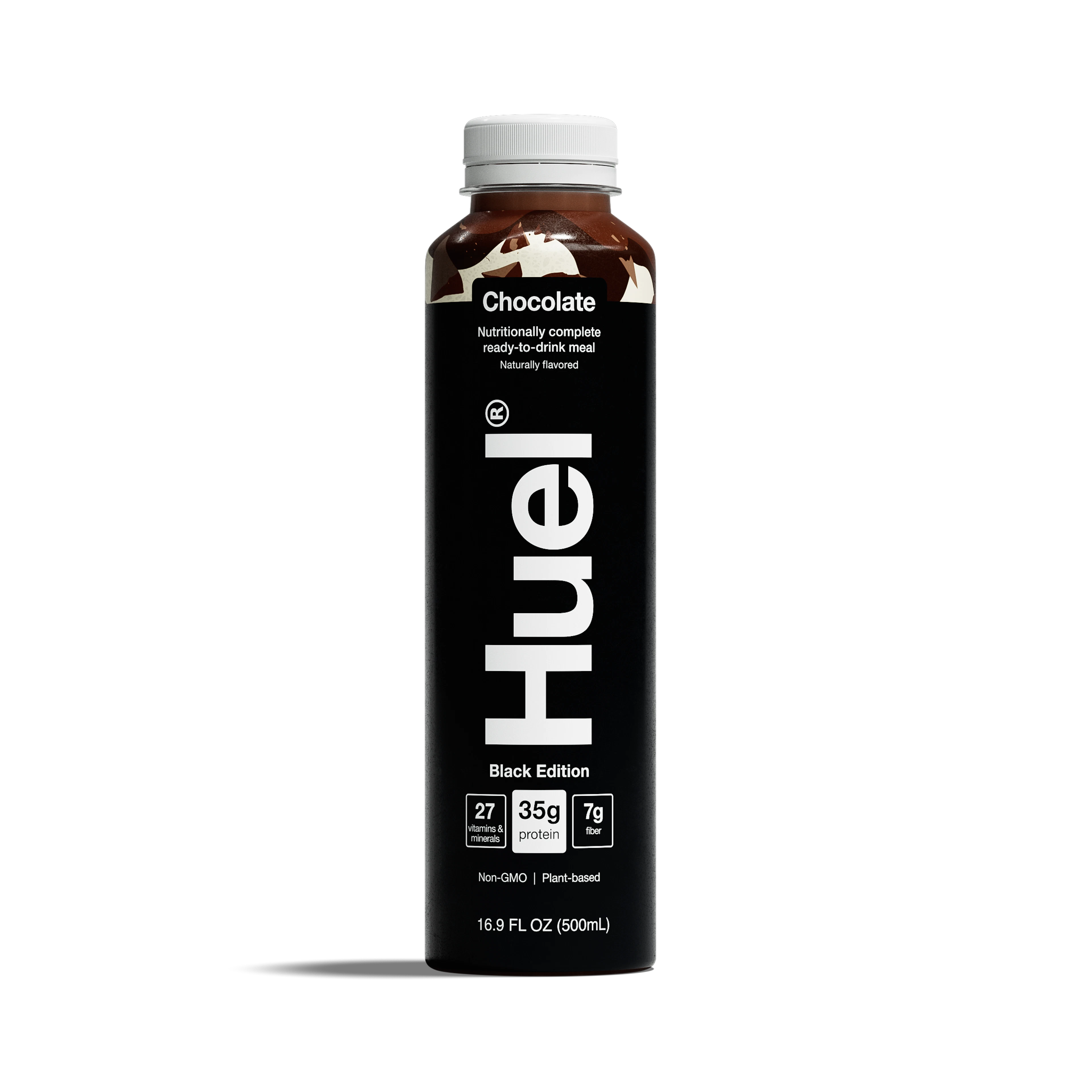
Black Edition Ready-to-drink
High-protein meal shakes
35g protein
400 cal per bottle

Exercise can support your sexual health, but will getting more active actually make you want sex more often? The answer depends on the person—and on what you mean by “sex drive.”
Desire, physical arousal, and sexual satisfaction are connected, but they’re different experiences. A workout might help you feel more relaxed or improve your body’s response to sexual stimulation without changing how often you’re interested in sex.
Here’s what the research tells us, and how to build an exercise routine that supports your well-being.
The evidence is promising, particularly for erectile function. A review of 11 randomized controlled trials found that aerobic exercise improved erectile function compared with control groups. That’s encouraging, although better erections don’t necessarily mean greater sexual desire.
Research involving women has explored several outcomes, including arousal and satisfaction. However, a systematic review of physical activity and sexual function found that relatively few eligible trials involved women, making firm conclusions more difficult.
Exercise may help some aspects of your sex life. It isn’t a guaranteed way to increase libido, and the benefits won’t look the same for everyone.
Healthy circulation plays a role in sexual arousal. The National Institute of Diabetes and Digestive and Kidney Diseases explains that physical activity increases blood flow throughout the body, including the penis, and can form part of treatment for erectile dysfunction.
That gives regular movement a practical role in sexual health, especially when erection difficulties are involved. Persistent difficulties still deserve a conversation with a healthcare professional, who can help identify the cause and discuss treatment options.
It can be difficult to feel interested in sex when you’re stressed, distracted, or exhausted.
Regular exercise can support energy levels, while Mayo Clinic explains that physical activity can help ease symptoms of depression and anxiety.
Research has also found an association between physical activity and self-esteem. That doesn’t prove exercise automatically improves confidence, but it suggests another possible connection.
Together, these benefits may create more room for intimacy. They don’t mean you need to change your appearance or reach a fitness goal to enjoy sex.
Claims that a workout boosts testosterone and therefore increases desire can make the relationship sound simpler than it is.
In one small laboratory study involving 16 women, exercise increased physical sexual arousal without a detectable difference in testosterone between the exercise and comparison conditions. The researchers instead found evidence pointing to nervous system activity as a possible mechanism.
Hormones matter, but a hormone change after exercise isn’t enough to predict how interested in sex you’ll feel.
Some effects have been observed after a single workout.
Research from the University of Texas at Austin found that women showed greater genital responses to erotic films after exercise under certain laboratory conditions. Some experiments involved 20 minutes of stationary cycling.
These studies measured physical responses to sexual stimuli. They don’t establish a universal window when sex will feel best, or show that everyone will experience a rise in desire after exercising.
For longer-term changes, there’s no reliable countdown. The studies use different exercise programs, populations, and measures of sexual function. Give yourself room to notice how movement affects your mood, energy, and comfort without setting a deadline for your libido.
Choose activities you enjoy enough to repeat. A routine that fits your life is easier to maintain.
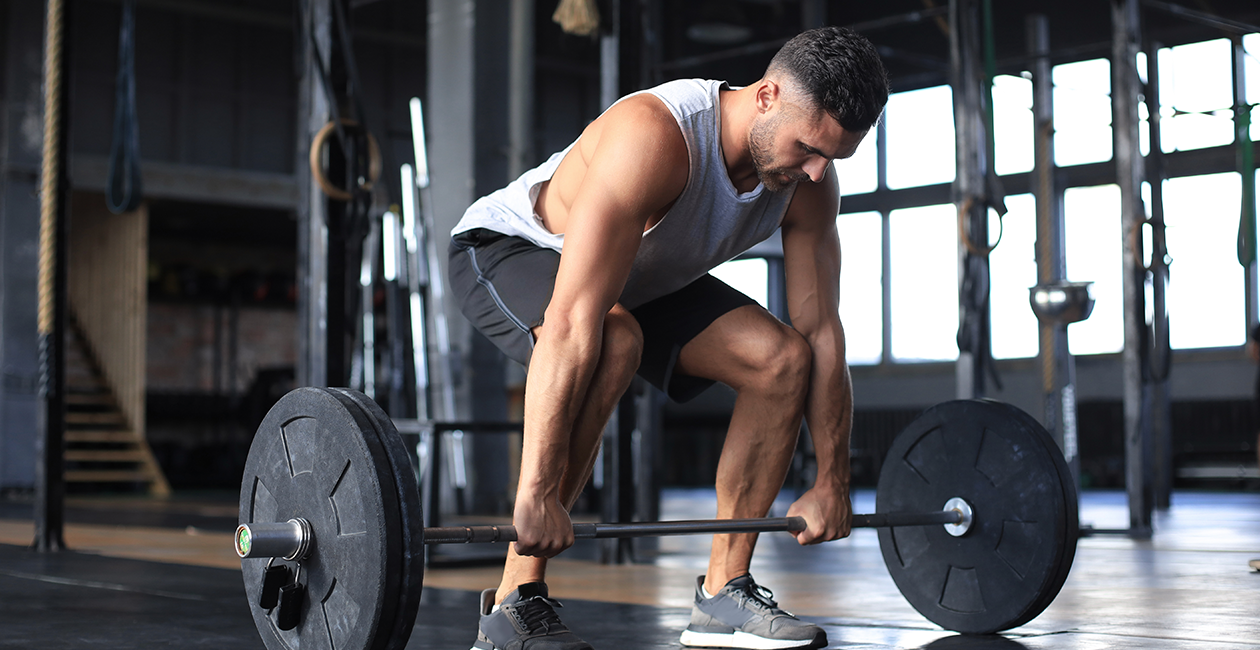
Aerobic exercise: Brisk walking, swimming, cycling, and jogging are options. Aerobic exercise has direct research support for improving erectile function.
Strength training: Weights, resistance bands, and bodyweight exercises can help you meet general physical activity recommendations. Think of them as part of a balanced routine, without expecting a specific hormonal or sexual response.
Activities that help you unwind: If you enjoy yoga, stretching, or a relaxed walk, make space for them. You don’t need every movement session to be demanding.
Pelvic floor exercises: Kegels can help when pelvic floor weakness contributes to symptoms, but they aren’t a universal recommendation. Cleveland Clinic cautions that unnecessary or excessive Kegels can make the muscles too tense. If you have pelvic pain or discomfort during sex, a healthcare professional or pelvic floor physical therapist can assess what you need.
For general health, the CDC recommends:
One way to reach the moderate-intensity target is a 30-minute brisk walk five days a week. You can also divide activity into shorter sessions.
These are general health recommendations, rather than a proven exercise dose for increasing sex drive. If you’re starting from little activity, build up gradually. Some movement is better than none.
More training doesn’t necessarily bring greater sexual benefits.
A survey of male endurance exercisers found that more intense training and longer training duration were associated with lower libido. Because it was an observational study, it couldn’t establish that exercise caused the difference.
It also doesn’t mean vigorous workouts are inherently bad for your sex life. Consider how your overall routine feels. If training regularly leaves you exhausted, review your workload, recovery time, sleep, and food intake instead of assuming another workout will help.
There’s no required level of sexual desire, and a lower libido isn’t automatically a problem that needs fixing.
If a change concerns you, though, you don’t have to wait for exercise to resolve it. Mayo Clinic explains that sexual desire can be affected by factors including stress, medications, relationship difficulties, fatigue, and hormonal changes.
A healthcare professional can help you explore persistent or distressing changes in desire, recurring erection difficulties, or pain during sex. Understanding what’s contributing to the change makes it easier to find support that fits your situation.
High-protein meal shakes
35g protein
400 cal per bottle
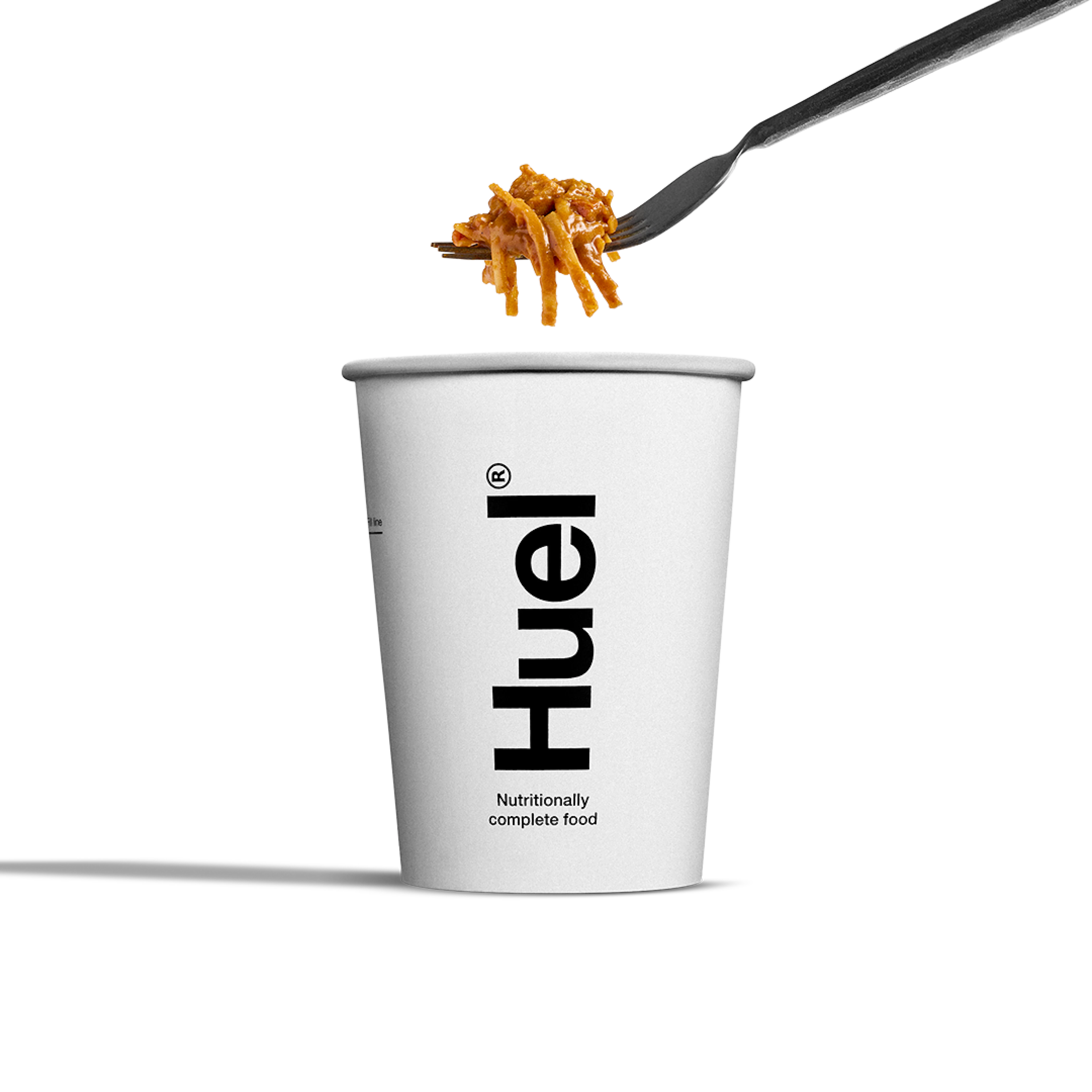

On-the-go instant meals
Up to 25g protein
400 cal per meal
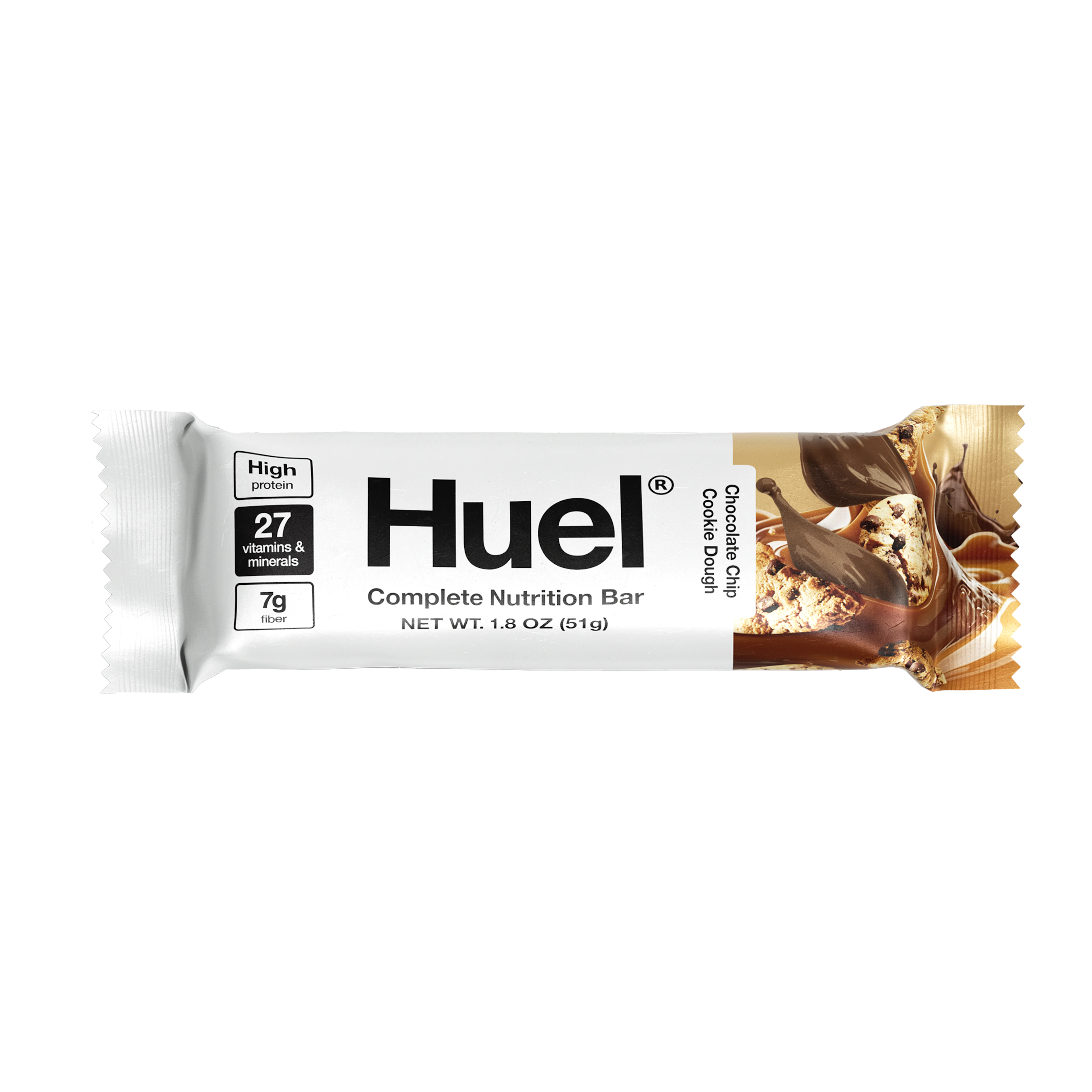
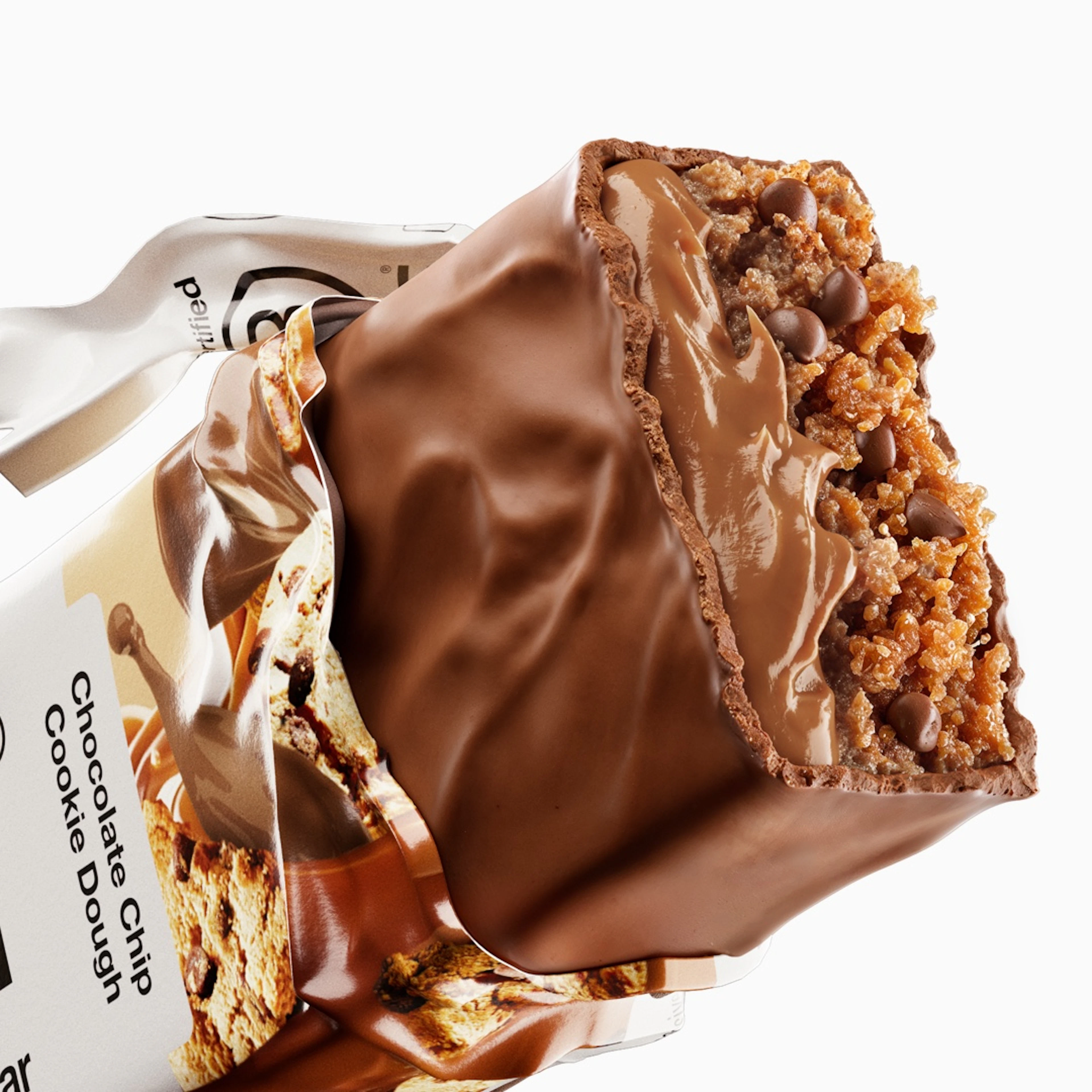
Complete protein bar
Up to 15g protein
Up to 210 cal per bar
✨ New flavors
.png?auto=format&compress=true&w=3840)

Sparkling supergreens drink
42 vitamins, minerals & nutrients
35 cal per can



Get 15% off your first order, plus insider access to expert tips, exclusive discounts, and the latest from Huel.