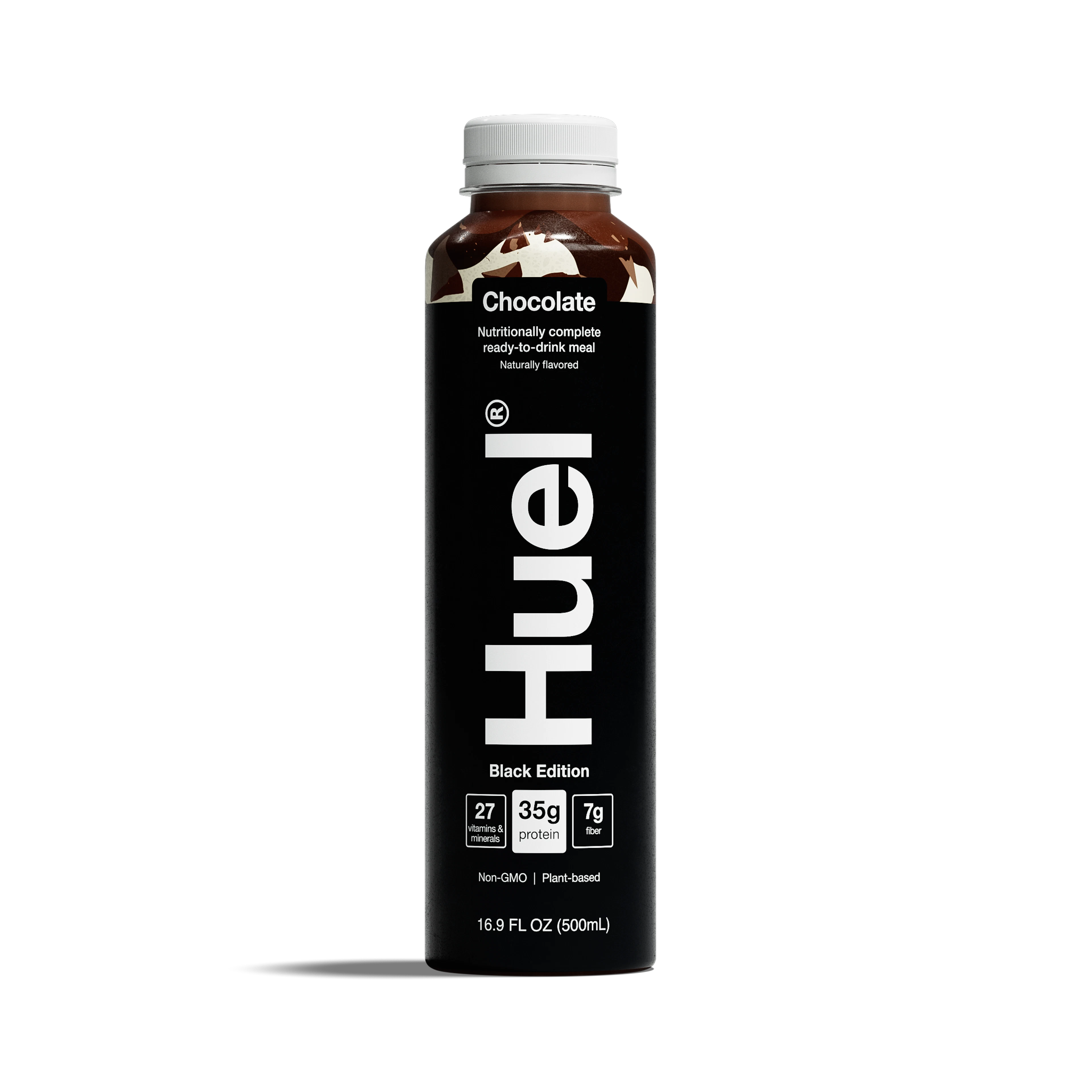

Black Edition Ready-to-drink
High-protein meal shakes
35g protein
400 cal per bottle

Smart, science-backed breakfasts to help digestion.
Starting your day with a gut-friendly breakfast is more than a wellness trend. It’s a science-backed way to support digestion, immunity, and mental clarity. Your gut plays a major role in how you feel and function, and breakfast is one of the best opportunities to nourish it well.
Whether you want to calm your stomach, increase fiber, or simply feel more energized, the first meal of the day sets the tone. This guide explains what makes a breakfast good for your gut, highlights key ingredients, and shares quick, flexible recipes that support your microbiome—whatever your dietary needs.
Gut-Friendly Breakfasts at a Glance
Gut-friendly breakfasts are meals designed to support the trillions of bacteria in your digestive tract, known as the microbiome. They include foods that feed these bacteria (prebiotics), add beneficial bacteria (probiotics), and provide fiber and healthy fats to keep everything running smoothly.
They also skip the common culprits that can slow digestion, like processed carbs, added sugars, and greasy foods.
Your gut does much more than digest food. It supports immunity, inflammation control, nutrient absorption, and even mood through the gut-brain connection. An estimated 70% of immune cells are linked to the gut, highlighting its key role in overall health. Basically, what you eat each morning influences how you feel all day.
Breakfast literally breaks your overnight fast, giving your microbiome its first nourishment of the day. A balanced morning meal helps stabilize blood sugar, supports digestion, and primes your body and mind for the hours ahead.
Fiber
Feeds beneficial bacteria and keeps digestion regular. Choose a mix of soluble and insoluble fiber from grains, fruits, vegetables, and legumes.
Prebiotics
Types of fiber that specifically feed good gut bacteria. Found in bananas, onions, leeks, garlic, asparagus, and whole grains.
Probiotics
Live bacteria that add diversity to your microbiome. Found in yogurt, kefir, kimchi, miso, and other fermented foods.
Healthy fats
Nuts, seeds, avocado, and olive oil help you stay satisfied and support nutrient absorption.
Plant diversity
Eating many different plant foods each week (ideally 30 or more) helps strengthen and balance your gut bacteria.
High-fiber foods:
Oats, quinoa, buckwheat, whole-grain bread, berries, apples, pears, kiwi, spinach, and sweet potato.
Probiotic foods:
Live yogurt (dairy or dairy-free), kefir, sauerkraut or kimchi, kombucha, and miso.
Prebiotic foods:
Bananas, onions, garlic, leeks, asparagus, chicory root, chia seeds, and flaxseed.
Healthy fats:
Almonds, walnuts, pumpkin seeds, hemp seeds, flaxseed, avocado, and olive oil.
Tip: Combine probiotics and prebiotics for a “synbiotic” effect. For example, pair kefir with banana and chia seeds.
Need breakfast in a hurry? These recipes make it easy to turn prioritizing gut health into an everyday habit.
Ingredients
Instructions
1. Combine oats, chia seeds, plant milk, banana, and berries in a jar or container.
2. Cover and refrigerate overnight (at least 6 hours).
3. In the morning, stir and top with kefir or yogurt before serving.
Variations: Use cooked quinoa or buckwheat instead of oats. Add cinnamon, grated apple, or pumpkin seeds for extra flavor and fiber.
Ingredients
Instructions
Prebiotic boost: Add 1 teaspoon (0.2 oz / 5 g) chicory root powder or inulin if available.
Ingredients
Instructions
Ingredients
Instructions
Mix and match ingredients to keep your microbiome diverse.
Rotation ideas:
Small swaps like these can help you hit your goal of 30 or more unique plant foods each week.
You don’t need to cut foods entirely, but some breakfast items can disrupt gut balance if eaten too often.
Limit:
Choose minimally processed, fiber-rich foods and natural sweetness from fruit instead.
Hydration helps your digestive system work smoothly and supports nutrient absorption.
Start your morning with:
Other easy habits:
High-protein meal shakes
35g protein
400 cal per bottle
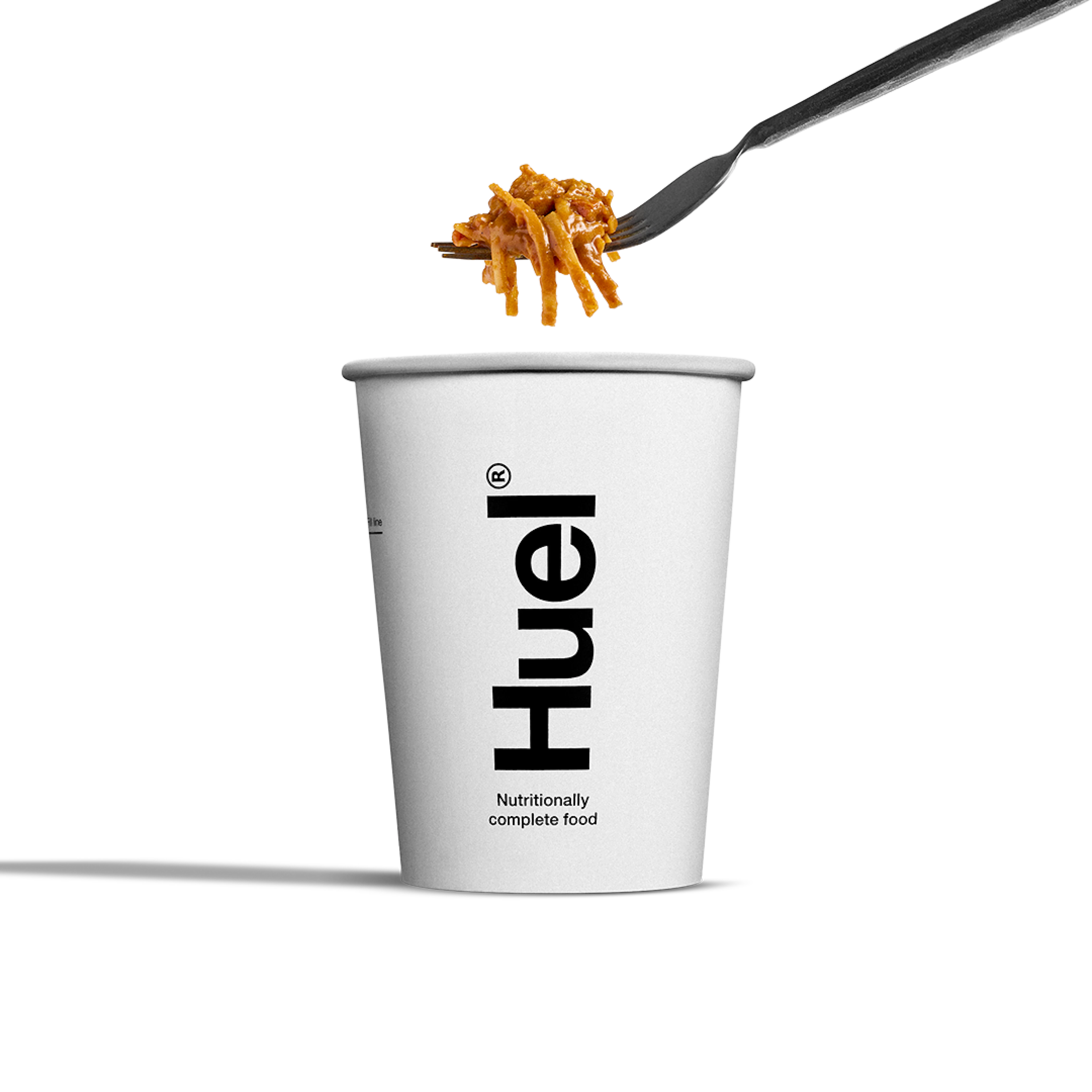

On-the-go instant meals
Up to 25g protein
400 cal per meal
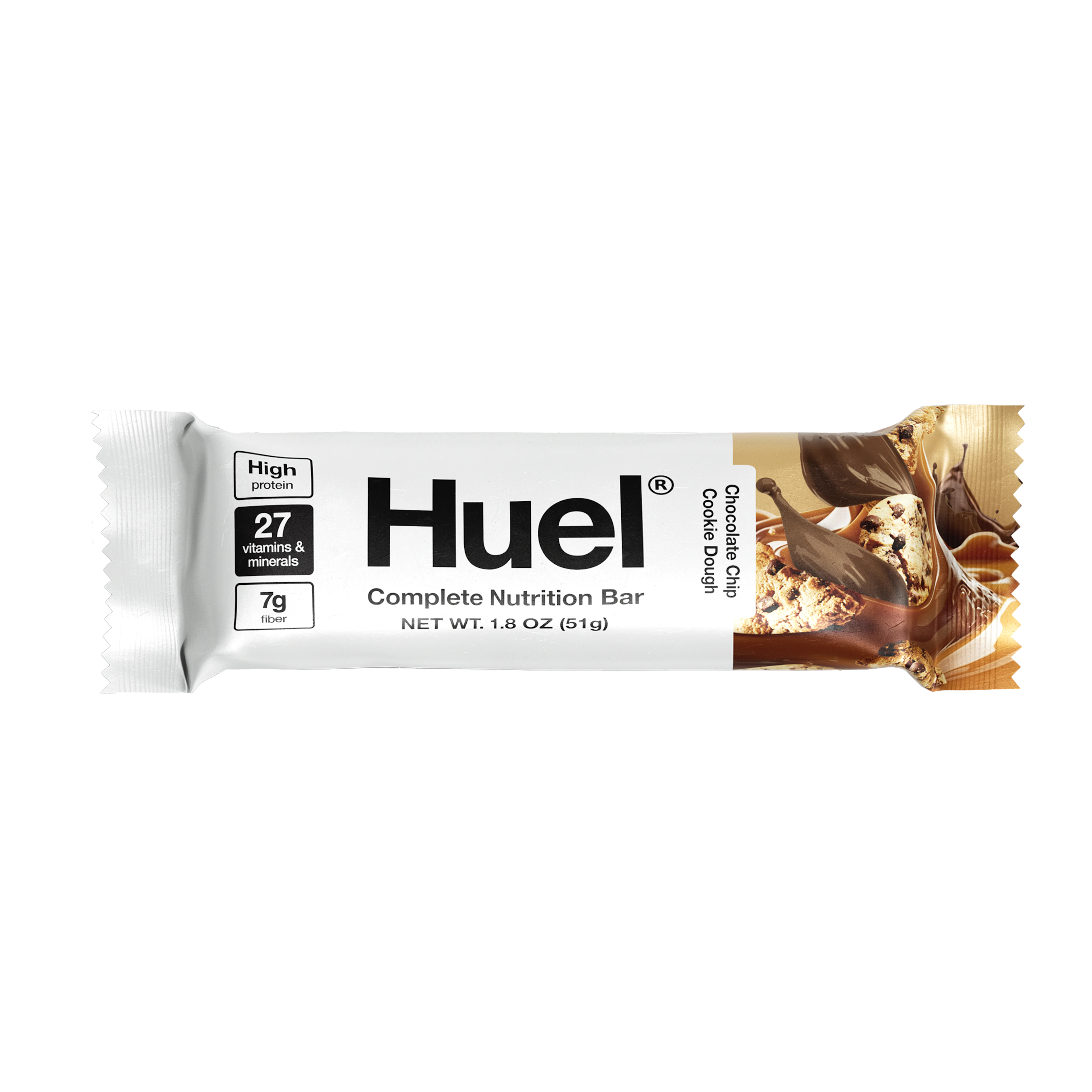
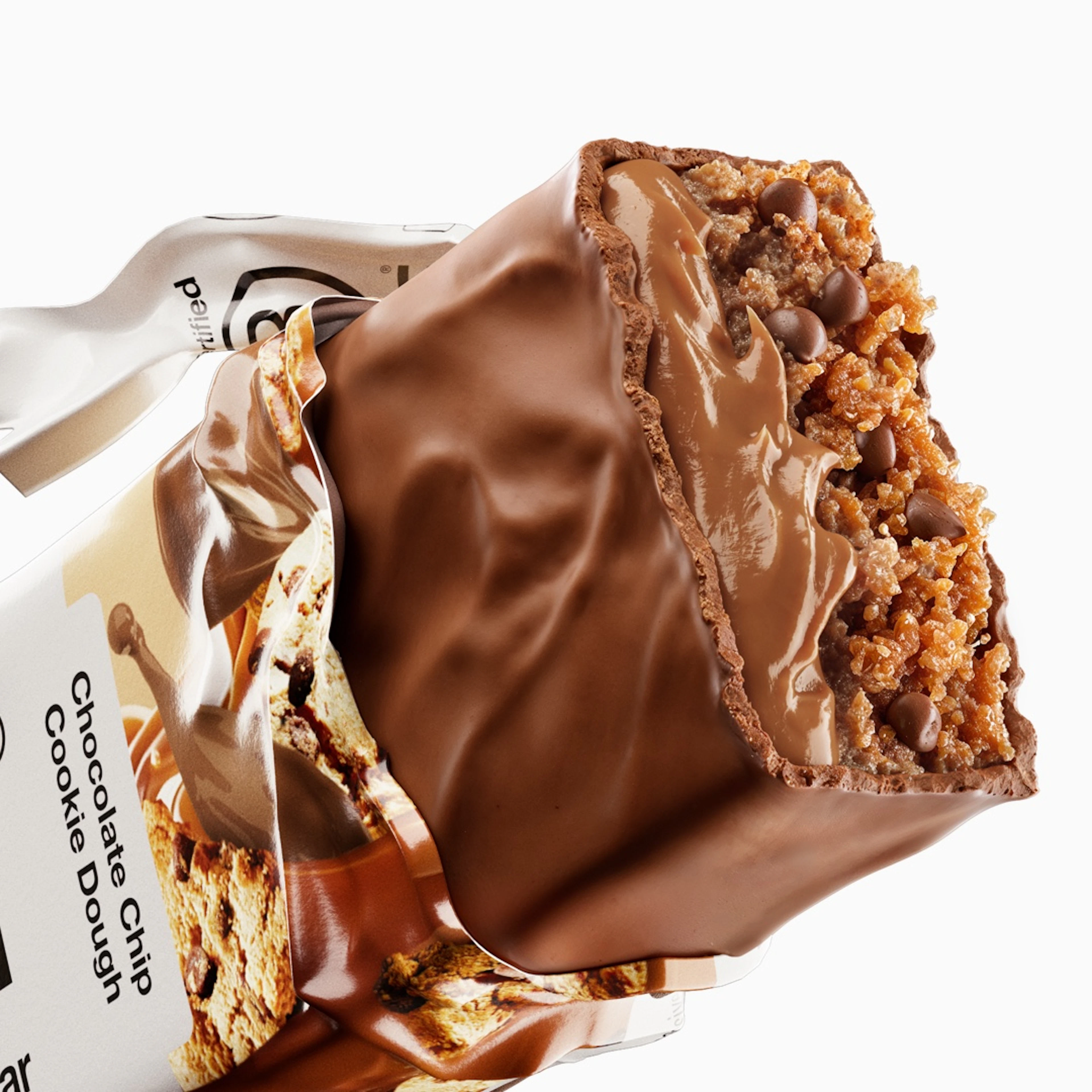
Complete protein bar
Up to 15g protein
Up to 210 cal per bar
✨ New flavors
.png?auto=format&compress=true&w=3840)

Sparkling supergreens drink
42 vitamins, minerals & nutrients
35 cal per can
What are the best gut-friendly breakfasts to start your day?
The best options blend fiber (oats, fruits, veggies), prebiotics (bananas, onions), probiotics (yogurt, kefir), and healthy fats (nuts, seeds). Overnight oats, probiotic smoothies, and avocado toasts with fermented toppings are all great picks.
Why is fiber important in a gut-friendly breakfast?
Fiber feeds beneficial gut bacteria, supports regularity, and can improve cholesterol and blood sugar control. Most people don’t get enough, so breakfast is a crucial opportunity.
Which breakfast foods are good sources of probiotics and prebiotics?
Probiotic sources: yogurt, kefir, sauerkraut, kimchi. Prebiotics: bananas, leeks, asparagus, oats, chia seeds.
How can I make a plant-based breakfast for gut health?
Choose whole plant foods: oats, grains, legumes, nuts, and seeds. Use plant-based yogurts with live cultures for probiotics.
Are overnight oats good for gut health?
Yes. They’re high in fiber and prebiotics and can easily be topped with probiotics like yogurt or kefir.
What should I avoid eating for breakfast for better digestion?
Limit processed cereals, pastries, fried foods, and excessive caffeine. Opt for foods that are whole, high in fiber, and minimally processed.
How do healthy breakfasts affect the gut microbiome?
Consistent intake of fiber and plant diversity feeds beneficial bacteria, supporting a balanced microbiome and reducing inflammation.
What are some quick gut-friendly breakfast ideas?
Grab overnight oats, a smoothie with live yogurt or kefir, or avocado toast on wholegrain bread with seeds and sauerkraut.
Edited by The Digest team








Get 15% off your first order, plus insider access to expert tips, exclusive discounts, and the latest from Huel.