The Benefits of Protein (Beyond Muscle)
Protein does a lot more than build muscle. Discover how it supports your metabolism, hunger, skin, and more — all backed by solid science.
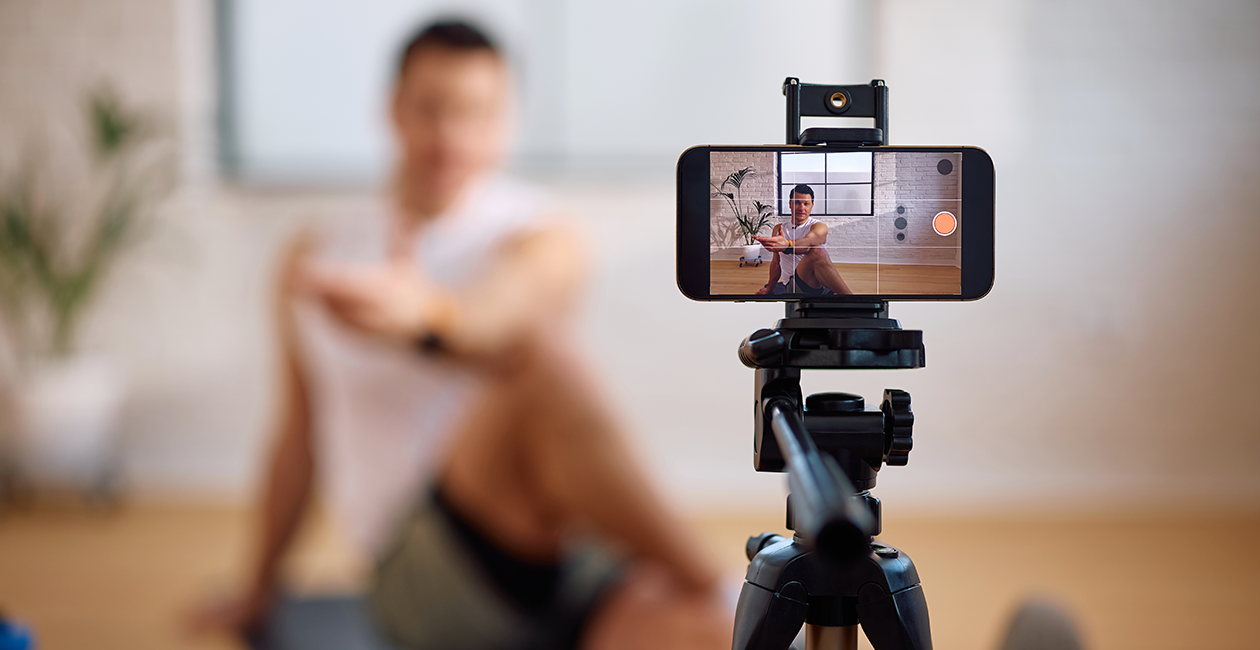
Fitness influencers share workouts, nutrition tips, and product recommendations on Instagram, TikTok, and YouTube. Their content can provide ideas and encouragement, but assessing its credibility takes more than checking follower counts. Here’s how to choose content that supports your goals.
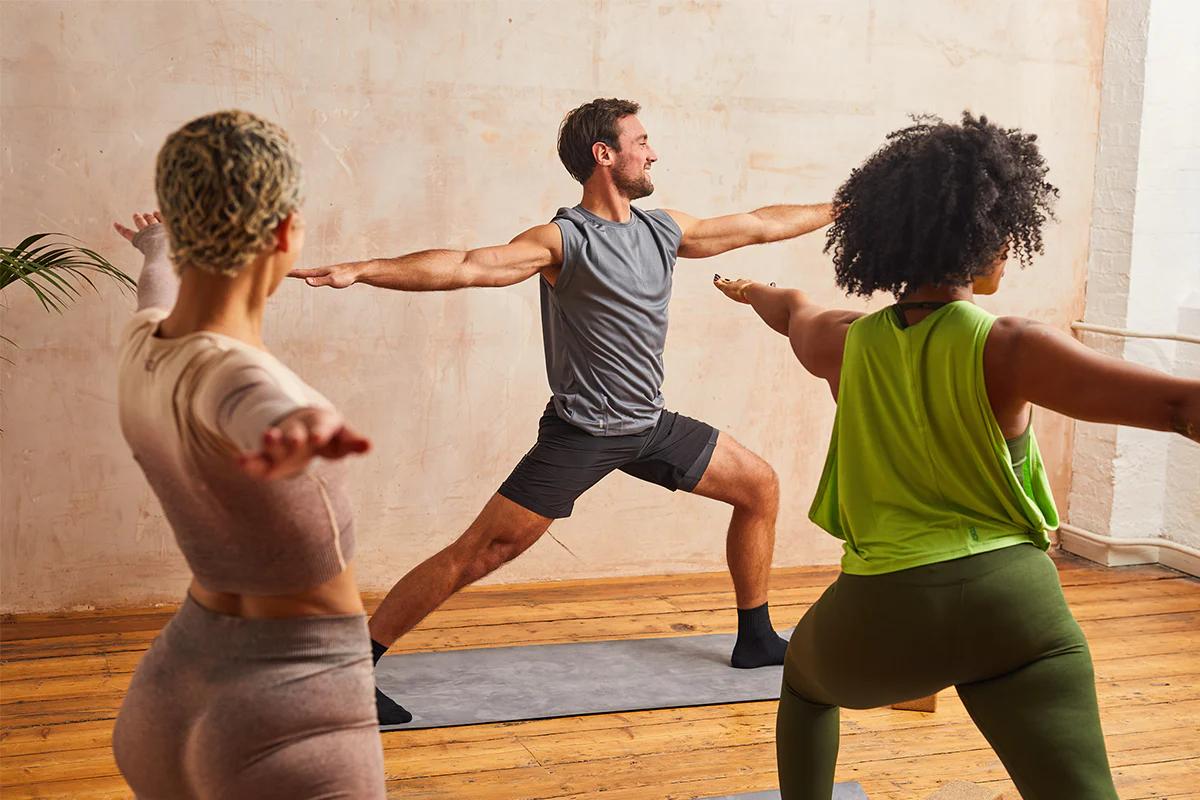
Workout demonstrations and online communities give people places to find ideas, share progress, and exchange encouragement.
In a survey of 180 Australians who accessed fitness-inspiration content, participants reported benefits including motivation and social support, alongside negative experiences. These were self-reported experiences, so the findings don’t establish that following influencers improves fitness or exercise consistency.
A 2022 review of 20 studies linked exposure to fitness-inspiration content with greater body dissatisfaction, appearance comparisons, and negative mood. Most studies involved young women, which limits how broadly the findings apply.
Set goals around your own abilities, needs, and schedule. Allow flexibility for rest, and be cautious of messages that make you feel you must always train harder or never miss a workout.
An online workout may not account for your experience, injuries, or health needs. National Institutes of Health guidance recommends starting slowly and increasing activity gradually to reduce injury risk. Choose appropriate modifications, and seek qualified guidance if you’re unsure how to perform an exercise.
Check whether a creator’s qualifications match their advice. For exercise, look for certifications from organizations such as ACSM, ACE, NASM, or NSCA. For personalized nutrition advice, look for a registered dietitian (RD or RDN).
Check for clear sponsorship disclosures when recommendations involve payment, free products, or commissions. Also look for evidence behind health claims and be cautious of guaranteed transformations.
Choose creators who represent different body types and abilities, discuss setbacks, and promote realistic expectations. Prioritize health, strength, and habits you can maintain. Consider muting accounts that consistently leave you feeling inadequate or pressured to exercise.
If you are considering significant changes to your training, diet, or supplement routine, speak to your doctor or a registered dietitian first. Social media is a great source of motivation, but it should not replace personalized professional advice.
Apply the same checks to creator-recommended fitness apps, AI-generated training plans, and wearable devices.