Staying consistent is one of the most important factors in achieving meaningful goals—whether you’re working on nutrition, fitness, learning a new skill, or simply showing up for yourself more regularly. Many people struggle not because they lack motivation, but because consistency is harder to maintain over time than short bursts of effort.
Research in psychology and behavior change shows that consistency—supported by realistic strategies and self-compassion—plays a larger role in long-term success than motivation alone. The good news: consistency isn’t a personality trait you either have or don’t have. It’s a skill that can be built.
TL;DR
- Consistency supports long-term progress more reliably than short periods of high intensity
- Starting small and focusing on one habit at a time improves follow-through
- Routines, reminders, and social support can help maintain momentum
- Personalizing strategies to your lifestyle, energy levels, and mental health matters
- Lapses are normal—resetting gently helps habits stick
Why Consistency Matters for Achieving Your Goals
Consistency isn’t about willpower alone. It’s central to how habits form and how behavior change becomes sustainable.
How consistency supports long-term results
Research on habit formation suggests that repeated behaviors, performed in a stable context, gradually become more automatic. A frequently cited study in the European Journal of Social Psychology found that habit formation took an average of about 66 days, though the actual range varied widely depending on the behavior and the individual (Lally et al., 2009).
Key takeaways from behavioral research:
- Repetition matters more than intensity: Regular, manageable actions are more likely to stick than sporadic bursts of effort
- Identity and self-trust grow over time: Keeping small commitments builds confidence and reinforces a sense of capability
- Motivation fluctuates: Systems and routines help carry habits forward when motivation dips
Consistency works not because it’s dramatic, but because it’s reliable.
Common Barriers to Staying Consistent
Even with strong intentions, maintaining habits can be challenging. Common obstacles include:
- Competing demands: Work, family, and digital distractions reduce available time and focus
- Motivation decline: Initial enthusiasm often fades once novelty wears off
- Overwhelm and perfectionism: Trying to change too much at once can lead to burnout or all-or-nothing thinking
- Mental health and neurodiversity: ADHD, anxiety, depression, and chronic stress can make routines harder to maintain
- Lack of structure: Vague goals without cues or reminders are easier to forget
Recognizing these barriers helps you design strategies that work with your reality, not against it.
How to Stay Consistent: Practical, Evidence-Informed Strategies
Start small and focus on one habit
Trying to overhaul multiple areas of life at once often backfires. Instead:
- Choose one specific, clearly defined behavior
- Make it small enough that it feels manageable, even on low-energy days
- Track completion to increase awareness and reinforce progress
Small wins build momentum and lower the mental barrier to showing up consistently.
Plan your actions and create routines
Clear plans help translate intention into action:
- Schedule habits: Attach them to a consistent time or existing routine
- Use reminders or trackers: Visual cues and logs increase follow-through
- Anchor habits to what you already do: For example, stretching after brushing your teeth or prepping breakfast the night before
Structure reduces reliance on motivation alone.
Use accountability and support thoughtfully
Social support can help, but it works best when it feels encouraging rather than pressuring:
- Share goals with a trusted friend or group
- Schedule occasional check-ins rather than constant monitoring
- Celebrate effort and consistency, not just outcomes
While accountability can improve follow-through, its impact varies by individual and context. Choose forms of support that feel sustainable for you.
Embrace flexibility and plan for setbacks
Consistency doesn’t mean perfection:
- Missing a day doesn’t erase progress
- Viewing lapses as information—not failure—supports long-term success
- Adjust expectations during stressful or busy periods
Habits are more resilient when they’re flexible.
Staying Consistent When Life Gets Busy
Prioritize what matters most
When time and energy are limited:
- Focus on the habits with the biggest positive impact
- Define a “minimum version” of your habit (e.g., a 5-minute walk instead of a full workout)
- Maintain the identity of “someone who shows up,” even in small ways
Consistency is about continuity, not volume.
Make your environment work for you
Environmental cues strongly influence behavior:
- Place reminders where you’ll see them
- Reduce friction by preparing in advance
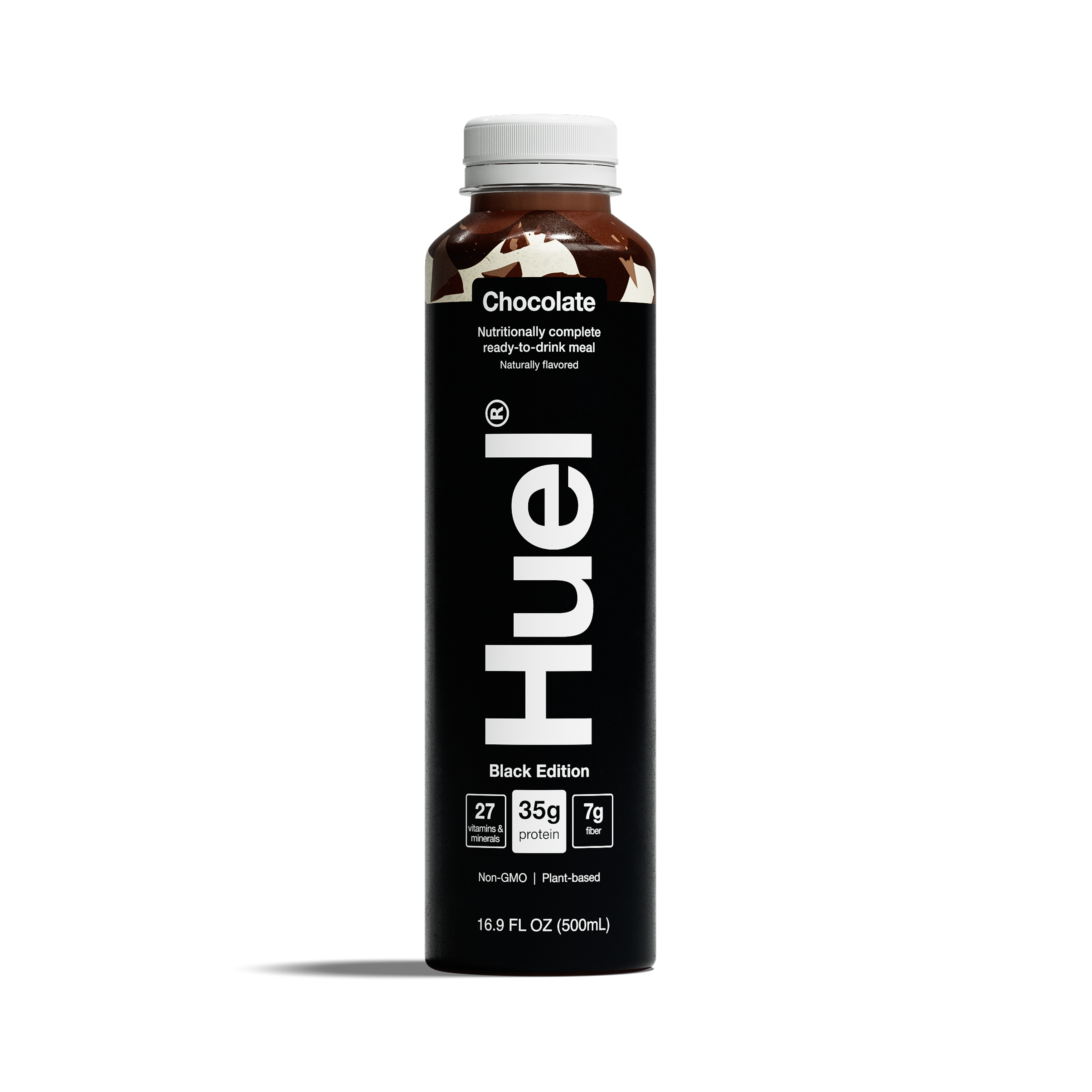
- Keep backups for busy days (e.g., a ready-to-eat meal option)
Designing your environment can be more effective than relying on self-control alone.
Personalizing Consistency for Different Needs
Understand your rhythms
People vary in how and when they function best:
- Some thrive with structure; others need flexibility and novelty
- Energy levels fluctuate across days and weeks
- Aligning habits with your natural rhythms improves adherence
There’s no single “right” way to be consistent.
Supporting mental health and neurodiversity
For those managing ADHD, burnout, or mental health challenges:
- Externalize structure with reminders and visual cues
- Break habits into very small steps
- Seek professional support when needed
- Practice self-compassion during difficult periods
Progress may look slower at times—but it’s still progress.
What to Do If You Lose Consistency
Resetting after a break
Lapses are part of behavior change:
- Normalize interruptions rather than catastrophizing them
- Reflect on what made the habit difficult
- Restart at a smaller, more manageable level if needed
Returning gently is often more effective than trying to “make up” lost time.
Reinforcing progress
Positive reinforcement helps habits stick:
- Track effort, not just results
- Acknowledge consistency even when execution isn’t perfect
- Reflect regularly on what’s working and what needs adjustment
Progress is rarely linear.
Expert Summary: Building Habits That Last
Consistency isn’t about discipline or perfection—it’s about persistence, flexibility, and self-awareness.
A practical roadmap
- Focus on one habit at a time
- Make it small and repeatable
- Build structure into your environment
- Expect setbacks and plan for them
- Personalize strategies to your needs
- Celebrate effort, not just outcomes
For deeper dives, evidence-based resources like Atomic Habits (James Clear) and Good Habits, Bad Habits (Wendy Wood) explore the science of habit formation in more detail.
Key Takeaways
- Consistency supports sustainable progress more reliably than intensity
- Small, repeatable actions are easier to maintain
- Personalization matters—no one-size-fits-all approach works
- Setbacks are normal and recoverable
- With supportive systems and self-compassion, lasting habits are achievable
Discover Huel products
Find your favorite Huel products