

.png?auto=format&compress&w=3500)
.png?auto=format&compress&w=3500)


🔥 Bestseller
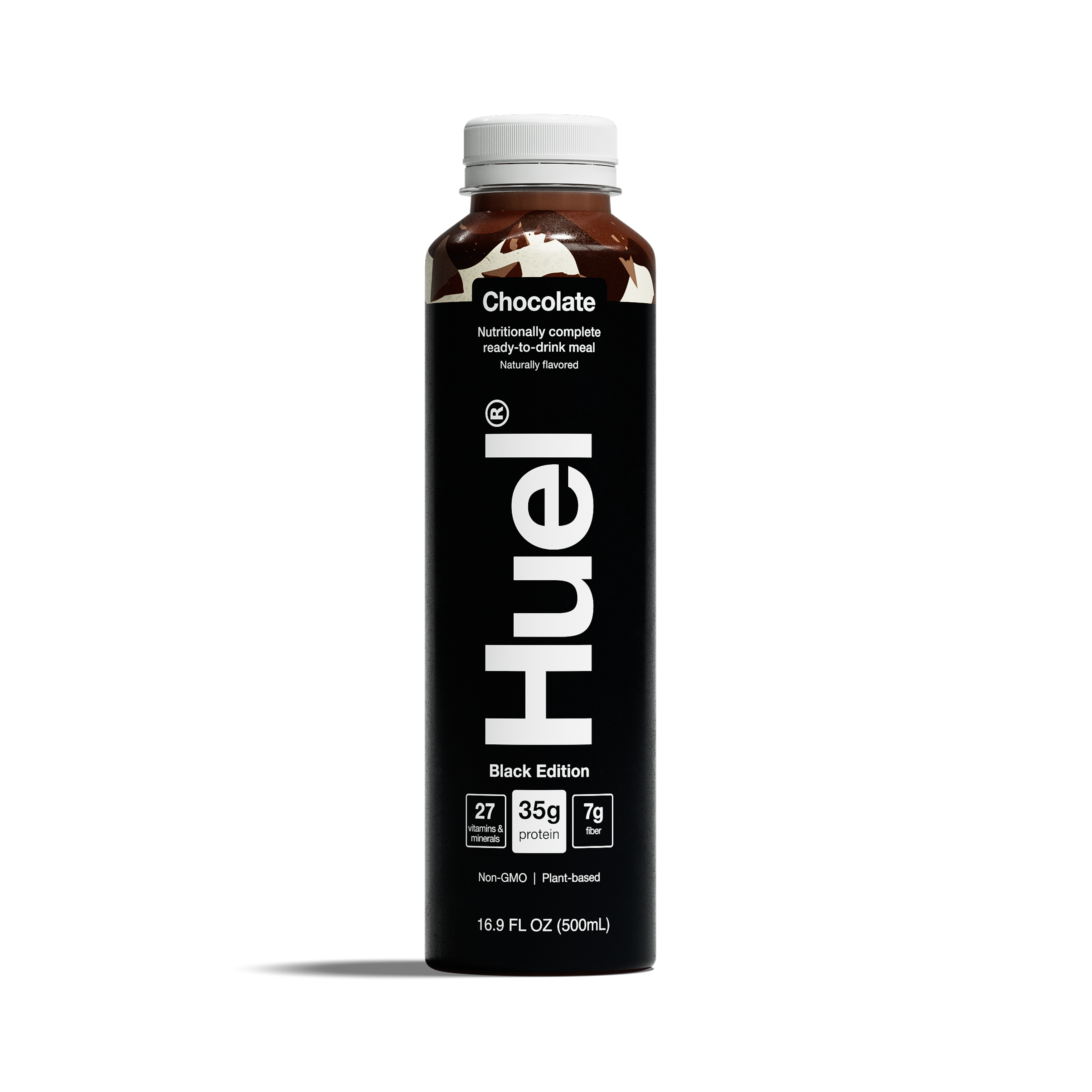

Black Edition Ready-to-drink
High-protein meal shakes
35g protein
400 cal per bottle
From $58
/ $4.83 per bottle
2
There’s no shortage of advice about losing weight and reducing body fat, and it can quickly become overwhelming. While there’s no quick fix, the underlying principles are straightforward. This guide outlines the basics to help you get started in a sustainable, realistic way.
When people talk about “losing weight,” they often mean reducing body fat. Short‑term changes, such as water loss, can affect the number on the scale but aren’t a reliable indicator of long‑term progress.
For many people, a more useful focus is reducing body fat while maintaining muscle mass, alongside supporting overall health and wellbeing.
At a basic level, fat loss occurs when you consume less energy (calories) than your body uses. This is commonly referred to as a calorie deficit.
General guidance often includes estimates such as:
A daily deficit of around 500 kcal may lead to gradual weight loss over time.
Larger deficits may result in faster changes, but are harder to maintain and may not be appropriate for everyone.
These figures are general estimates, and individual responses vary depending on factors such as age, activity level, body composition, and metabolism.
Keeping track of calorie intake can feel complicated, but many people find it easier using tools such as food labels, calorie‑tracking apps, or online calculators that estimate daily energy needs.
Knowing roughly how many calories you consume can help you make informed decisions about portion sizes and food choices.
The basic rough rule of thumb is:
Consume your TDEE to maintain your weight
Eat 500kcal over your TDEE to gain weight
Consume 500kcal below your TDEE to lose weight
Some people prefer foods with clearly labelled, pre‑measured calories, as this can make meal planning simpler and more consistent.
A balanced diet supports overall health and can make it easier to maintain consistent eating habits. Most dietary guidance encourages including:
Protein – contributes to the maintenance of muscle mass.
Fats – including unsaturated fats, which play a role in normal bodily functions.
Carbohydrates – a key source of energy.
Vitamins and minerals – essential for normal physiological processes.
Meals that combine these nutrients can help support nutritional adequacy as part of a varied diet.
Protein is one of the three main macronutrients and plays a structural and functional role throughout the body, including in muscle tissue.
Some research suggests that higher‑protein meals may help increase feelings of fullness compared with meals lower in protein. This may help some individuals manage appetite as part of a balanced diet.
It’s important to remember that protein still contributes calories, and overall intake should be considered within total daily energy needs.
Staying hydrated is important for general health. Fluids can include:
Water
Tea and coffee (without added sugar)
Other low‑ or no‑sugar drinks
Sugar‑sweetened drinks and alcohol can contribute significant calories with limited nutritional value, so many people choose to consume them in moderation.
Skipping meals can make it harder for some people to regulate their appetite and may lead to overeating later in the day. It can also cause under-eating, which isn’t recommended. Many people often find that regular meal patterns help them maintain consistency.
There’s no single approach that works for everyone, but establishing regular eating habits can support long‑term adherence.
Some foods and drinks are easier to overconsume due to their energy density or low satiety.
You know which we’re going to say:
Foods and drinks high in added sugars
Alcoholic drinks
Enjoying these occasionally is fine for most people, but being mindful of portions and frequency can help with overall calorie awareness.
Yes! But not alone. Exercise has tons of health benefits—and you really should be doing it on the regular—but from a weight-management POV, moderate aerobic exercise such as walking for 30 minutes a day, five days a week won’t typically lead to significant weight loss by itself.
It’s only when the level of exercise is seriously ramped up that exercise by itself can have a significant impact, with the American College of Sports Medicine recommending up to 60 minutes of exercise a day if relying on exercise alone for weight loss.
For best results, we recommend:
Combine cardio (e.g., walking, running) and resistance training (e.g., weightlifting) to build muscle and increase calorie burn.
Focus on consistency—exercising 5 days a week for 30–60 minutes can make a difference over time.
Ultimately, weight management regimes that consist of multiple forms of exercise, alongside calorie restriction, a healthy diet, and habits that can actually be stuck to, are the most likely to lead to results.
Create a calorie deficit in a way that is manageable and sustainable
Eat a balanced diet that provides essential nutrients
Stick to sustainable habits: The best diet is the one you can stick to long-term.
Include physical activity as part of a healthy lifestyle
Exercise smartly: Incorporate a mix of cardio and strength training.
Be patient — gradual progress is more likely to last. What matters most is you’re building healthy habits and getting into a routine that helps make things a little easier.
Weight change is rarely linear, and progress can vary from person to person. Focusing on long‑term habits rather than short‑term results is often the most effective approach.
There’s no single “perfect” plan. The most effective approach is one that fits your lifestyle, supports your health, and can be maintained over time.
If you’d like more general guidance, you might find the following helpful:
Good luck! Building consistent habits takes time, but small, steady steps can make a real difference.
Discover Huel products
Find your favorite Huel products
Get 15% off your first order, plus insider access to expert tips, exclusive discounts, and the latest from Huel.
This site is protected by reCAPTCHA and the Google Privacy Policy and Terms of Service apply. You can unsubscribe at any time. Huel Privacy Policy.