

.png?auto=format&compress&w=3500)
.png?auto=format&compress&w=3500)

🔥 Bestseller
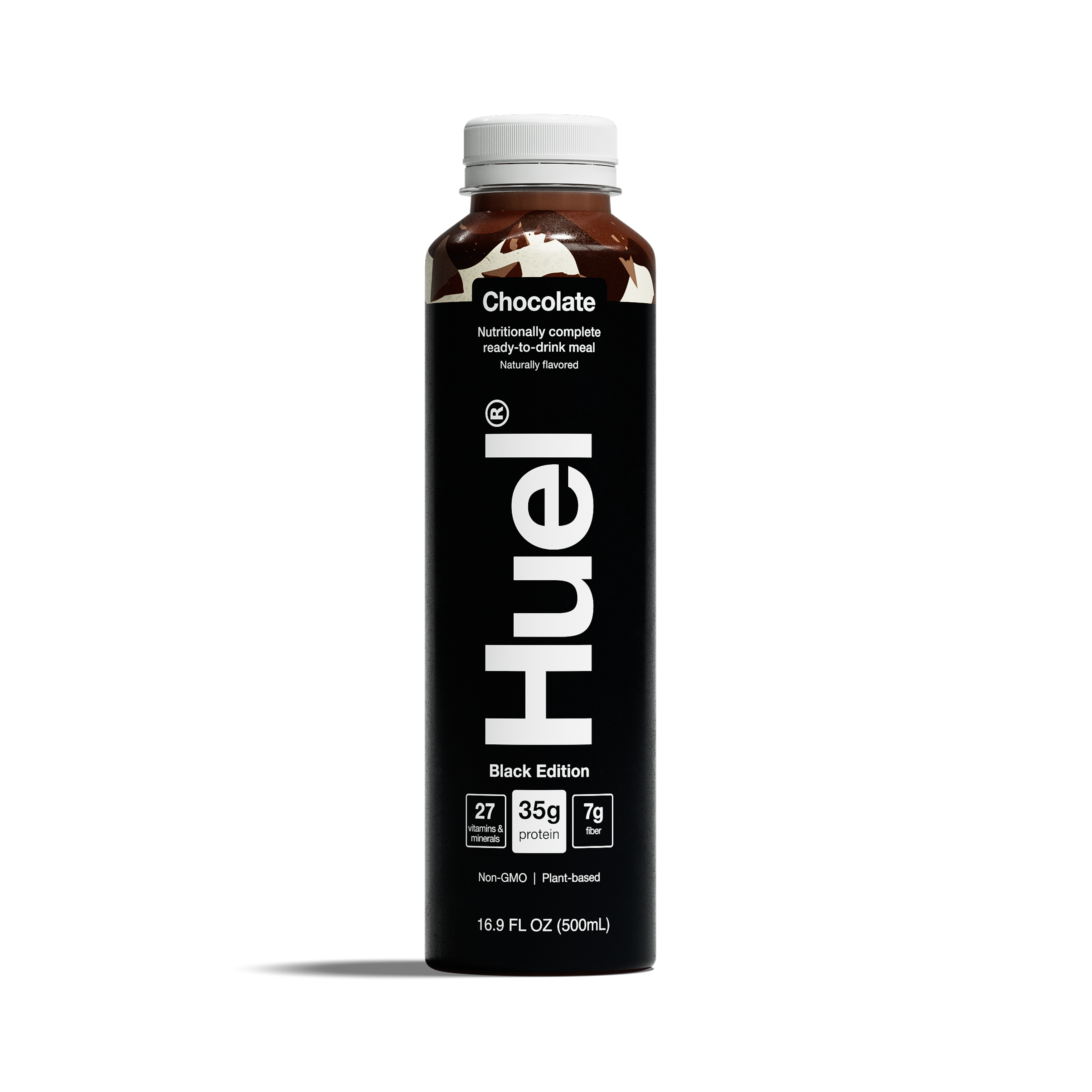

Black Edition Ready-to-drink
High-protein meal shakes
35g protein
400 cal per bottle
From $58
/ $4.83 per bottle
0
2
Greg built his career on movement, until his body stopped responding the way it used to. This is how he regained control through his diet, and redefined what being healthy really means.
Three days after a show in Derby, I couldn’t get out of bed.
That sentence still doesn’t quite make sense to me — mostly because of what came before it. I’d been performing as normal, running up and down a staircase stage, juggling, moving constantly. Physicality has always been central to my work. I trained in physical theatre early in my career and have been a professional entertainer — mainly as a magician — for close to two decades.
And then, almost overnight, my body stopped cooperating.
The show was at the old silk mill in Derby, which had been turned into a museum. The audience tables were laid out below a huge flight of stairs that doubled as the stage. I spent the entire evening running up and down those steps, juggling as I went. I felt completely fine.
Within three days, I couldn’t stand. I couldn’t get out of bed. My back had gone entirely. At the same time, my hands stopped working properly too, stuck in position. We think that was carpal tunnel — whether it was related or not, we’ll probably never know.
What I do know is that 2022 became a year I barely worked at all.
I don’t have a desk job. I tour.
My wife, Felicity, and I spend more than half the year on the road, five days a week. She helps produce the shows and runs the front-of-house side of things. Together, we also make documentaries. It’s a life built around travel, late nights, lifting equipment, and being able to move without thinking about it.
When I couldn’t move, everything stopped.
There were months when I was in a wheelchair. After that, I spent two years walking with a stick. During that time, I put on quite a bit of weight — some of which I’m still carrying. Now that I’ve only recently stopped using the stick, I’m finally building back towards what my body used to be able to do.
That’s changed how I think about health. Not as an abstract goal, but as something practical: being able to work, to move, to get through a day without fear.
Touring looks glamorous from the outside. The reality is a lot of manual labour.
A typical show day starts around 5pm. I have two hours to unload equipment, get it inside, build the backdrop, set everything up, and lay out the chairs. Sometimes that’s forty chairs. On bigger tours, it can be two hundred — and the time doesn’t change.
After that, the doors open. And then I’m on stage for ninety minutes, unbroken. It’s just me. Even if I were to sit down and talk for that time, the physical effort of getting the show ready is unavoidable.
For a long stretch, I simply couldn’t do it. If I couldn’t set up the venue, I couldn’t perform.
That’s when “being healthy” stopped feeling optional.
One of the stranger moments in all of this came during the medical assessments. A spinal triage specialist told me my back was structurally pristine. “A man your age shouldn’t have a back this good,” he said.
It was surreal to hear that after months of barely being able to move.
I’ve spent years on unicycles, balance boards, juggling knives — things that require a huge amount of coordination and control. At one point during recovery, a clinician asked me to stand on one leg. I did — and promptly fell over.
That gap between what I used to be able to do and what I could do then was hard to accept. It meant reframing recovery entirely. I wasn’t starting from “normal.” I was starting from loss.
There are things I won’t do again now. Escaping from a straightjacket put too much strain on my back, and even if it wasn’t the cause, it isn’t worth the risk. Oddly, that forced change also gave me permission to let go of things I’d been doing for years simply because they were expected of me.
As we slowly returned to touring, another issue became obvious: food.
Finishing a show at 10pm doesn’t leave you with many healthy options. You eat what’s open. Supermarket bits in hotel rooms. Fast food between drives. Over time, without meaning to, we’d drifted into habits that didn’t support recovery or long-term health.
Felicity and I are both vegetarian, which already narrows the field. I’m also lactose intolerant, so I’m almost vegan. On top of that, we were growing our hair for the Little Princess Trust and wanted to make sure we were getting the nutrients we needed.
At one point, Felicity said, “Someone ought to make something like a pot noodle — but healthy.”
So we went looking.
We didn’t stumble across Huel accidentally. We sought it out.
What mattered most wasn’t perfection, but practicality. We needed something that worked on the road, that didn’t require a kitchen, and that fit with how we eat. When we found it, it became a way to stop defaulting to whatever was easiest in the moment.
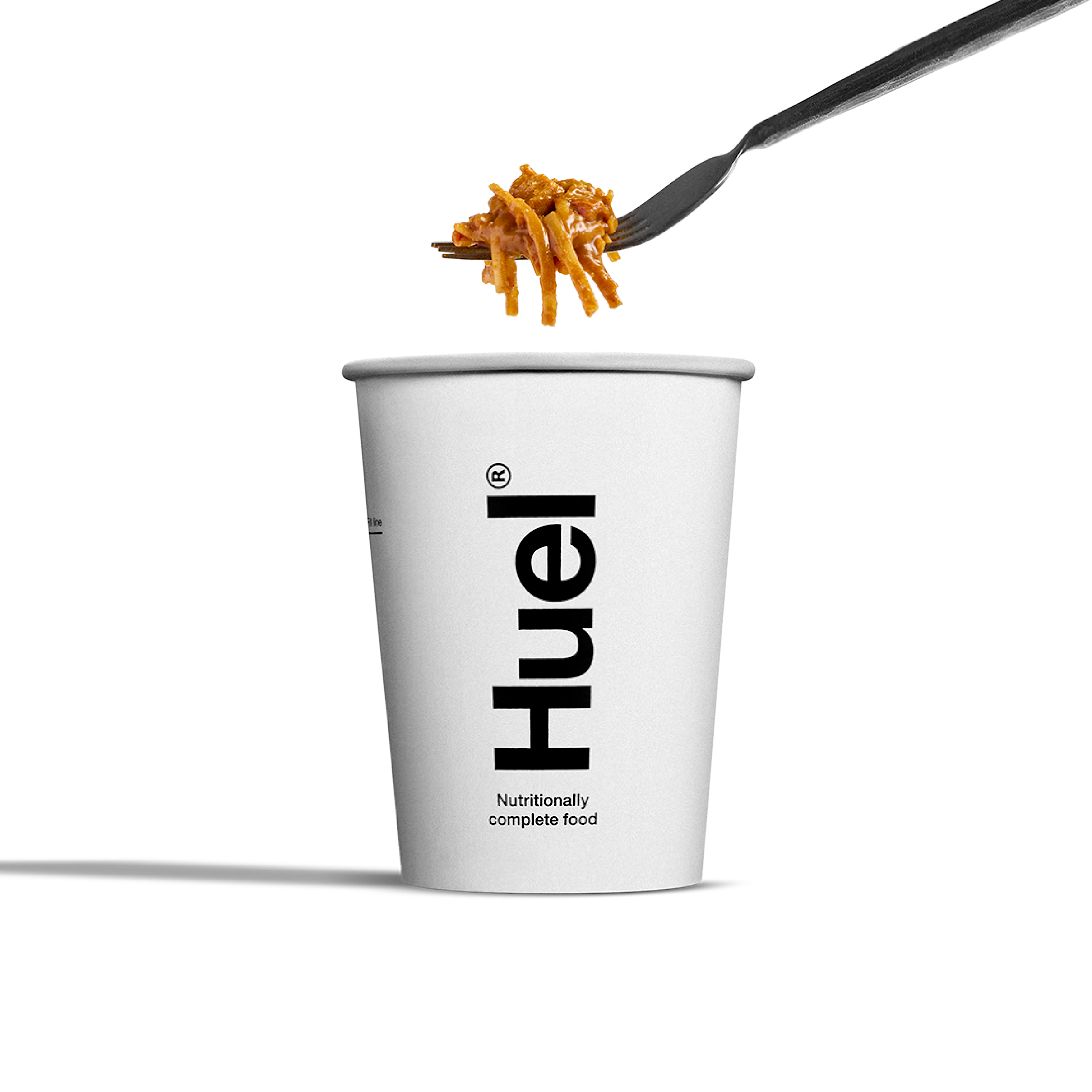
Over time, it worked its way into our routine. The pots made things simpler — no mess, no wind blowing powder everywhere on the side of a road. We travel with a flask now, knowing we can eat properly wherever we are.
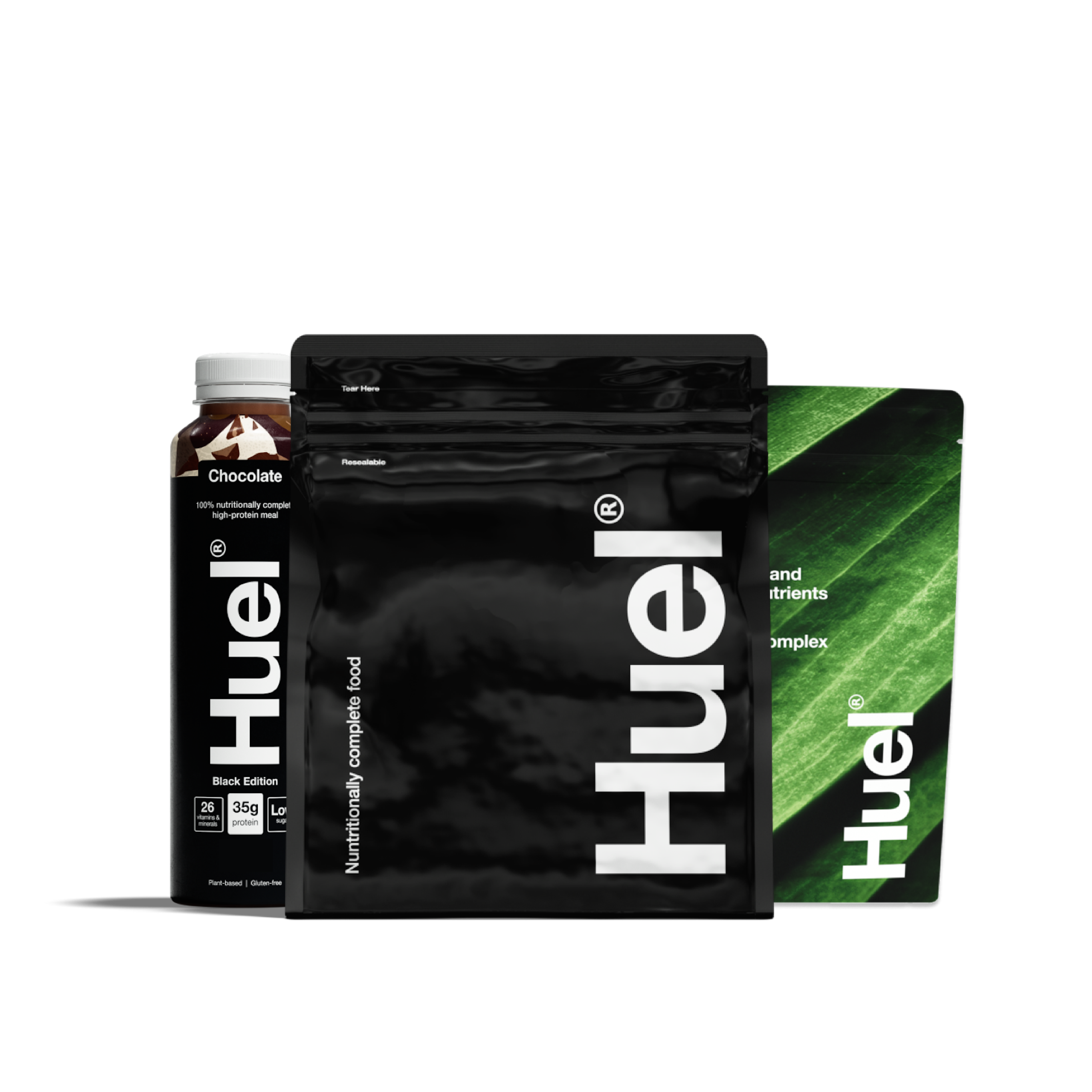
On particularly tight days, I’ll use the ready-to-drink shakes while prepping for a show, so I’ve got something in me before stepping on stage. I also keep the ready-to-drink vitamin drink with me during performances. I have two cups on stage, and one always has that in it. It’s replaced the fast energy drinks I used to rely on.
It’s not about optimisation. It’s about having something reliable.
My favourite meal is the carbonara — something I didn’t expect to say, given I spent years touring Italy and became vegetarian in 2017. If my Italian friends hear me calling it carbonara, they may have words. But for me, it captures something important: the texture is right, the flavour works, and it doesn’t feel like a poor substitute for something I’ve lost.
That’s how I think about health now.
Not as a return to exactly who I was before, and not as chasing extremes, but as finding versions of things that fit the life I actually have. After losing my mobility, rebuilding it took years. Along the way, I learned that the small, unglamorous decisions matter most.
Eating better on the road was one of them.
Not because it fixed everything — but because it made continuing possible.
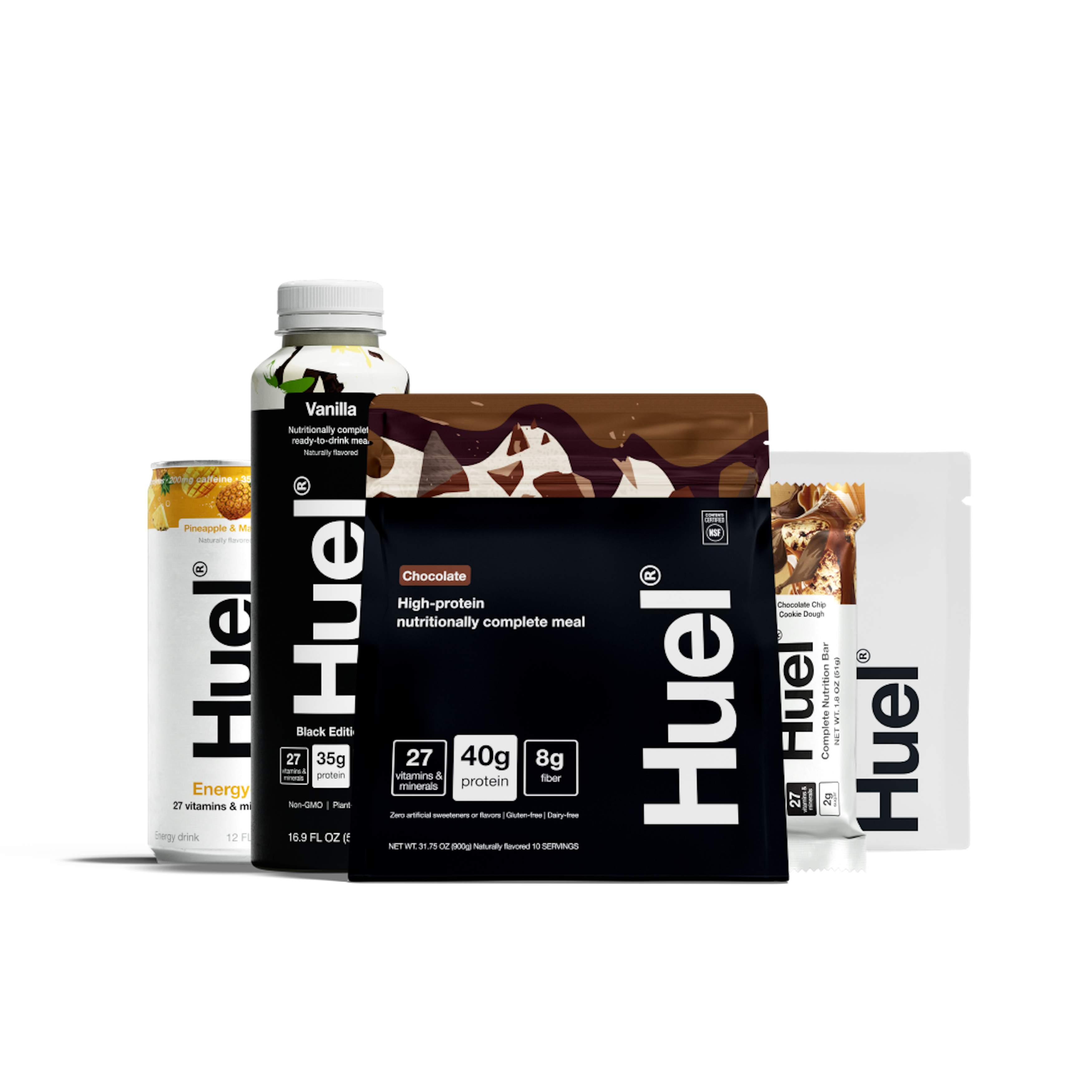
Discover Huel products
Find your favorite Huel products
Get 15% off your first order of $50, plus insider access to expert tips, exclusive discounts, and the latest from Huel.
This site is protected by reCAPTCHA and the Google Privacy Policy and Terms of Service apply. You can unsubscribe at any time. Huel Privacy Policy.