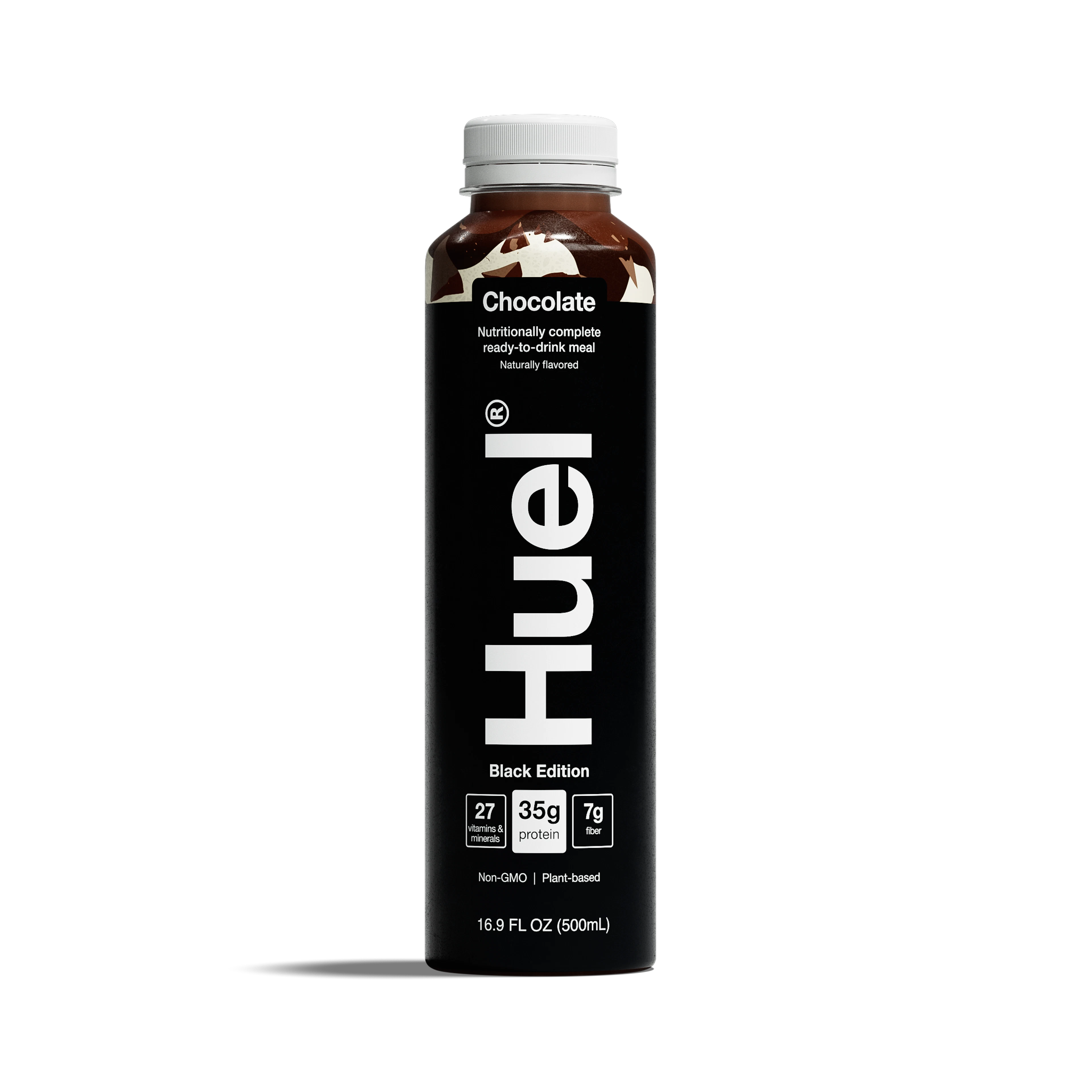
Black Edition Ready-to-drink
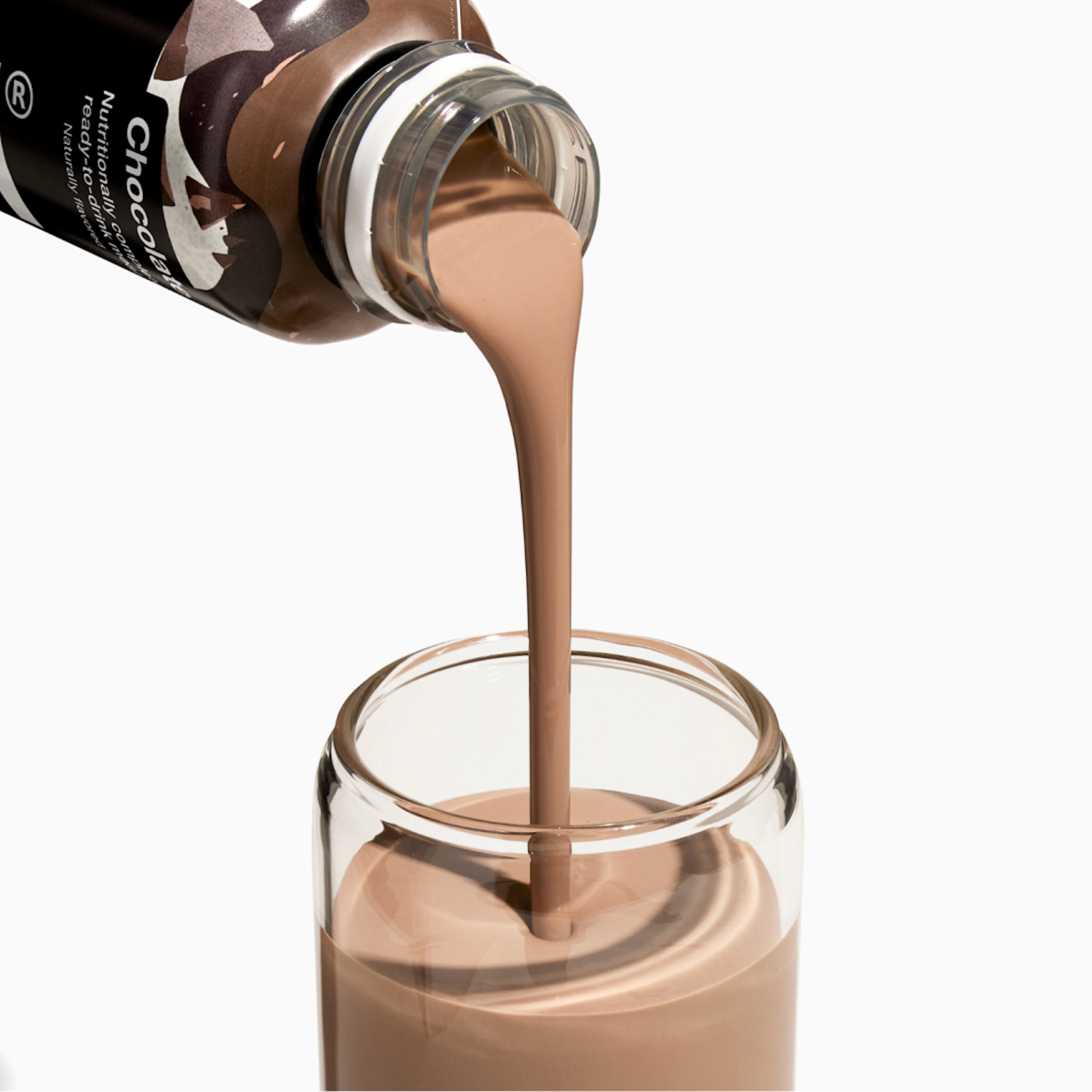
High-protein meal shakes
35g protein
400 cal per bottle

Why the smallest things you do—daily, imperfectly, and often without noticing—matter more than grand overhauls.
Crafting a healthier, more productive, and genuinely happier life rarely comes down to a single dramatic decision. It’s not the 5 a.m. wake-ups or the total life resets that stick. More often, it’s the quiet, almost boring habits—the extra glass of water, the short walk, the single sentence written—that end up reshaping everything.
This is the real small habits impact: tiny, repeatable actions that compound over time. When practiced consistently, small habits fuel better mental and physical health, sharpen focus, and support sustainable well-being without requiring perfection or willpower heroics.
You don’t need to change your whole life. You just need to change what you do next.
At first, drinking an extra glass of water or taking a 10-minute walk can feel inconsequential—almost too small to count. But when repeated daily, these actions stack. Over time, they create what behavioural scientists call the compound effect: small behaviours building on each other until the results are impossible to ignore.
Think of it like interest in a savings account. You don’t notice the growth day to day, but over months, the difference is real. A 1% improvement repeated consistently doesn’t just add up—it multiplies.
This works because of the habit loop: cue → routine → reward. Seeing your water bottle (cue) prompts a sip (routine), which leaves you feeling refreshed (reward). Repeat the loop often enough and the behaviour becomes automatic—no motivation required.
Research into habit formation shows that behaviour change isn’t about discipline; it’s about design.
On average, it takes about 66 days to form a habit, according to a large European study, though complexity and context matter. Tracking progress and using reminders dramatically improves follow-through.
Big transformations often start with changes so small they feel almost laughable. That’s exactly why they work.

The most effective habits are personal. Instead of asking, “What should I be doing?” try asking, “Who do I want to become?” Then choose the smallest action that supports that identity.
A reader reads one page.
A calm person takes one deep breath.
A healthy eater drinks one glass of water.
If it feels almost too easy, you’re doing it right.
Consistency comes from integration, not intensity.
Miss a day? Restart without guilt. The rule is simple: never miss twice.
Habit change rarely shows up overnight. But over weeks and months, the impact becomes clear.
Research shows that simple daily habits—hydration, short walks, gratitude practices—often deliver noticeable benefits within 4–8 weeks, with effects compounding over time.
The result isn’t just better health metrics; it’s increased confidence. People who succeed with small habits are far more likely to tackle larger goals later.
Instead of doing everything, pick one:
Attach it to an existing routine. Track it for a week. Then reassess.
That’s how change actually happens.
High-protein meal shakes
35g protein
400 cal per bottle
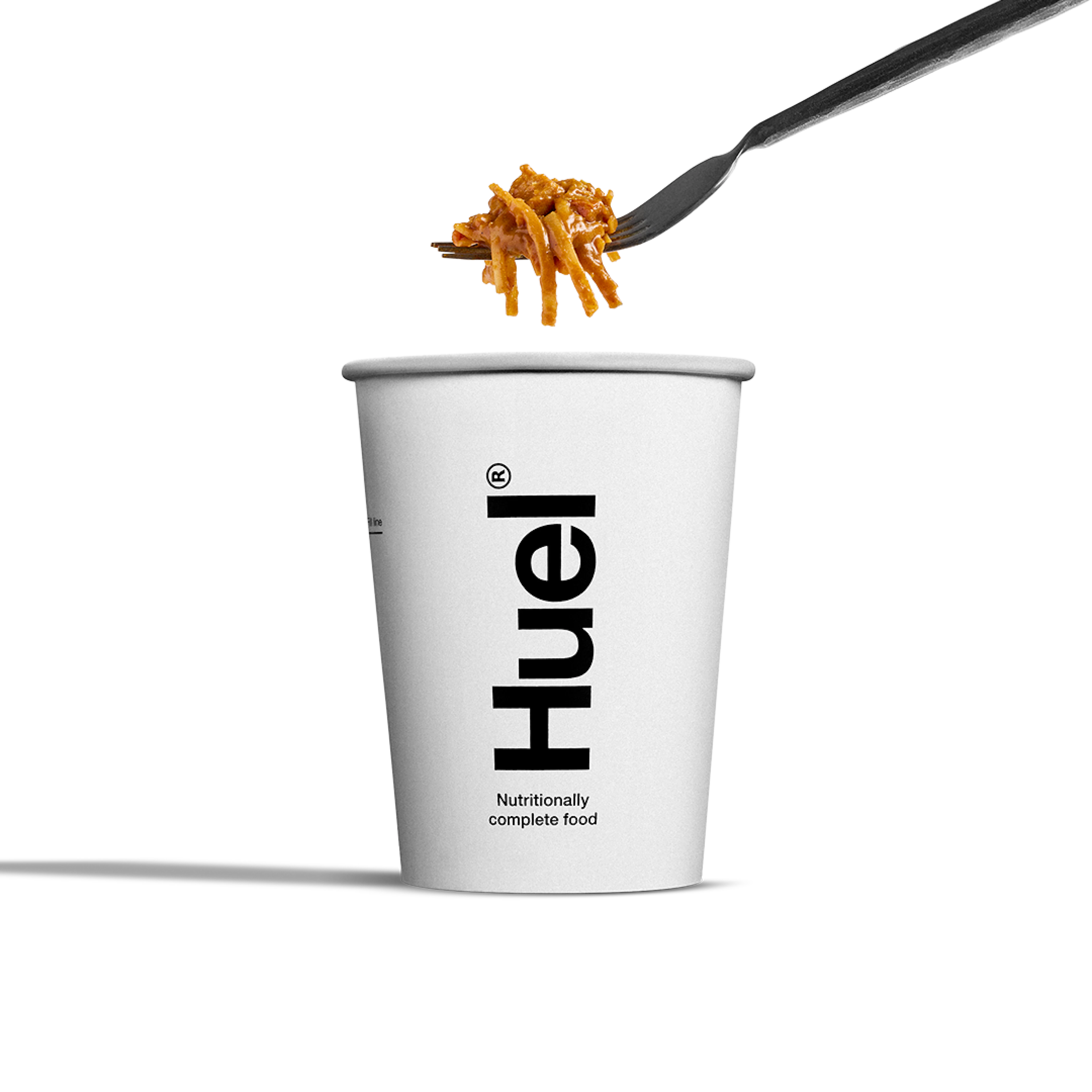
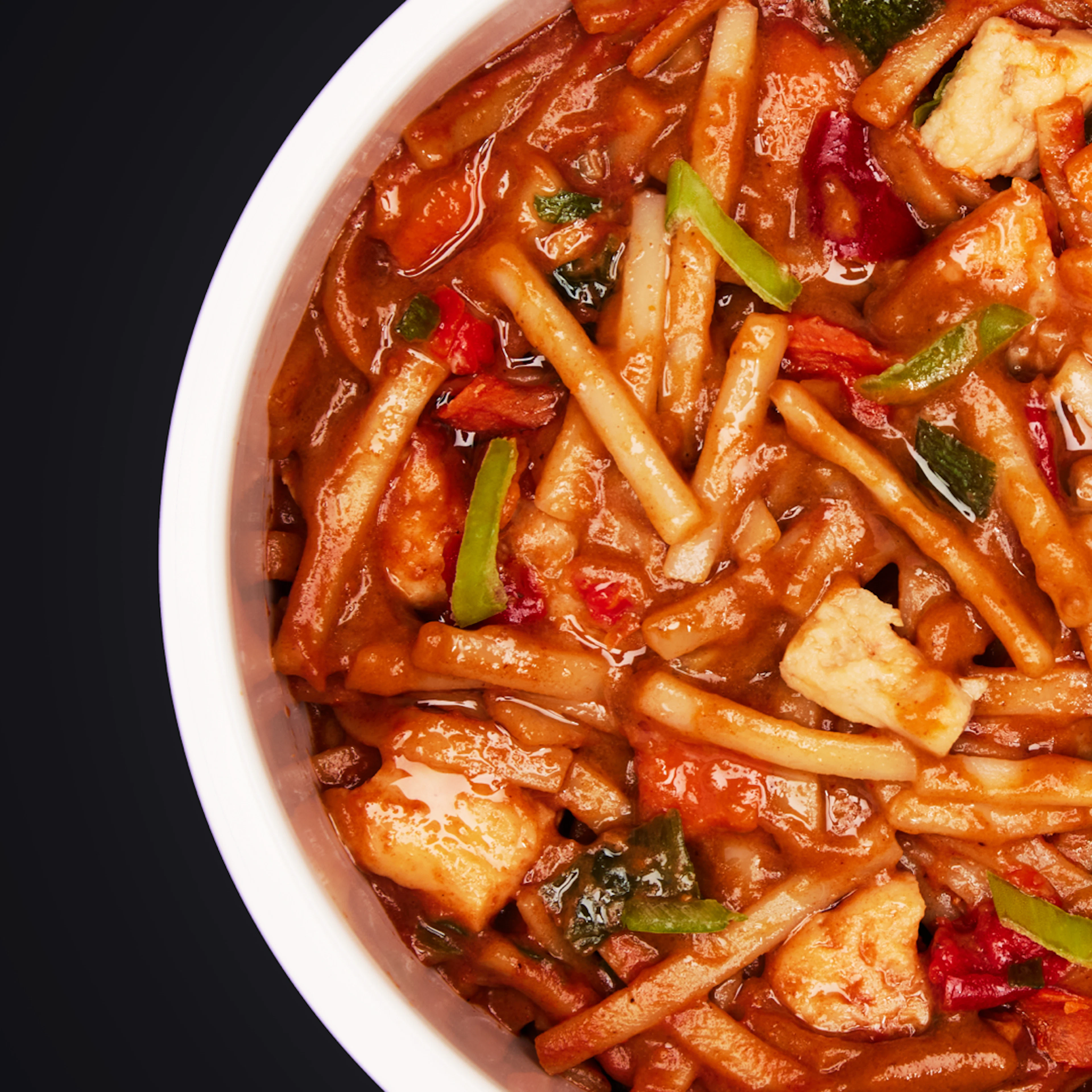
On-the-go instant meals
Up to 25g protein
400 cal per meal
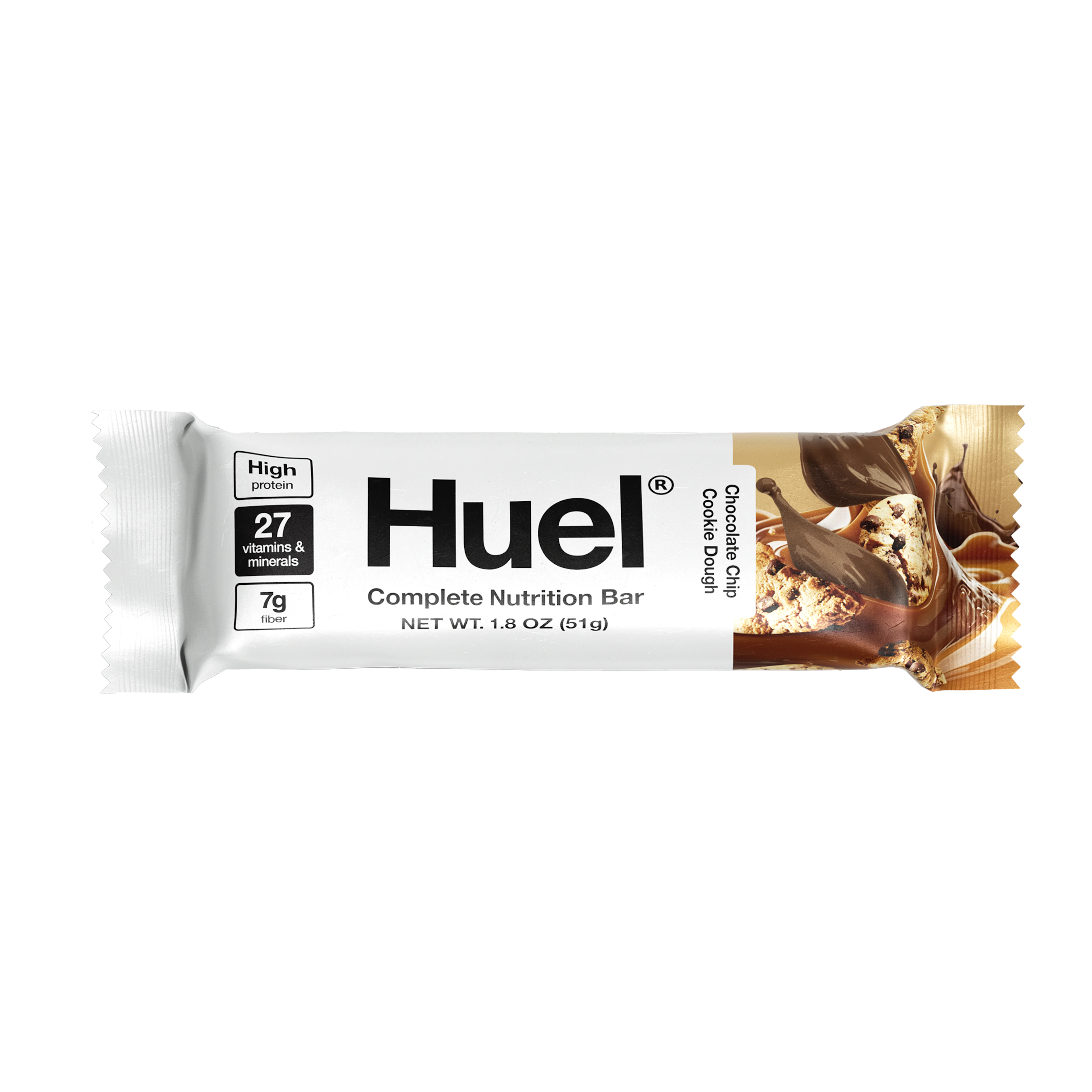
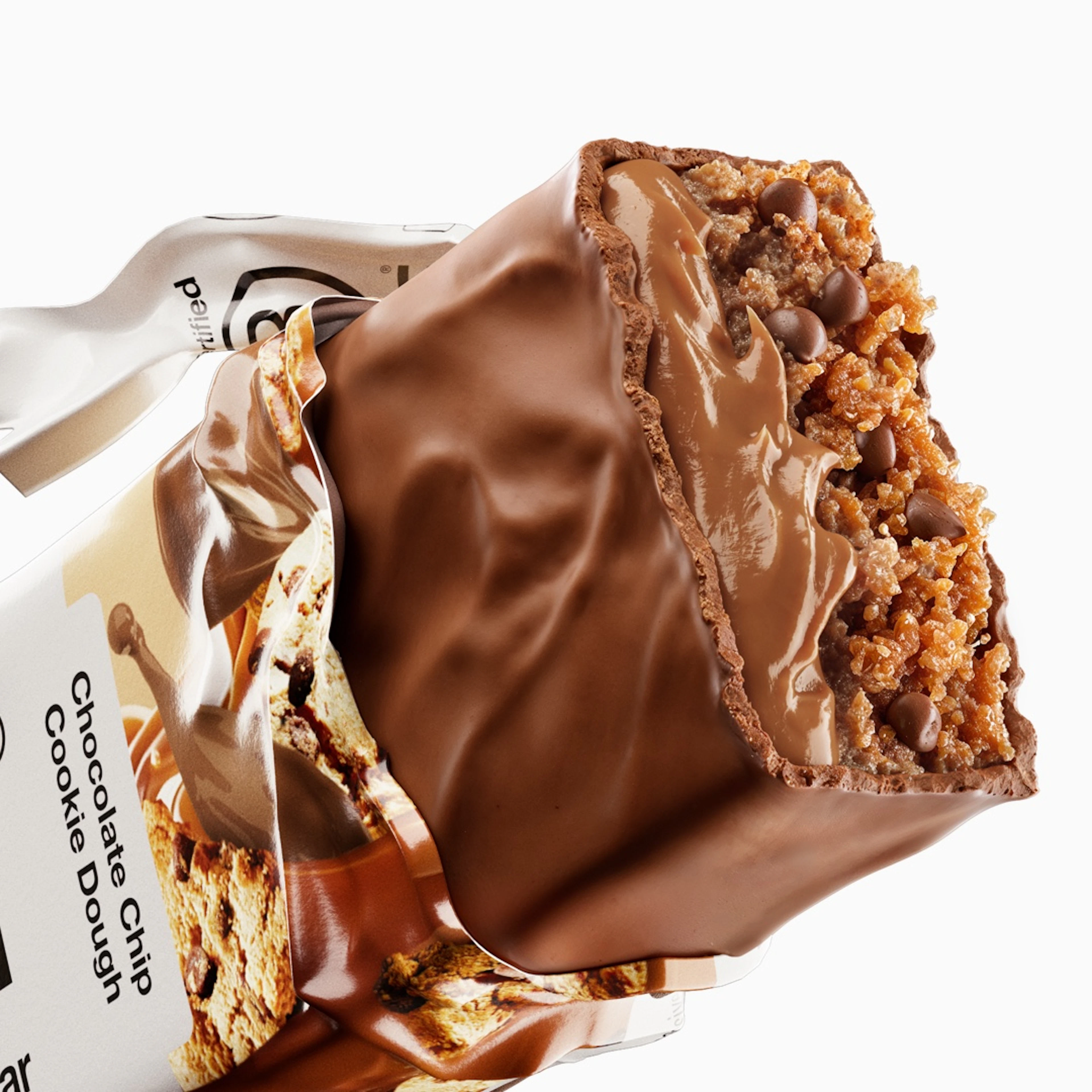
Complete protein bar
Up to 15g protein
Up to 210 cal per bar
✨ New flavors
.png?auto=format&compress=true&w=3840)

Sparkling supergreens drink
42 vitamins, minerals & nutrients
35 cal per can



Get 15% off your first order, plus insider access to expert tips, exclusive discounts, and the latest from Huel.