🔥 Bestseller
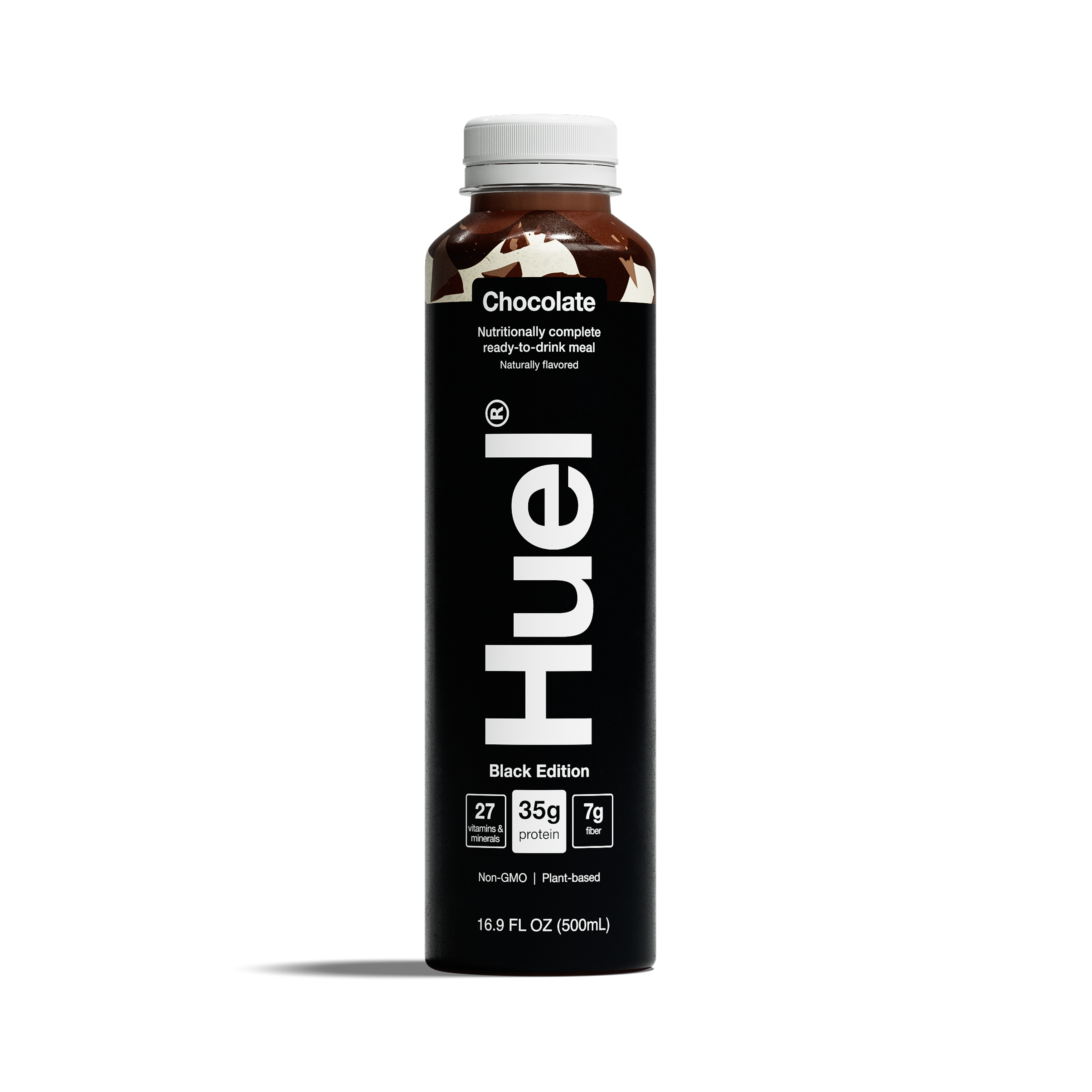

Black Edition Ready-to-drink
High-protein meal shakes
35g protein
400 cal per bottle

Most mornings don’t start with intention. They start with an alarm, a phone grab, and a vague sense of already being behind.
But the way you begin your day—those first few quiet (or chaotic) minutes—has an outsized impact on how everything else unfolds. Mood, focus, stress levels, even how kindly you speak to yourself when things go sideways later on. That’s where morning self-love practices come in.
And no, this isn’t about perfect routines or aesthetic rituals you’ll abandon by Thursday. It’s about small, science-backed habits that help you meet the day with a little more steadiness, compassion, and self-respect—whether you’ve got one minute or fifteen.
Self-love gets a bad rap as vague or indulgent, but psychological research tells a different story. Studies on self-compassion—led by researchers like Dr. Kristin Neff—consistently link self-directed kindness to:
In other words, how you treat yourself internally matters just as much as sleep, nutrition, or exercise.
Because mornings set the tone. Research shows that early emotional states tend to carry forward, influencing how we respond to stress, talk to ourselves, and interact with others throughout the day.
A short morning self-love practice acts like a reset button—interrupting autopilot and creating a moment of intention before the day starts asking things of you.
If this already sounds nice in theory but impossible in practice, you’re not alone. The most common obstacles are:
The good news: none of these require fixing. Effective morning self-love practices are flexible, imperfect, and designed for real life—not highlight reels.
Mindful waking and intention-setting
How you wake up matters more than what you do afterward.
Instead of immediately reaching for your phone, try one small interruption to autopilot:
This takes seconds, not minutes—and it helps shift your nervous system out of reactive mode.
Clinical psychologist and mindfulness researcher Shauna Shapiro developed the “Good Morning I Love You” practice as a way to build self-compassion before the day begins.
The practice is simple:
If that phrase feels awkward (it often does at first), try alternatives:
Why it works: Shapiro’s research shows that repeated, intentional self-kindness helps reduce self-criticism and improve emotional regulation over time. It’s not about forcing positivity—it’s about creating a moment of safety and support first thing in the day.
Whether you follow Shauna Shapiro’s “Good Morning I Love You” exactly or adapt the language, the impact comes from the gesture itself: starting the day on your own side.

Morning journaling doesn’t need to be profound or time-consuming to be effective. Studies on gratitude practices show measurable improvements in mood within just a couple of weeks.
Try one prompt—no more:
If writing feels like too much, jot a single bullet in your phone or on a sticky note. The benefit comes from attention, not volume.
Morning movement doesn’t have to mean a workout. It can be a stretch, a slow walk, or a few moments of moving your body without judgment.
Options that work on low-energy days:
As you move, try directing appreciation toward your body—not for how it looks, but for what it carries you through. That shift alone can change the emotional tone of the day.
Sample routines by time
1 minute
5 minutes
15 minutes
There’s no ideal length. Consistency beats duration every time.
Morning self-love practices don’t need to fit a single worldview.
The practice works because it’s intentional—not because it looks a certain way.
If kindness feels forced or fake, start with neutrality:
Research suggests that acknowledging resistance with compassion—rather than trying to eliminate it—helps build lasting self-compassion over time.
You don’t need metrics, but gentle reflection helps:
Celebrate effort, not streaks. Missed days aren’t failures—they’re part of being human.
Morning self-love practices aren’t about fixing yourself before the world sees you. They’re about beginning the day with steadiness, kindness, and a sense of internal support.
Even a minute—especially a minute—can change how the rest of the day feels.
Start small. Adapt often. And let the practice evolve as you do.
Edited by The Digest team