
How to Get More Fiber Into Your Breakfast: Recipes and Tips
Start your day right with science-backed gut-friendly breakfasts! Discover high-fiber, plant-diverse, & probiotic recipes—plus tips for digestive health.
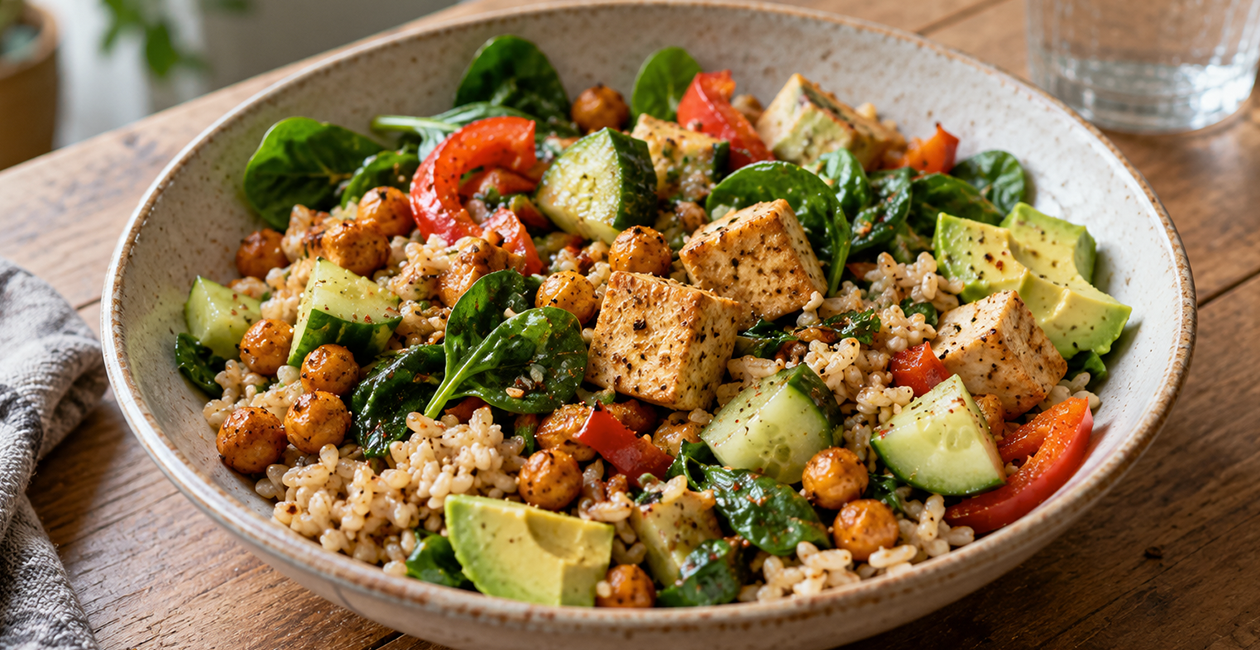
The topic of nutrient density is gaining lots of attention at the moment, especially in conversations surrounding GLP-1 medications. You may have seen the term in the news, on social media, or on food packaging when wandering around the shops. It sounds a little technical, but the idea of nutrient density is fairly simple: it is a way of looking at the nutrients a food provides relative to the calories it contains.
You don’t need to be taking GLP-1 medications to care about nutrient density. Whether you are eating smaller portions, trying to add variety to your meals, or simply want to get the most nutritional bang for your buck, it can be a relevant term to understand.
Nutrient-dense foods provide you with valuable nutrients (such as protein, fiber, vitamins, or minerals) with few calories. Some good examples of nutrient-dense meals include: yogurt and berries, a vegetable and grain bowl, a tofu and edamame stir-fry, and the list goes on. Think of nutrient-dense foods as almost the opposite of so-called ‘empty calories’.
Nutrient density is not to be confused with energy density - which relates to how many calories a food contains for its weight. Nuts, for example, are energy-dense, but also provide many nutrients such as fiber, essential fatty acids, calcium, magnesium, and others. A food doesn’t have to be low in calories to have a place in a balanced diet.
GLP-1 medications can reduce appetite, so users often find themselves eating smaller meals. When food portions decrease, it’s important to focus more on the variety of foods and nutrients that these smaller portions contain.
Whether you are taking GLP-1 medications, your appetite has dropped for alternative reasons, or if a busy day means you need to keep meals simple - the same idea applies. It is important to still make sure you are getting everything your body needs.
If you are struggling with this, speak to a healthcare professional or registered dietitian for personalized advice.
You don’t need to meticulously count every nutrient or turn every meal into a complex project. A few small tweaks and additions to everyday meals can boost the nutrient density of your diet.
Huel is a great place to start if you are looking for a plan B for when putting together a nutrient-dense meal in the kitchen isn’t a viable option.
Huel complete meals are designed with nutrients as priority number one. Huel Ready-to-drink meals are packed with up to 25g of protein, 7g of fiber, and 27 essential vitamins and minerals, ideal for days when you want something light yet nourishing, taking the guesswork out of meal planning on a reduced appetite.
Not every meal needs to be planned to perfection. Nutrient density is more about enjoying a variety of foods, and making the meals you eat count.
Words by Katherine Barrett, BSc Food Science and Nutrition, Huel Nutrition Team







Get 15% off your first order, plus insider access to expert tips, exclusive discounts, and the latest from Huel.