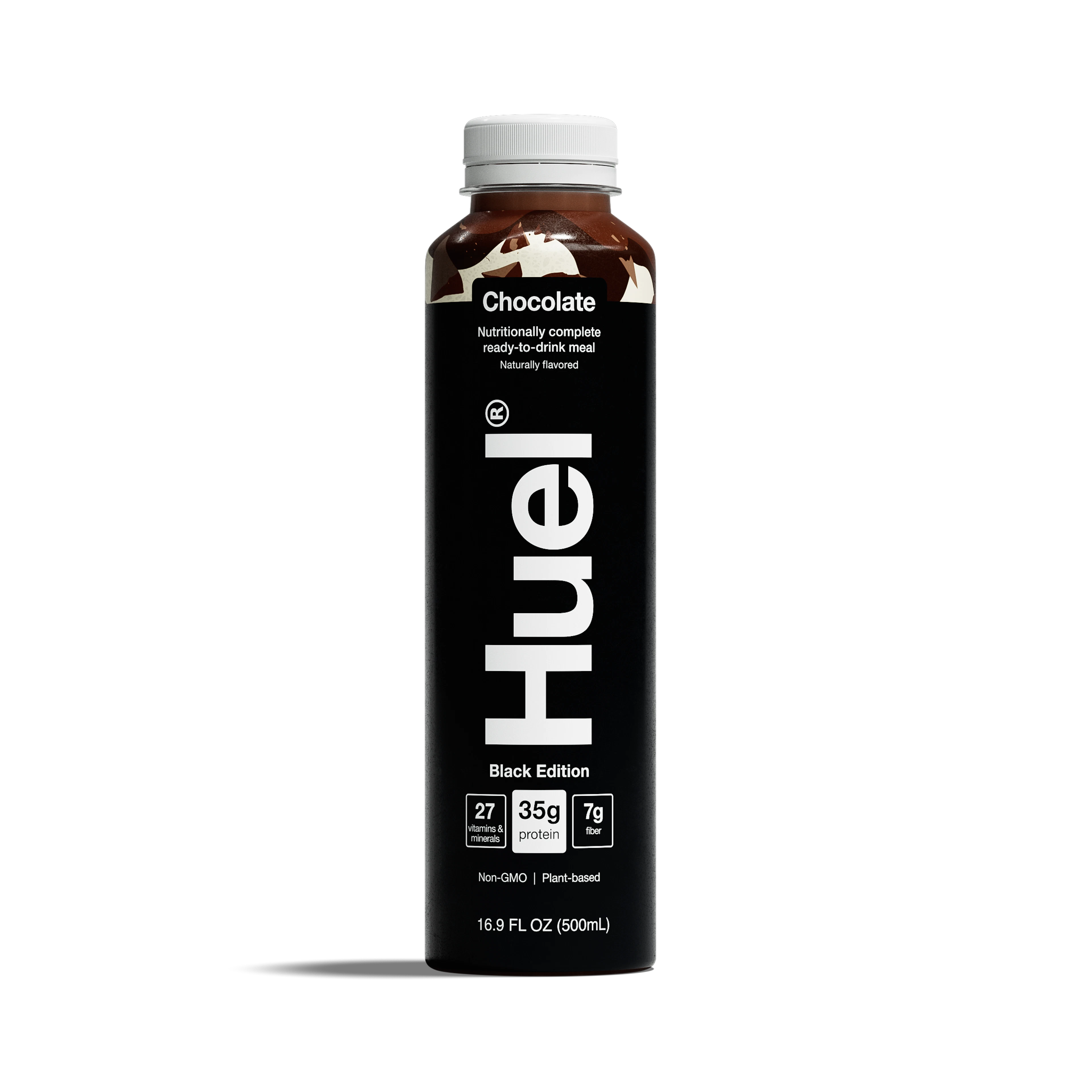
Black Edition Ready-to-drink
High-protein meal shakes
35g protein
400 cal per bottle

Bloating and inflammation are often used interchangeably, especially when talking about gut health. But while they can feel similar, they’re driven by very different processes in the body. Understanding the difference matters.
If you regularly feel uncomfortably full after meals, or you’re dealing with persistent fatigue or unexplained pain, knowing whether you’re experiencing bloating, inflammation, or something else entirely can help you make more informed choices about diet, lifestyle, and when to seek medical advice.
This guide explains how bloating and inflammation differ, what causes each, how to recognise the signs, and what evidence-based steps may help manage them.
Bloating is a digestive sensation. It usually shows up as pressure, fullness, or visible distension in the abdomen and is commonly linked to gas, digestion speed, food intolerances, or bowel habits.
Inflammation is an immune response. It occurs when the body reacts to injury, infection, or irritation, and can be short-term (acute) or long-lasting (chronic). While inflammation can affect the digestive tract, it often comes with broader symptoms beyond the gut.
They can overlap, but they are not the same thing.
Bloating is the uncomfortable sensation of abdominal fullness or tightness, sometimes accompanied by visible swelling of the belly. It’s typically temporary and often related to digestion rather than disease.
Bloating is common. Population studies suggest that a significant proportion of adults experience it regularly, even in the absence of an underlying medical condition.
Bloating isn’t a diagnosis in itself. It’s a symptom that can have many contributors:
Notably, visible abdominal distension isn’t always caused by excess gas. Changes in how the abdominal wall muscles and diaphragm move can also contribute to the bloated appearance.
Inflammation is part of the body’s immune defence system. It’s how the body responds to injury, infection, or harmful stimuli.
Inflammation doesn’t always look the same, but may include:
When inflammation affects the digestive tract, as in inflammatory bowel disease (IBD), symptoms may include ongoing abdominal pain, diarrhoea, and sometimes bleeding.
The confusion comes from overlap. Both bloating and digestive inflammation can cause abdominal discomfort and a feeling of pressure.
However, the underlying mechanisms are different:
Because the gut has a dense network of nerves, different types of discomfort can feel similar, making it difficult to tell the cause without looking at the bigger picture.

Occasional bloating is common and usually harmless. But in some cases, persistent bloating may be linked to inflammatory or autoimmune conditions affecting the gut.
Examples include:
Seek medical advice if bloating is accompanied by:
These symptoms don’t automatically mean inflammation is present, but they do warrant further investigation.
Gradual dietary changes are generally better tolerated than sudden increases in fibre or restrictive approaches.
Lifestyle factors play a major role in chronic inflammation:
These habits support immune regulation and overall health, even in people without inflammatory disease.
Can bloating be a sign of inflammation?
Sometimes. Persistent bloating alongside pain, diarrhoea, weight loss, or fatigue may point to an inflammatory condition and should be assessed by a healthcare professional.
Is bloating dangerous?
Bloating itself is usually harmless, but persistent or severe symptoms should not be ignored.
Does everyone with inflammation feel bloated?
No. Many forms of inflammation occur outside the digestive system and do not involve bloating at all.
Bloating and inflammation may feel similar, but they’re driven by different processes. Bloating is usually digestive and temporary. Inflammation is an immune response that can become serious when chronic.
Paying attention to patterns, associated symptoms, and duration can help you tell them apart. Knowing when to seek medical advice is key.
For persistent or concerning symptoms, a healthcare provider or registered dietitian can help determine the underlying cause and appropriate next steps.
Edited by the Huel Digest team
High-protein meal shakes
35g protein
400 cal per bottle
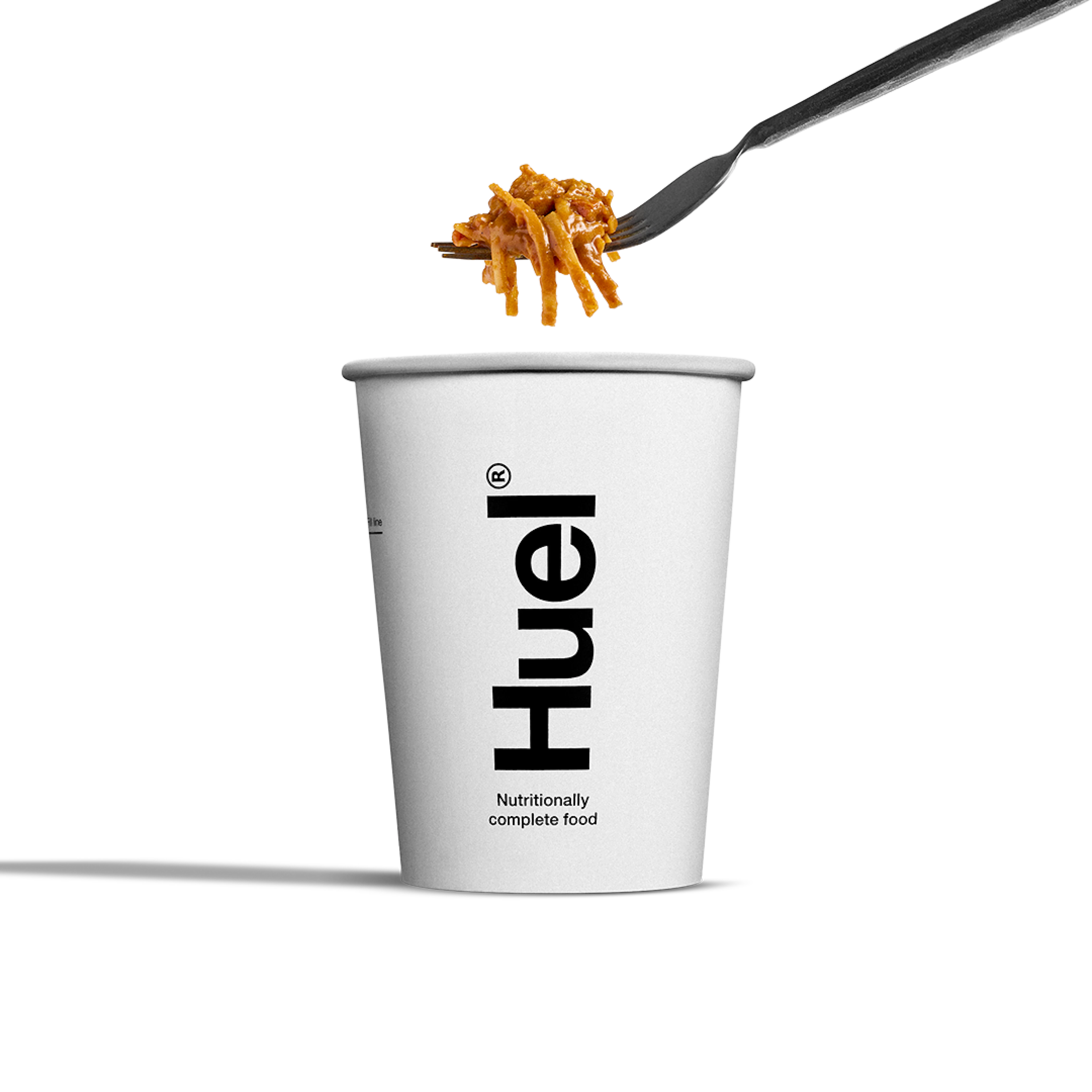
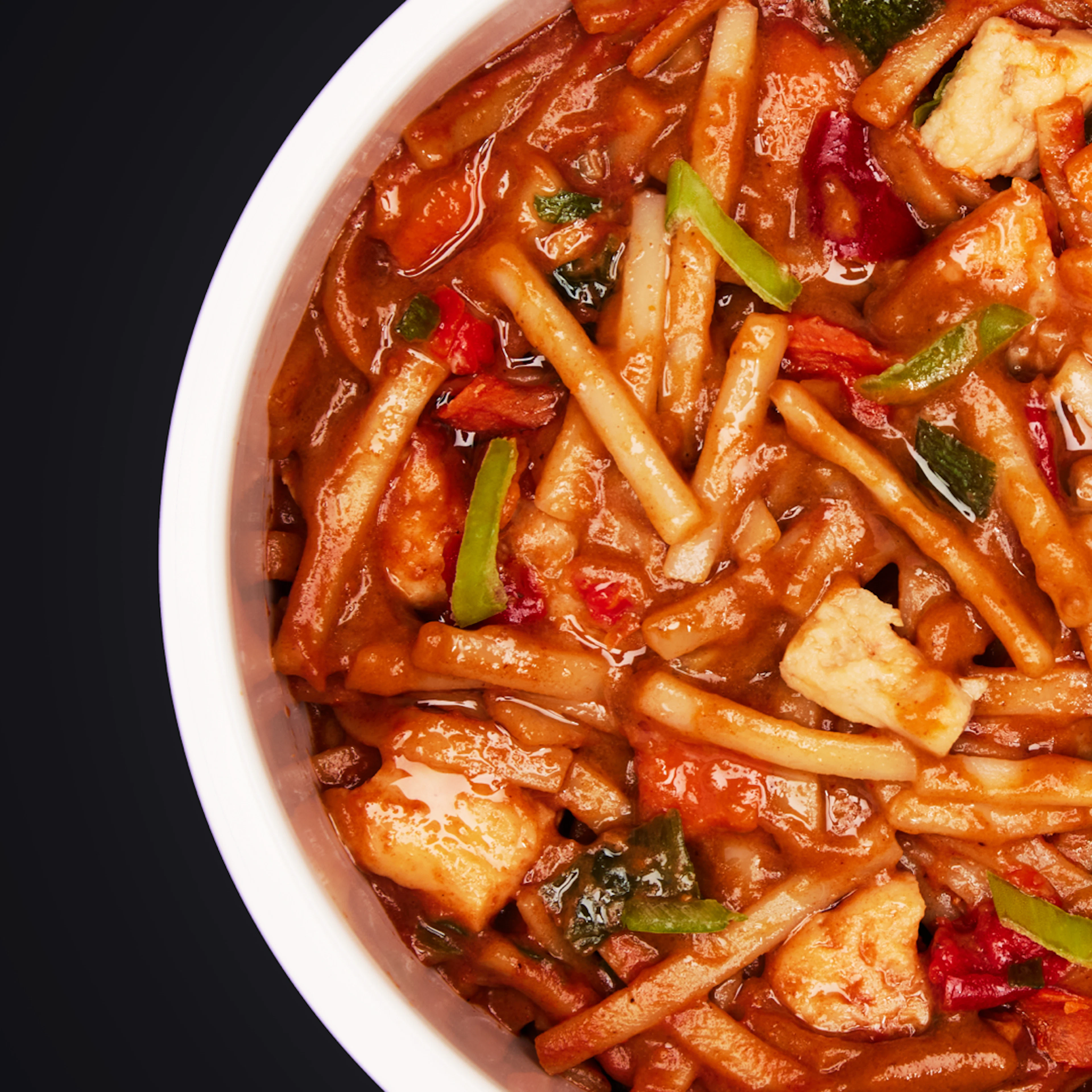
On-the-go instant meals
Up to 25g protein
400 cal per meal
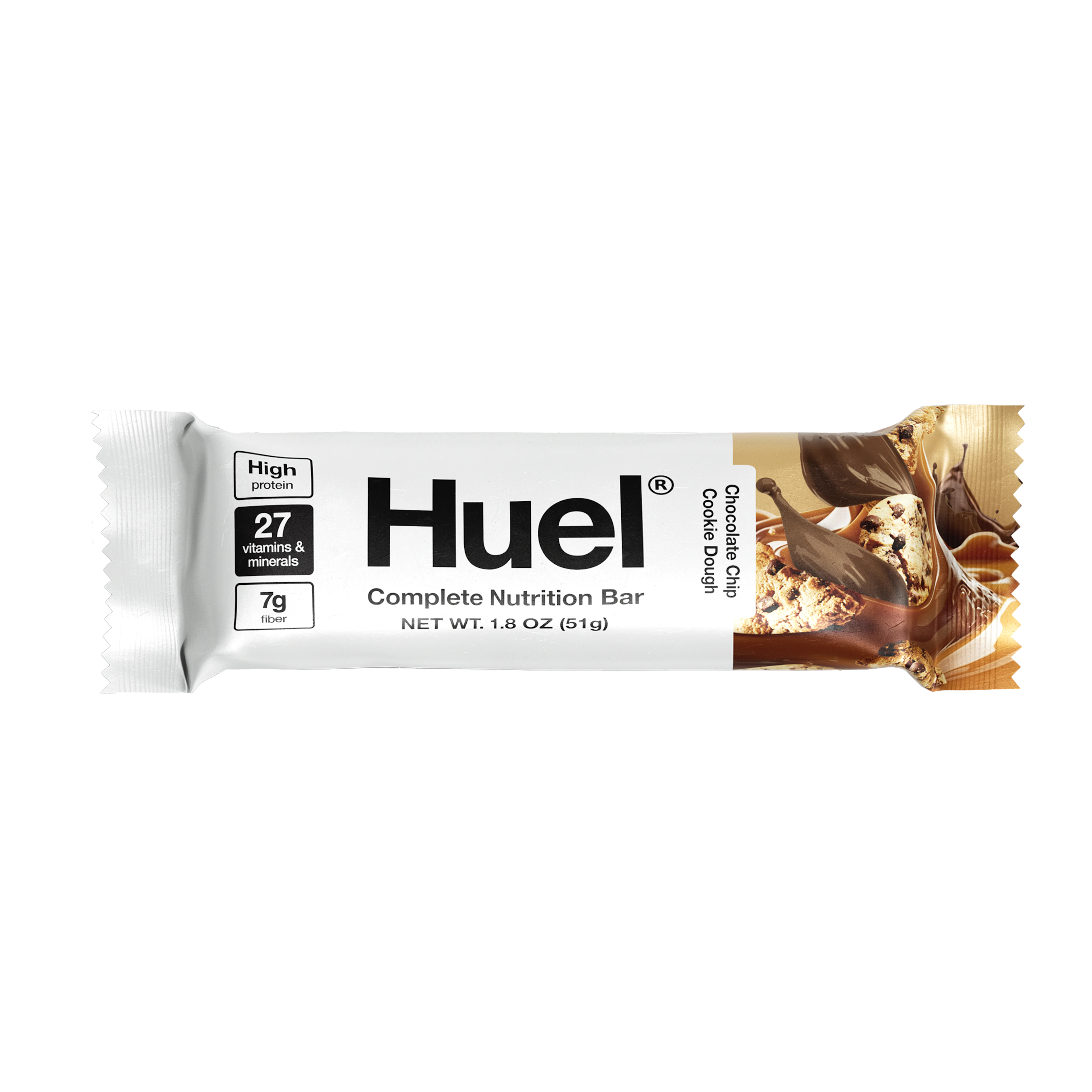
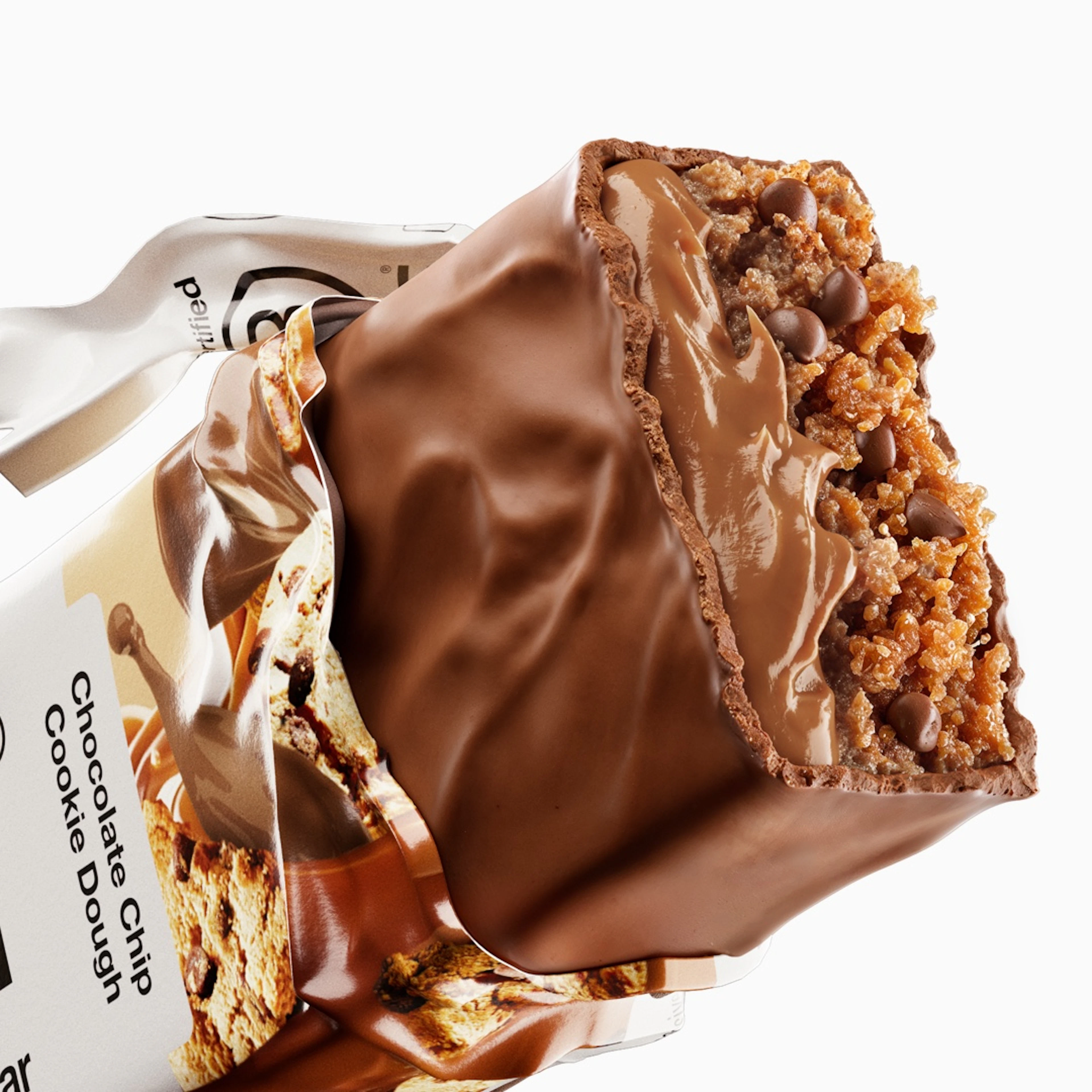
Complete protein bar
Up to 15g protein
Up to 210 cal per bar
✨ New flavors
.png?auto=format&compress=true&w=3840)

Sparkling supergreens drink
42 vitamins, minerals & nutrients
35 cal per can