✨ New flavours
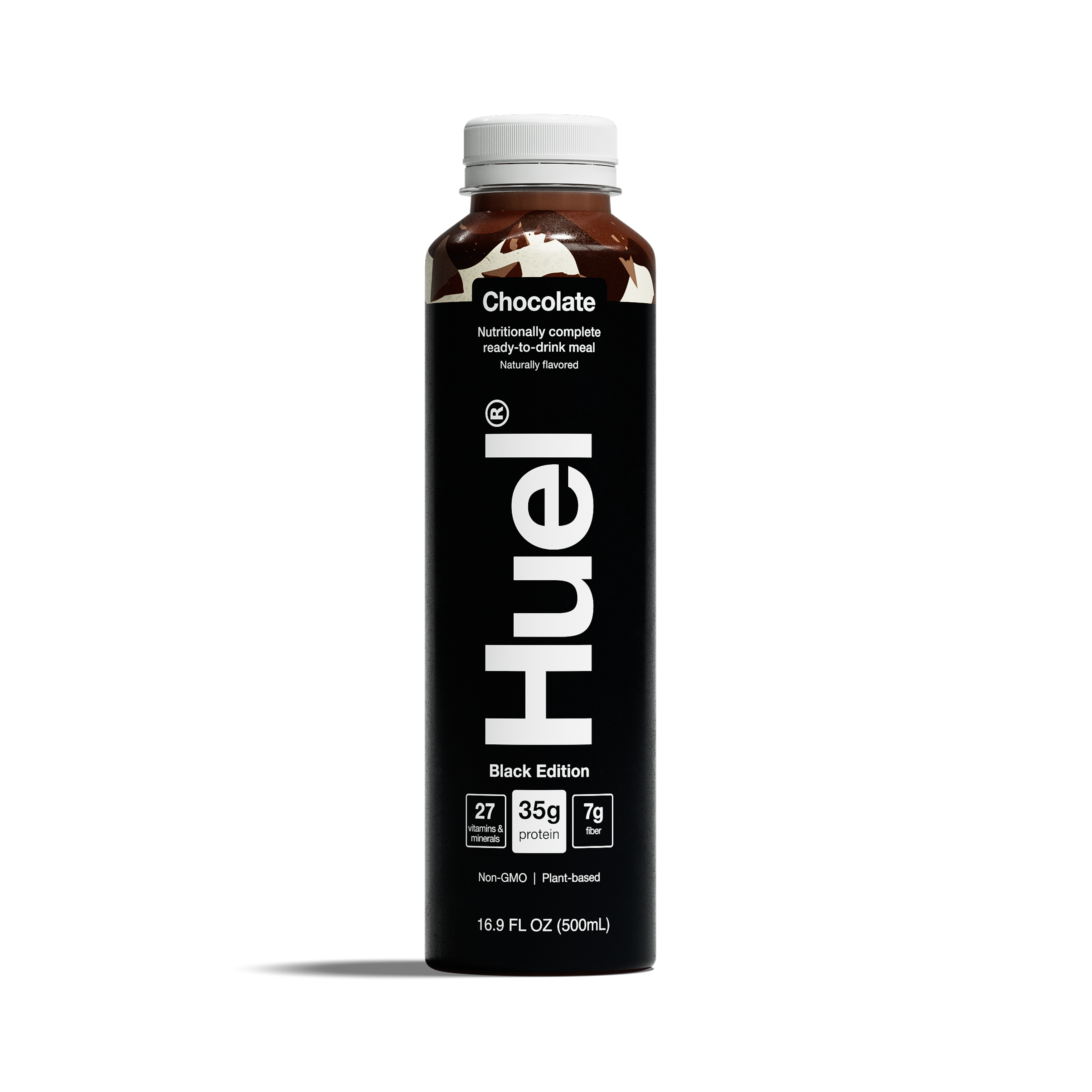

Black Edition Ready-to-drink
High-protein meal shakes
35g protein
400 cal per bottle

The 5K has a way of feeling simultaneously achievable and slightly terrifying, which is part of what makes it such a compelling first goal. It's short enough to complete in under an hour, long enough to feel like a genuine accomplishment, and supported by some of the most beginner-friendly training infrastructure in recreational sport. If you're reading this wondering whether you're fit enough, experienced enough, or just the right kind of person to run a 5K, the honest answer is: almost certainly yes.
TL;DR: A 5K is 3.1 miles and a realistic first running goal for most people, regardless of current fitness level. Structured beginner programmes like Couch to 5K build you up over 6 to 9 weeks using run-walk intervals. Walking the whole thing is entirely valid. You don't need expensive kit, a running history, or a target time — just a plan and a bit of patience with yourself.
A 5K is five kilometres, or 3.1 miles. In a race context, it typically takes beginners anywhere from 25 minutes (running continuously at a steady pace) to 60 minutes or more if walking some or all of it. Both are legitimate finishes.
The distance has become the entry point for recreational running largely because it sits in a sweet spot: long enough to require real preparation, short enough not to demand months of gruelling training. parkrun, which hosts free, weekly timed 5K events across the UK and internationally, has done perhaps more than anything else to democratise the distance — its events are explicitly welcoming to walkers, joggers, and volunteers, and finishing last is genuinely celebrated.
Most structured beginner programmes can get someone from little to no running to completing a 5K in 6 to 9 weeks, training three times per week. That's roughly 18 to 27 sessions. The NHS Couch to 5K programme, one of the most widely used beginner plans in the world, works on exactly this structure and has helped millions of people cross their first finish line.
Finish rates for first-time 5K participants are high, in part because the event is welcoming of all paces and in part because the training programmes genuinely work when followed consistently. The goal doesn't have to be speed. It doesn't have to be running without stopping. It just has to be crossing the line.

The list of things you genuinely need is short: a pair of supportive trainers and clothes you can move comfortably in. Running-specific shoes — not cross-trainers, not fashion trainers — are worth the investment because they're designed to absorb impact across many miles of pavement or trail. A visit to a specialist running shop for a gait analysis, often offered free of charge, can help identify whether you pronate or supinate and guide you towards appropriate footwear. Beyond that, the expensive kit is optional.
Weather-appropriate layers, a sports bra if relevant, and a way to carry your phone (an armband or running belt) are useful additions, but none are necessary to start. Don't let the gear become a reason to delay.
Signing up for an event before you feel ready is one of the most effective motivational tools available. It creates a fixed, external deadline that makes skipping training feel more costly. Local parkrun events are a low-pressure entry point — they're free, weekly, and explicitly designed to be non-competitive. If you prefer a more structured race environment, most cities host beginner-friendly 5K events throughout spring and autumn.
Virtual 5Ks — where you run your distance independently and log your time — are also an option if local events aren't accessible or if the idea of running with a crowd feels like too much to begin with.
The most common mistake new runners make is starting too fast, doing too much too soon, and burning out or getting injured within the first fortnight. The run-walk method avoids this by alternating short running intervals with walking recovery periods, gradually extending the running segments over weeks as fitness develops.
A typical early week might look like: run for one minute, walk for two minutes, repeat for 20 to 25 minutes total. By the midpoint of a nine-week programme, you might be running for eight minutes, walking for five, repeating twice. By the end, most participants can run continuously for 30 minutes — which at a comfortable beginner pace covers approximately 5K.
The NHS Couch to 5K app guides users through exactly this progression over nine weeks, with three runs per week and audio coaching throughout. It's free, well-structured, and widely recommended by GPs and running coaches alike.
Most beginner programmes run for six to nine weeks, and nine weeks is a reasonable expectation for someone starting from a base of little or no regular exercise. Some people progress faster; others need to repeat weeks. Both are normal. The programme is a framework, not a rigid schedule, and extending it by a week or two when life gets in the way is far better than abandoning it.
Training three times per week with at least one rest day between sessions is the standard recommendation. This aligns broadly with the WHO guideline of 150 minutes of moderate aerobic activity per week for adults — by the midpoint of most Couch to 5K programmes, you'll be approaching or exceeding this.
If running continuously is your goal, the most important principle is pacing. Beginners almost universally start too fast, hit oxygen debt within the first kilometre, and find themselves forced to stop. A genuinely easy conversational pace — one where you could hold a short conversation without gasping — is the right effort level for training runs, and often feels surprisingly slow at first.
Building up continuous running gradually, as the run-walk method does, is the most evidence-supported approach. Walk breaks during training are not a sign of failure; they're a training tool. Many experienced runners use them deliberately.
Absolutely. Walking a 5K typically takes between 45 and 60 minutes for most people, and it is a completely valid way to participate and finish. If walking is your starting point, training still applies: building up the distance over several weeks, incorporating some brisker-paced walking intervals, and getting comfortable covering the distance on foot before race day all make the experience more enjoyable.
Many parkrun participants walk every week. Nobody is checking.
Nerves before the first few runs are normal, and so is feeling awkward or self-conscious. Most people who run regularly started exactly where you are. Focusing on the process rather than the outcome — showing up for the session rather than hitting a specific pace or distance — makes the early weeks considerably less stressful.
Tracking small wins helps: the first run you complete without stopping, the first week where all three sessions happen, the first time a route feels easier than it did before. These markers of progress are motivating in a way that distant goals aren't. Running with a friend or joining a beginner running group adds accountability and makes the sessions themselves more enjoyable.
Missing a session — or even a week — doesn't mean starting over. It means picking up where you left off.
The most common running injuries in beginners — shin splints, knee pain, and IT band issues — are predominantly caused by doing too much too quickly. The gradual progression built into structured programmes exists specifically to prevent this. Resisting the urge to skip ahead when things feel easy is one of the most useful habits a new runner can develop.
Rest days are not optional extras; they're when adaptation happens. Warming up with a five-minute brisk walk before running and cooling down with light stretching afterwards is worth the extra ten minutes. If something hurts beyond mild muscle soreness — particularly if it's joint pain or pain that worsens during a run — back off and seek advice from a physio or GP rather than running through it.

For 5K training, nutrition doesn't need to be complicated. The distances are short enough that specialist sports nutrition is unnecessary; balanced, regular meals are sufficient fuel.
For runs under 45 minutes, most people don't need to eat immediately beforehand. A light carbohydrate-based snack an hour or two before a session — a banana, a slice of toast, a small bowl of porridge — works well if you prefer not to run on an empty stomach. Avoid large meals in the two hours before training.
After a session, a meal or snack containing both protein and carbohydrate supports muscle recovery. This doesn't need to be a dedicated recovery product — a bowl of pasta with chicken, eggs on toast, or yoghurt with fruit all do the job.
Hydration matters more in warmer weather or on longer sessions. For most beginner training runs, drinking water normally throughout the day and having a glass before and after your run is sufficient. On race day, sipping water at aid stations if they're available is sensible, but you're unlikely to need significant hydration for a 5K if you've arrived well hydrated.
The night before, lay out everything you need — shoes, clothes, race number if you have one — so race morning involves as little decision-making as possible. Sleep is more valuable than any last-minute preparation, so prioritise rest over nervous logistics.
Eat a familiar, light breakfast two to three hours before the start: something you've eaten before a training run and know you tolerate well. This is not the morning for culinary experimentation.
At the start line, position yourself honestly — towards the back if you plan to walk or jog slowly, rather than at the front where the faster runners will immediately overtake you. Start at a comfortable, conservative pace. The most common race-day mistake is setting off too quickly on the adrenaline of the occasion. The field will spread out within the first kilometre and you can find your rhythm.
Whatever time you finish in, crossing a 5K finish line for the first time is genuinely worth celebrating. Take a moment to appreciate it before you start planning the next one.
How long does it take a beginner to train for a 5K? Most structured beginner programmes run for six to nine weeks, with three sessions per week. The NHS Couch to 5K programme is nine weeks and is the most widely used framework in the UK. Some people progress faster; others extend the programme to suit their schedule or starting fitness. Both approaches work. The key variable is consistency rather than speed of progression.
What is Couch to 5K and how does it work? Couch to 5K (C25K) is a free, structured beginner running programme that builds participants from very little running to completing a 5K over nine weeks. It works using run-walk intervals, starting with very short running segments and gradually extending them each week. The NHS version includes a free app with audio coaching. It is designed to be accessible to people with no running background and is recommended by GPs and health professionals as a safe, evidence-based approach to beginning running.
Can I walk a 5K instead of running? Yes, and it counts. Walking a 5K typically takes between 45 and 60 minutes. Many parkrun events and 5K races welcome walkers, and there is no finishing-line distinction between someone who walked and someone who ran. If walking is your current baseline, training to walk the distance comfortably — gradually building up to 5K in one session — is a perfectly valid goal.
How do I run a 5K without stopping? The most reliable route is run-walk interval training, which gradually increases the proportion of time spent running over several weeks. The most important early discipline is pace: running slower than feels necessary in training sessions prevents the oxygen debt that forces most beginners to stop. A pace at which you can hold a short conversation — even if it barely feels like running — is the appropriate training effort level. Walk breaks are a legitimate training tool, not a failure.
What should I eat before a 5K run? For training runs, a light carbohydrate-based snack one to two hours beforehand works well if you prefer not to run on an empty stomach — a banana, some toast, or a small bowl of porridge are reliable options. For race day, eat something familiar and easily digestible two to three hours before the start. Avoid large meals, high-fat foods, or anything untested before a run.
How do I prevent injury while training for a 5K? Follow the programme's gradual progression rather than skipping ahead. Take scheduled rest days. Invest in a pair of supportive running shoes suited to your gait. Warm up with a five-minute walk before each run and cool down with light stretching afterwards. If you experience joint pain or pain that worsens during a run, stop and seek advice rather than pushing through it. Muscle soreness in the days after a session is normal; sharp or persistent pain is not.
Edited by The Digest team