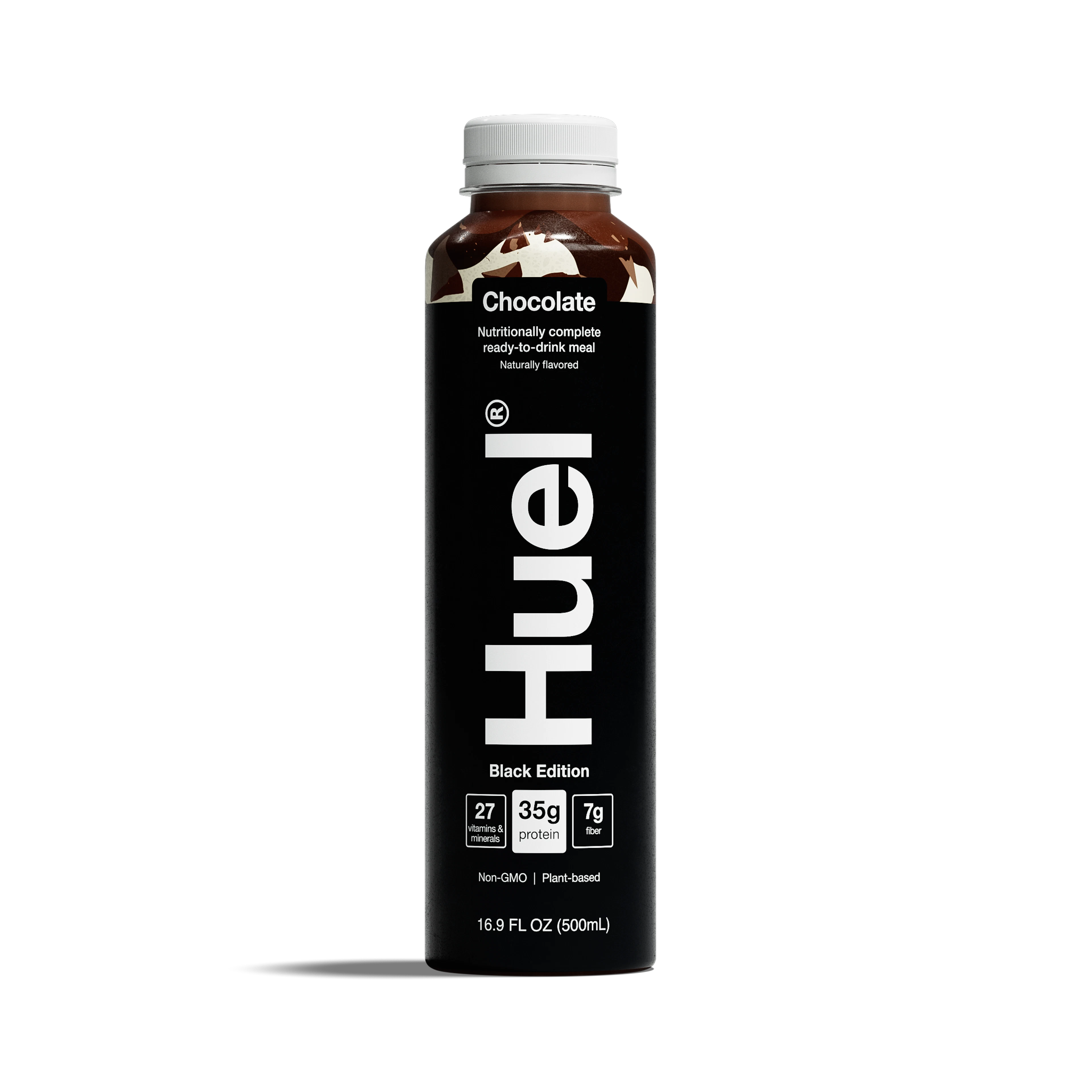
Black Edition Ready-to-drink
High-protein meal shakes
35g protein
400 cal per bottle

Working night shifts can feel like turning your body clock upside-down. While millions of people—from healthcare professionals to security staff to factory workers—keep our world running at night, they also face unique nutrition and health hurdles. Disrupted sleep, cravings, and digestive issues can make healthy eating a challenge when your day begins as the sun goes down.
If you’re a night shift worker looking for practical, evidence-based nutrition tips, this guide will help you plan meals, snacks, and hydration routines that support your energy, alertness, and sleep—without relying on guesswork or vending machine quick fixes.
Night-shift nutrition at a glance
Night work flips your internal clock. When you are active during hours your body expects rest, your circadian rhythm—the internal system that manages sleep, digestion, and hormones—falls out of sync. The results can include:
You may not be able to change your schedule, but you can use food to support your body. Balanced eating habits can:
When you eat matters just as much as what you eat.
Think of your meals as if they were a daytime schedule: breakfast when you wake, lunch during your shift, and dinner before sleep.
Balanced plate guide:
Snacking helps keep blood sugar steady and prevents energy crashes.
Best combinations: Pair fiber-rich carbohydrates with protein or healthy fats.
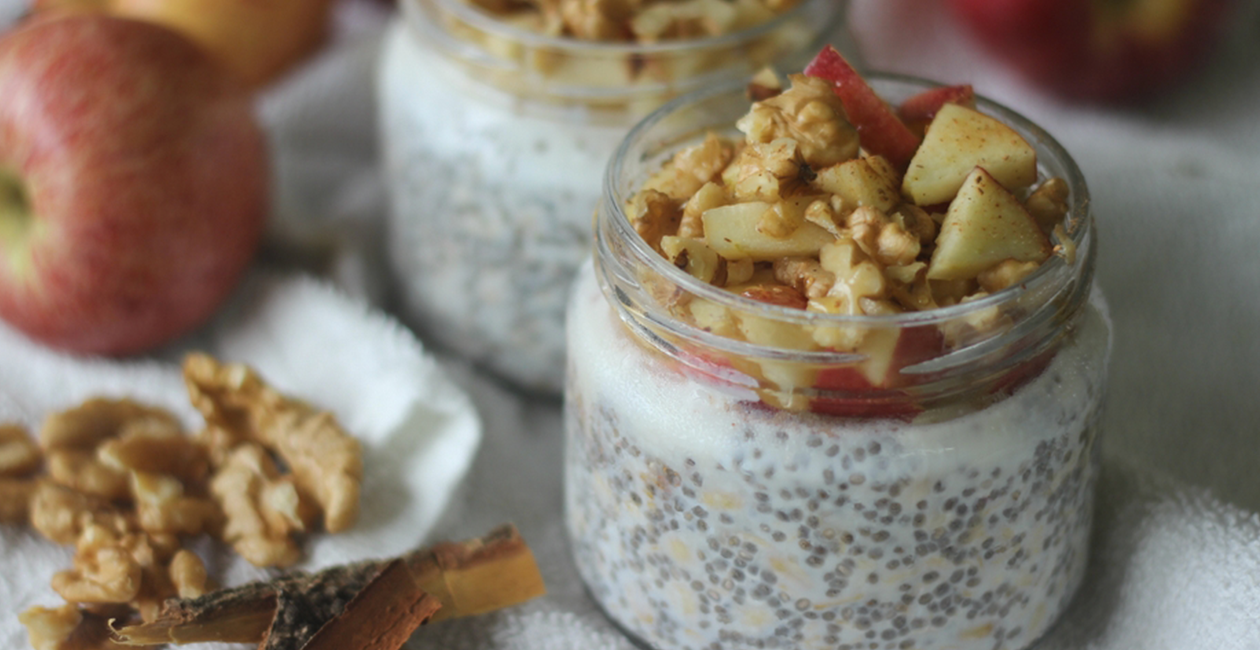
Examples include apple slices with nut butter, hummus and vegetable sticks, boiled eggs, Greek yogurt with seeds, low-fat cheese with whole-grain crackers, or a Huel Bar or Ready-to-drink shake.
Preparing snacks in advance—such as overnight oats, mini frittatas, or a small bag of trail mix—makes it easier to stay consistent.
Artificial light and long overnight hours can dull your thirst cues.
Keep a reusable water bottle nearby and sip throughout your shift.
Caffeine can sharpen focus, but timing is important.
Coffee, tea, or a caffeinated Huel shake can work well if you stop consumption several hours before leaving work.
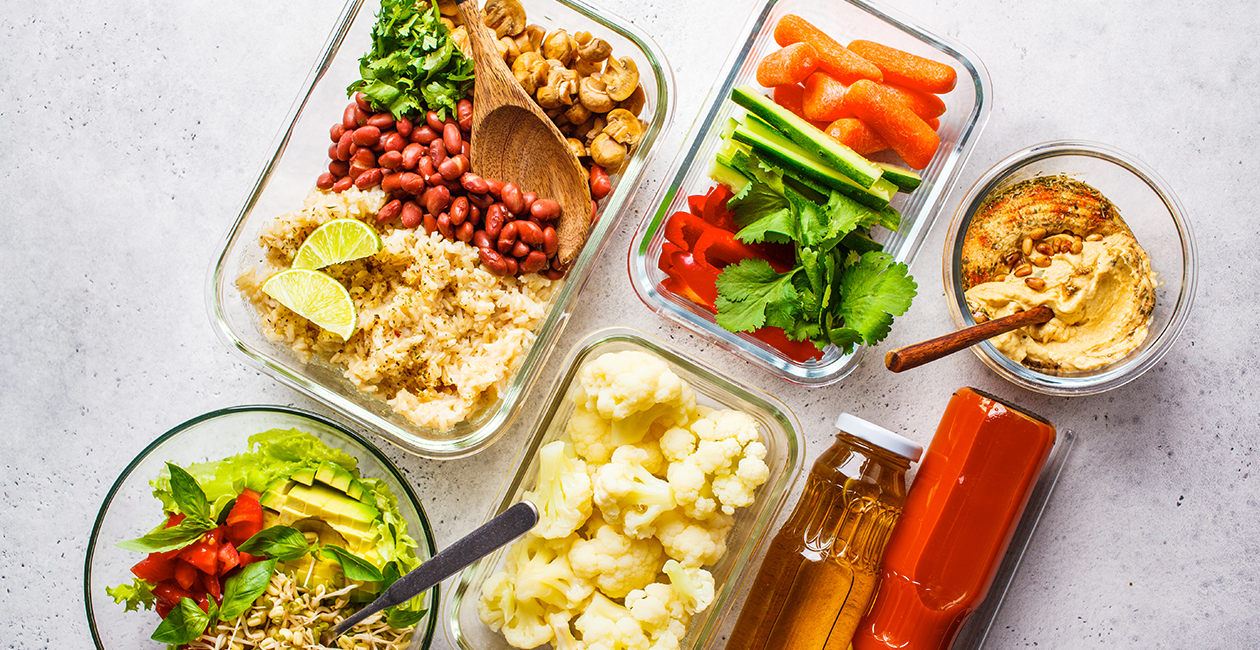
Preparation is your best defence against last-minute takeout or vending machine snacks.
Easy ideas:
Batch-cook a few days’ worth of meals and snacks, pack them in containers, and keep them ready to grab from the fridge.

Eating too late or too heavily can make falling asleep more difficult after work.
If you are hungry after your shift, have a light snack such as yogurt with fruit or a handful of nuts.
Night work disrupts the hormones that control hunger and fullness. Ghrelin, which signals hunger, rises, while leptin, which promotes satiety, falls.
To manage these changes:
Example schedule: 10 p.m. to 6 a.m.
Drink water regularly throughout your shift and stop caffeine around 2 a.m.
What are the best nutrition tips for night shifts? Eat balanced meals tailored to your shift schedule. Choose protein- and fiber-rich snacks, plan hydration, pace your caffeine, and prepare food in advance to avoid unhealthy choices.
How can I maintain healthy eating on a night shift? Bring prepared meals and snacks, build meals around whole foods, and avoid reliance on vending machines or fast food. Set a meal/snack schedule to help manage hunger and reduce cravings.
Which snacks are healthiest for night shift workers? Look for options rich in protein and fiber: apple with almond butter, hummus and raw veggies, hard-boiled eggs, Huel bars or shakes, Greek yogurt with seeds.
How does working night shift affect nutrition and sleep? Night shifts disrupt your body's appetite and satiety hormones, increasing cravings and risk of overeating. Eating heavy, fatty, or spicy foods before sleep can worsen digestive discomfort and hurt sleep quality.
Should I avoid caffeine during night shifts? Moderate caffeine (coffee, tea, Huel caffeinated powder) can improve alertness but should be avoided during the last several hours of your shift to avoid sleep disruption.
What should I eat before starting a night shift? Aim for a balanced meal with lean protein, whole grains, and veggies—for example, grilled chicken, brown rice, and steamed greens.
How can I prepare meals for night shifts in advance? Batch cook dinners and healthy snacks; store in pre-portioned containers for easy grab-and-go. Huel shakes or bars are quick, balanced options when time is short.
What hydration strategies work best for night shift workers? Drink at least 1.5–2 liters of water per day. Keep a refillable water bottle at your station and sip regularly. Herbal teas or flavored water can add variety, but avoid excess sugary drinks.
High-protein meal shakes
35g protein
400 cal per bottle
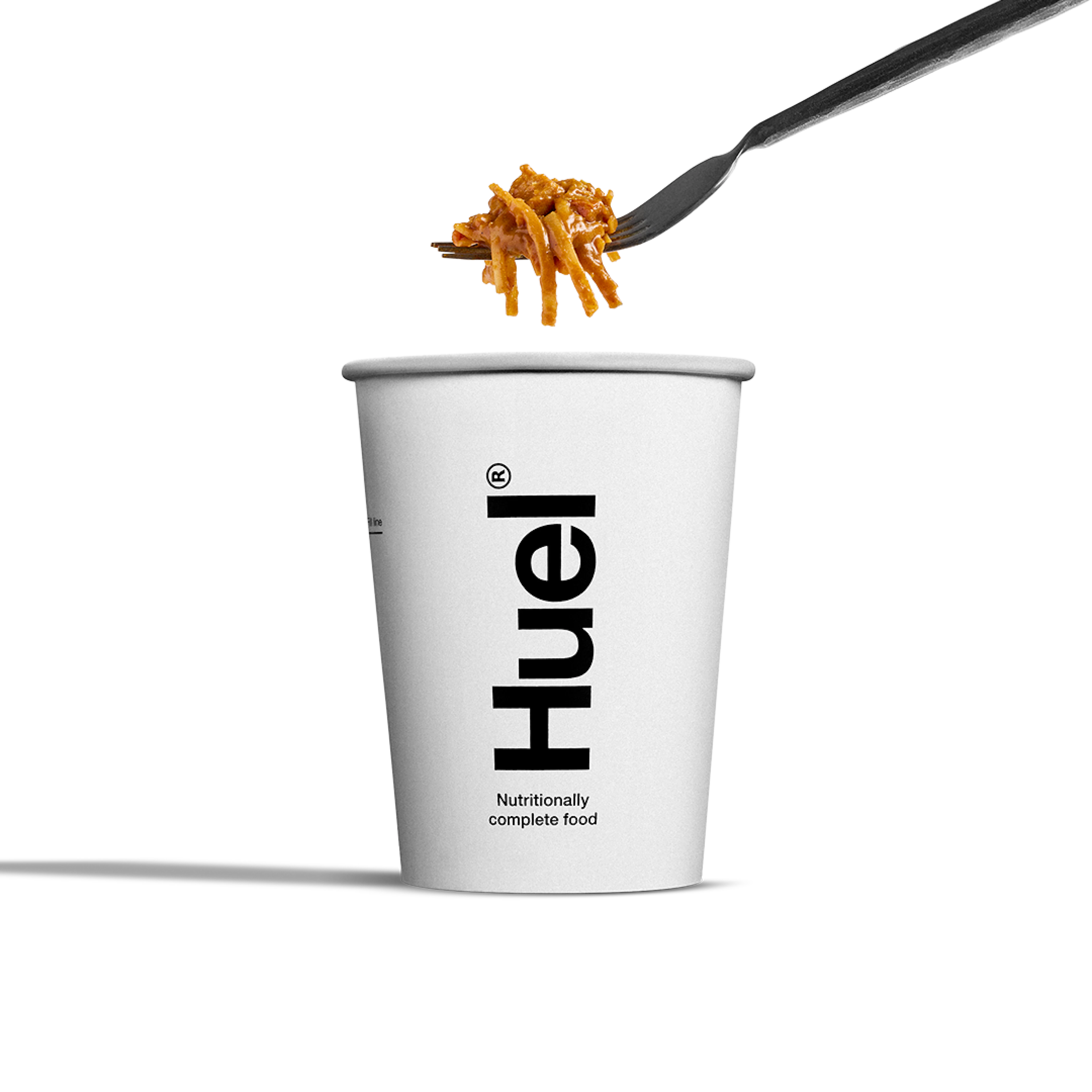
On-the-go instant meals
Up to 25g protein
400 cal per meal
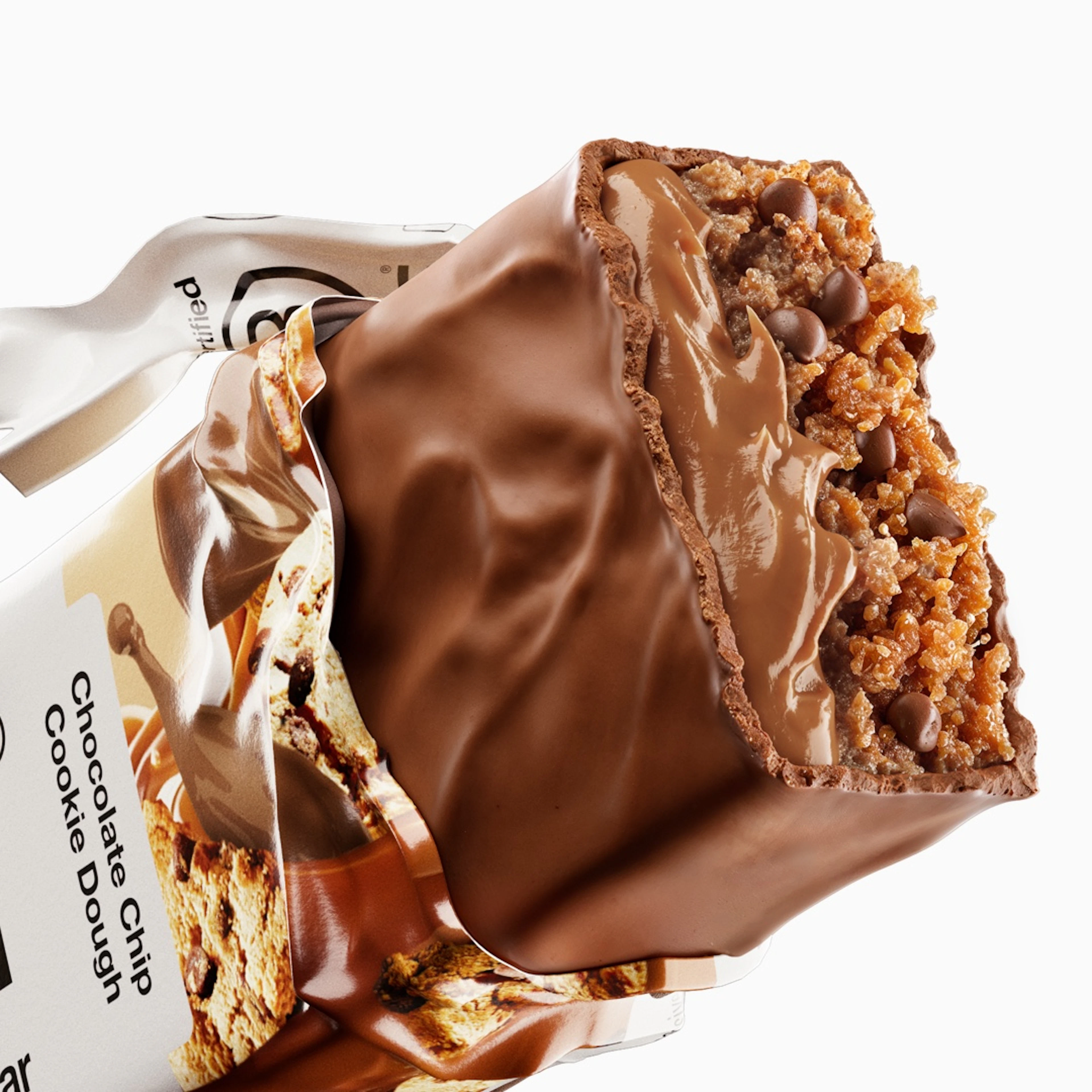
Complete protein bar
Up to 15g protein
Up to 210 cal per bar
✨ New flavors
.png?auto=format&compress=true&w=3840)
Sparkling supergreens drink
42 vitamins, minerals & nutrients
35 cal per can