🔥 Bestseller
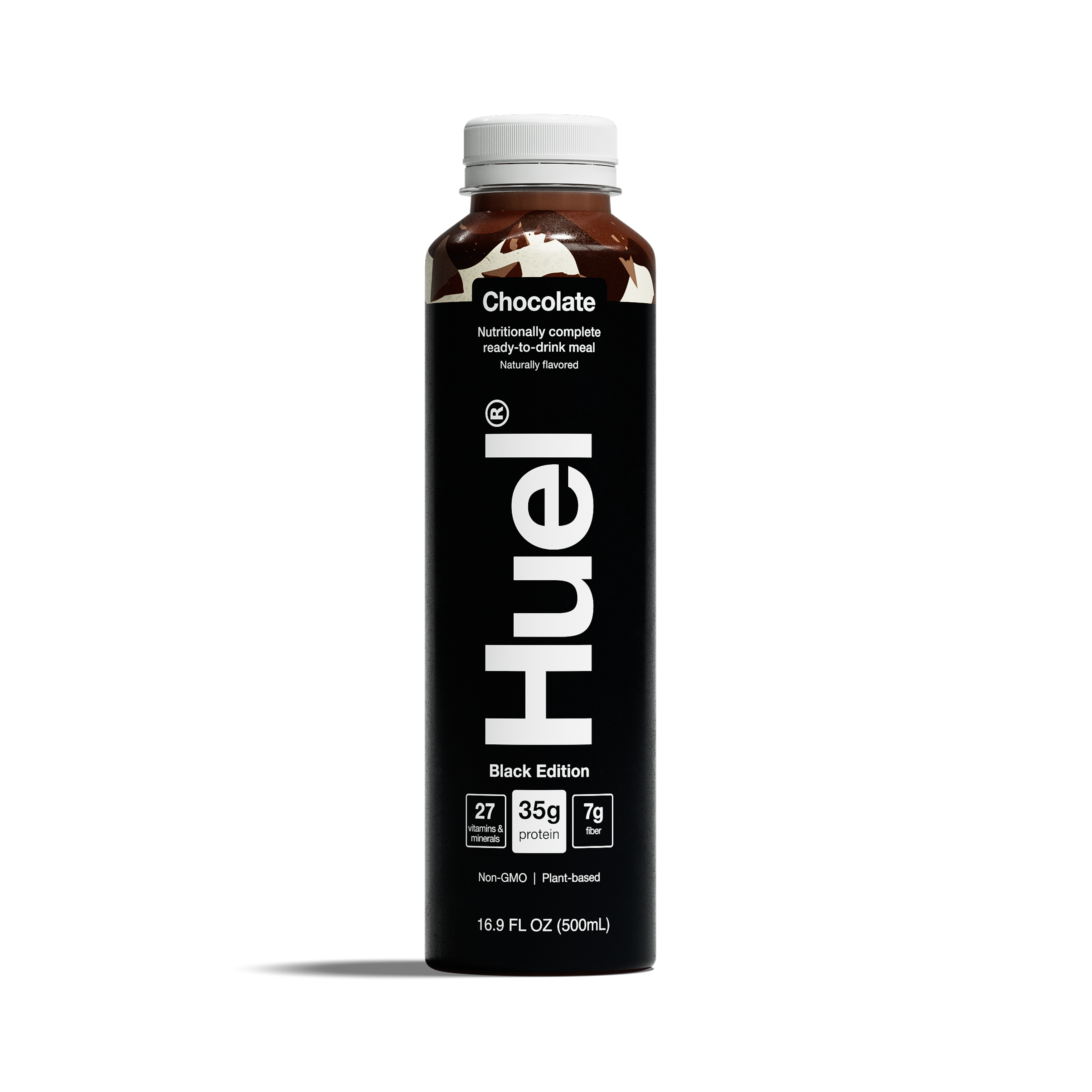

Black Edition Ready-to-drink
High-protein meal shakes
35g protein
400 cal per bottle

Last year, I embarked on a daunting journey: Growing out the bleached blonde pixie cut I'd been rocking for nearly 10 years. I'd tried growing it out before, but never successfully: I always ended up hacking it off again once it reached that awkward stage that made me look like a 12-year-old skater boy.
As my hair neared that dreaded in-between length, my search history became a desperate compendium of cries for help: “How to grow hair faster”...“Best conditioner for hair growth”...“Nourishing styles for short hair”...“Long hair pill???”
What I really needed was a set of good skin and hair care habits—rituals I could stick with through the awkward phase and beyond. Around the same time, my skin broke out in a bad eczema flare-up…I’m not saying it was just from the stress of my hair journey, but that fixation definitely wasn’t helping. To both heal my angry skin and coax my bob into a mane, I ended up stripping down both my haircare and skincare routines. I went back to basics and focused on a holistic wellness approach.
Did it work? Let’s just say that today my skin is clear, dewy, and bright, and my hair is tied back in a chic little French braid. If I can do it, so can you.
We spend so much time focused on the aesthetics of our skin — blemishes, wrinkles, that summer tan — that it's easy to forget our skin isn't just for show. It's our body's largest organ, and it works hard to protect our internal organs, prevent infection, and help regulate body temperature.
Caring for your skin isn't just about looking good. It’s about good skin care habits that support the health of your body’s first line of defense. “In my opinion, there’s too much emphasis on physicality,” says Dr. Fayne Frey. She’s a board-certified dermatologist and author of The Skincare Hoax: How You're Being Tricked Into Buying Lotions, Potions & Wrinkle Cream. Dr. Frey promotes a no-frills approach to skincare: ”A really good skincare routine to me includes a healthy lifestyle of sleep, healthy diet, exercise, and sunscreen every single day.
To heal my skin during my eczema flare-up, I stripped my skincare routine down to simple, gentle products without dyes, fragrances, or harsh acids. I changed my routine to give my skin a little princess treatment, too, swapping out my pillowcases and facial towels more frequently to prevent bacterial growth.
I also started paying better attention to what my skin was telling me, and how it was reacting to my daily routine — including my diet. “The skin is an organ,” says Dr. Frey. “And its health is going to parallel a healthy lifestyle.”
I discovered that processed sugar, caffeine, and alcohol were triggers for my skin, so I cut back. Instead, I focused on nutrient-rich meals and hydration. (Shoutout to my giant water bottle.) Identifying dietary triggers takes patience, but it’s worth it: A balanced diet doesn’t just improve skin—it boosts your energy, sleep, and supports healthy hair and nails too.

When I started growing out my hair, I cut way back on shampoo. Not entirely, of course. But for me, shampooing too frequently was drying out my hair. I started using a moisturizing shampoo just a couple of times a week to keep my scalp healthy and my hair shiny and strong. “How often you should wash your hair depends on your hair’s type and texture,” says the Cleveland Clinic’s Dr. Shilpi Khetarpal. She recommends assessing your hair’s specific needs based on your hair type and texture, ethnic background, and activity level. What works for your friend, or even your sibling, might not work for you.
I have thick, straight, color-treated hair. So for me, the grow-out process was about keeping my hair from drying out and getting brittle. I started using heat tools like a straightener or curling iron to make my hair lie just right and avoid the dreaded bowl cut look. But at my stylist’s advice, I never used heat without a heat protectant conditioner, which kept my hair from breaking or getting damaged. Just like the sun can damage your skin, high heat can fry your hair.
Not surprisingly, habits for healthy hair go far beyond the bathroom mirror. Mayo Clinic Health System dietician Kjersten Nett recommends a diet rich in protein, healthy fats, and carbs, and B Vitamins are especially good for hair growth. I’ve also been a huge fan of Dr. Michelle Henry’s advice to give my scalp some pampering: “Regular scalp massages with gentle pressure can help stimulate blood circulation to the hair follicles,” she says. “And this increased blood flow brings more nutrients and oxygen to the hair roots, promoting healthy hair growth.”
For issues with thinning hair, dry scalp, or breakage, consult your dermatologist.
Words by Emily Kang