🔥 Bestseller
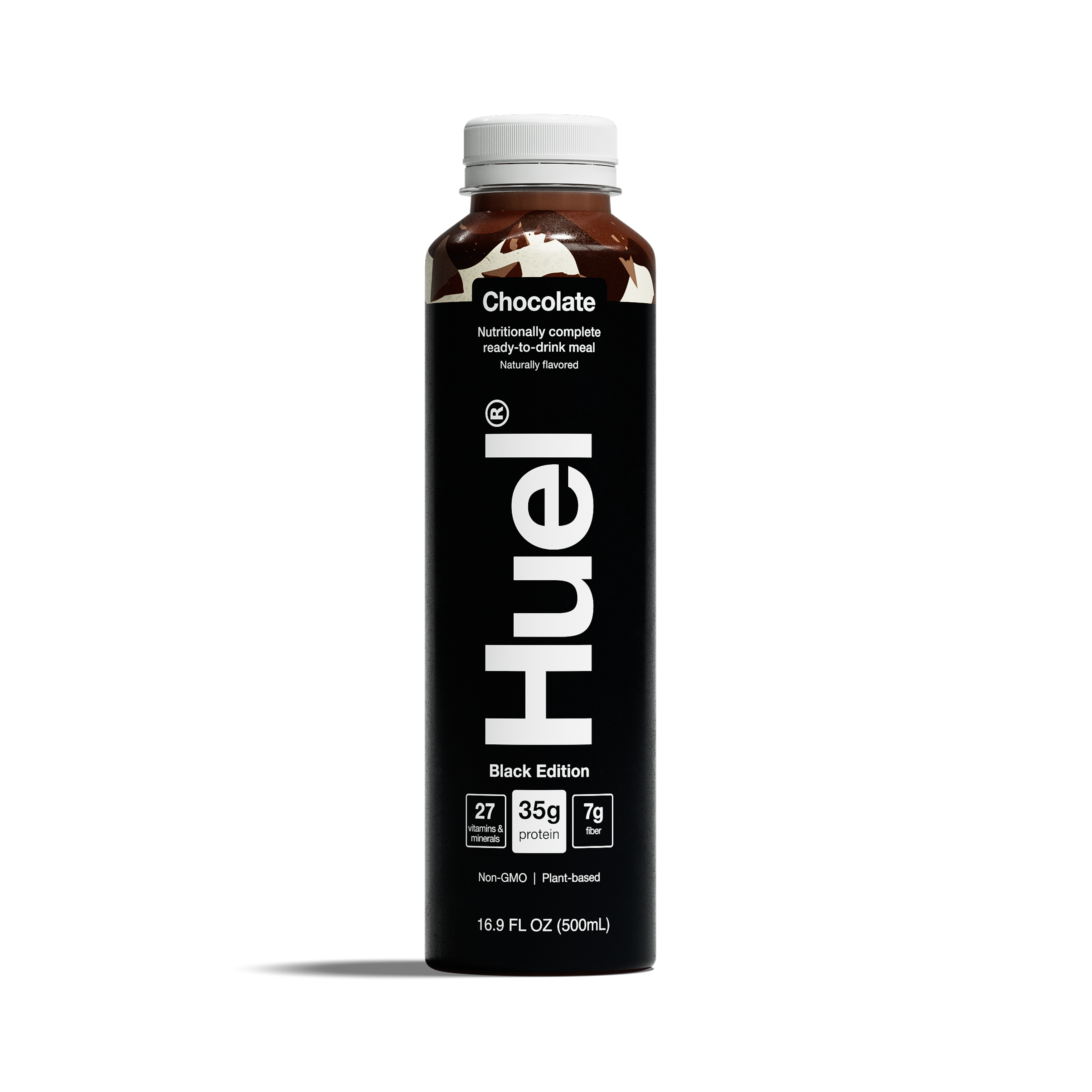

Black Edition Ready-to-drink
High-protein meal shakes
35g protein
400 cal per bottle

Fiber is famously good for your gut, but if you've ever felt uncomfortably bloated after a high-fiber meal, you're not alone. Many people wonder whether fiber helps with bloating or causes it in the first place. The answer, as with most things in nutrition, depends on context.
TL;DR: Fiber can both relieve and worsen bloating, depending on the type, the amount, and how quickly you increase your intake. Gradual changes, the right fiber mix, and good hydration make a significant difference, especially if you have a sensitive gut.
Fiber is the indigestible part of plant foods. It plays a central role in gut health, regularity, and reducing the long-term risk of chronic disease — but not all fiber behaves the same way in your digestive system.
Soluble fiber dissolves in water to form a gel-like substance. Found in oats, beans, apples, and carrots, it's readily fermented by gut bacteria, which supports certain aspects of health but can also produce more gas as a byproduct.
Insoluble fiber passes through the gut largely intact. Found in whole grains, nuts, and seeds, it bulks up stool and speeds up transit time, generally causing less gas than its soluble counterpart.
Understanding this distinction matters because the type of fiber you eat has a direct bearing on how your gut responds.
When fiber reaches the large intestine, gut bacteria ferment it. This produces short-chain fatty acids, which benefit gut health, alongside gases including hydrogen, methane, and carbon dioxide. These gases are the primary reason fiber can cause that familiar bloated, uncomfortable feeling, particularly when your gut microbiome isn't accustomed to a sudden change in intake.
Yes, and it's more common than people realize. Bloating from a high-fiber diet tends to occur when you consume more than your gut is adapted to, or when you're particularly sensitive to certain types of fiber.
Most US adults fall short of the USDA-recommended 25-38g of fiber per day, averaging closer to 16g. Jumping from a low intake to a high one in a short space of time can overwhelm your digestive system. Common culprits include beans, lentils, whole grains, and brassica vegetables like broccoli and cabbage. The gut simply needs time to adapt.
Fermentable soluble fibers are the main drivers of gas. Gut bacteria break them down enthusiastically, producing gas as a natural byproduct. For many people this causes mild, temporary discomfort that resolves as the gut adjusts. For those with more sensitive digestive systems, the experience can be considerably more pronounced.
People with IBS, IBD, or coeliac disease often find that bloating worsens with higher fiber intake. Fermentable fibers known as FODMAPs — found in onions, garlic, beans, and some fruits — are particularly likely to trigger symptoms in these groups. Managing fiber intake with a condition like IBS usually requires a tailored approach, ideally with input from a registered dietitian.

The relationship cuts both ways, and which direction it goes depends largely on the individual and the cause of their bloating.
If bloating stems from constipation, increasing fiber can genuinely help. Gentle soluble fiber sources such as oats, linseed, kiwi, and oranges soften stools and encourage more regular bowel movements, which reduces the build-up that contributes to bloating. Even modest increases of around 7g per day have been shown to meaningfully support gut function and reduce chronic disease risk.
For others, those same gentle fibers are enthusiastically fermented by gut bacteria, producing more gas and worsening bloating. Individual variation is significant here. Your gut microbiome, your baseline diet, how quickly you increase your intake, and what else you eat alongside high-fiber foods all influence your response. Data from the OmniHeart Trial found that 33% of participants reported bloating on a protein-rich, high-fiber diet, compared to 24% on a carbohydrate-rich version — a reminder that the wider dietary context matters too.
For most people, the discomfort of increasing fiber is temporary. Gas and bloating typically ease over a few weeks as the gut microbiome adapts. The goal is to find a level that supports digestive regularity without causing persistent discomfort. For those with a sensitive gut, working with a dietitian can make this process considerably easier.
Avoid going from 10g to 30g of fiber in a matter of days. Instead, add one extra portion of fiber-rich food every few days and monitor how you feel. A practical approach: swap white bread for wholegrain one week, then introduce a portion of beans or lentils the following week.
Fiber works best when it has water to move through the gut. Aim for around 6 to 8 cups of fluid per day, increasing this as your fiber intake rises. Regular physical activity also supports digestion — even a daily walk can make a noticeable difference to bloating and bowel regularity.
If you're sensitive, start with lower-gas options like oats, peeled fruits, and sweet potatoes before moving on to beans, cabbage, or wheat bran. For those who want a convenient way to moderate their fiber intake while keeping nutrition balanced, options like Huel Black Edition Ready-to-drink offer a nutritionally complete meal with a measured fiber content, which can be useful when you're actively monitoring your tolerance.
Everyone's gut is different. Keep note of which foods trigger symptoms and don't feel compelled to push through significant discomfort. If your symptoms are severe or aren't improving after several weeks of gradual adjustment, speak to your GP or a registered dietitian.
Most fiber-related bloating settles within a few weeks. However, some symptoms warrant prompt medical attention.
Speak to a GP if you experience any of the following:
These can be signs of an underlying condition that needs investigation beyond dietary adjustment.
Can too much fiber make you bloated? Yes. Eating too much fiber, or increasing your intake too quickly, is one of the most common causes of bloating. Your gut microbiome needs time to adapt to higher fiber loads. Introducing changes gradually over several weeks gives your digestive system the best chance of adjusting without discomfort.
Which types of fiber cause the most bloating? Fermentable soluble fibers found in beans, lentils, onions, garlic, and certain fruits tend to cause the most gas, particularly in people with sensitive guts. These fibers are rapidly broken down by gut bacteria, producing more gas as a byproduct.
Does fiber reduce bloating for everyone? No. Fiber can help relieve bloating when the underlying cause is constipation, but for people with IBS, IBD, or intolerances to fermentable fibers, increasing intake may actually worsen symptoms. The right approach depends on the individual.
Why does fiber cause gas? Gut microbes ferment fiber in the large intestine, producing gas — primarily hydrogen, methane, and carbon dioxide — as a natural byproduct. This process also generates short-chain fatty acids that benefit gut health, so some gas is a normal and even positive sign of a functioning microbiome.
How can I increase fiber without getting bloated? Increase intake gradually, drink plenty of water, stay physically active, and experiment with different fiber sources to identify which your gut tolerates best. Starting with lower-fermentability options like oats and peeled fruits tends to cause less disruption than jumping straight to beans or brassicas.
Can fiber supplements cause bloating? Yes. Supplements such as inulin and psyllium husk can cause bloating just as whole food sources can, particularly if introduced too quickly. Treat them with the same gradual approach you would apply to dietary fiber, and check in with a healthcare professional if you're unsure about the right amount for your needs.
When should I see a doctor for bloating? If bloating persists beyond a few weeks despite dietary adjustments, or if you experience red flag symptoms such as unexplained weight loss, blood in your stool, or significant ongoing pain, consult your GP. A registered dietitian can also provide personalized guidance if fiber management is proving difficult.
Edited by The Digest team