🔥 Bestseller
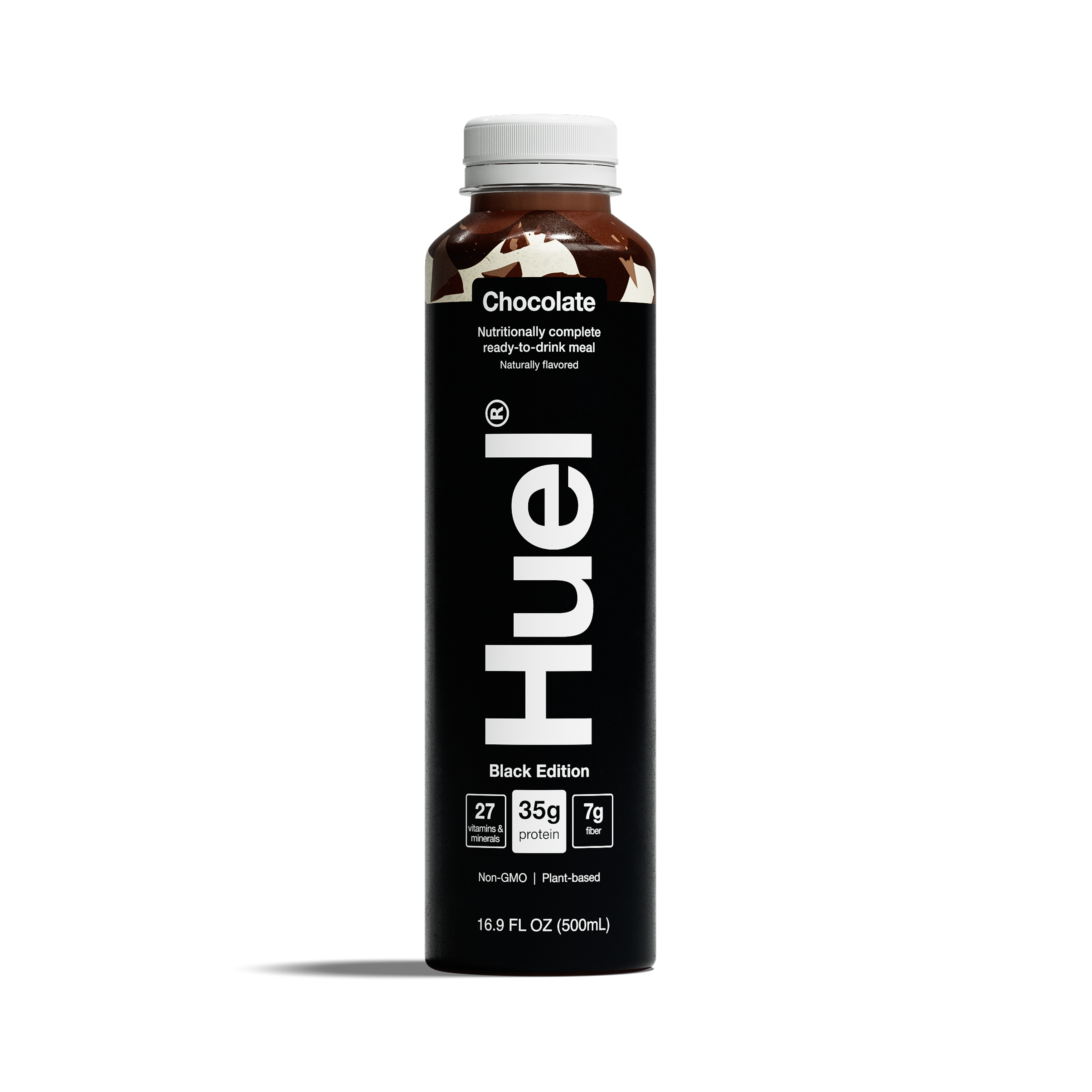

Black Edition Ready-to-drink
High-protein meal shakes
35g protein
400 cal per bottle

Exercise burnout is more common than you might think. One writer talks through her experiences - and how she reset her relationship with training.
I loved the gym.
I was a member of a big chain, which meant I could go to the one near my flat at weekends, and one near my work on weekdays.
And I went a lot. In my membership app, I can still look back at my monthly stats—most weeks I’d check in at least six times. Sometimes, I’d go twice in a day (a bit of cardio at lunch near my office, then some weights when I got home at my local).
I always liked exercise, but really got into it in a big way after the pandemic (which coincided with me getting my first job in the city). For a couple of years, I was your classic gym rat.
But then something strange started to happen in early 2025. I’d be getting ready for my work out, pulling my gear on, but then get this super negative feeling. It might sound melodramatic, but it was kind of like dread.
All of a sudden, the idea of going to the gym stopped being something I looked forward to. Instead, I found myself almost repulsed by the sound and smell of the place, the routine of getting ready, even the sight of the entryway!
Like anyone who trains often, I’d had days before where I just didn’t fancy hitting the gym. Usually, I could give myself a pep talk, remind myself of my fitness goals, and get myself in the mood.
But this was different.
Not only did the idea of going to the gym feel like a turn off, but I was also experiencing several other symptoms that, I later learned, were classic signs of over-exercise:
When I did a bit of research about my symptoms, I was kind of shocked. I’d spent my whole life believing that exercise was just a good thing. To be honest, it hadn’t crossed my mind that you could do too much. Anyway, I wasn’t some kind of ultra runner doing 200 miles a week.
While overexercise hasn’t been studied that much, it turns out that it does exist. Not only does it leave you feeling worn out, but research also shows that heavy exercisers tend to have worse mental health than those who train more gently.
I learnt all this a bit later. But at the time, I really felt pretty bad about myself.
While I’m generally a positive person, I had that little voice in my ear telling me I was just being lazy, that I was taking the easy way out.
I started to feel like a bit of a failure, too. Why couldn’t I just keep training, like all the other people at the gym?
And being a gym-goer was a big part of who I was. I was friendly with other regulars and knew the staff. I’d train with mates. It was how I spent my free time. Suddenly, it felt like I’d stopped being me.
Although I was feeling down about stopping training, I recognised I needed to do something.
So, I decided to take a week off and go ‘cold turkey’.
I’ll be honest—I did feel a bit uncomfortable about doing this. I’d barely gone more than a couple of days without putting on a workout set, so what would happen if I took a whole seven days away?
Would I suddenly lose my stamina and strength? Was I about to become a couch potato? Obviously, I knew enough about fitness to realise that a few days of rest wasn’t going to have any serious impact. Yet I was still kind of worried about the effects.
As it turns out, it was one of the best things I’ve ever done for my fitness.
In that week off training, I really took the time to reflect on my exercise habit. I read, listened to podcasts, and did a bit of journaling too.
By learning and reflecting, I came to realise:
At the end of my week off the gym, I decided to extend my time of rest for another seven days. And in that time, I decided to reset my relationship with working out.
Holistic focus: Fitness as a way of life

Since I took those two weeks off, my fitness routine—and my whole relationship with exercise—has changed pretty dramatically.
And I have to say…I feel a lot better.
So, what did I do that was different?
Rest days after training are so important. They give your body the time to recover, rebuild muscle, and clear inflammation. Previously, I was really burning the candle at both ends, and my body was paying the price.
I committed to a minimum of two complete rest days per week (usually Monday and Friday), and I often have a third.
The result? I feel more excited about training, and more energised when I get there. The other positive thing is that my body feels much less tired and achy, too.
I’m also just gentler on myself. No longer do I tell myself I’m failing if I’m not hitting a certain number of reps or running a specific distance on the treadmill. I still like going hard, but I let myself off if I sometimes have an easier session.
Don’t get me wrong, I still really enjoy the gym. There’s nothing like those power sessions where your muscles are quivering and there’s that lactic burn. I still love that.
But I decided I was also going to try and mix it up with some new ways of exercising too.
Where I live, there’s a company that puts on group sports activities for beginners. You can sign up for different clubs and get a taster for different events. In the past nine months, I’ve done:
I have ended up falling in love with volleyball, and have progressed from the beginners’ group to an intermediate team.
And the best thing? It’s super social. I’ve met a bunch of other people like me—many of whom are new to the city. After the games, there are social events, and some of us are now meeting up for volleyball training in the park on weekends.
Related: How to find the right workout routine for you
I’ve also become a lot more interested in nutrition this year. I’ve listened to a lot more podcasts about healthy eating, and it’s changed my relationship with food.
Before, I was all about downing a protein shake after a workout and eating a lot of grilled chicken.
Now, I’m trying to cook with whole foods more and eat more plant-based protein. And on days when I don’t have time to cook, I make sure the snacks, drinks, or shakes I consume are actually going to support a healthy, balanced diet.
You might like: How to get back into fitness after a break
I still get a kick out of gym training, and I can’t see myself ever completely stopping. I enjoy the routine, the thrill of pushing myself, and how it makes me feel.
But after experiencing exercise burnout symptoms, it’s clear to me that there’s more to life than just grinding away, lifting weights, or doing cardio for the sake of it.
Now, through volleyball and taking more time to rest, I’m getting a lot more enjoyment out of sport, I’ve made new friends, and have a more relaxed attitude to training too. While recovering from burnout was tough, it’s been a massive positive for me overall. I’ve learned a lot about myself on the way and developed a healthier, happier relationship with training, my body and my diet.
Words by Lauren Williams