🔥 Bestseller
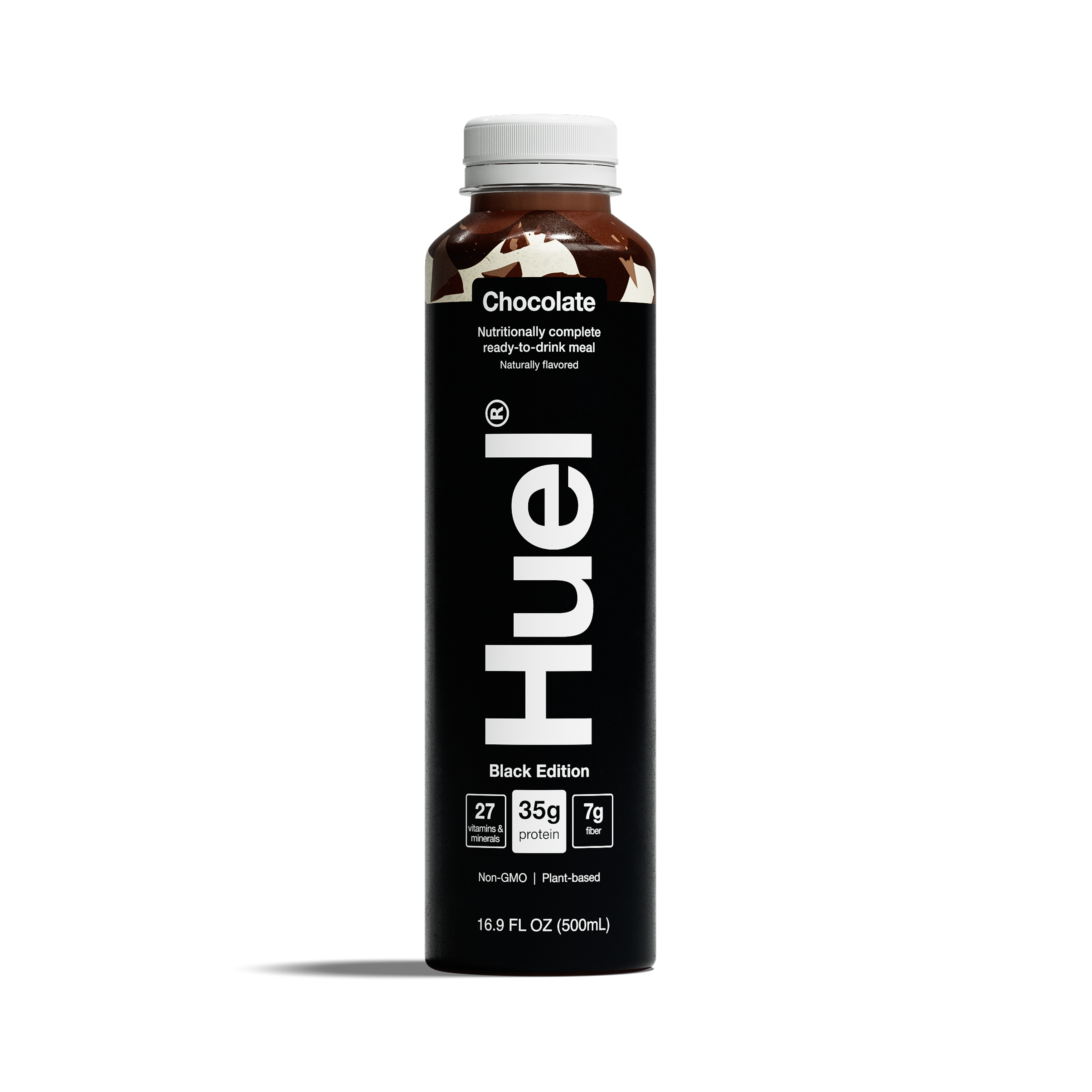

Black Edition Ready-to-drink
High-protein meal shakes
35g protein
400 cal per bottle

According to the USDA, which administers and manages organic certifications, “Organic products must be produced using agricultural production practices that foster resource cycling, promote ecological balance, maintain and improve soil and water quality, minimize the use of synthetic materials, and conserve biodiversity”.
There are a variety of different organic certifications and labeling that products can have, each with its own definitions:
In order to get these certifications, farms have to adopt all the organic certification required practices and then undergo regular reviews and inspections. They also pay legal fees, application fees, and inspection fees to obtain and maintain the organic certification.
Not necessarily. The organic label does not necessarily mean the product is inherently higher quality, and it can be an inaccessible option when it comes to cost to bother the producers and the consumer. Smaller farmers often do not have the resources to get organic certifications, even if their products are produced responsibly. For farms that do have the means to have organic certifications, they charge more for the produce to keep up with the financial requirements.
Non-organic foods do not differ in their nutrient content compared to their organic counterparts. This was confirmed by a review conducted by Stanford University that looked at over 200 studies, which concluded that according to the data, there were “little significant differences” when it comes to the nutrient content and overall health benefit when it comes to organic vs non-organic options.

When people hear that non-organic vegetables are “dangerous,” this can lead to a reduced vegetable intake altogether, which is not ideal, especially given the fact that most people are not getting enough vegetables and fruits in their diet. The vast majority of adults in the United States are not eating enough fruits and vegetables. The daily recommended amounts for healthy adults are 1.5 to 2 cup-equivalents of fruits and 2–3 cup-equivalents of vegetables. Only 10% of the adults are meeting their requirements for vegetable intake, and about 12% meeting requirements for fruit intake.
Thankfully, choosing a conventional vegetable or fruit over an organic one will not have a significant impact on your health, so you can opt for what fits best into your budget and preferences. This study looked at the “dirty dozen”, which is produce that is at the highest risk for pesticide residue. It includes foods such as cherries, celery, peaches, berries, spinach, kale, apples, peppers, etc. It found that these products pose “negligible risk for consumers” and that choosing organic forms of the dirty dozen did not result in a valuable reduction in risk.
What is most important is selecting a variety of fruits and vegetables that you can afford, enjoy, and eat plenty of.
TL;DR Non-organic vegetables/fruit are much better options than no fruits and vegetables. Organic may provide some benefits, like ensuring certain environmental practices are followed, but they are significantly better for your health.
Words by Madeline Peck RDN, CDN, Huel nutrition team