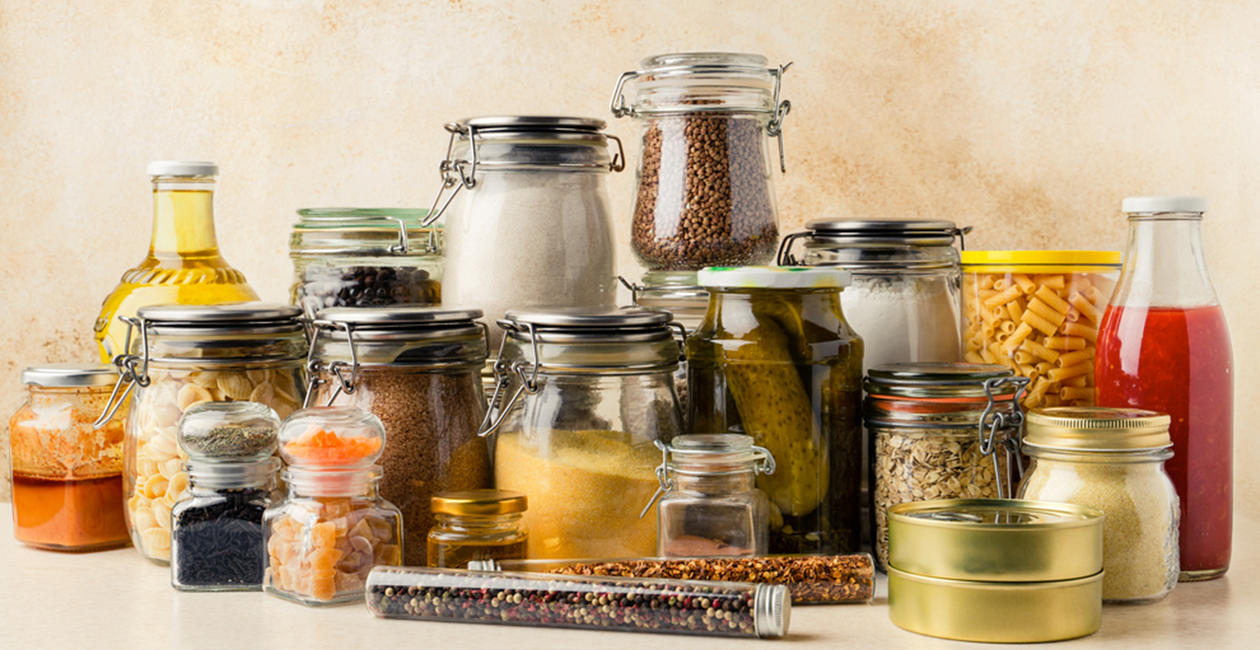
Trying to decide between meal replacements and meal prepping? You’re not alone. We took a look at the pros and cons of each.
If you’re low on time but still want to eat healthy and nutritious food, meal replacements and meal prepping are both excellent options. Both are smart ways to eat nutritious food without cooking from scratch every day — and both can save you from expensive takeaways or soggy supermarket meal deals.
But which one fits your lifestyle? Below, we break down the pros and cons of each approach so you can make an informed decision.
At Huel, we’re obviously big believers in nutritionally complete meal replacements — but we’re also huge supporters of meal prepping. As James Collier, our co-founder, told The Guardian:
“I really encourage people to prepare food together and eat with other people, but people can’t always do that”.
In other words: there’s no one “right” method. There’s just what works for you, your routine, and your goals.
Let’s get into it.
Meal Replacements vs Meal Prepping: Pros & Cons
Meal replacements overview
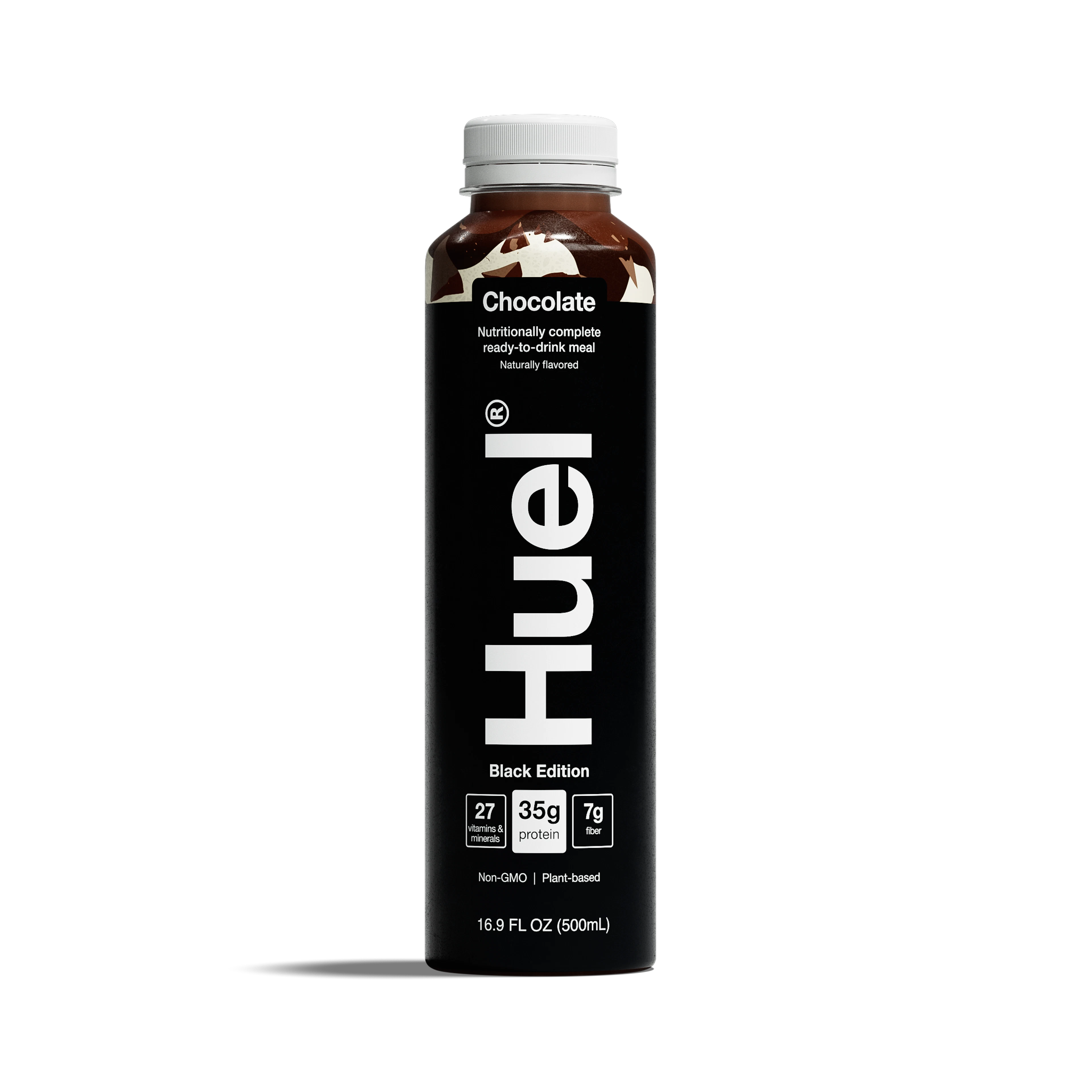
A meal replacement is a drink, powder, or bar designed to replace a full meal or snack. The keyword here: designed. A proper meal replacement should be nutritionally complete — meaning it includes a balance of protein, essential fats, carbohydrates, fibre, and all essential vitamins and minerals.
It’s worth doing a little homework:
- Many people confuse protein shakes with meal replacements (they’re not the same — protein shakes aren’t nutritionally complete).
- Some meal replacement products contain lots of sugar or low-quality ingredients.
- Always check that the macros and micros are covered.
Huel powders and meals are formulated by nutrition experts to be fully nutritionally complete, which means you won’t miss out on major food groups or essential micronutrients.
Pros of meal replacements
Here are the big advantages of meal replacement shakes:
- Speed and convenience: Powder shakes are one of the fastest ways to eat a complete meal. Add water, shake for 20 seconds, done.
- Virtually no prep or cleaning: One shaker. That’s it.
- Easy to track macros and calories: Whether you’re training for some kind of sporting event, hoping to gain or lose weight, want to manage a health condition, or need to track your intake for any other reason, meal replacement shakes let you know precisely how much you’ve consumed. You don’t need a set of weighing scales or need to add up individual foods. Every serving is pre-measured and consistent.
- Can support weight loss goals: Studies show meal replacements can play a helpful role in structured weight-management plans. Huel isn’t a weight-loss product, but many people use it as part of their personal strategy.
- Huge flavour variety: From vanilla to salted caramel to berry blends — and even unflavoured options — you won’t get bored. With Huel, our range includes everything from vanilla to cinnamon swirl to banana or salted caramel, and much more.
- Low cost per meal: Meal replacement shakes are often very inexpensive. For example, our original Powder works out at just £1.59 per meal — far less than lunch deals in most supermarkets.
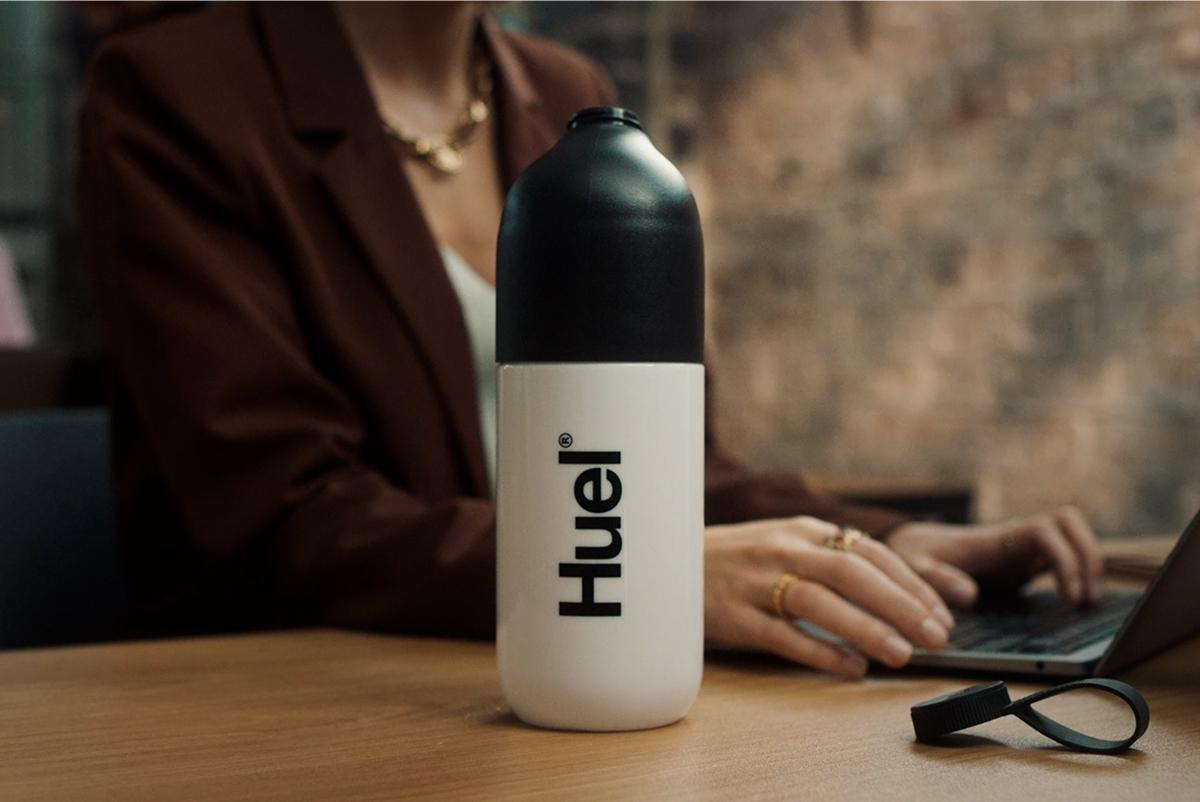
- Lightweight and portable: Meal replacement powders are light and easy to transport. Whether you’re commuting to work or heading off on a hike, you only need to carry a couple of scoops of powder with you, then mix with water when you’re ready to eat.
- Long shelf life and easy storage: Resealable bags keep powders fresh for months.
- Practically odourless: Don’t want to fill the office kitchen, train carriage, or bus with the smell of your lunch? Meal replacement shakes are a great option for shared spaces.
- Minimal food waste: With powders like Huel, you use exactly what you need, so you don’t need to worry about food waste (as long as you use all the powder within the use-by date).
Cons of meal replacements
While we believe meal replacements are a great option, they’re not always right for everyone.
- Less sensory variety: While the texture of meal replacement shakes has improved a lot in recent years, they still can’t compete with whole foods. No chewing, consistent texture, same temperature. It’s not a culinary adventure.
- You need to do your homework: Not all meal replacements are nutritionally complete, so you’ll need to spend a bit more time checking that they do contain all the macros, vitamins, and minerals you need. If not, you could be missing out on essential nutrients.
- Not meant to replace every meal: It’s generally not advisable to fully replace your diet with meal replacements (unless supervised by a medical professional).
- May mean you miss the social element of eating: Sharing a meal with your partner, friends, family, or colleagues is super important. If you replaced all your meals with a shake, you’d miss out on this kind of social connection.
- Miss out on the joys of food: Food is a wonderful way to have new experiences, discover different cultures’ cuisines, and also relive nostalgic moments. Exclusively or mainly eating meal replacements would mean you miss out on that.
Meal Prepping Overview
Meal prepping involves cooking meals (or meal components) in advance and storing them for later in the week. It’s essentially batch cooking with a plan.
Many people meal-prep on Sundays, cooking several dishes that carry them through the week. When done well, it can be extremely healthy — but it does require planning to ensure variety and balanced nutrition.
Pros of meal prepping
At Huel, we are genuinely big fans of meal prepping - and we’ve written several articles and guides about how to do it. Here are the main advantages:
- You know exactly what’s in your food: Compared to takeaways or ready meals, meal prepping means you know everything that’s gone into each dish. You can avoid eating too much salt, sugar, or other ingredients you want to avoid.
- Easy portion control: Again, unlike takeaways or eating out, portion control is much easier with meal prepping. You can weigh out precisely how much of each ingredient is in each dish, and then portion the cooked food into containers of a set size.
- Much less waste: Bulk cooking tends to be less wasteful than cooking a different meal each evening. You’re less likely to be left with raw ingredients you don’t subsequently use and which end up in the bin.
- Economies of scale: When you buy food in bulk, it tends to be cheaper. Whether it’s beans, tins of chopped tomatoes, vegetables, or grains, you’ll spend less money on food in the long run (though upfront costs will be higher).
- The fun of cooking: Not everyone loves cooking. Nonetheless, it can be interesting and enjoyable to cook up large batches of food - perhaps with your partner or a flatmate.
- Variety: So long as you prepare meals that have differing tastes, textures, and flavours, then you do get more variety when meal prepping.
- Health benefits: One study found that people who plan meals are less likely to be overweight, and they also have a lower risk of certain chronic diseases. Another piece of research found that people who spend more time preparing meals tend to feel less stressed and have better mental health.
Cons of meal prepping
There are undoubtedly some drawbacks to meal prepping, too.
- Time-consuming: Shopping, chopping, cooking, cleaning…it adds up.
- Can get monotonous: Meal prepping typically involves heating and repeating the same two or three meals over a week. You may find that by the third time you’re tucking into that lentil cottage pie, you’re just a bit sick of it.
- Limited recipe types: There are, of course, millions of recipes online, yet the kinds of dishes that lend themselves to freezing and reheating tend to be slow-cooked veg/protein in a sauce (stews, chillies, curries, etc.). After a while, you might start to crave something a bit different!
- Requires safe storage: You’ll need to do a bit of research about how long certain ingredients can be stored safely. You need freezer space, airtight containers, and a working knowledge of food safety.
- Not always practical: While meal prepping works for many people, it’s not always a suitable option. Shared kitchens, small freezers, and packed schedules can make it tricky.
Meal Replacements vs. Meal Prepping: Why not both?
The truth is: you don’t have to choose.
Many people combine meal prepping and meal replacements to get the best of both worlds.
Examples:
- Meal prep dinners, use Huel for lunches — less weekly cooking, still sharing meals with loved ones.
- Meal prep most meals, keep Huel as a backup on busy days or when you want a break from leftovers.
It’s flexible, affordable, and removes a huge amount of weekday stress.
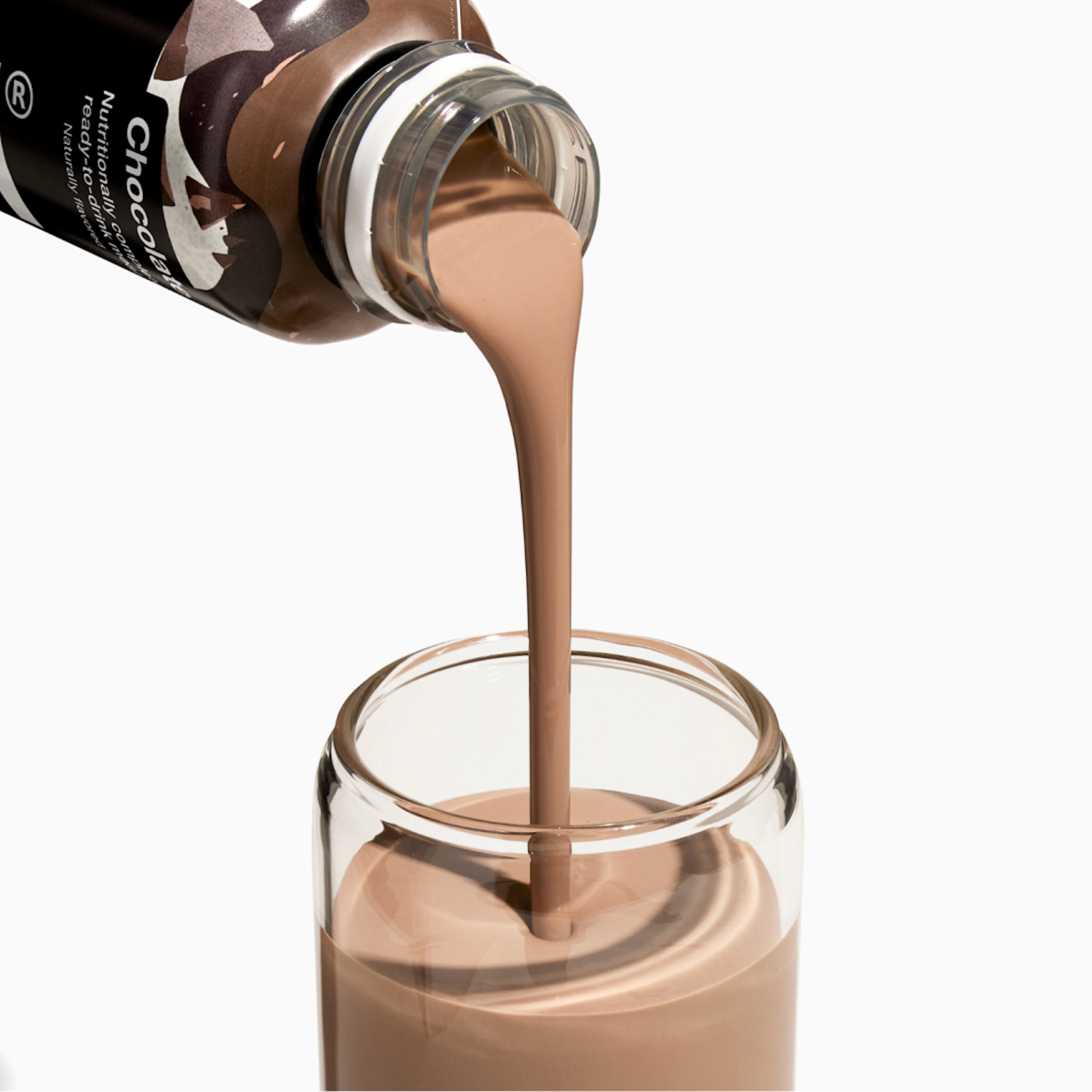
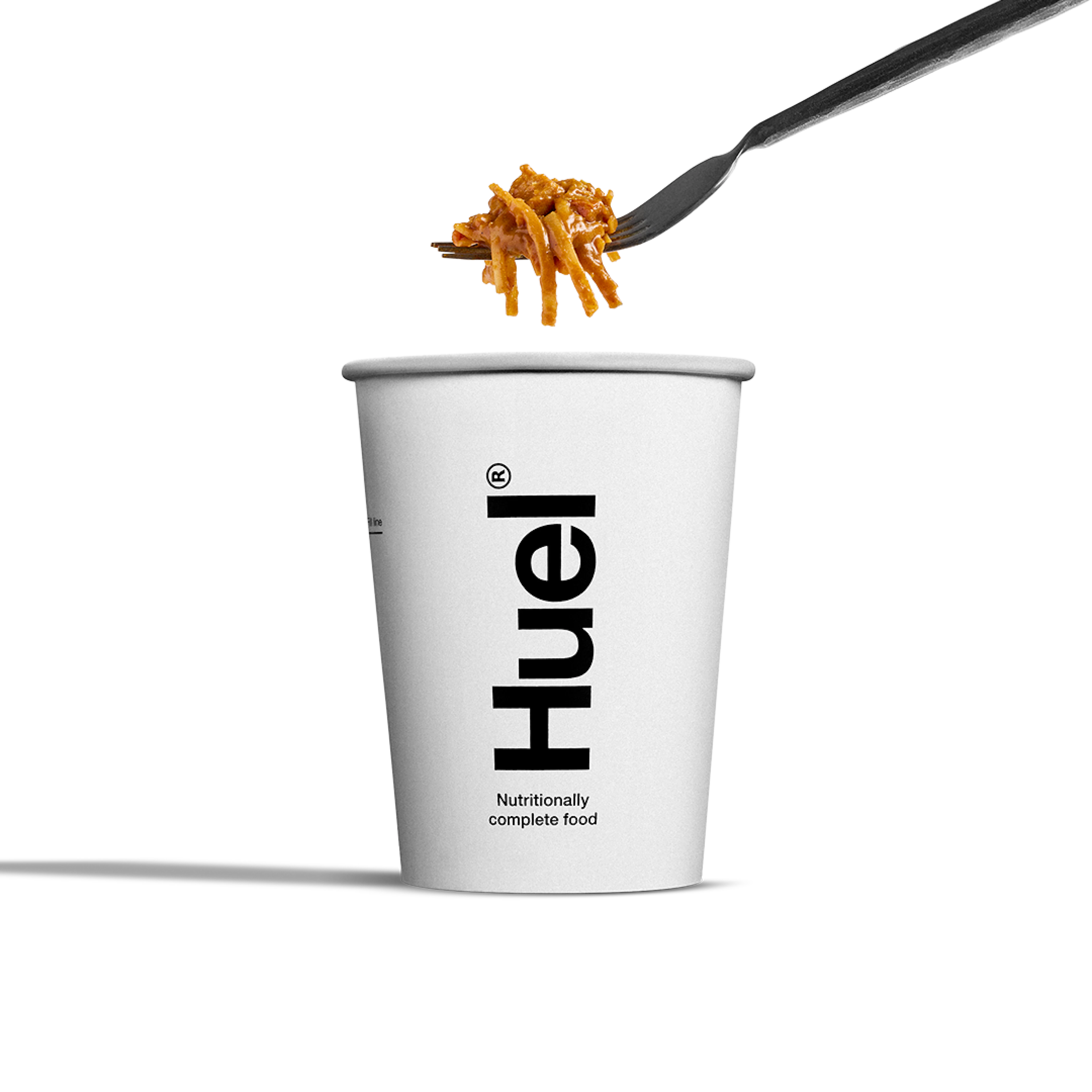
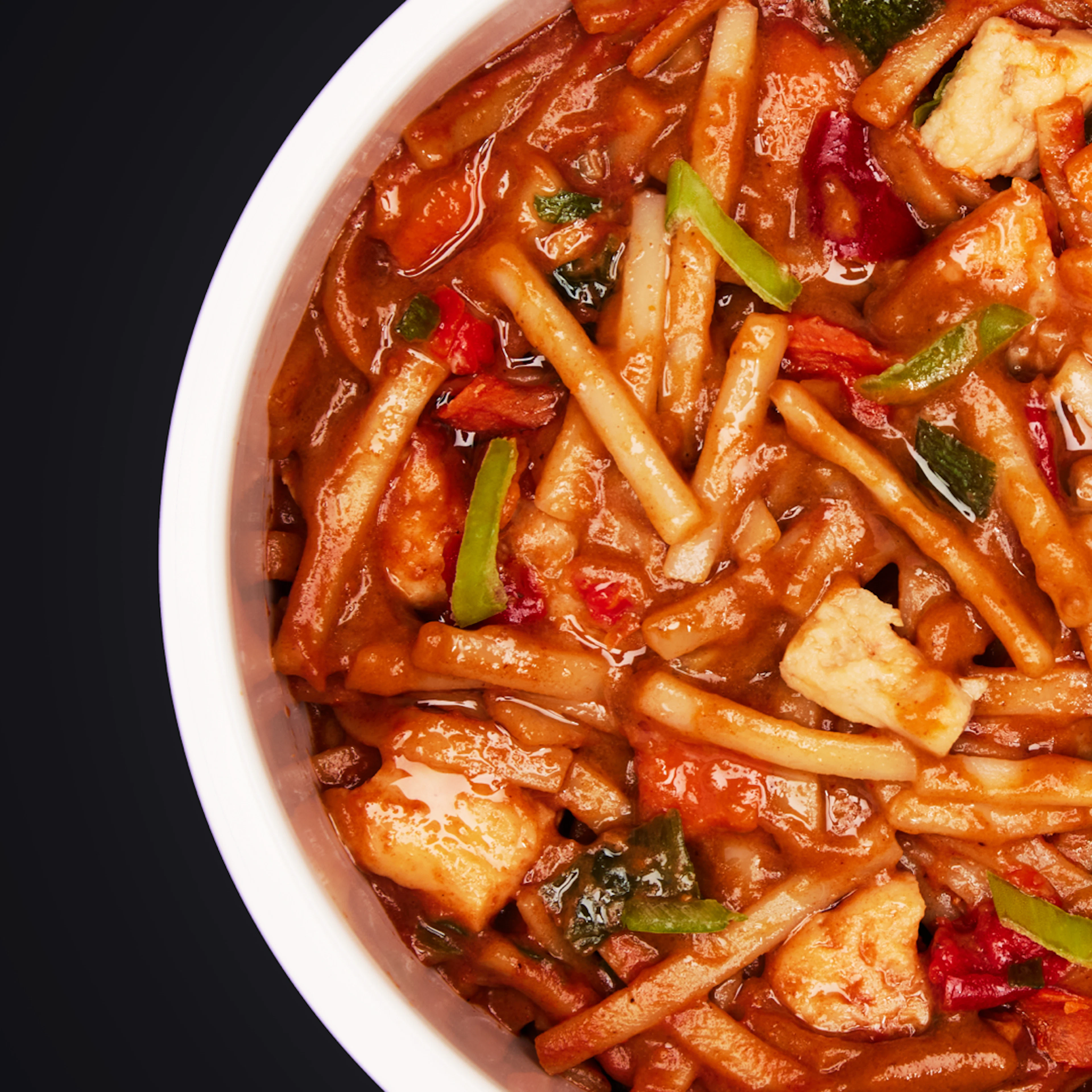
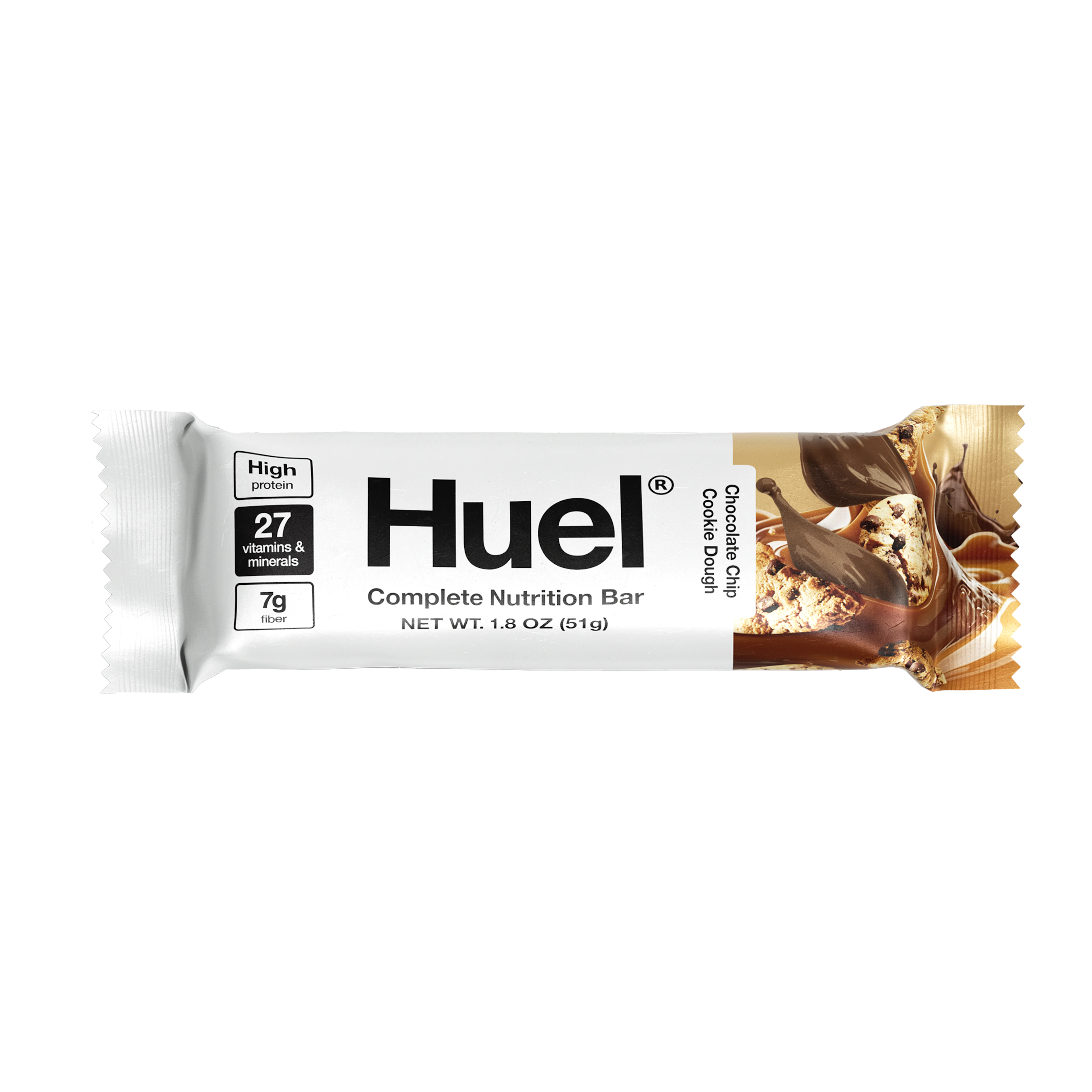
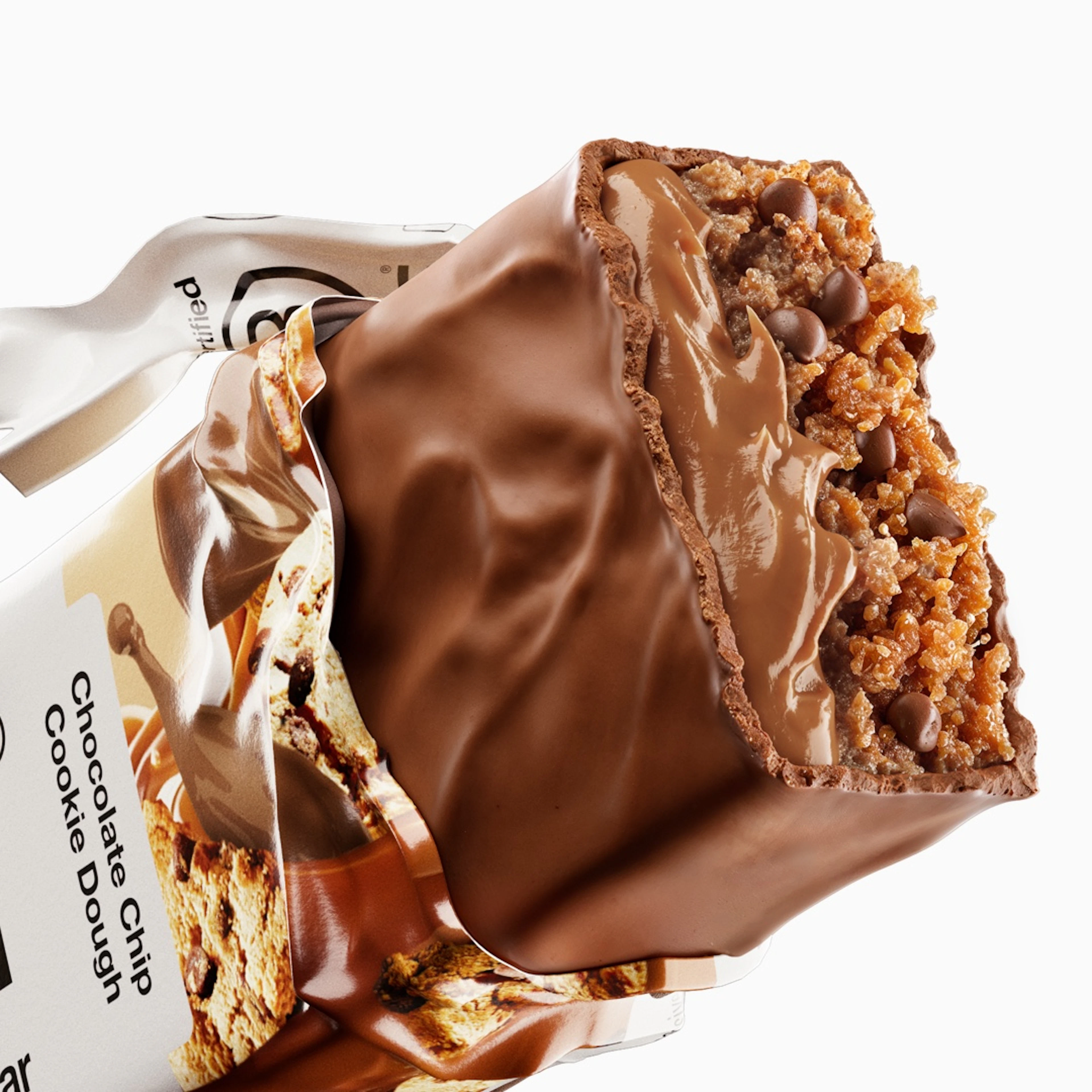
If you want to explore meal replacements, Huel is a great place to start. Our powders and Ready-to-drink meals are 100% nutritionally complete, packed with 26 essential vitamins and minerals, and available in flavours you’ll actually look forward to.
Explore Huel meal replacements today.
Frequently Asked Questions
We answer your meal replacements vs. meal prepping questions.
Which is healthier —meal prepping or meal replacements?
It depends on what you mean by ‘healthy’ and the ingredients in each. Both approaches can be very healthy, so long as you are getting balanced, nutritionally complete meals. However, they can also be unhealthy. If you drink meal replacements that are high in sugar, or prepare meals that are full of salt and fat, they wouldn’t normally count as being ‘healthy’.
Which costs less, meal replacements or meal prepping?
Generally speaking, meal replacements will cost less per meal than meal prepping. With Huel, for example, even our more premium powder meals still work out as less than £2 per meal. The only other cost is water, which is negligible. If you’re prepping all your meals, you not only need to buy the food, but must also factor in the cost of gas/electricity for cooking, and the energy used by your fridge freezer. So, even if you’re using very cheap ingredients, meal prepping will almost always work out as more expensive.
How do storage times of meal replacements and meal prepping differ?
Huel powders store safely for months. Meal-prepped meals have much shorter fridge lives (usually 2–3 days) and must follow food-safety guidance closely.

.png?auto=format&compress=true&w=3840)