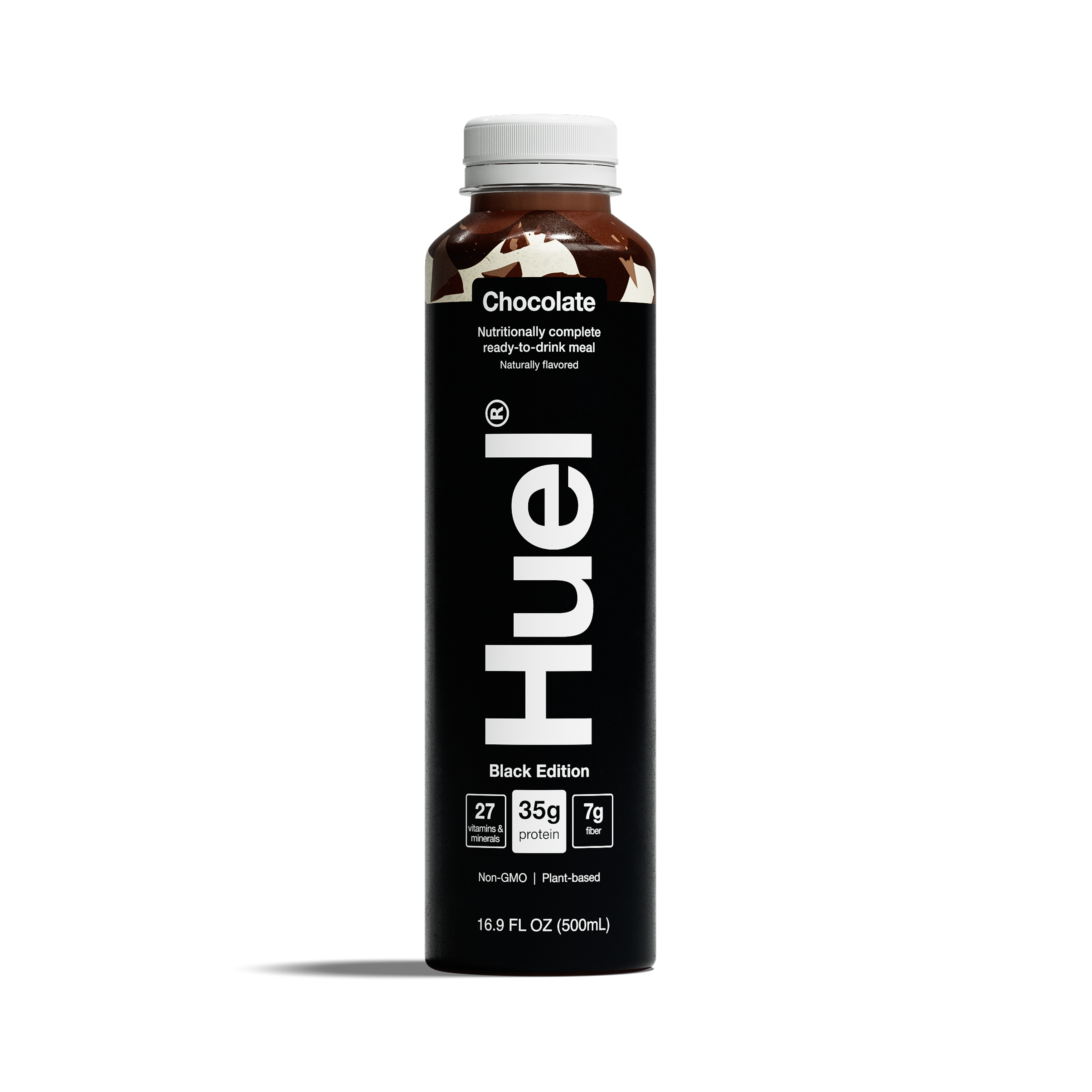

Black Edition Ready-to-drink
High-protein meal shakes
35g protein
400 cal per bottle

Why the days after Christmas are the perfect time to rest, reflect, and recalibrate.
The week between Christmas and New Year often feels like a blur. The calendar is technically full, but time moves differently. Work slows. Social plans fade. The urgency of the year loosens its grip.
It’s a strange pocket of time. Too late to belong to the old year, too early to feel like the new one has properly begun. And because it doesn’t slot neatly into our usual rhythms, we often rush to fill it — with planning, productivity, or a creeping sense that we should be doing something.
But what if the real value of this week is that it resists being filled?
Rather than treating the days after Christmas as dead time or wasted time, there’s power in letting them remain open.
Modern life rarely allows for clean transitions. We move from one phase straight into the next, carrying unfinished thoughts, stress, and fatigue with us. The end of the year is no exception. Even joyful seasons are demanding — socially, emotionally, logistically.
Without a pause, all of that momentum spills directly into January.
Research into stress recovery shows that periods of deliberate rest support emotional regulation, cognitive clarity, and long-term consistency. In simple terms, rest isn’t a reward you earn after effort — it’s part of what allows effort to be sustainable in the first place.
This quiet week offers a rare chance for your nervous system to downshift before the year asks anything new of you.
Part of what makes this week feel odd is the lack of external pressure. There are fewer emails, fewer expectations, fewer clear signals about what you should be doing.
For many people, that can feel unsettling. We’re used to momentum. We’re used to measuring days by output.
So we reach for structure quickly: new goals, fresh routines, ambitious plans. Not because they’re wrong — but because stillness can feel unfamiliar.
The temptation to optimise this week often comes from discomfort with not knowing what comes next.

It’s tempting to treat the in-between days as a planning sprint. New goals. New systems. New rules. A cleaner version of yourself, ready to deploy on January 1st.
But reflection doesn’t require immediate action.
Sometimes the most productive thing you can do is notice what the past year felt like — without trying to edit it in real time. What drained you. What quietly sustained you. Where you were forcing momentum instead of following it.
Insight comes more easily when it isn’t being rushed into a to-do list.
Instead of resolutions, try observation.
No timelines. No fixes. Just noticing.
You might ask yourself:
These questions don’t demand answers. They simply create awareness. And awareness, more than ambition, is what tends to shape meaningful change.
There’s a cultural idea that motivation has to come first — that we need to feel fired up before we can begin again.
In reality, readiness often looks quieter than that.
It can look like sleeping a little more. Eating regular meals. Taking walks without tracking them. Letting days unfold without documenting or improving them.
This kind of rest doesn’t stall progress. It creates the conditions for it.
The value of the lost week isn’t that it magically resets everything. It’s that it reminds us what it feels like to move without urgency.
January doesn’t need to begin at full speed. Momentum built from rest is steadier — and more forgiving — than momentum built from pressure.
You don’t have to decide anything yet. You don’t have to become anyone new. You just have to let the year end properly.
Before the reset, take the pause.
Edited by The Digest team