🔥 Bestseller
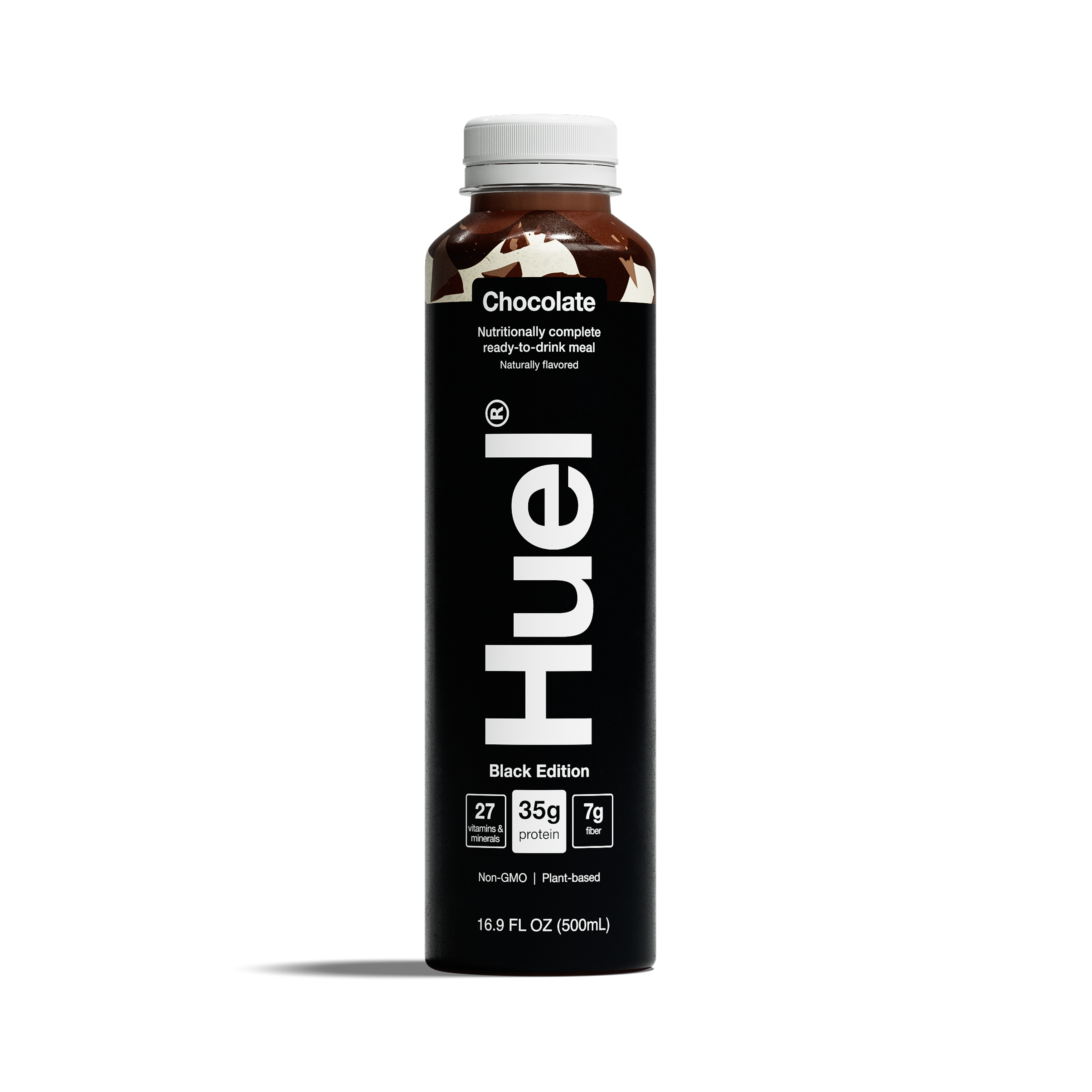

Black Edition Ready-to-drink
High-protein meal shakes
35g protein
400 cal per bottle

Protein timing has somehow become one of the most overcomplicated topics in fitness.
You’ve probably heard some version of it:
You have 30 minutes after your workout.
Miss the “anabolic window” and you’ve wasted your session.
Always drink a shake immediately.
And yet, if you ask ten coaches when to eat protein, you’ll get ten different answers.
So let’s simplify it.
If you care about muscle growth, recovery, performance — or just getting stronger and staying that way — here’s what actually matters when it comes to protein timing, protein absorption, and daily protein intake.
Spoiler: the clock isn’t as powerful as you’ve been told.
Yes — but not in the way Instagram suggests.
Protein timing refers to how you distribute protein across the day, especially around workouts, to support muscle protein synthesis (the process of building and repairing muscle tissue).
For years, the spotlight was on the “anabolic window” — the idea that you must consume protein within 30–60 minutes post-exercise to maximise gains.
More recent research paints a calmer picture.
Muscle protein synthesis is elevated for several hours after resistance training. In well-fed individuals, the window may stretch closer to 4–6 hours. That means you don’t need to sprint to your shaker bottle.
The International Society of Sports Nutrition and multiple systematic reviews consistently conclude:
Total daily protein intake is the primary driver of muscle growth and recovery. Timing plays a supporting role.
In other words: hit your daily target first. Optimise timing second.
Here’s where nuance helps.
When you eat protein, your body breaks it into amino acids. Those amino acids are used for muscle repair, hormones, immune function, enzymes — not just biceps.
Research suggests that around 0.4g/kg bodyweight per meal maximally stimulates muscle protein synthesis for most adults.
That works out to:
Eating more than that in one meal doesn’t “go to waste,” but it doesn’t further increase muscle-building in that moment either. The body will use the excess elsewhere for energy or other metabolic processes.
For older adults, the story shifts slightly. Due to something called anabolic resistance, muscles become less responsive to protein with age. That’s why guidelines often suggest aiming toward the higher end — 30–40g per meal — for healthy aging and preserving muscle mass.
If you’re wondering whether you should stress about protein before or after a workout, here’s the hierarchy:
For active adults, research generally supports 1.2–2g/kg bodyweight per day, depending on training intensity and goals.
Once that total is consistent, distributing protein across 3–6 meals or snacks appears to support muscle protein synthesis more effectively than eating very little all day and then loading up at dinner.
Think steady supply, not feast and famine.
This is the question people search most:
Should I take protein before or after exercise?
The short answer: either works.
Muscle protein synthesis increases after resistance training and remains elevated for hours. Consuming 20–40g of protein within a few hours before or after your workout covers your bases.
Meta-analyses comparing pre-workout vs post-workout protein show no meaningful difference in long-term muscle gains when total intake is matched.
So if your schedule allows:
The “window” is more like a porch than a keyhole.
One of the most underrated protein timing strategies isn’t about workouts at all. It’s about breakfast.
Many people consume minimal protein early in the day and most of it at dinner. That uneven distribution may limit opportunities to stimulate muscle protein synthesis.
A more balanced approach looks like this:
It doesn’t need to be rigid. But aiming for roughly 0.4g/kg per meal across 3–4 meals supports muscle repair more consistently than stacking everything in one sitting.
Not all training stresses the body the same way.
The focus is simple:
Post-exercise protein supports muscle repair and growth, but again, the exact minute isn’t critical.
Long-duration sessions increase muscle breakdown and energy demands. Endurance athletes may benefit from:
The fundamentals still apply: total intake first, timing second.

Another common question:
Does eating protein before bed improve recovery?
Research suggests that a pre-sleep protein snack — particularly 30–40g of a slower-digesting protein like casein — can support overnight muscle protein synthesis, especially in athletes and older adults.
It doesn’t appear to disrupt fat loss when overall calorie intake is controlled. Nor does it negatively affect sleep for most people.
If you train hard, are aiming to build muscle, or want to preserve muscle mass as you age, a protein-rich bedtime snack can be a useful addition.
If you already hit your daily target comfortably, it’s optional — not mandatory.
For vegetarians and plant-based athletes, timing becomes slightly more strategic.
Some plant proteins are lower in certain essential amino acids or are digested differently than animal-based sources. That doesn’t mean they’re inferior — it just means variety matters.
Practical tips:
If there’s one thing to avoid, it’s obsessing over micro-optimisation while ignoring fundamentals.
The most common mistakes:
Protein and exercise work best when integrated into your routine, not treated like a lab experiment.
Here’s a practical framework:
You don’t need to micromanage every gram. You need a pattern you can sustain.
Protein timing isn’t magic. It’s strategy.
If you focus on hitting your daily needs, spreading intake reasonably, and aligning protein around your training when convenient, you’re already doing 90% of what matters.
The rest is refinement — not revolution.
Edited by The Digest team