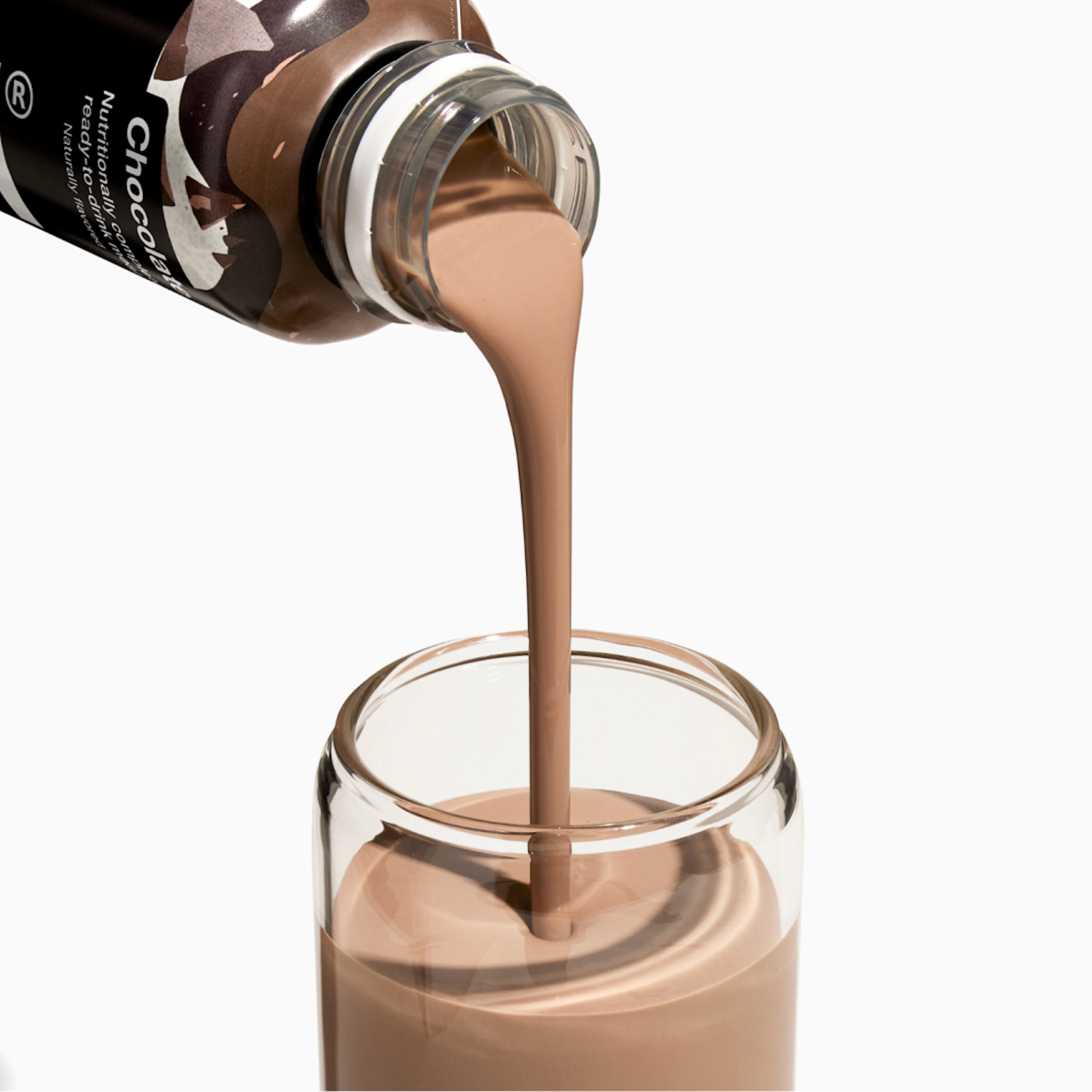
Black Edition Ready-to-drink
High-protein meal shakes
35g protein
400 cal per bottle
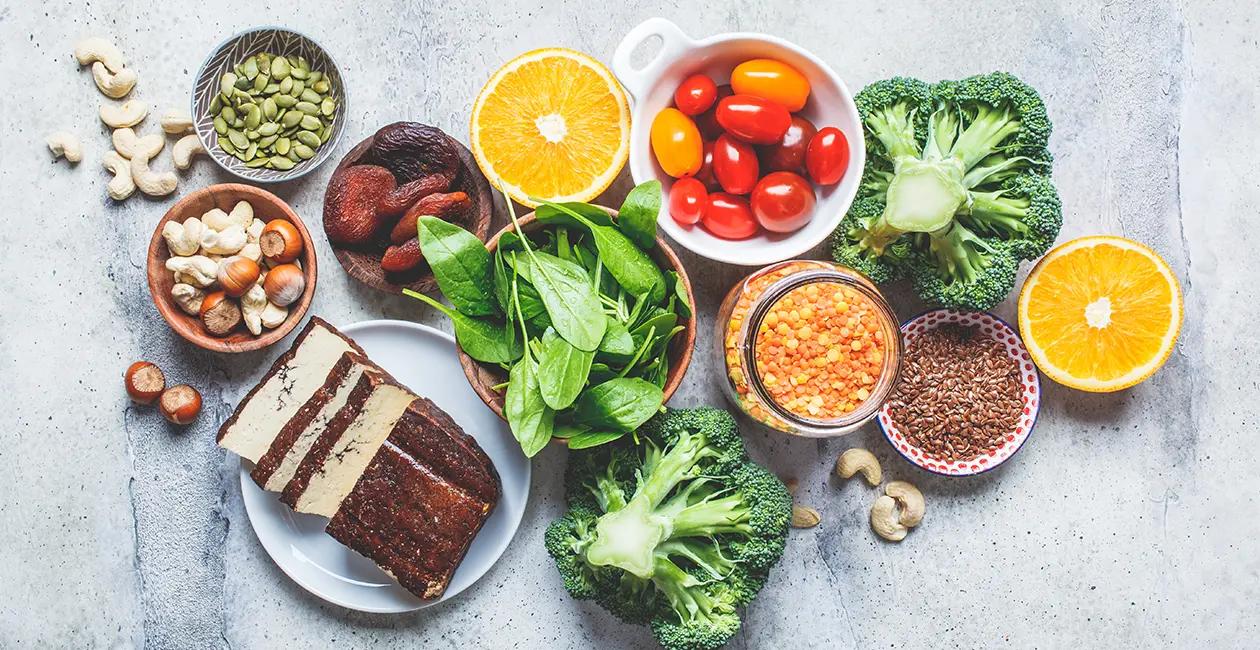
Use our nutritionist-approved healthy meal plan to set yourself up for a week of delicious eating that’s good for you, too.
A lot of people find the concept of ‘healthy eating’ confusing. Surveys consistently show that people receive mixed messages and don’t know what information they can trust.
If you want to eat more healthily, we’ve put together a healthy diet meal plan for one week that’s been approved by a Huel nutritionist.
In this article, we’ll be covering:
Before you start following a healthy diet meal plan, it’s useful to know exactly what we mean by ‘healthy eating’.
A good definition comes from this paper in the scientific journal Nutrients:
“A healthy diet is one in which macronutrients are consumed in appropriate proportions to support energetic and physiologic needs without excess intake while also providing sufficient micronutrients and hydration to meet the physiologic needs of the body”.
Let’s break this down to make it clearer.
These are the big food groups that make up the ingredients on your plate. The human body needs them all in varying proportions to stay healthy and work optimally:
These are vitamins and minerals your body gets from food. There are dozens of micronutrients, and they do a variety of things in your body. You only need them in very small quantities, but they're essential for your health and wellbeing. Some micronutrients you might have heard of include:
Eating healthily is about consuming enough food to keep your body working well, but without eating so much that you put on weight. Portion sizes depend on a lot of factors, including your age, sex, height, and activity level.
The NHS recommends that the average adult male needs 2,500 calories a day, and females need 2,000. The BBC Food website has a useful calorie calculator to help find out how many calories you personally need.
Learn more: The beginner’s guide to nutrition

There are quite a few ways you could define unhealthy eating. As with so many things in life, it’s about trying to be balanced and avoiding doing anything in excess.
Here are some of the ways you could have an unhealthy diet:
You can avoid unhealthy eating by ensuring that your meals are nutritionally complete. An easy way to do this is to follow something like the UK government’s Eatwell Guide. This provides easy-to-follow recommendations about what should be on your plate, and the most suitable proportions.
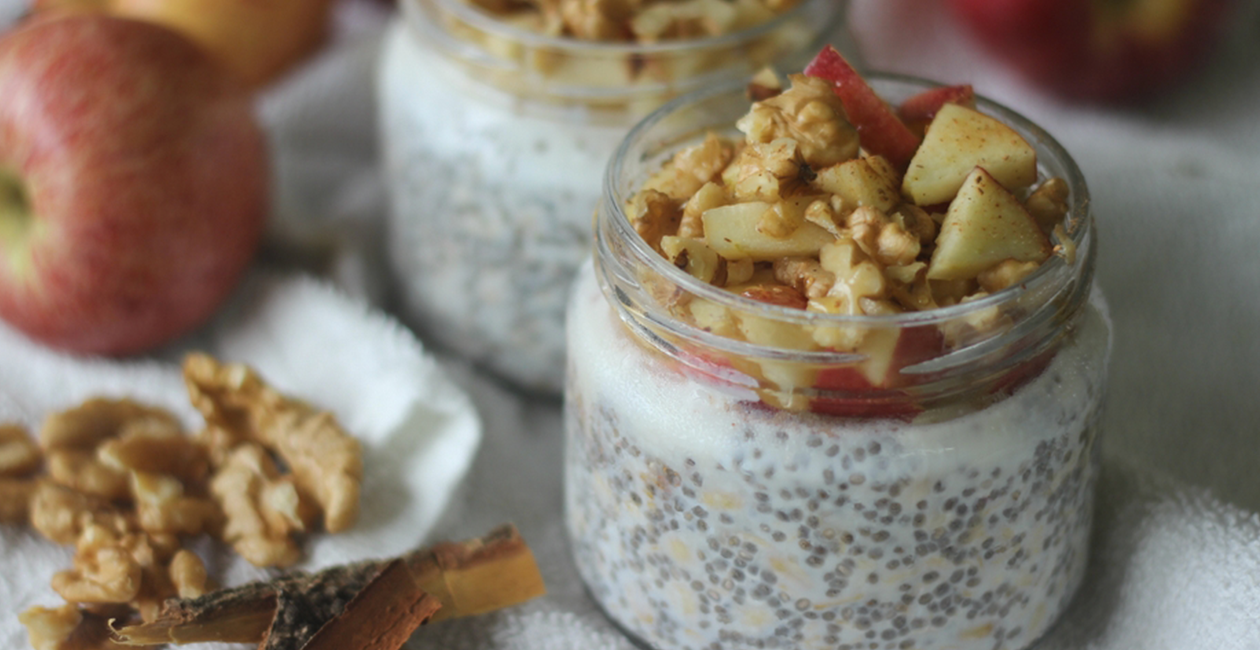
Breakfast: Overnight oats made with fortified almond milk or dairy. Slice a banana on top and sprinkle toasted almond slivers. Drink coffee/tea and a glass of water.
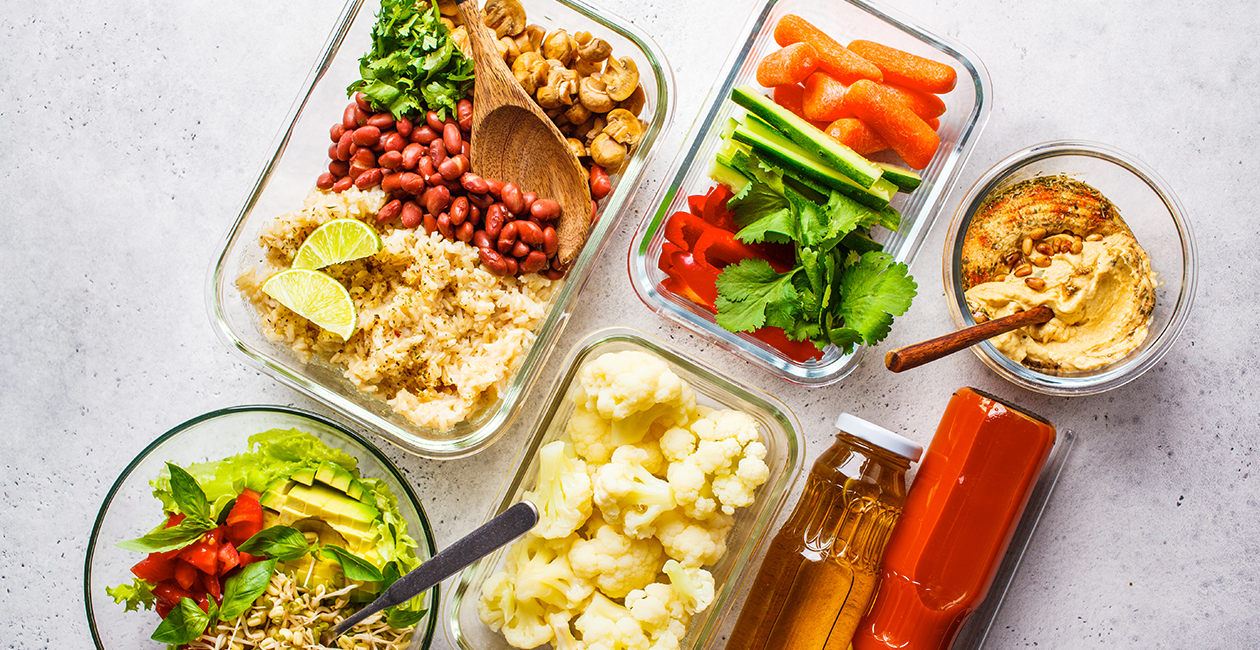
Lunch: Homemade egg sandwich with light mayo on brown wholemeal bread with a slice of lettuce. Side of hummus with carrots and cucumbers. One apple for dessert. Serve with a can of Daily A-Z Vitamins.
Snack: Huel Complete Nutrition Bar or a bag of low salt corn snacks.
Dinner: Three bean chilli, served with a dollop of Greek yoghurt, a tablespoon of grated cheddar, brown rice, and half an avocado. Side salad of lettuce and cherry tomatoes with vinaigrette. Dessert of cherries or other seasonal fruit.
Breakfast: Overnight oats made with fortified almond milk. Slice a banana on top and sprinkle toasted almond slivers. Drink coffee/tea and a glass of water.
Lunch: Use a couple of tablespoons of last night’s leftover chilli and rice to make a burrito in a wholemeal wrap. Add in half an avocado, 1 tbsp yoghurt, and a tablespoon of grated cheddar. Side of hummus with carrots and cucumbers. One apple for dessert. Serve with a can of Daily A-Z Vitamins.
Snack: Huel Complete Nutrition Bar or a bag of low salt corn snacks.
Dinner: Red lentil cottage pie. Make a side salad using lettuce, cucumber, and cherry tomatoes in vinaigrette (sprinkle mixed seeds on top for added texture and taste). Dessert of cherries or other seasonal fruit.
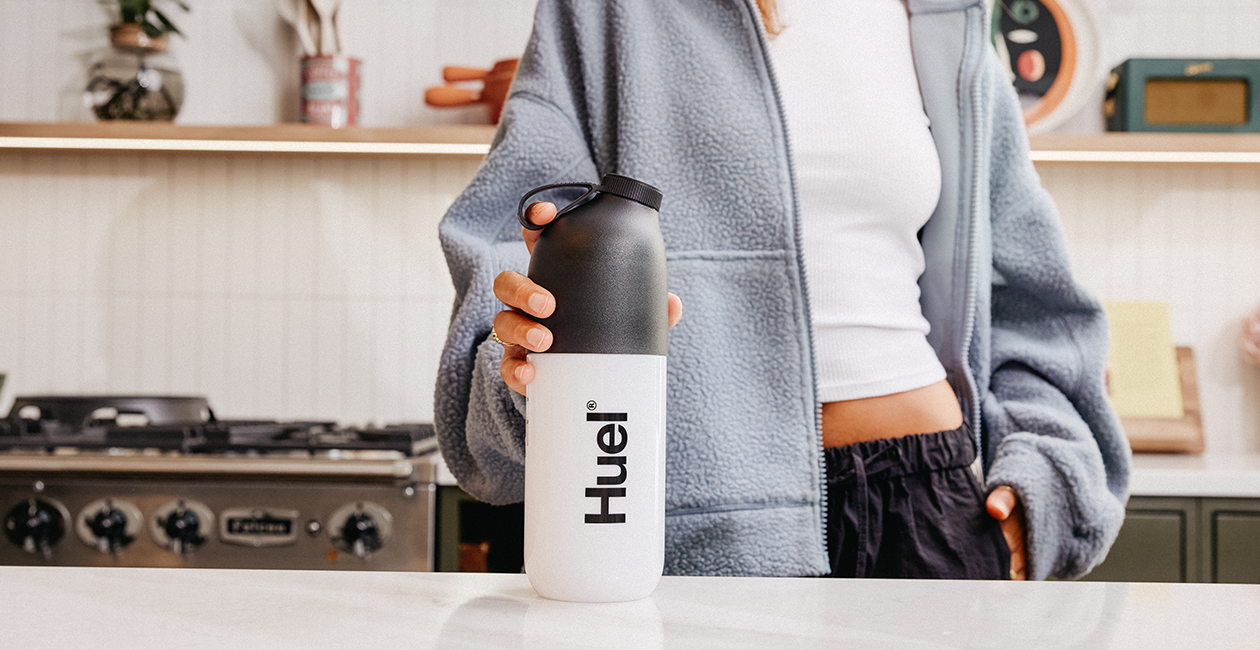
Breakfast: A Huel Powder shake, containing 30 g protein and 27 essential vitamins and minerals. Drink coffee/tea and a glass of water.
Lunch: Leftover cottage pie from last night. A side of cucumbers and carrots with hummus. A dessert of one apple. Serve with a can of Daily A-Z Vitamins.
Snack: Homemade flapjack made with oats, butter (or vegan alternative), mixed nuts and seeds, and dried fruit. Substitute sugar for maple syrup.
Dinner: Roast root veg and black bean tray bake with harissa. Side salad of lettuce and tomatoes with vinaigrette, plus seeds. Dessert of Greek yoghurt with dried fruit and 1 tsp honey.
Breakfast: A Huel Powder shake, containing 30 g protein and 27 essential vitamins and minerals. Drink coffee/tea and a glass of water.
Lunch: Make a wrap using roast veg from last night’s dinner plus 2 tbsp hummus and a lettuce leaf. Dessert of one banana. Serve with a can of Daily A-Z Vitamins.
Snack: Homemade flapjack made with oats, butter (or vegan alternative), mixed nuts and seeds, and dried fruit. Substitute sugar for maple syrup.
Dinner: Quick and easy, nutritionally complete and satisfying Huel Hot & Savoury meal (choose from Mac & Cheeze, Cajun Pasta, Thai Green Curry, and beyond). Dessert of Greek yoghurt with dried fruit and 1 tsp honey.
Breakfast: A Huel Powder shake, containing 30 g protein and 27 essential vitamins and minerals. Drink coffee/tea and a glass of water.
Lunch: Homemade egg sandwich with light mayo on brown wholemeal bread with a slice of lettuce. Side of hummus with carrots. One banana for dessert. Serve with a can of Daily A-Z Vitamins.
Snack: Huel Complete Nutrition Bar or a bag of low salt corn snacks.
Dinner: It’s Friday night, so time for a treat. Make a comforting meal of grilled veggie sausages (use the highest quality available) with mashed potatoes and peas. Dessert of cherries or other seasonal fruit.
Breakfast: Enjoy a relaxed Saturday morning, and spend a little more time making homemade porridge with oats and milk (dairy or plant-based). Serve with fresh or frozen berries, seeds, a spoonful of peanut butter, and sprinkle with mixed seeds and 1 tsp honey. Drink coffee/tea and a glass of water.
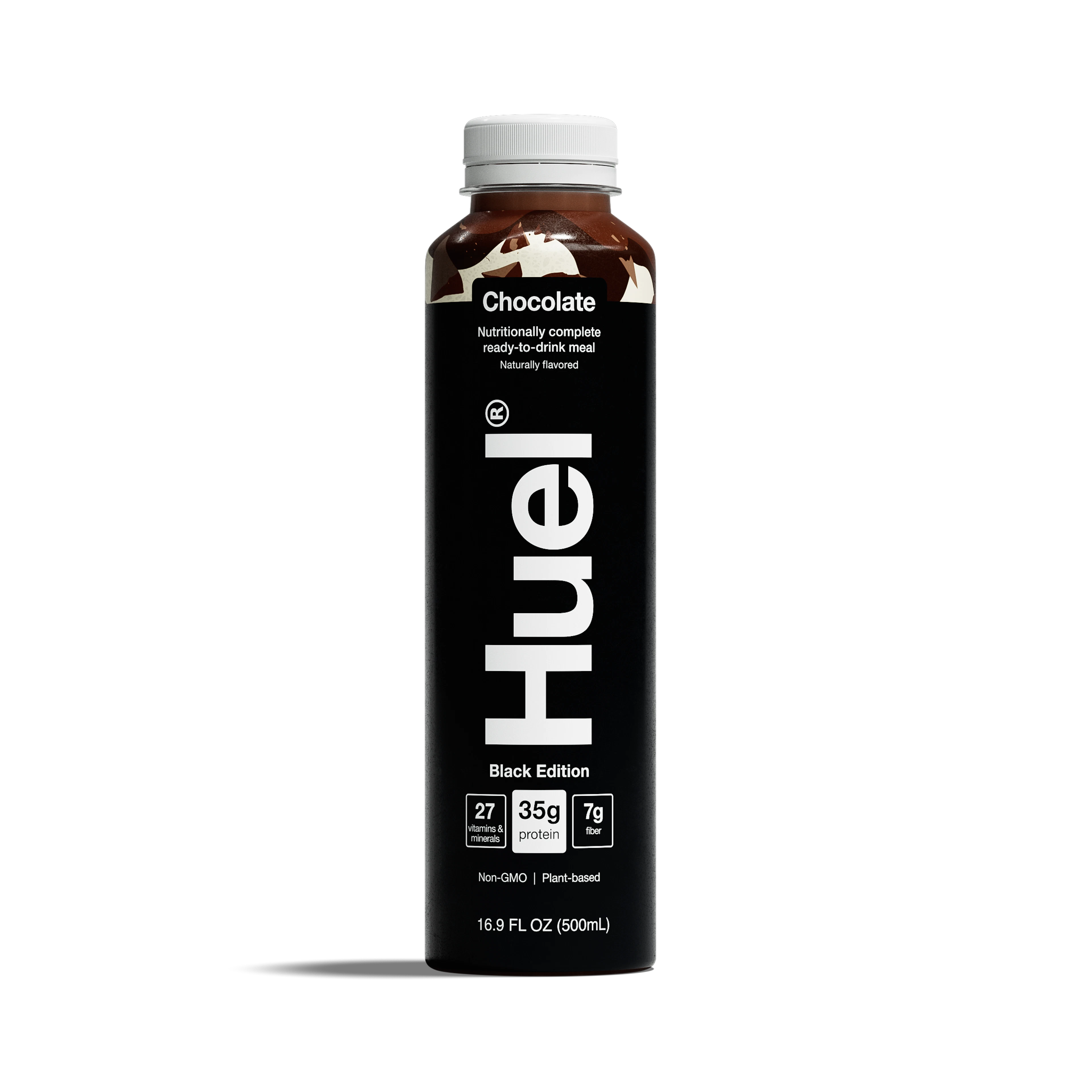
Lunch: If you’re out and about at the weekend, grab a bottle of Huel Black Edition Ready-to-drink. The delicious meal in a bottle provides all your macros, 35 g protein, 27 vitamins and minerals, and no artificial sweeteners.
Snack: Apple, banana, or another fruit.
Dinner: With more time at the weekend, slow-cook butter beans in a rich tomato sauce with spinach and herbs. Serve with lightly buttered seeded sourdough and a side salad of lettuce, grated carrot, cherry tomatoes, and vinaigrette. Dessert of Greek yoghurt with dried fruit and 1 tsp honey.
Breakfast: Set yourself up for an active Sunday morning with a Huel Powder shake, containing 30 g protein and 27 essential vitamins and minerals. Drink coffee/tea and a glass of water.
Lunch: Time for a traditional Sunday lunch. A slow-roasted cauliflower and chickpeas with a lemon, tahini, and olive oil dressing is the ideal centre piece. Serve with steamed carrots and peas and roast potatoes. Dessert of cherries or other seasonal fruit.
Snack: Apple, banana, or another fruit.
Dinner: For a quick and easy Sunday dinner, try a Huel Hot & Savoury pot for a light bite before the working week begins again. Choose from a wide range of nutritionally complete meals, including Hoisin ‘Duck’ Noodles, Pasta Bolognese, or Katsu Curry. Dessert of one banana.
More recipes: Plant-powered meal prep for a week
By learning about what constitutes healthy eating — and knowing what macros and micronutrients to include — you’ll be able to design a healthy meal plan that really works for you.
Use our plan as a template to get started. And soon enough, you’ll be experimenting with new recipes and designing entire meal plans that will help you hit your health goals.
Words by Len Williams
High-protein meal shakes
35g protein
400 cal per bottle
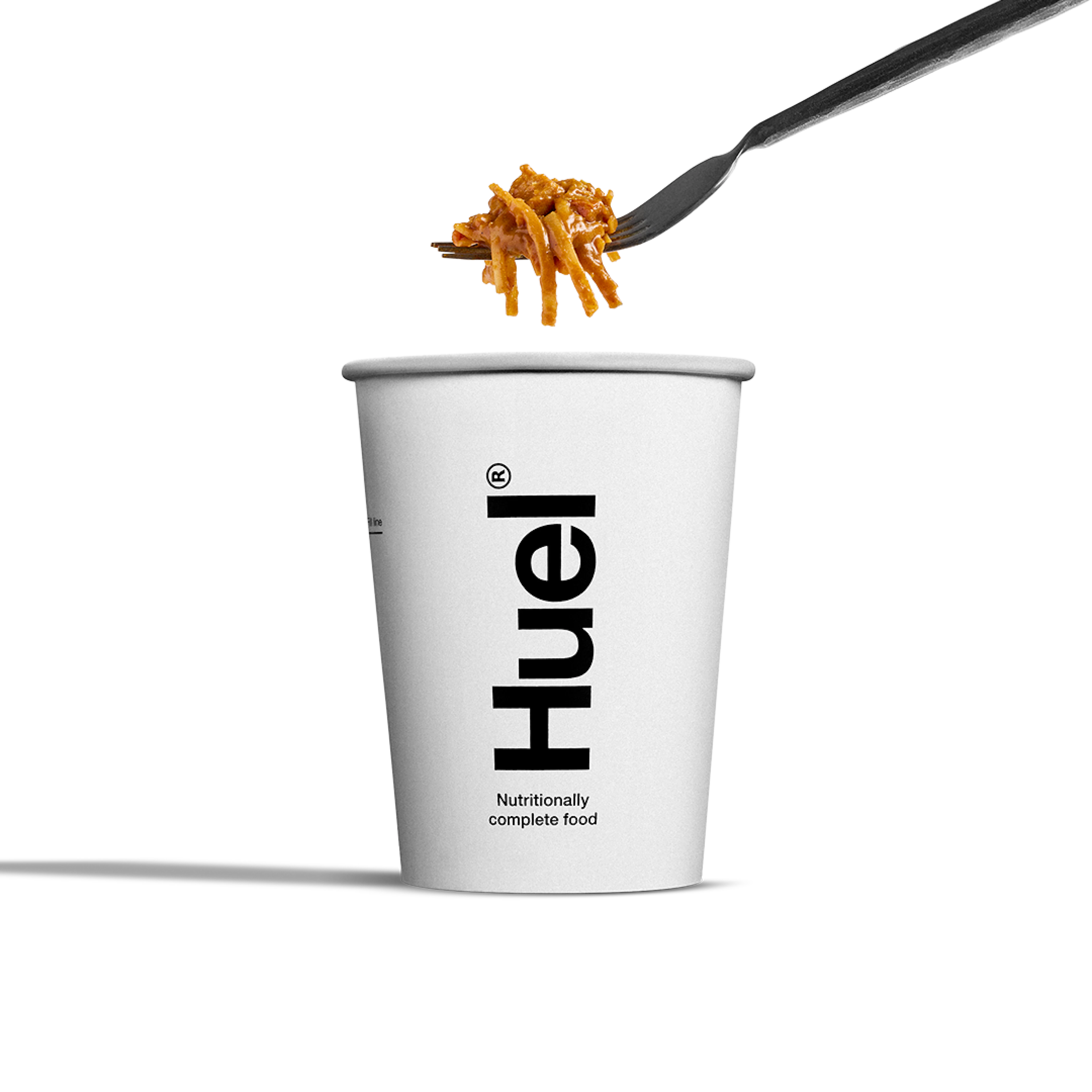
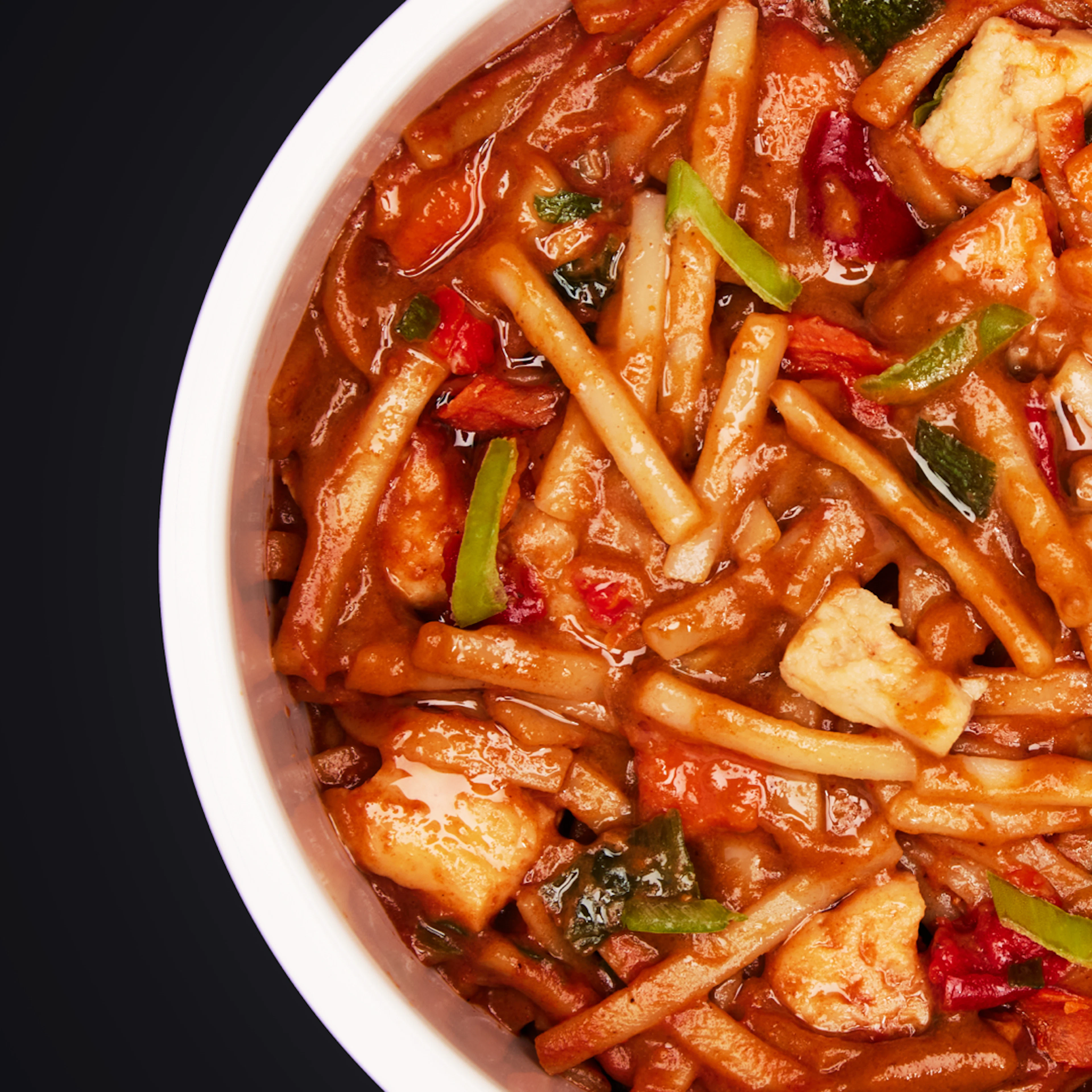
On-the-go instant meals
Up to 25g protein
400 cal per meal
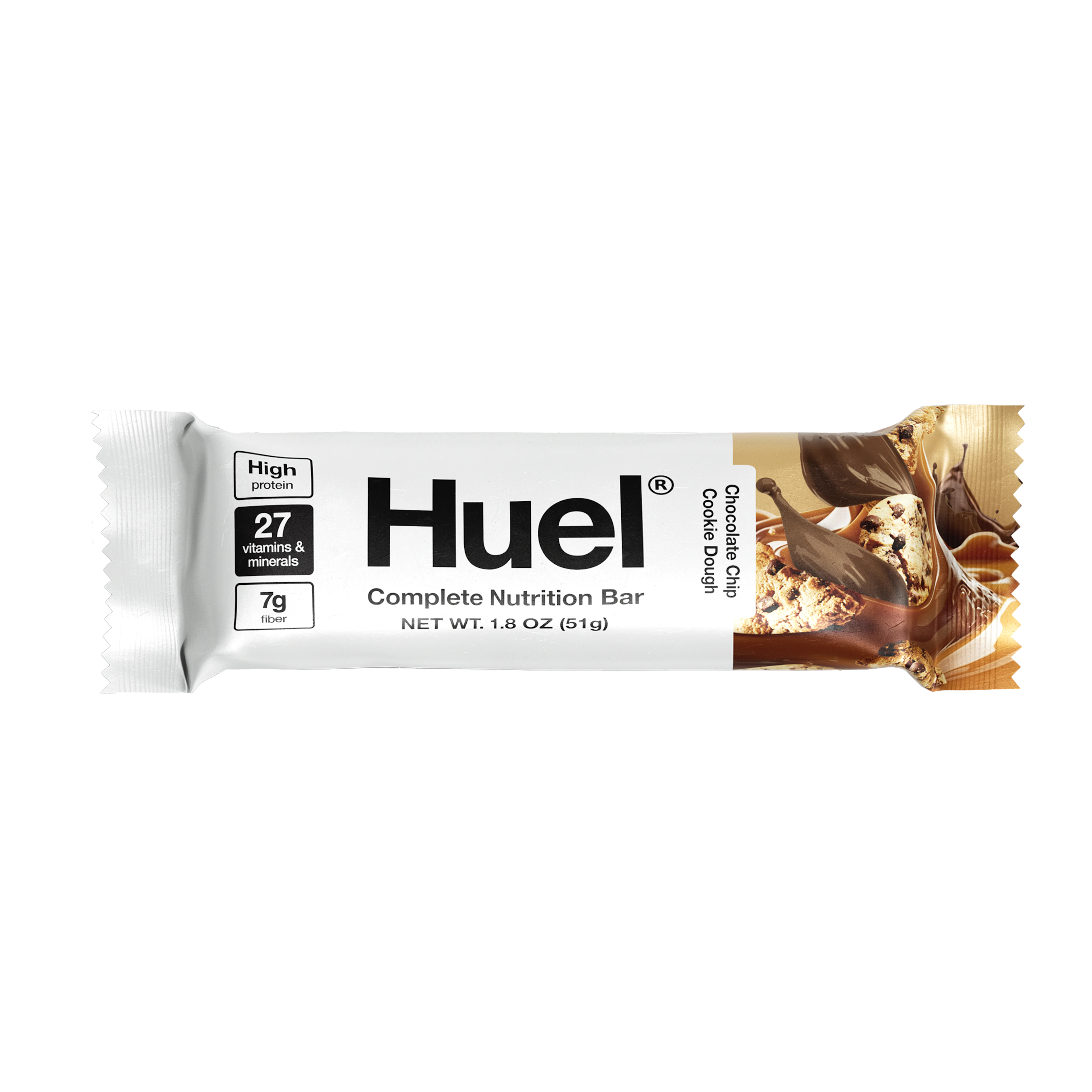
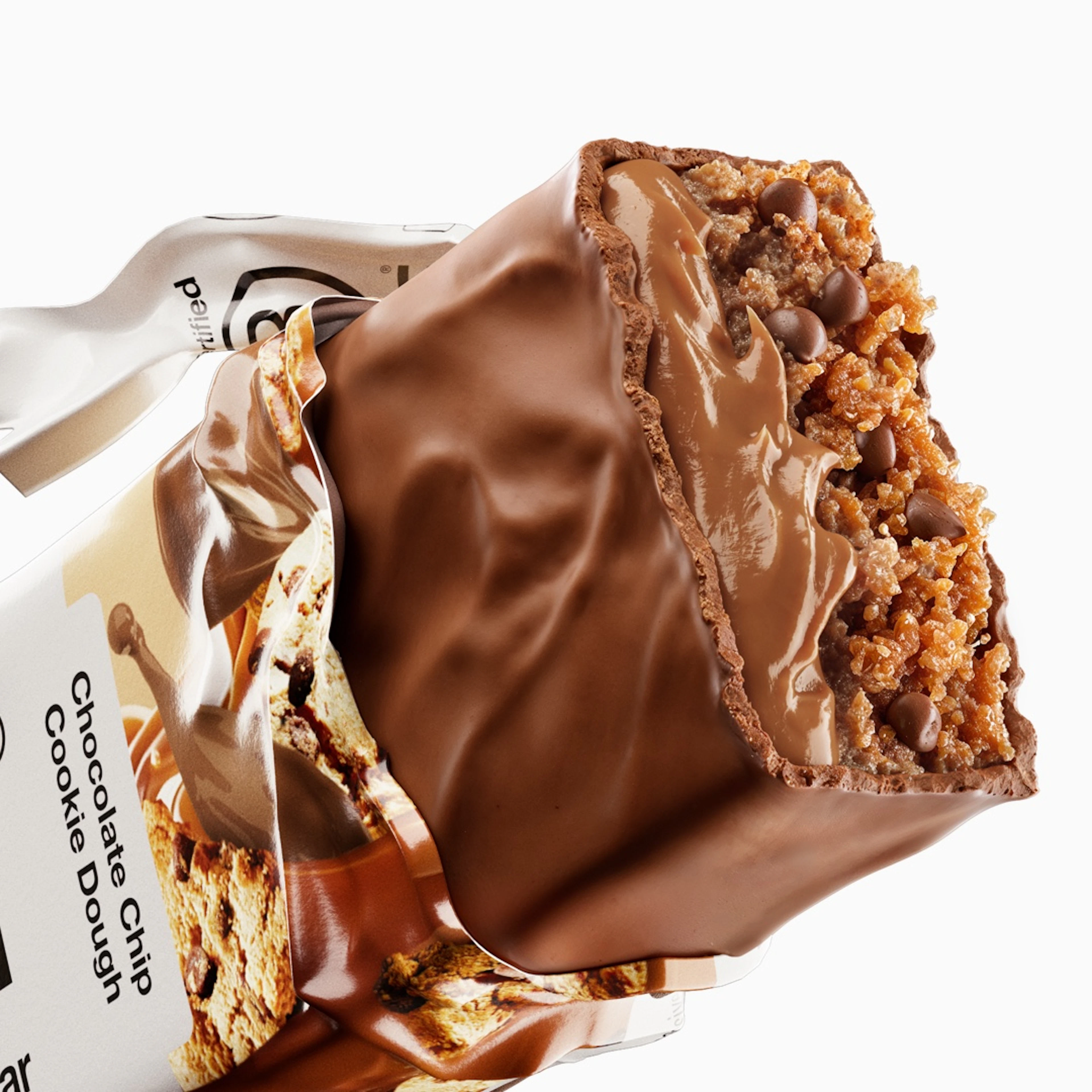
Complete protein bar
Up to 15g protein
Up to 210 cal per bar
✨ New flavors
.png?auto=format&compress=true&w=3840)

Sparkling supergreens drink
42 vitamins, minerals & nutrients
35 cal per can