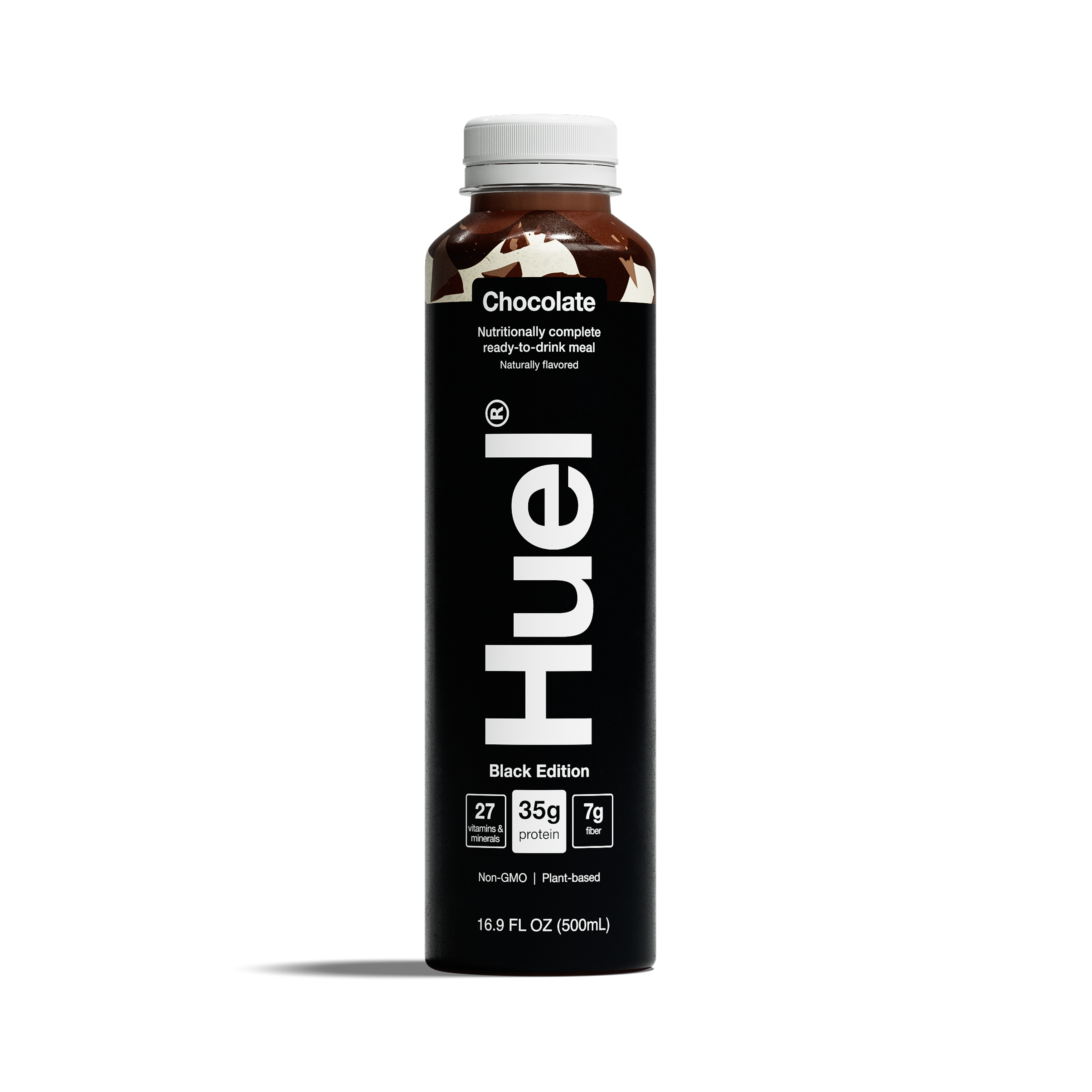

Black Edition Ready-to-drink
High-protein meal shakes
35g protein
400 cal per bottle

A practical, low-pressure guide to feeling more like yourself again as January begins.
January has a reputation problem. It’s often framed as a month of extremes: strict resolutions, punishing routines, and an urgent push to “get back on track.” But after weeks of late nights, disrupted routines, rich food, and social overload, most of us don’t need a dramatic reset. We need a gentle one.
Think of the days after the holidays not as a hard stop, but as a transition. Here’s how to ease back into January in a way that actually sticks.
When everything feels slightly off, anchor habits create stability. This isn’t the time to overhaul your entire routine. Choose one non-negotiable to return to first: a consistent breakfast, a daily walk, or a regular bedtime.
Research shows that small, repeatable behaviours are far more effective for long-term change than sweeping resolutions. Once that anchor feels solid again, everything else becomes easier to layer in.
Sleep often takes the biggest hit during the holidays, and it affects everything from mood to appetite regulation. Before worrying about workouts or productivity, focus on gradually bringing your sleep schedule back into rhythm.
Try moving bedtime earlier by 15–30 minutes every few nights, dimming lights an hour before bed, and getting outside soon after waking. These small cues help reset your circadian rhythm naturally.
Dehydration is common after a festive period filled with alcohol, salty foods, and irregular meals. Before changing what you eat, prioritise drinking more fluids consistently throughout the day.
Start the morning with a glass of water, keep a bottle nearby, and include hydrating foods like soups, fruits, and vegetables. Often, this alone improves energy levels and digestion without any drastic dietary shifts.

Rather than “cutting back,” think about adding in what supports your body. Fibre helps regulate digestion after indulgent meals, while protein supports satiety and steady energy.
Meals don’t need to be perfect. Aim for balance, not rules. A few reliable, nutrient-dense options you can reach for during busy days can help remove decision fatigue without feeling restrictive.
January doesn’t have to start at full intensity. Light movement — walking, stretching, mobility work — can help circulation, digestion, and mood without draining already-low energy reserves.
Consistency matters more than intensity here. Gentle movement builds momentum and confidence, making it easier to return to more structured exercise when your body is ready.
The mental clutter after the holidays is real. Instead of a full reset, try a 15-minute tidy: clear your inbox, restock basics, or plan a few simple meals for the week ahead.
These small actions create a sense of control and calm, which often translates into better habits without conscious effort.
A reset doesn’t have to mean becoming a new person by January 1st. Sometimes it simply means feeling a little more rested, a little more nourished, and a little more like yourself.
January is not a test of willpower. It’s a bridge. Cross it gently.
Edited by The Digest team